

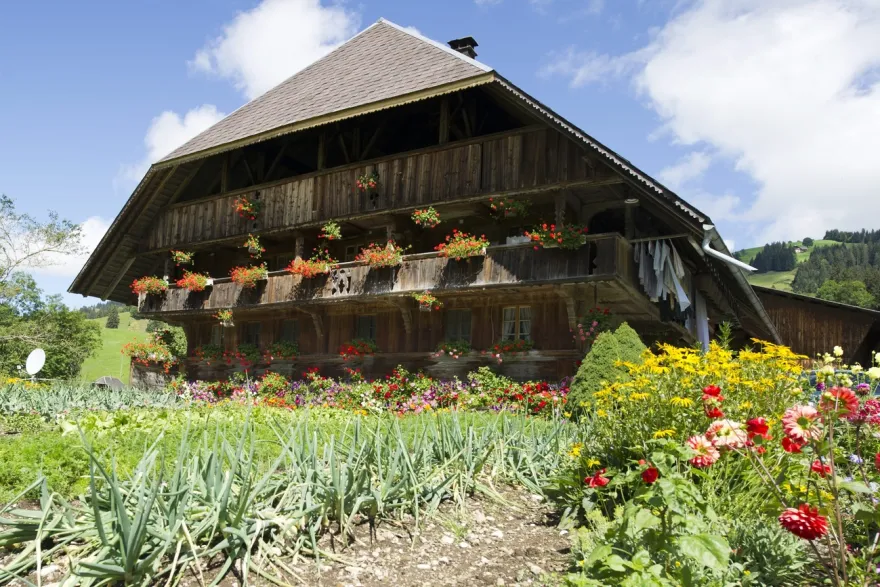
Swiss Home Ownership Dream Faces Housing Crisis.

The dream of owning a home in Switzerland remains difficult for many residents due to rising property prices and limited housing supply, according to a new survey published by MoneyPark and Helvetia.

The study found that nearly 70% of people aged between 25 and 40 want to own their own property, especially detached houses located in quieter rural areas. However, only 16% of current homeowners said they are considering selling their homes, creating major supply pressure in the market.

The survey also highlighted differences in housing satisfaction across Switzerland. Only one-third of tenants reported being satisfied with their current homes, compared to 54% of apartment owners and 89% of detached house owners.

According to MoneyPark CEO Lukas Vogt, many Swiss residents would prefer to live in rural environments but continue moving toward cities due to better job opportunities, infrastructure, and social connections.

This trend is contributing to continued urbanisation across the country rather than a movement back toward rural living.

Housing affordability has also become a major political issue. On June 14, voters in Zurich will vote on initiatives aimed at improving tenant protections and increasing the supply of affordable housing.

The ongoing housing shortage remains one of the biggest economic and social challenges in Switzerland, especially for younger generations trying to enter the property market.
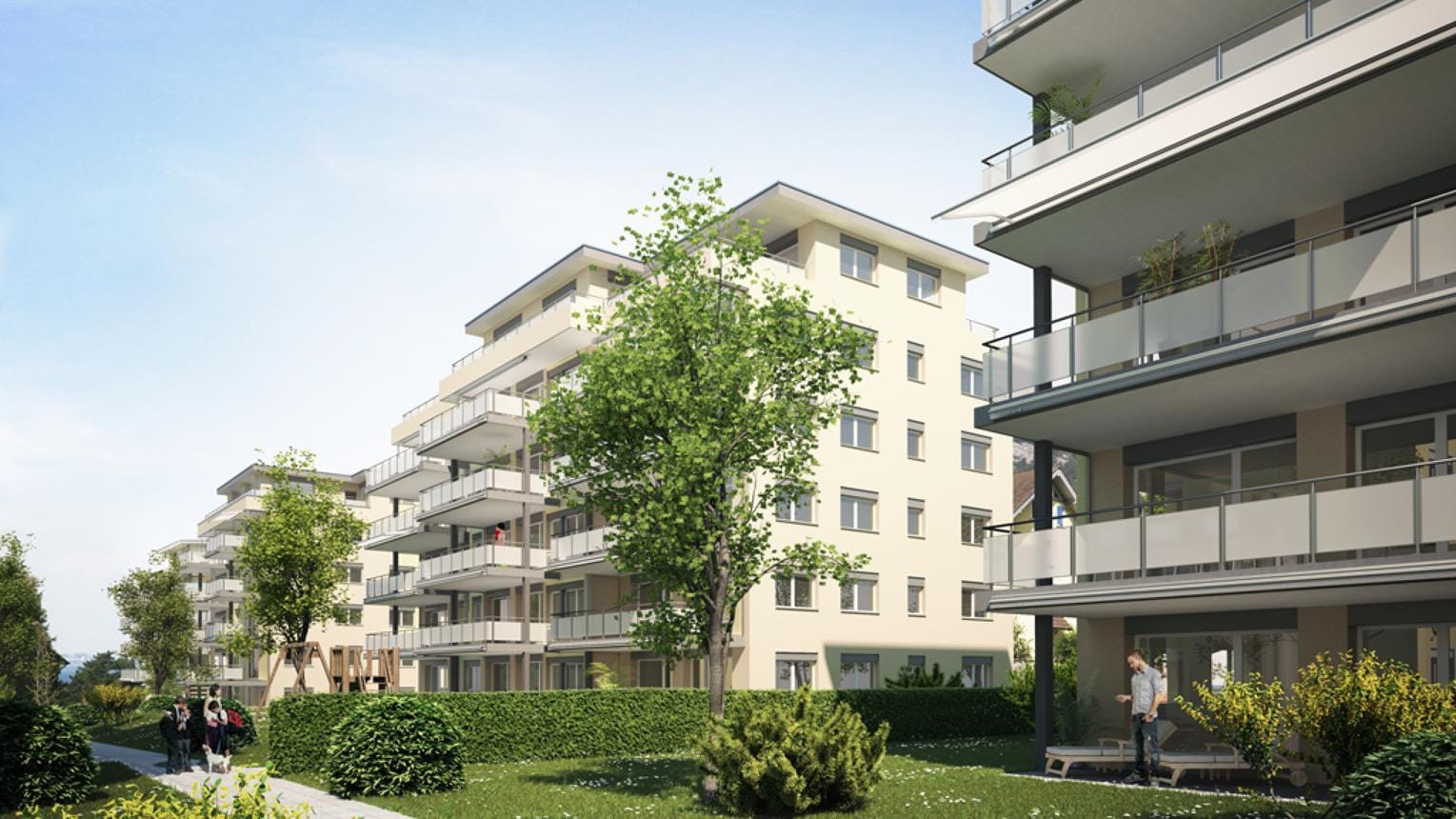
Rents Expected to Rise Again in Switzerland Amid Housing Shortage.

Rents in Switzerland are expected to increase again after a period of slower growth, according to a new study published by Raiffeisen Switzerland. The report suggests that the country’s rental market is entering a new phase of stronger price growth due to ongoing housing shortages and rising costs.

Experts from the bank warn that the temporary stabilisation in rent prices is likely coming to an end. One key reason is that the previous dampening effect from lower interest rates is fading, while new pressures are emerging in the housing sector.

The study highlights that rising energy prices and increased construction costs are also contributing to upward pressure on rents. These cost increases are linked to broader global economic factors, including geopolitical tensions affecting energy markets.

A major concern identified in the report is Switzerland’s extremely low vacancy rate. According to the analysis, demand for rental housing continues to exceed supply, creating strong competition among tenants searching for homes.

Fredy Hasenmaile, chief economist at Raiffeisen Switzerland, stated that the current market conditions point toward significant rent increases. He explained that historically, such low vacancy levels have always led to much stronger rent growth than what has been observed recently.

The report also notes a rise in rental search subscriptions, further confirming sustained excess demand in the Swiss housing market. Experts say this imbalance between supply and demand is likely to keep pushing prices upward in the coming months.

Overall, the outlook suggests that Switzerland’s rental market may experience renewed pressure, affecting both urban and suburban tenants across the country.

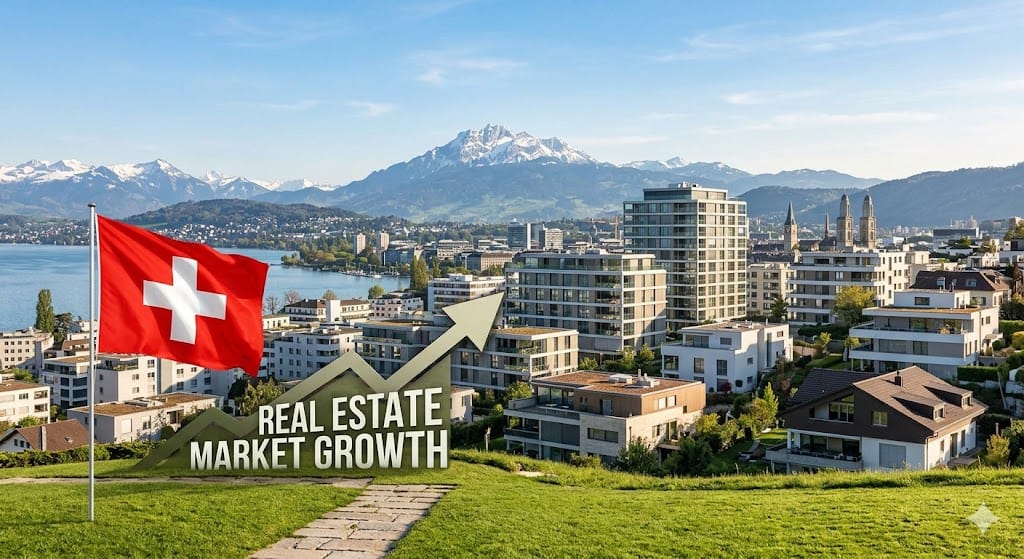
Housing Prices Continue to Rise Across Switzerland in 2026

Housing prices in Switzerland continue to increase steadily in 2026, with major cities such as Zurich, Geneva, and Lausanne experiencing significant price growth in the property market.

According to recent 2026 housing market data, apartment prices across Switzerland have increased by nearly 4% annually, while prices for individual houses have risen by around 3%. Real estate experts say strong demand and limited housing supply continue to push prices higher across the country.

Property demand remains especially high in Zurich and other large urban areas. However, the pace of new housing construction has not matched the growing population and demand, creating pressure on the Swiss housing market.

Several major factors continue to drive the increase in Swiss housing prices. Rising immigration, limited construction of new homes, and low interest rates have contributed to higher demand for residential properties. Switzerland’s reputation as a safe and stable investment destination has also attracted both local and international investors.

Economic experts additionally point to Switzerland’s high salaries and strong employment opportunities as reasons why many foreign workers continue to move to the country. This growing workforce further increases demand for housing in major Swiss cities.

The continued rise in property prices has become an important topic among residents, investors, and policymakers. Many people are now concerned about long-term housing affordability, especially for middle-income families and first-time home buyers in Switzerland.