


Switzerland Raises Concerns Over Italy’s Cross-Border Health Tax Plan.

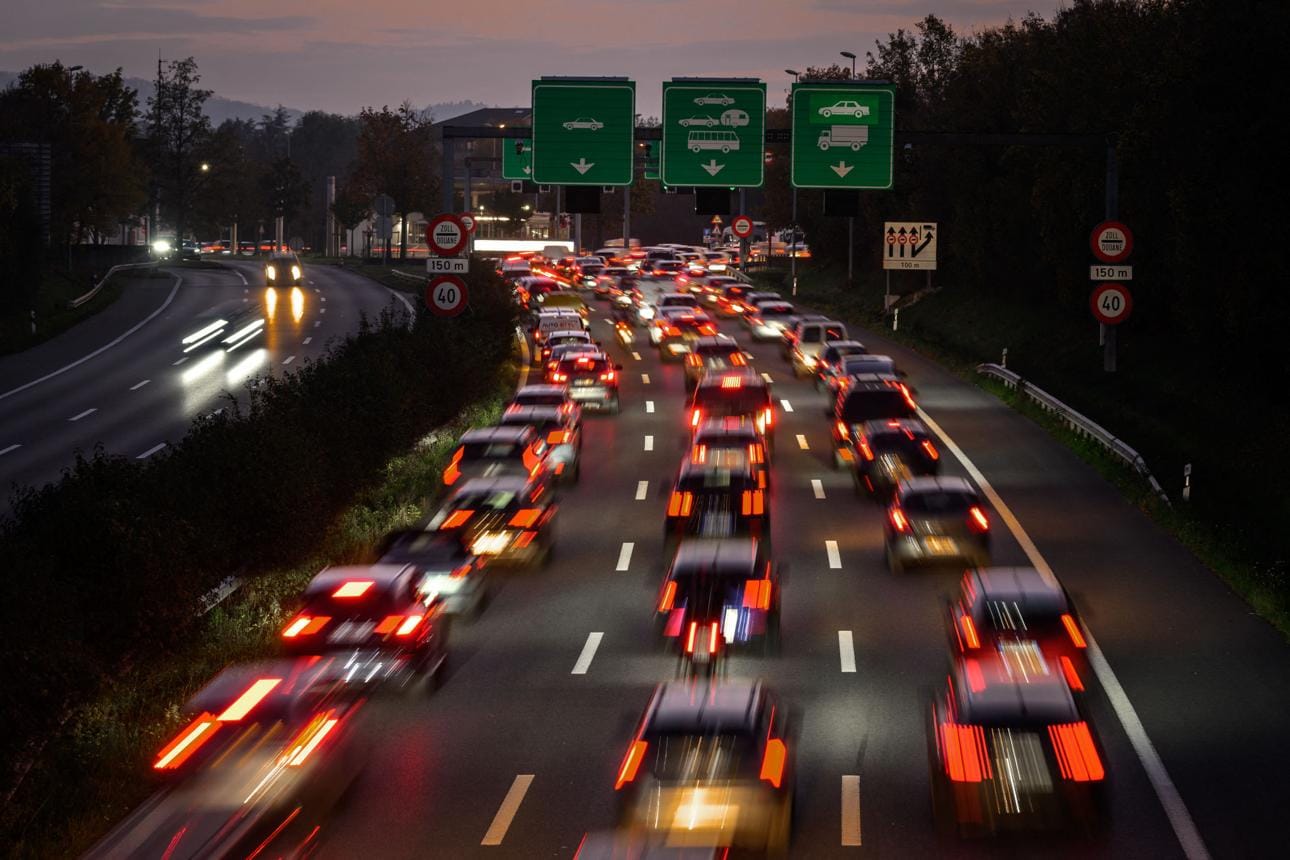
Switzerland has raised serious concerns over Italy’s proposed “health tax” on cross-border workers, a move that could affect thousands of commuters, especially in the border region of Canton of Ticino.

During discussions in Bellinzona, Swiss Foreign Minister Ignazio Cassis emphasized the importance of maintaining strong bilateral relations between Switzerland and Italy. He expressed hope that ongoing dialogue would remain constructive as both countries address sensitive cross-border issues.

The proposed Italian policy would allow border regions to impose a levy of around 3% to 6% on net wages earned in Switzerland by Italian cross-border workers. Swiss authorities warn that this could create economic pressure and disrupt labor mobility between the two countries.

Officials also raised concerns about Italy’s idea of introducing “special economic zones” in border areas. These zones aim to reduce taxes and bureaucracy to encourage businesses to stay in Italy instead of relocating to Switzerland.

In addition, discussions included broader financial topics such as inter-cantonal financial equalization, budget tightening measures, and the promotion of the Italian language in Switzerland. The Ticino government has urged reforms to prevent widening economic gaps between Swiss cantons.

The issue will remain politically sensitive as both nations prepare for the upcoming OSCE Ministerial Council meeting in Lugano, scheduled for December 3–4, where diplomatic cooperation will be further tested.
Swiss President Criticises EU Steel Tariffs as Harmful

Swiss President Guy Parmelin has strongly criticised new steel tariffs approved by the European Union, calling the measures “counterproductive” and harmful to European supply chains.

Speaking to Swiss public broadcaster SRF, Parmelin said he had already warned European Commission President Ursula von der Leyen that the tariffs could become an “own goal” for Europe.

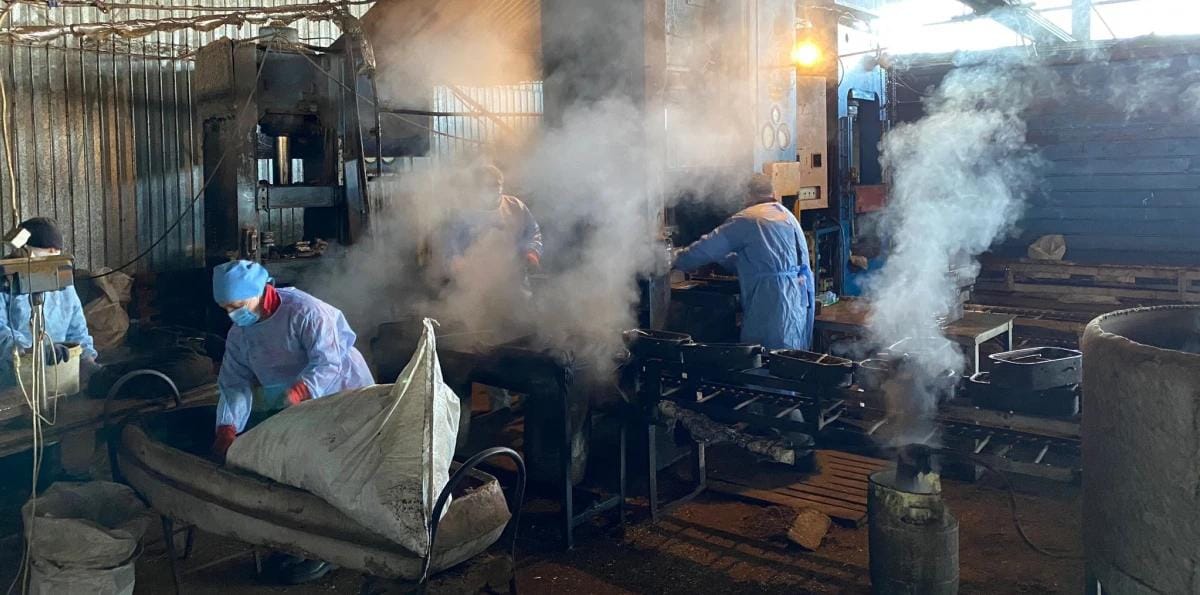
The EU plans to introduce stricter protections for its steel sector starting July 1, including a major reduction in duty-free steel import quotas. Swiss steel producers are expected to be affected by the changes despite Switzerland’s close economic integration with European manufacturing industries.

Parmelin argued that Switzerland plays a crucial role in European industrial supply chains, particularly in sectors such as aerospace and advanced manufacturing. He warned that restricting Swiss steel imports could negatively impact European companies that depend on Swiss materials and components.

The Swiss government and the European Commission are now expected to negotiate updated import quotas through the framework of the World Trade Organization.

The Swiss president also expressed frustration over new EU rules concerning unemployment benefits for cross-border workers. Under the proposed regulation, unemployed cross-border workers would receive benefits from the country where they last worked instead of their country of residence.

According to Switzerland’s State Secretariat for Economic Affairs (SECO), the change could cost Switzerland up to CHF900 million annually. Parmelin described the move as unhelpful and said he was surprised that the EU had raised several sensitive issues while Switzerland and the EU were still discussing broader agreements on bilateral relations.

At the same time, Switzerland’s trade discussions with the United States are also facing difficulties. Parmelin noted that uncertainty surrounding a recent US Supreme Court decision on presidential tariff powers has complicated negotiations between Bern and Washington.

Swiss officials are still awaiting a formal response from the US regarding Switzerland’s trade proposals. Analysts say the situation highlights the increasing pressure facing Switzerland as it navigates complex trade relationships with both the EU and the United States.

France Demands Switzerland Reform Cross-Border Jobless Benefits System

France is increasing pressure on Switzerland to reform unemployment benefit rules for cross-border workers following a new agreement between Switzerland and the European Union.

French Labour Minister Jean-Pierre Farandou urged Switzerland to accelerate implementation of the revised system, which would shift responsibility for unemployment payments to the country where a person works rather than where they live.

Under the current arrangement, France pays unemployment benefits to many French residents employed in Switzerland after they lose their jobs.

French officials argue that this system creates a major financial burden for neighbouring countries with large numbers of cross-border commuters.

Speaking before the French parliament, Farandou stated that France currently loses around €860 million annually under the existing rules.

He noted that a timetable for implementation has already been agreed with Luxembourg and stressed that Switzerland must also comply with agreements linked to the European Union.

The reform proposal follows nearly a decade of negotiations between EU member states and aims to modernise rules affecting thousands of cross-border workers across Europe.

However, Swiss authorities have raised concerns about the financial impact of the changes.

According to estimates from the State Secretariat for Economic Affairs (SECO), Switzerland could face additional annual costs ranging between CHF600 million and CHF900 million if the new rules are implemented.

The issue is particularly significant for border regions where many residents commute daily between France and Switzerland for work.

Analysts say the debate could become an important topic in future Switzerland-EU relations and labour market negotiations.

The proposed reform highlights the growing economic and political challenges surrounding cross-border employment in Europe as governments seek fairer distribution of social welfare costs.