Bern Remains the Biggest Winner in Switzerland’s Financial Equalisation System

Switzerland’s financial equalisation system will continue to redistribute billions of francs between cantons in 2027, ensuring balanced development across the country. According to new calculations by the Federal Finance Administration, approximately CHF 4.6 billion will be transferred from wealthier cantons to those with fewer financial resources.

Although the total amount is lower than the previous year by around CHF 1.8 billion, the system remains a key pillar of Swiss federal solidarity. The mechanism aims to reduce financial disparities and help all cantons provide comparable public services.

Once again, Bern will be the largest beneficiary of the scheme. The canton is expected to receive approximately CHF 1.71 billion in net compensation payments during 2027, maintaining its position as the biggest recipient of support.

Other cantons benefiting significantly from the redistribution include Valais, which is expected to receive CHF 897 million, followed by Aargau with CHF 709 million and Fribourg with CHF 593 million. Additional beneficiaries include Neuchâtel, Jura, and Vaud.

On the contributor side, Zug and Geneva remain Switzerland’s largest financial supporters. Zug is expected to contribute approximately CHF 529 million, while Geneva will provide around CHF 497 million. Other contributing cantons include Zurich, Schwyz, Basel City, Nidwalden, Schaffhausen, and Appenzell Innerrhoden.

The Swiss equalisation system reflects the country’s commitment to economic balance and cooperation among cantons. By sharing financial resources, Switzerland seeks to maintain high-quality public services and economic stability throughout the nation, regardless of regional wealth differences.

As economic conditions evolve, the equalisation framework continues to play a vital role in strengthening national cohesion and supporting less financially advantaged regions.

Greenpeace Sparks Row Over Swiss Nuclear Plans.

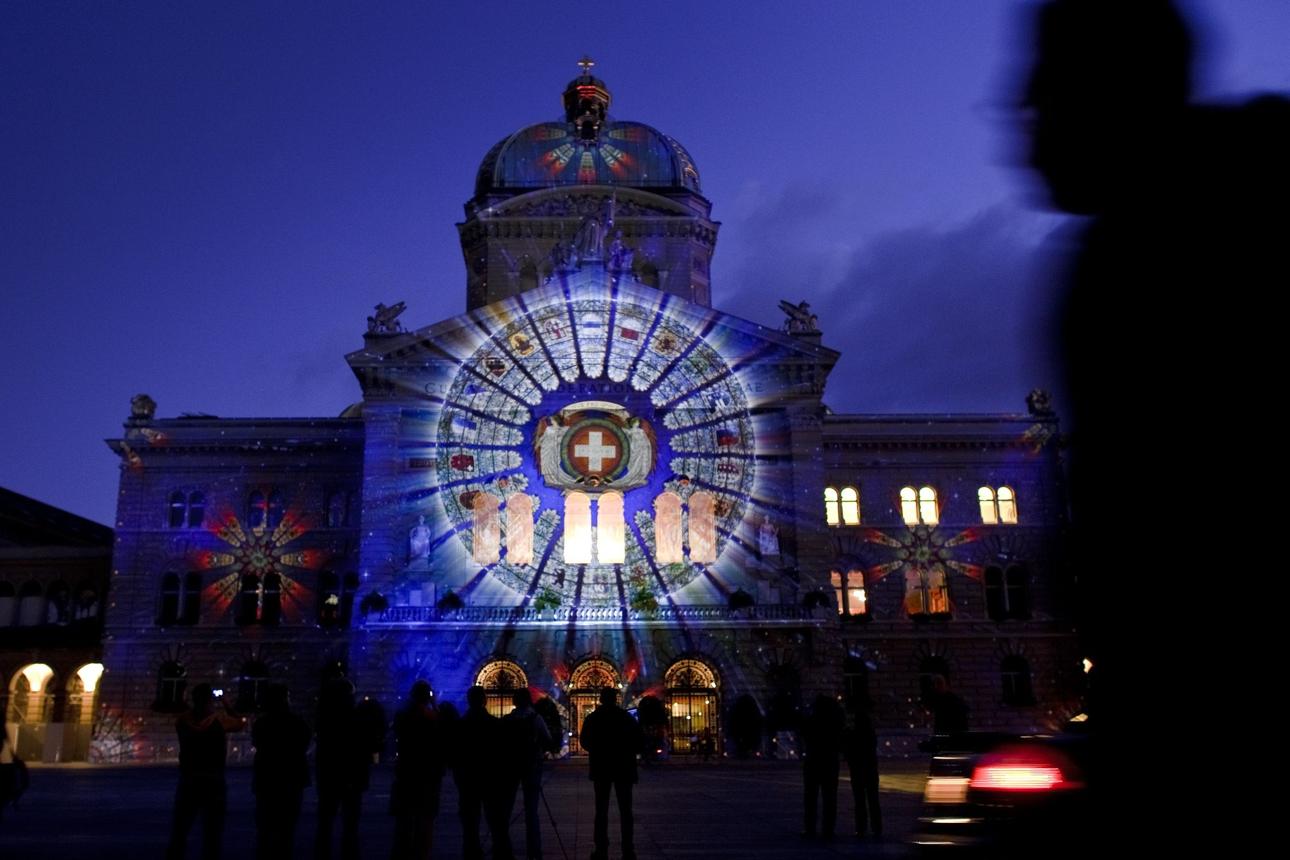
Environmental organization Greenpeace Switzerland staged a striking protest on Monday evening by projecting an image inspired by Edvard Munch’s famous painting “The Scream” onto the Federal Palace in Bern. The action coincided with a parliamentary debate on proposals that could pave the way for the construction of new nuclear power plants in Switzerland.

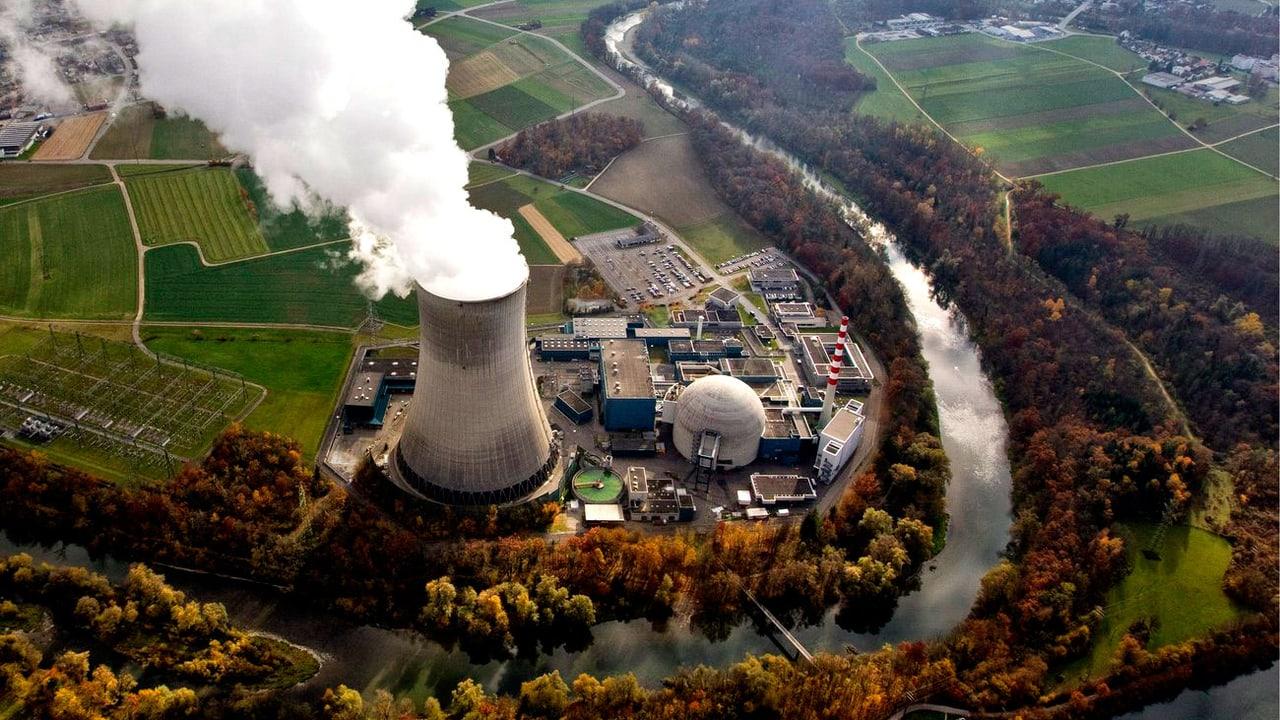
The protest followed the start of discussions in the National Council regarding the popular initiative “Anytime Electricity for All (Stop the Blackout)” and a related counterproposal. The counterproposal would remove the legislative ban on building new nuclear power stations in Switzerland.

Greenpeace criticized lawmakers for what it described as an attempt to undermine Switzerland’s energy transition goals. The projected artwork combined elements of The Scream with a radioactive warning symbol, highlighting the organization’s concerns about nuclear energy. Another projection featured Russian President Vladimir Putin alongside a nuclear cooling tower, drawing attention to geopolitical concerns linked to uranium supplies.

According to Greenpeace Switzerland energy expert Lukas Bühler, a return to nuclear energy would increase the risks associated with nuclear accidents and generate additional highly radioactive waste. He also argued that nuclear power would create long-term dependence on foreign uranium suppliers, including countries such as Russia and Kazakhstan.

The debate reflects a broader discussion in Switzerland about how to secure reliable electricity supplies while meeting climate and energy objectives. Supporters of nuclear energy argue that it can provide stable, low-carbon electricity, while opponents believe renewable energy sources offer a safer and more sustainable path forward.

As lawmakers continue to examine the proposal, the future of Switzerland’s nuclear policy remains a highly debated issue across the country.

Swiss Doctors Still Face Burnout Concerns.

Doctors working in Swiss hospitals are experiencing a slight reduction in weekly working hours, according to a new survey. While this marks a positive development for the healthcare sector, concerns about exhaustion and patient safety remain widespread.

The survey, conducted among 2,400 doctors by the Demoscope research institute on behalf of the Association of Swiss Assistant and Senior Physicians (VSAO), found that the average weekly workload has fallen to 54.6 hours. In 2022, doctors reported working an average of 56.3 hours per week.

The findings also show an improvement in compliance with labour regulations. The percentage of doctors reporting violations of working time laws decreased from 68% to 58%, indicating gradual progress in hospital working conditions.

Despite these improvements, fatigue continues to affect a large portion of the medical workforce. More than half of the doctors surveyed said they regularly reach a point where they feel unable to continue due to physical or mental exhaustion. The level of stress remains almost unchanged compared with previous years.

Patient safety is another major concern highlighted in the report. Nearly 60% of respondents stated that they had witnessed situations in the past two years where patients were placed at risk because of fatigue caused by excessive workloads. Medical professionals warn that long working hours and ongoing pressure can affect concentration, decision-making, and overall quality of care.

Healthcare experts believe that further reforms are needed to improve staffing levels, reduce pressure on medical teams, and protect both doctors and patients. While the reduction in working hours is a positive sign, the latest findings suggest that burnout and workplace stress continue to be serious challenges within Switzerland’s healthcare system.

The survey serves as an important reminder that maintaining a healthy and sustainable workforce is essential for delivering safe and effective healthcare across Switzerland. As hospitals face increasing demand for services, ensuring the wellbeing of medical professionals will remain a key priority.

Swiss Support for New Nuclear Plants Surges.

Public opinion in Switzerland is shifting significantly in favor of nuclear energy, with a growing number of citizens viewing it as a reliable solution to future electricity challenges. A recent survey commissioned by the Swiss Association of Electricity Companies (AES) reveals that nearly 60% of respondents support the construction of new nuclear power plants across the country.

The findings highlight increasing concerns about Switzerland’s long-term energy security. As demand for electricity continues to rise, many residents are questioning whether renewable energy sources alone will be sufficient to meet future needs. This has led to renewed interest in nuclear power as part of a balanced national energy strategy.

According to the survey, 79% of participants support keeping existing nuclear power plants in operation as long as they continue to meet safety standards. In addition, 59% favor building next-generation nuclear facilities to strengthen Switzerland’s energy infrastructure and reduce the risk of power shortages.

Energy experts believe public attitudes have changed due to growing awareness of supply risks experienced in recent years. International geopolitical tensions and concerns about global energy markets have also increased public focus on reliable domestic electricity production.

Despite the rising popularity of nuclear energy, renewable energy remains the preferred long-term solution for many Swiss citizens. Solar, wind, and hydropower continue to receive strong public support, with many respondents favoring an energy mix that combines renewables with stable backup generation.

The Swiss Parliament is expected to discuss the future direction of national energy policy, making this an important moment for Switzerland’s long-term energy planning. The debate could influence how the country balances energy security, environmental goals, and economic stability in the years ahead.

As Switzerland evaluates its energy future, nuclear power is once again becoming a central topic of discussion. The latest survey suggests that public opinion is evolving, with more citizens willing to consider nuclear energy as part of the solution to ensure a stable and secure electricity supply.

Global Ukrainian Summit Brings Leaders to Bern.

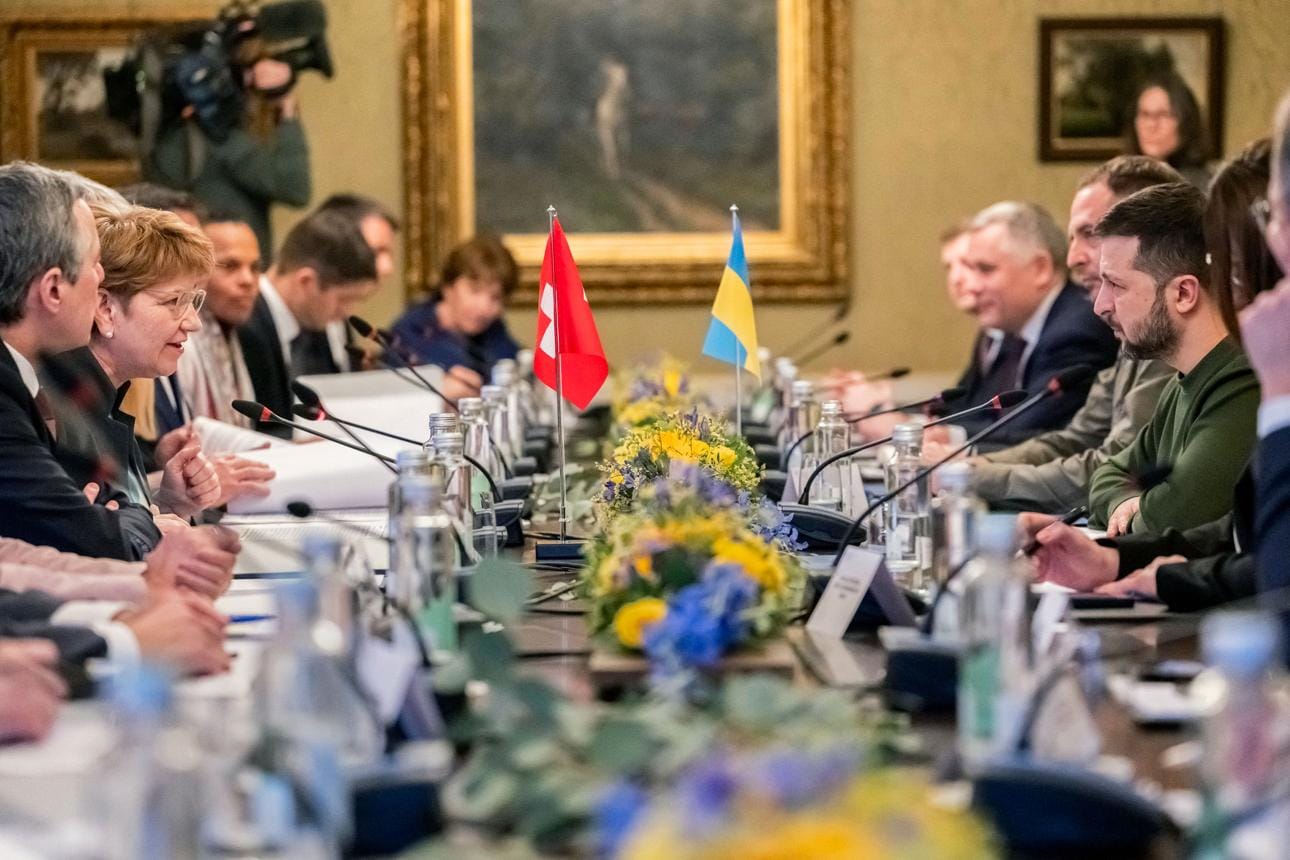
Bern hosted the Global Ukrainian Summit for the first time in Switzerland, bringing together more than 300 representatives of the global Ukrainian community from 50 countries. The three-day event highlighted international cooperation, reconstruction efforts, and the growing role of civil society in supporting Ukraine.

Government officials, diplomats, community leaders, and international partners attended the summit in the Swiss capital. Swiss government delegate for Ukraine, Jacques Gerber, joined discussions focused on strengthening partnerships between Switzerland and Ukraine.

A major theme of the summit was the role of civil society in defending Ukraine’s sovereignty and supporting the country’s long-term recovery. Participants discussed how communities around the world can contribute to rebuilding Ukraine and maintaining international awareness of ongoing challenges.

Ukraine’s Deputy Foreign Minister Mariana Betsa emphasized that Ukrainians living abroad play an important role in shaping the country’s future. She noted that support from global communities continues to strengthen Ukraine’s position on the international stage.

Leaders also highlighted the efforts of the Ukrainian diaspora in mobilizing humanitarian assistance, advocating for international support, and helping maintain global attention on the impact of the war. Delegates agreed that cooperation between governments, organizations, and communities remains essential.

The summit addressed a wide range of topics, including international security, economic reconstruction, youth engagement, cultural diplomacy, and the future role of Ukrainians living abroad. Participants exchanged ideas on how global partnerships can contribute to long-term stability and development.

Officials stressed that security remains a key requirement for the return of millions of displaced Ukrainians. Ukrainian representatives explained that long-term strategies are already being developed to support future resettlement and national recovery efforts.

The event also highlighted the importance of international coordination, including economic measures, legal accountability, and continued diplomatic support. Organizers described Switzerland as an increasingly important platform for dialogue, cooperation, and long-term partnerships with Ukraine.

The successful summit in Bern demonstrated the growing importance of international collaboration and showcased Switzerland’s role in hosting global discussions on peace, reconstruction, and humanitarian cooperation.

Bern Parliament Approves Feminicide Category in Crime Statistics.

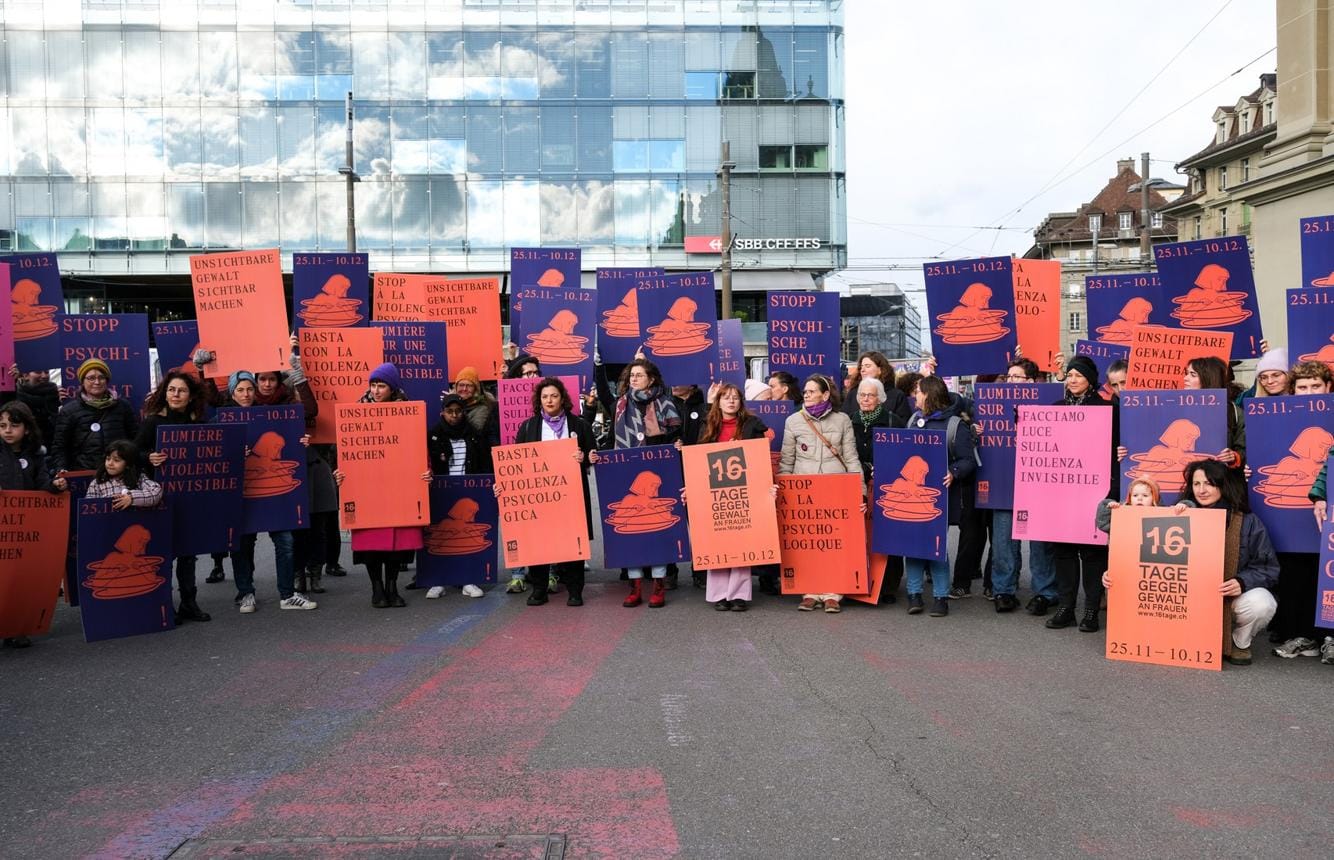
The parliament of the Swiss canton of Bern has approved a proposal to include feminicide as a separate category in official crime statistics, marking a significant step in how violence against women is recorded in Switzerland.

The motion was passed on Wednesday evening with a clear majority of 117 votes to 30. It was introduced by Green Party member Manuel C. Widmer and supported by politicians from multiple parties, including the Social Democrats and some members of the centre-right Radical-Liberals.

Supporters of the measure argue that violence against women is often underreported or treated as a private matter, leading to gaps in official data. By introducing feminicide as a distinct category, they aim to improve transparency and better understand the scale and nature of gender-based killings.

Under the definition proposed in the motion, feminicide refers to the killing of women or girls in the context of patriarchal gender-based violence. Advocates say that clear statistical recognition is essential for developing effective prevention policies and improving victim protection.

However, the decision has also sparked political debate. Members of the Swiss People’s Party (SVP) have criticized the term feminicide, describing it as a politically charged concept that should not be included in official state statistics.

The cantonal government had previously expressed conditional support for the idea, stating that a standardized national definition is necessary before implementation. Authorities also noted that discussions are already underway at the federal level to harmonize data collection on violent crime.

The decision in Bern is seen as part of a broader European trend to improve the documentation of gender-based violence and strengthen policy responses to protect women and girls.

Switzerland Hosts Over 140 Foreign Diplomatic Missions.

Switzerland is widely recognized as one of the world’s most important diplomatic centers, hosting a large number of foreign embassies and international representations.

According to available figures, around 146 countries maintain official diplomatic representation in Switzerland. Of these, nearly half have established full embassies directly in the capital city, Bern.

Bern alone hosts approximately 91 foreign embassies, making it a key center for bilateral diplomatic relations. These embassies manage political, economic, and consular relations between Switzerland and their respective countries.

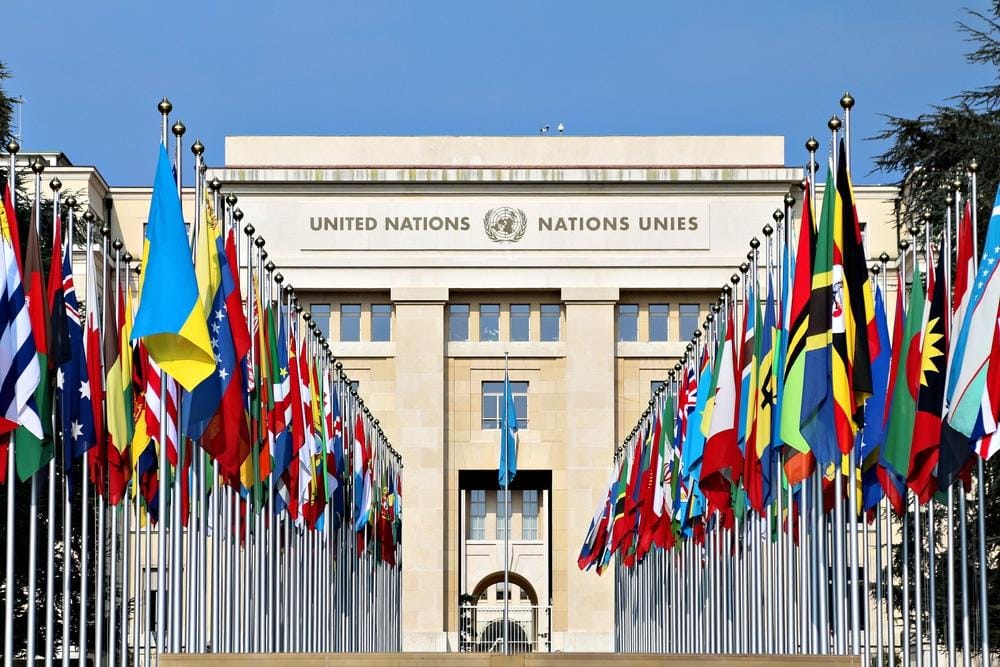
In addition to Bern, Geneva plays a crucial international role. The city is home to the United Nations Office at Geneva and dozens of other global organizations. Around 64 permanent missions representing various countries operate there, focusing on multilateral diplomacy and international cooperation.

Beyond embassies and permanent missions, Switzerland also hosts more than 180 consulates across different cities. These consular offices provide services such as visa processing, assistance to citizens abroad, and trade support.

While Bern serves as the political capital for diplomatic relations, Geneva functions as a global hub for international dialogue, peacebuilding, and humanitarian coordination.

Overall, Switzerland’s diplomatic network reflects its long-standing policy of neutrality and international engagement. With over 140 countries represented in various forms, the country continues to play a central role in global diplomacy and international governance.

Polish President Visits Switzerland in Bern Ceremony.

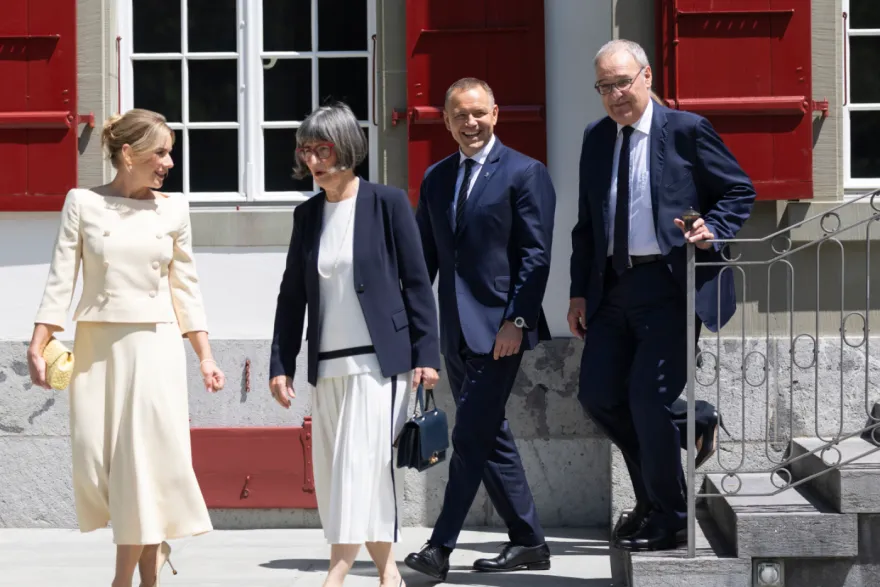
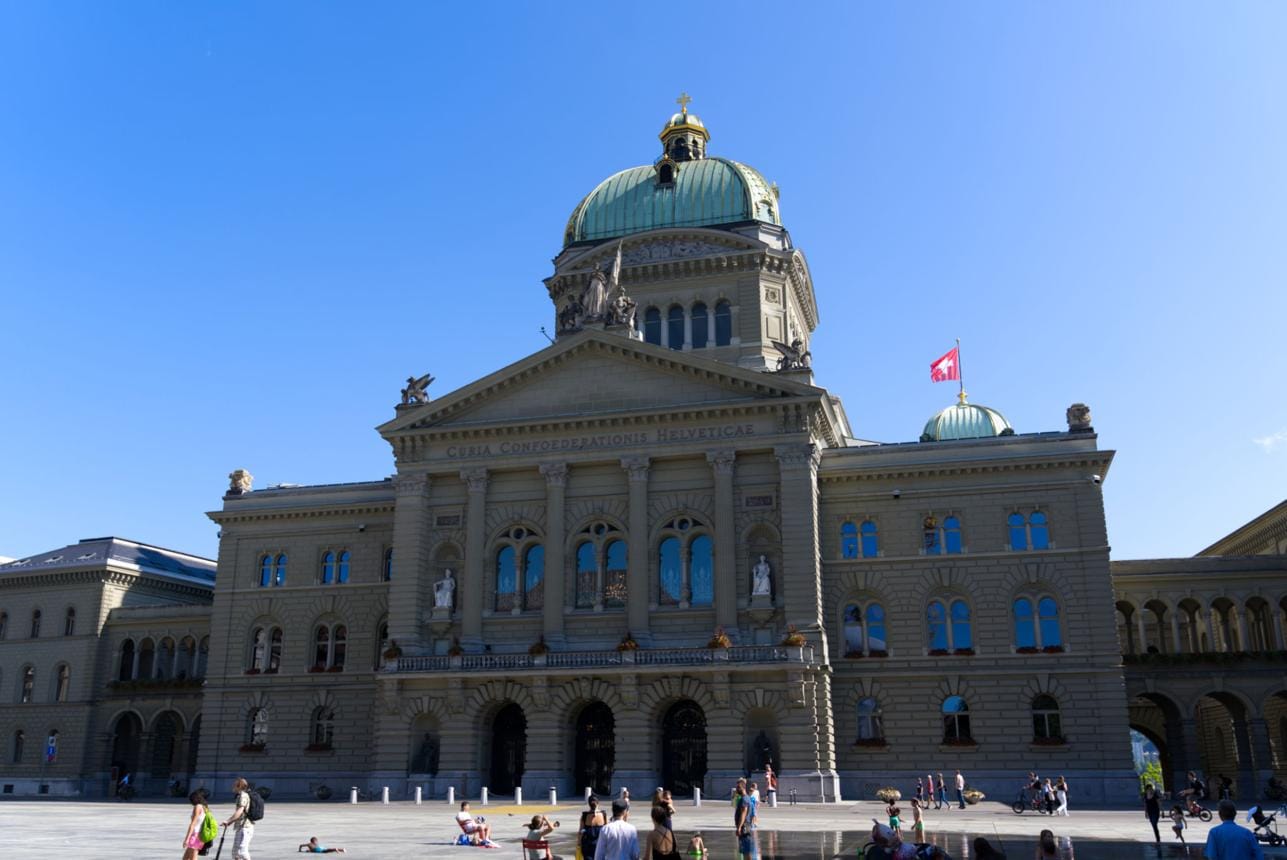
Polish President Karol Nawrocki receives full military honours during an official visit to Switzerland in Bern on Wednesday. Swiss leaders welcome him at Parliament Square, highlighting strong diplomatic and economic relations between the two countries.

President Nawrocki states that relations between Poland and Switzerland remain “of very high quality,” while Swiss officials confirm that cooperation between Bern and Warsaw has “never been better.”

Both nations focus discussions on strengthening economic ties, with Poland emerging as Switzerland’s most important trading partner in Central Europe. In 2025, bilateral trade reaches nearly CHF 6.5 billion, reflecting growing commercial cooperation.

Switzerland continues to support Poland through its EU cohesion contribution, with Warsaw receiving around CHF 320 million. The funding supports infrastructure upgrades in medium-sized Polish cities and promotes research and innovation projects.

Swiss officials emphasize that improved infrastructure in Poland also benefits Swiss companies operating in the region. The visit reinforces long-term economic collaboration and political goodwill between the two European partners.

Switzerland PFAS Food Rule Sparks Debate.

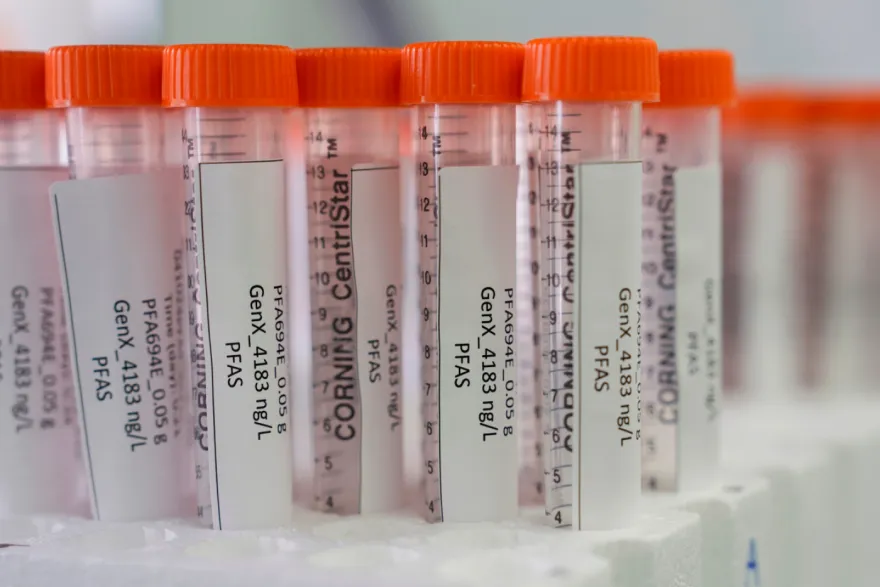
The Swiss government proposes a temporary rule that allows food producers to blend animal products containing higher levels of PFAS, known as “forever chemicals,” into final food items as long as the end product stays within safety limits.

The Federal Council opens a public consultation and invites stakeholders to comment on the proposal until September 18. The measure aims to support farmers who need more time to meet strict PFAS contamination standards.

PFAS chemicals are found in multiple regions of Switzerland and can enter the food chain through contaminated soil and water. These substances have been linked to potential health risks, leading Switzerland to enforce maximum PFAS limits for meat, fish, and eggs since 2024.

Under the proposed three-year transition plan, consumers will receive clear information if food products include blended ingredients that exceed PFAS limits before processing. The government also considers financial support for affected farms facing contamination challenges.

Parliament urges the Federal Council to protect farmers’ livelihoods while ensuring food safety. A separate special law to support contaminated farms is expected to go into consultation in March 2027.