Swiss Airports Record 13.3 Million Passengers in Q1 2026.

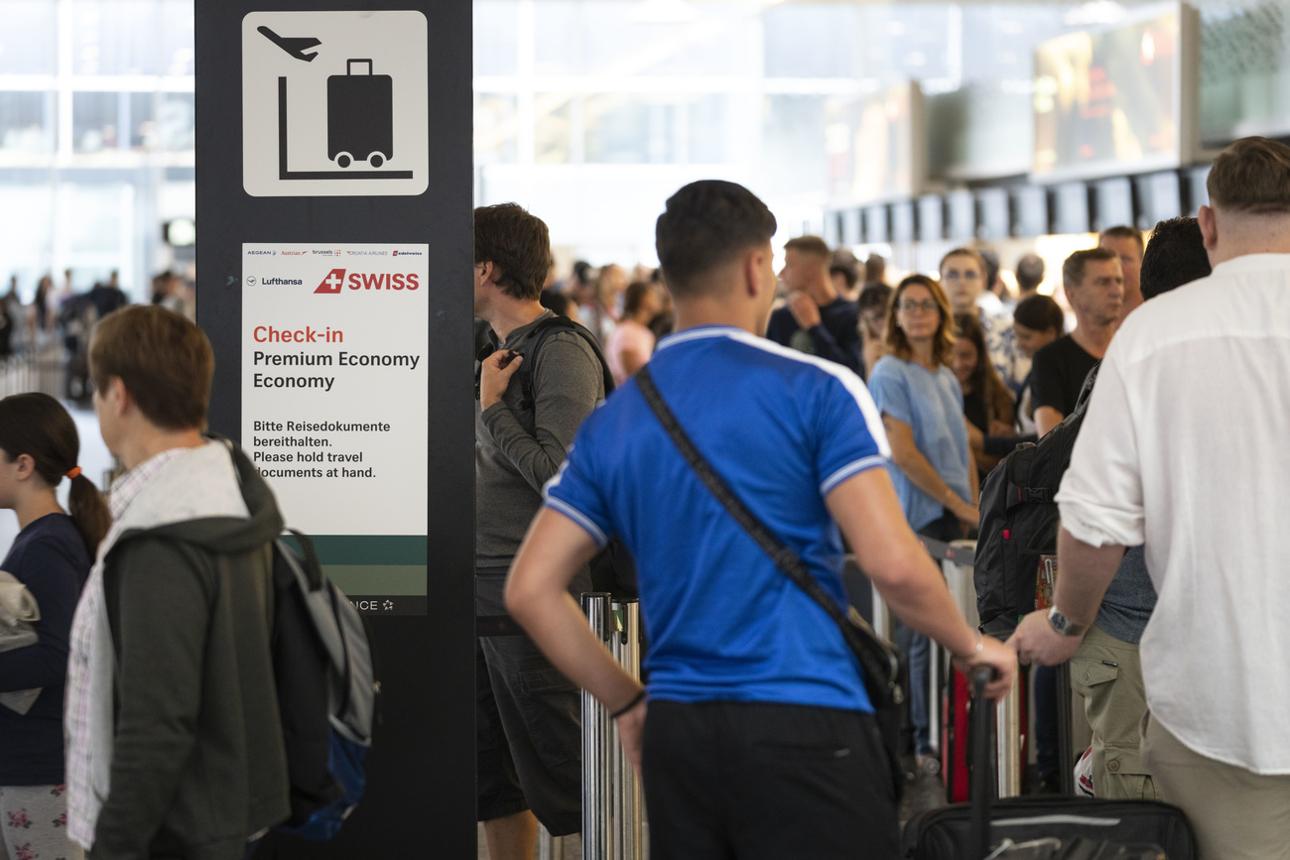
Swiss airports recorded a strong increase in passenger traffic during the first quarter of 2026, reaching a total of 13.3 million travellers on scheduled and charter flights, including transit passengers.

According to figures published by the Federal Statistical Office, this represents an increase of around 0.7 million passengers, or 5%, compared to the same period in 2025.

The growth highlights continued recovery and expansion in Switzerland’s aviation sector, supported by rising travel demand and strong international connectivity.

Among the country’s major airports, Zurich Airport recorded the highest passenger volume, handling 6.9 million travellers. This marks a 6% increase compared to the previous year.

Geneva Airport also saw steady growth, with passenger numbers rising by 3% to 4.6 million. Meanwhile, EuroAirport Basel Mulhouse Freiburg experienced the strongest percentage increase, up 7% to 1.8 million passengers.

Aviation analysts say the increase reflects stronger international travel demand, improved airline capacity, and Switzerland’s continued role as a key European travel hub.

The data suggests that despite global economic uncertainties, Swiss air travel remains resilient, with both tourism and business travel contributing to the upward trend.

Swiss Cultural Sector Employment Declines in 2025.

The number of people working in Switzerland’s cultural sector declined significantly in 2025, according to new figures published by the Federal Statistical Office.

The report showed that around 282,000 people were employed in cultural professions during the year, representing a decrease of 4.8% compared to 2024. Officials noted that the scale of the decline is similar to the employment drop experienced during the Covid-19 pandemic period between 2019 and 2020.

The decline affected several groups more heavily, particularly male workers, Swiss nationals, and professionals based in French-speaking regions of Switzerland.

The Federal Statistical Office uses a broad definition of the cultural sector. Alongside musicians, performers, and visual artists, the category also includes workers such as graphic designers, museum accountants, and other creative industry professionals.

The report also highlighted concerns about financial well-being among cultural workers. According to survey findings from 2024, people employed in the cultural economy were less satisfied with their income and living conditions compared to the wider Swiss workforce.

More than one quarter of professionals in the cultural sector reported dissatisfaction with their financial situation, while the figure for the general working population was around one fifth.

Experts say the findings underline ongoing challenges facing the arts and creative industries in Switzerland, including economic uncertainty, rising living costs, and unstable income opportunities for freelance and independent workers.

The Federal Statistical Office is expected to release more detailed income-related data for the sector on June 25.

Swiss Industrial Production Falls 6.1% in First Quarter 2026.

Industrial production in Switzerland’s secondary sector recorded a significant decline in the first quarter of 2026, according to the Federal Statistical Office. Overall production in industry and construction dropped by 6.1% between January and March compared to the same period last year.

Turnover in the sector also declined by 5.8%, reflecting weaker demand and reduced output in several key industries across the Swiss economy. The data highlights continued pressure on Switzerland’s manufacturing base amid global economic uncertainty.

The industrial sector experienced the sharpest downturn, with production falling by 7.1%. The most significant declines were seen in pharmaceutical manufacturing, which dropped by 20.4%, and vehicle construction, which fell by 15.0%.

Despite the overall negative trend, some sectors showed positive performance. Production increased in metal product manufacturing by 8.8%, while data processing equipment and watch production rose by 6.6%, indicating resilience in high-value Swiss industries.

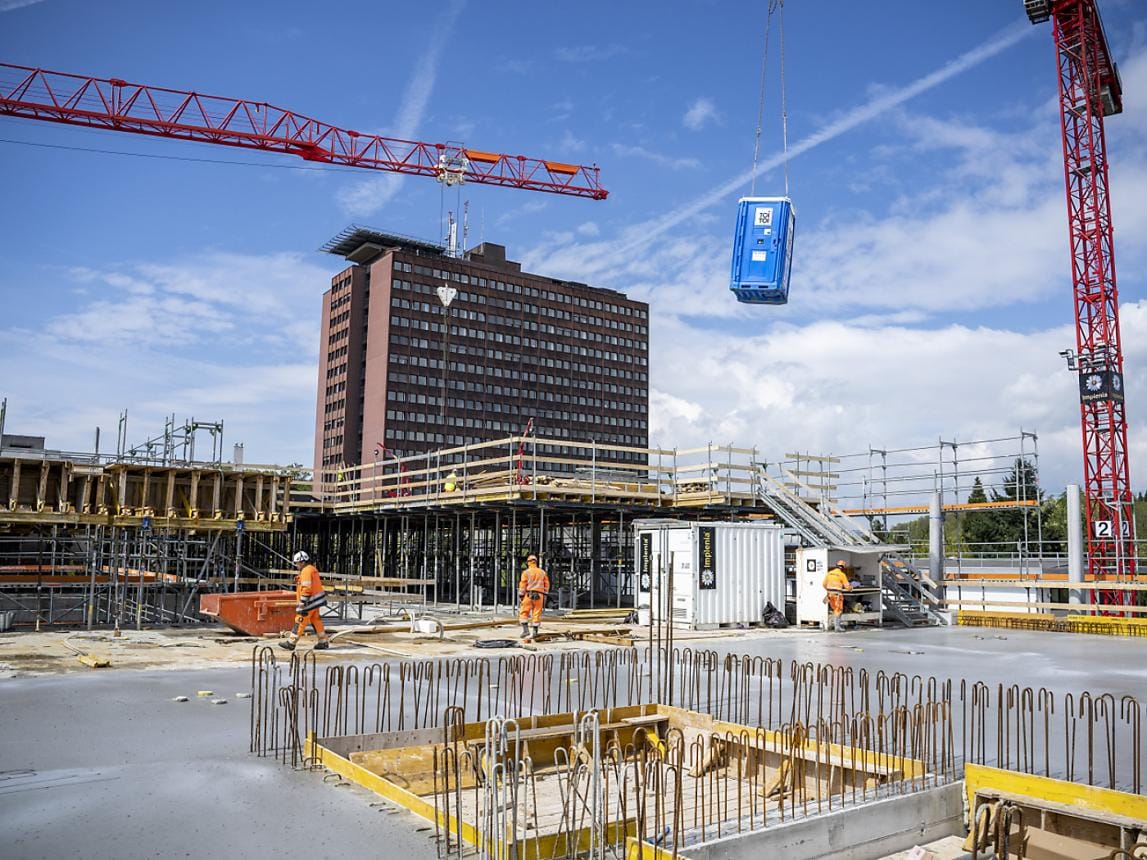
The construction sector performed comparatively better during the same period. Production increased by 0.8%, continuing a modest recovery trend seen in late 2025. Building construction grew by 2.8% and civil engineering by 3.8%, although other construction activities saw a slight decline of 0.6%.

Overall turnover in construction rose by 1.5%, suggesting steady demand in infrastructure and housing projects despite broader economic challenges.

Economists note that while Switzerland continues to maintain stability in certain high-tech and construction segments, the sharp decline in industrial output reflects ongoing global supply chain pressures and weaker international demand.

Financial Pressure Growing Among Switzerland’s Middle Class.

Financial pressure is increasing for many middle-class families in Switzerland, according to new data released by the Federal Statistical Office.

Although the majority of people in Switzerland are classified as middle income, many households are struggling with financial insecurity and rising living costs.

The Federal Statistical Office reported that around one in four people in the lower middle class would be unable to cover an unexpected expense of CHF 2,500 (approximately $3,200).

The findings are based on Switzerland’s household budget survey and research into income and living conditions.

According to the FSO, approximately 4.9 million people in Switzerland belonged to the middle-income category in 2024.

The classification includes single adults earning between CHF 4,228 and CHF 9,061 per month, as well as couples with two children earning a combined gross monthly income between CHF 8,800 and CHF 19,028.

However, the data show that financial difficulties are especially severe among the lower middle class, which represents roughly 2.3 million residents.

This category includes single individuals earning below CHF 6,041 monthly and families with two young children earning less than CHF 12,685 combined income.

Experts say rising housing costs, healthcare expenses, inflation, and everyday living costs continue to place increasing pressure on middle-income households across Switzerland.

The report highlights growing concerns over financial vulnerability even among people traditionally considered economically stable.

Economists warn that continued increases in living expenses could further weaken household purchasing power and long-term financial security for many Swiss residents.