Greenpeace Warns on Swiss Russian Uranium Dependence.

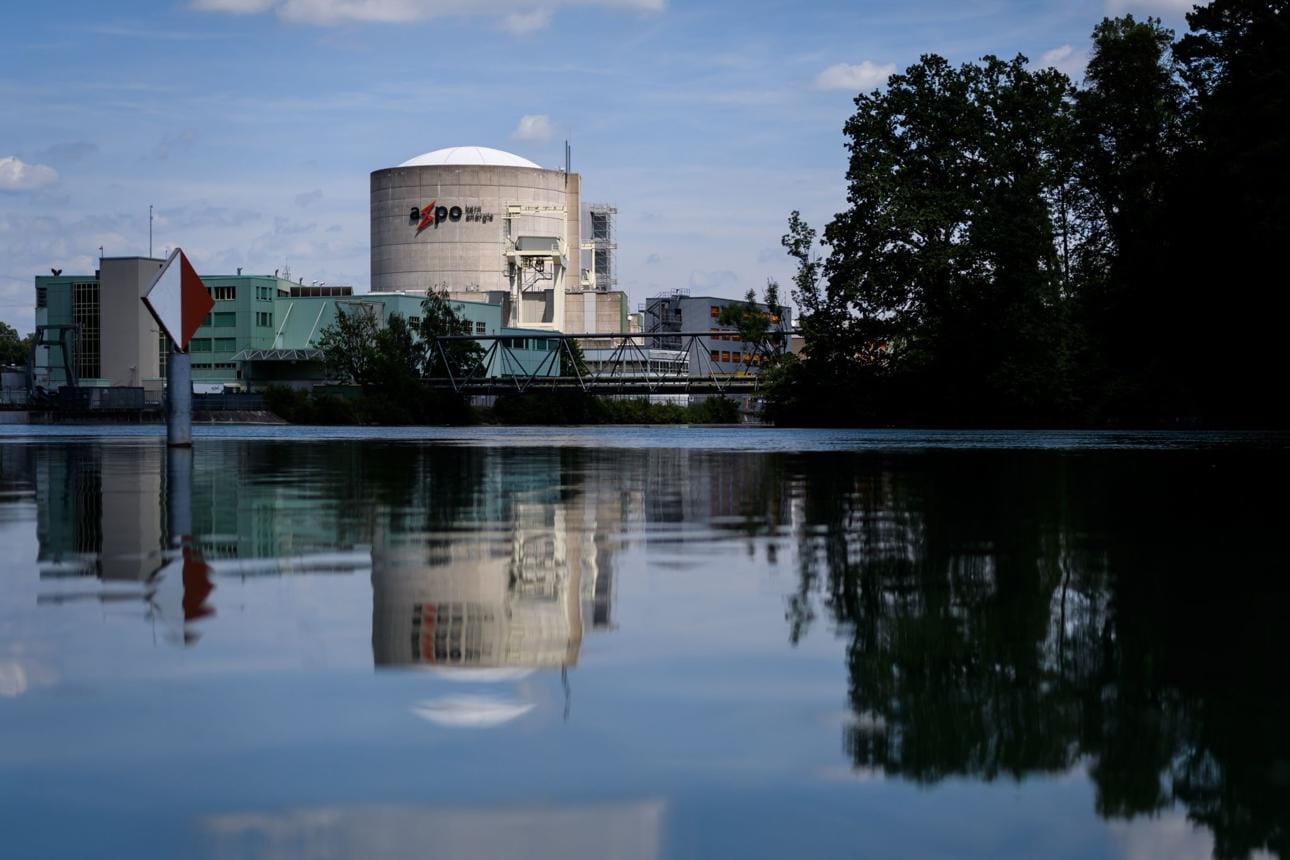
Environmental organisation Greenpeace claims Swiss nuclear power plants still depend heavily on Russian uranium supplies more than four years after the Ukraine war began. The group warns that changing uranium mining locations alone will not fully remove Switzerland’s energy links to Russia.

Swiss energy company Axpo previously announced a partnership with Kazatomprom, Kazakhstan’s leading uranium producer, to diversify nuclear fuel sourcing for Switzerland’s reactors.

According to Greenpeace, Russian nuclear giant Rosatom remains deeply involved in the global uranium supply chain. Much of the uranium mined in Kazakhstan still travels through Russia before reaching European markets, making complete independence difficult.

Greenpeace also highlights concerns about uranium traceability. During the enrichment process, uranium from different sources mixes together, making it nearly impossible to confirm the exact origin of nuclear fuel used in Swiss reactors.

The NGO argues that Switzerland’s continued reliance on nuclear energy increases geopolitical risks and leaves the country vulnerable to foreign influence. Greenpeace urges Switzerland to accelerate investment in renewable energy sources to achieve long-term energy independence.

However, Axpo rejects claims of ongoing Russian dependency. The company says its fuel supplies for the Beznau and Leibstadt nuclear plants have not depended on Russian sources since 2022 due to existing reserves and new contracts.

Axpo states that it signed new uranium procurement agreements in 2025 with suppliers from Canada and Kazakhstan. The company adds that uranium processing now takes place in countries including France, Germany, the Netherlands, Britain, and the United States.

The energy company further confirms that since spring 2026, it no longer maintains active contracts involving Russian uranium and says no direct or indirect payments flow to Russian entities.
Swiss Nuclear Power Plants Could Operate Up to 80 Years, New Study Finds

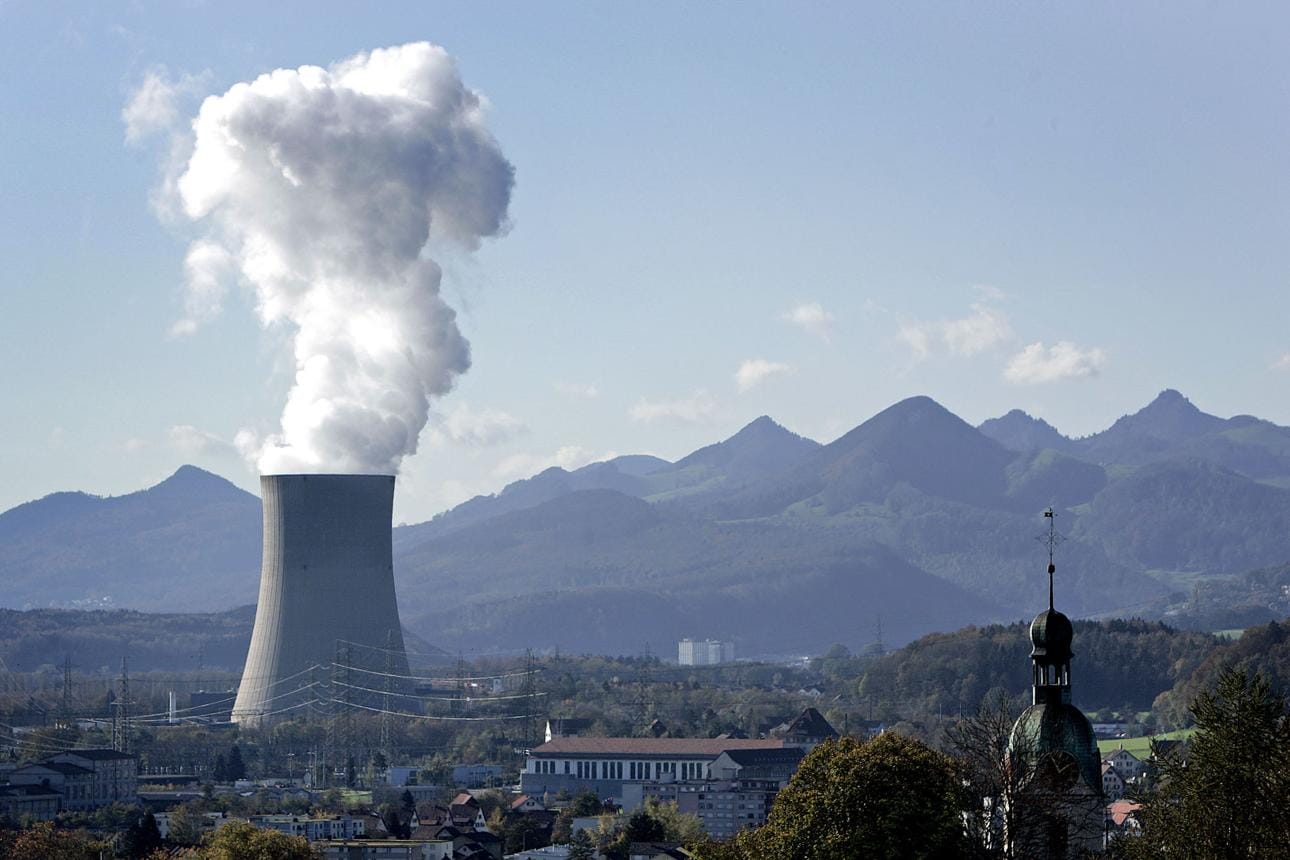
Switzerland is reconsidering the long-term future of its nuclear energy sector after a new government-commissioned study found that two major nuclear power plants could safely operate for up to 80 years.

The report focuses on the Gösgen Nuclear Power Plant and the Leibstadt Nuclear Power Plant, which were previously assumed to have economically viable lifespans of around 60 years.

According to the findings, extending their operational life by an additional 20 years is both technically feasible and largely economically viable, provided that necessary safety upgrades and maintenance investments are carried out.

The study was commissioned following a parliamentary request and has renewed debate about Switzerland’s long-term energy strategy, especially as the country continues to balance climate goals with energy security concerns.

The report suggests that the required modernization investments would likely be justified by continued electricity production, and it states that direct financial support from the government may not be necessary for long-term operation.

Energy industry leaders have supported the findings. Thomas Sieber stated that extending nuclear plant lifespans to 80 years appears technically realistic under proper maintenance and upgrades.

The discussion comes at a time when Switzerland is also reviewing its broader nuclear policy, including debates about whether to lift restrictions on building new nuclear power plants. Rising energy demand, climate change pressures, and geopolitical instability have all contributed to renewed interest in nuclear power across Europe.

If implemented, the extended operation of these plants could play a significant role in ensuring Switzerland’s electricity supply stability in the coming decades.

Axpo Urges Gas Power Plants to Secure Switzerland’s Energy Supply.

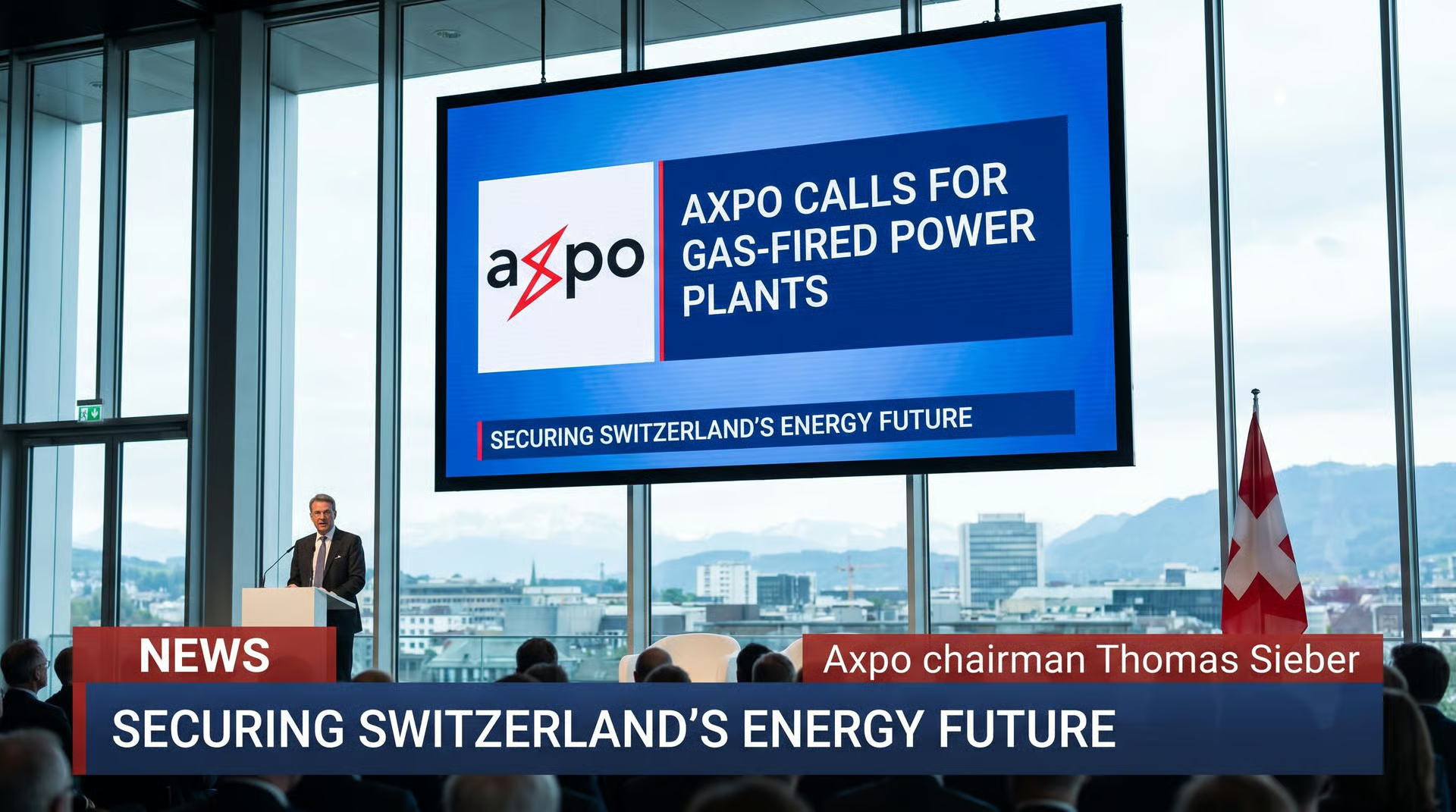
Axpo, Switzerland’s largest electricity producer, has called for the construction of three to four gas-fired power plants to strengthen the country’s long-term energy security.

Chairman Thomas Sieber says gas plants would provide a fast and flexible solution to balance Switzerland’s electricity grid, especially during winter when demand is high and renewable production drops.

The proposal aims to complement existing hydropower and renewable energy sources in Switzerland. According to Axpo, gas-fired plants can be built much faster than large hydro or nuclear projects and can quickly respond to sudden electricity shortages.

Energy experts warn that Switzerland faces a “winter electricity gap,” where domestic production is not always sufficient to meet demand. This challenge is expected to grow as electricity consumption increases due to electrification and new technologies such as data centers and artificial intelligence systems.

Axpo argues that gas plants could act as a backup system, ensuring stability when solar and wind power are not available. However, the proposal has sparked debate because it conflicts with Switzerland’s long-term climate and decarbonization goals.

The company also stresses the importance of maintaining existing nuclear power plants as part of the country’s energy mix, describing them as a cost-effective and stable source of electricity for the coming decades.

Swiss policymakers now face a difficult balance between energy security, environmental targets, and economic costs as they plan the country’s future power system.

Axpo Proposes Gas Power Plants to Secure Switzerland Electricity Supply

Axpo, one of Switzerland’s leading electricity producers, has proposed the construction of three to four gas-fired power plants to strengthen the country’s energy security.

According to Axpo Chair Thomas Sieber, Switzerland needs a balanced energy strategy that combines hydropower, renewable energy sources, and flexible gas-fired power plants to ensure a stable electricity supply, especially during winter months.

Sieber explained that gas-fired power plants offer a major advantage because they can be built relatively quickly and provide flexibility to support the national grid during peak demand periods. However, he emphasized that legal adjustments and supportive policies will be required to enable their construction.

At the same time, Switzerland continues to rely heavily on nuclear energy as a key part of its electricity system. The continued operation of existing nuclear power plants is considered essential for maintaining supply stability.

Axpo estimates that nuclear plants in Gösgen Nuclear Power Plant and Leibstadt Nuclear Power Plant could continue operating for up to 80 years with proper maintenance and approvals.

A critical decision regarding the future of the Gösgen nuclear plant must be made by 2029. If no extension is approved, it may be disconnected from the grid as originally planned.

Energy experts say Switzerland is focusing on a long-term strategy that balances renewable energy expansion with reliable backup sources to ensure energy security in the coming decades.