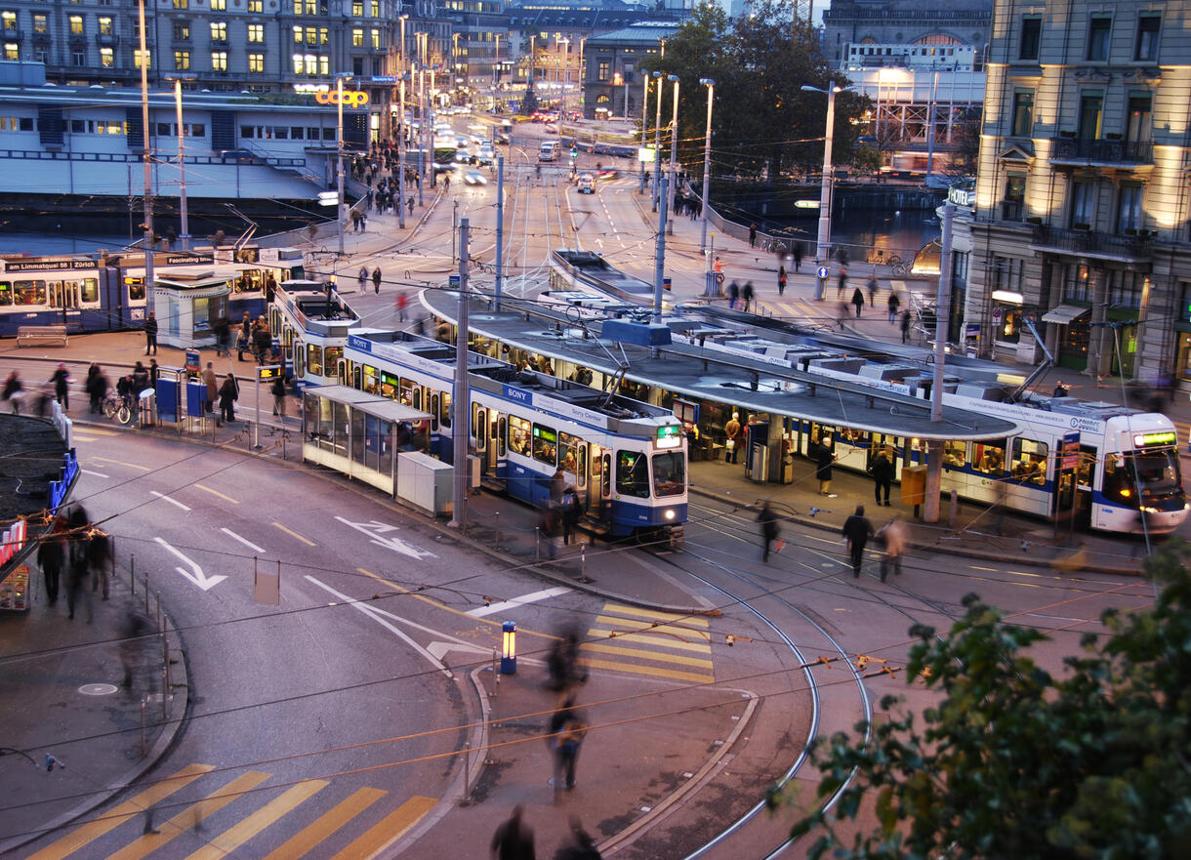
Switzerland Leads in Europe Transport Safety Ranking.

Switzerland has once again been ranked among the safest countries in Europe for public transport, according to data released by the Federal Office of Transport (FOT).

The report places Switzerland third in Europe for passenger safety in public transport systems, behind the United Kingdom and the Netherlands. The evaluation is based on safety performance across multiple transport modes, including trains, cable cars, ferries, trams, and buses.

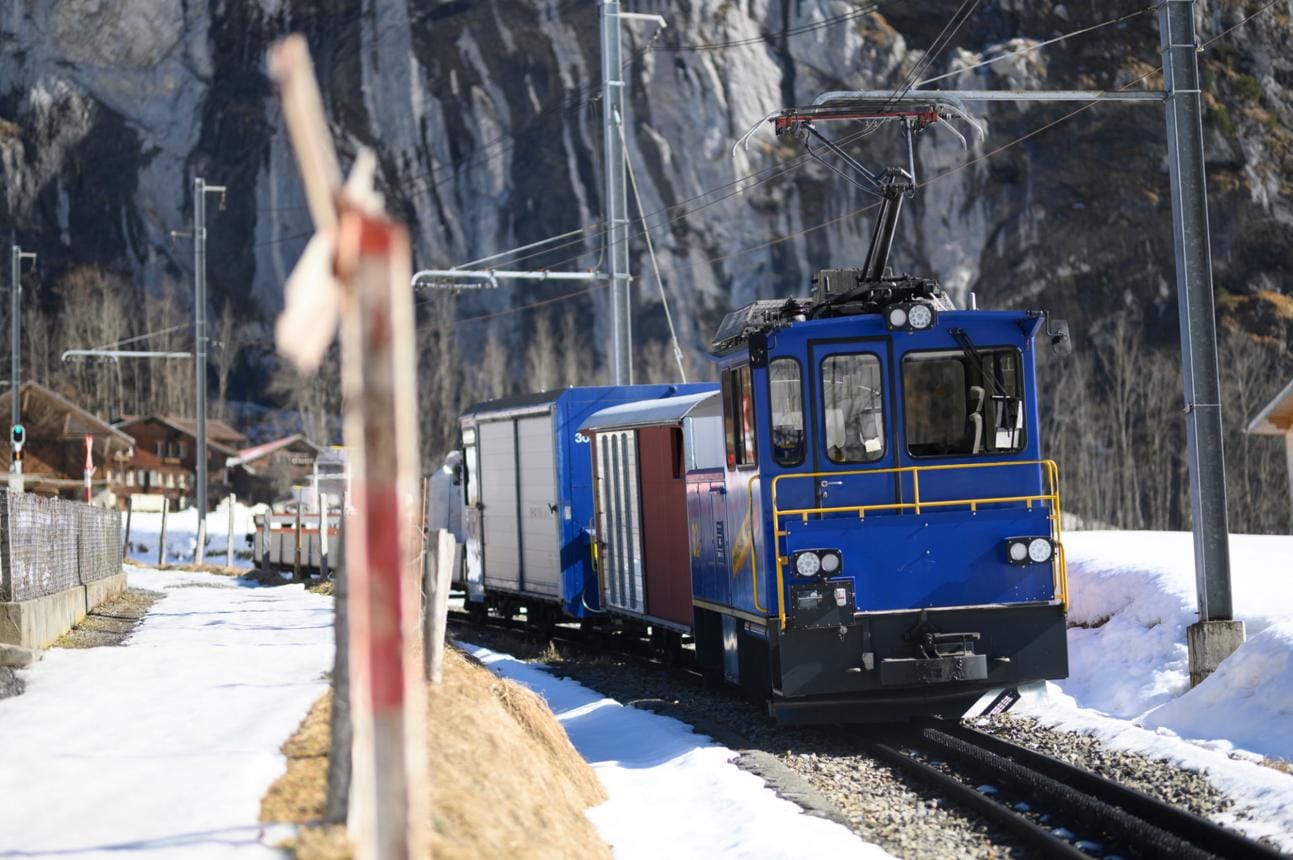
Officials confirmed that Switzerland’s railways, cable car networks, and boat services have maintained an excellent safety record in recent years, with no reported fatalities or serious injuries in these sectors. This strong performance highlights the country’s continued investment in transport infrastructure, maintenance, and safety standards.

However, the report also notes growing safety concerns in urban transport systems. In particular, tram and bus networks in major cities have seen an increase in serious injuries and, in some cases, fatalities in recent years. Authorities attribute this trend to rising urban traffic density, increased pedestrian movement, and complex road-sharing conditions in city environments.

Transport experts explain that while Switzerland’s long-distance and mountain transport systems remain highly secure, urban mobility presents new challenges. Higher population movement in cities, combined with congestion and mixed traffic conditions, has made safety management more difficult.

Despite these challenges, Switzerland continues to maintain one of the most reliable and well-regulated public transport systems in Europe. Authorities emphasize ongoing efforts to improve safety in urban areas through better infrastructure planning, awareness campaigns, and updated traffic regulations.

The latest ranking reinforces Switzerland’s reputation as a global leader in transport reliability and safety, particularly in rail and alpine transport systems.
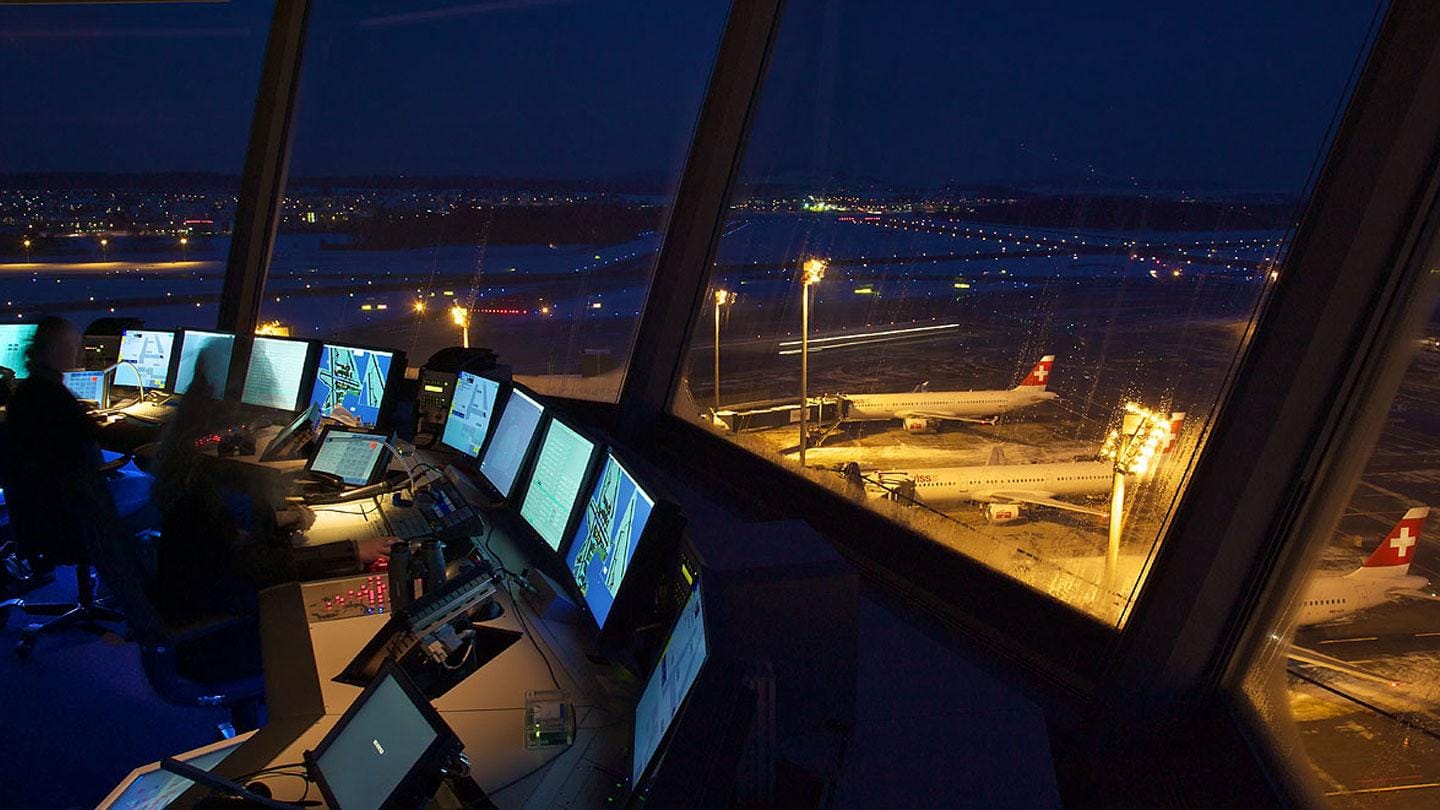
Swiss Air Traffic Controller Skyguide Plans Up

Skyguide has announced plans to reduce its workforce by up to 220 positions by the end of 2027 as part of a major restructuring aimed at improving financial stability and operational efficiency.

The Swiss air traffic control company is responding to rising personnel and systems costs, uncertain revenue forecasts, and increasing European efficiency requirements. Internal complexity has also been cited as a key reason for the planned changes.

The restructuring will be carried out in two phases. Around 90 jobs will be affected between September and November this year, followed by up to 130 additional positions between May and June 2027.

Sites including Geneva-Cointrin and the Dübendorf airfield are expected to be impacted by the cuts, although operational air traffic control roles will remain protected to ensure safety standards are maintained across Switzerland’s airspace.

Skyguide reported total expenditure of CHF 576 million in 2025, including CHF 382 million in personnel costs, highlighting the financial pressure driving the restructuring plan.

The company emphasized that safety and service continuity remain its top priorities. It stated that air traffic operations will continue without disruption throughout the restructuring process.

As part of a formal consultation procedure that began on Tuesday and runs until June 18, Skyguide is working with employee representatives to explore alternatives to job cuts. These include internal transfers, early retirement schemes, reduced external hiring, and limited recruitment.

Rising Fuel Prices Change Swiss Travel Habits, Survey Finds

Rising fuel prices are significantly changing travel behavior in Switzerland, as residents increasingly turn to public transport and more sustainable mobility options, according to a new survey.

A study conducted by Marketagent Schweiz found that 42.1% of respondents are now using public transport more often, while 35.2% report walking more frequently due to higher fuel costs.

The survey, based on 1,000 participants, also shows that 23.6% are cycling or using scooters more often, and 14.7% are working from home more regularly to reduce commuting expenses.

Despite growing concerns about persistently high fuel prices, more than half of respondents (56.9%) said they do not plan to switch to electric vehicles. Only 4.2% have already purchased an electric car, while 16.9% are considering doing so.

When asked about future car purchases, 32.6% of participants preferred hybrid vehicles. Petrol cars remained closely behind at 31%, while electric vehicles accounted for 26.1%. Diesel vehicles are declining in popularity, with just 7.1% of respondents considering them.

Industry data shows rising interest in electric mobility, with strong growth in searches and sales on platforms such as AutoScout24. However, the share of electric cars in overall registrations remains relatively stable at around 21.7%.

A separate analysis by Swisscharge highlights the cost advantage of electric vehicles. Charging an EV can cost around CHF 5.23 per 100 km, compared with CHF 11.08 for a petrol-powered car, especially when charging at home or at work.

Experts suggest that while cost pressures are encouraging behavioral change, long-term adoption of electric vehicles will depend on infrastructure expansion, affordability, and consumer confidence.

Swiss Rail Freight Restructuring Impacts Nearly 200 Employees

Swiss Federal Railways is reorganizing its freight operations, leading to major internal changes that will affect nearly 200 employees across Switzerland.

The restructuring focuses on strengthening wagonload freight services (TWCI), where wagons from different customers are combined into single freight trains to improve efficiency and reduce operational costs.

The Swiss government has assigned SBB’s cargo division a public service mandate, requiring it to improve performance and ensure long-term sustainability in freight transport.

Under the new plan, the company aims to make freight operations profitable by 2033. SBB stated that the revised system will become significantly more efficient starting in December, as part of a broader modernization strategy.

As part of the restructuring, employees will either be relocated, retrained, or integrated into subsidiary companies or partner networks. The company emphasized that redundancies will remain rare and will be considered only as a last resort.

Around 30 employees in French-speaking regions of Switzerland are directly affected, with support measures offered to help them transition into new roles within or outside the organization.

The freight overhaul reflects Switzerland’s efforts to strengthen its logistics infrastructure while adapting to changing transport demands and financial pressures in the rail sector.

Driverless PostBus Hits Swiss Bank in Nunningen

A driverless public transport bus operated by PostBus Switzerland crashed into a bank building in Nunningen on Thursday evening, causing significant property damage but no injuries.

According to the cantonal police, the articulated autonomous bus began rolling for reasons that are still under investigation at around 8:35 pm while it was stationary at a stop on Zullwilerstrasse.

The vehicle crossed a traffic island before colliding directly with the façade of a local bank branch. Authorities confirmed that both the building and the bus sustained considerable damage in the impact.

Emergency services responded quickly to the scene, but no passengers or bystanders were injured in the incident.

Police in Switzerland have launched an investigation to determine what caused the driverless vehicle to move unexpectedly. Technical failure, system malfunction, or braking issues have not been ruled out at this stage.

Driverless and semi-autonomous public transport systems have been increasingly tested across Switzerland and Europe as part of efforts to modernise urban mobility and improve efficiency. However, the incident highlights ongoing safety challenges associated with autonomous transport technologies.

Authorities have not yet confirmed whether the bus was in fully autonomous mode at the time of the accident or whether a remote operator was monitoring the system.

The investigation is ongoing, and further technical assessments are expected in the coming days.

Switzerland Fuel Prices Drop Slightly as Oil Market Eases

Fuel prices in Switzerland have fallen slightly in recent days, offering limited relief to motorists after months of elevated energy costs.

According to the Touring Club Switzerland (TCS), the average national fuel prices during the week stood at CHF1.89 per litre for unleaded 95 petrol, CHF2.00 for unleaded 98, and CHF2.14 for diesel.

Compared with the end of April, petrol prices have dropped by CHF0.01, while diesel prices declined by CHF0.03 per litre. Despite the decrease, fuel remains significantly more expensive than before the escalation of tensions in the Middle East earlier this year.

Before the regional conflict intensified, fuel prices at the end of February averaged CHF1.

67 for unleaded 95, CHF1.78 for unleaded 98, and CHF1.79 for diesel. Current prices therefore remain roughly 13% higher for petrol and more than 20% higher for diesel.

The TCS says stronger industrial demand has contributed to the sharper increase in diesel prices compared with petrol.

Global oil prices have also eased slightly. A barrel of Brent crude traded at just under $108 this week, down around $10 from late April levels.

Oil markets had surged earlier after concerns over conflict in the Middle East and fears surrounding possible disruptions to the strategically important Strait of Hormuz shipping route.

The TCS noted that actual fuel prices can vary across Swiss regions and petrol stations, as its published figures are based on estimates and market sampling.

Although prices have softened slightly, Swiss consumers continue to face elevated transport and energy costs compared to earlier in the year.

Long Traffic Jams Build Early at Switzerland’s Gotthard Tunnel.

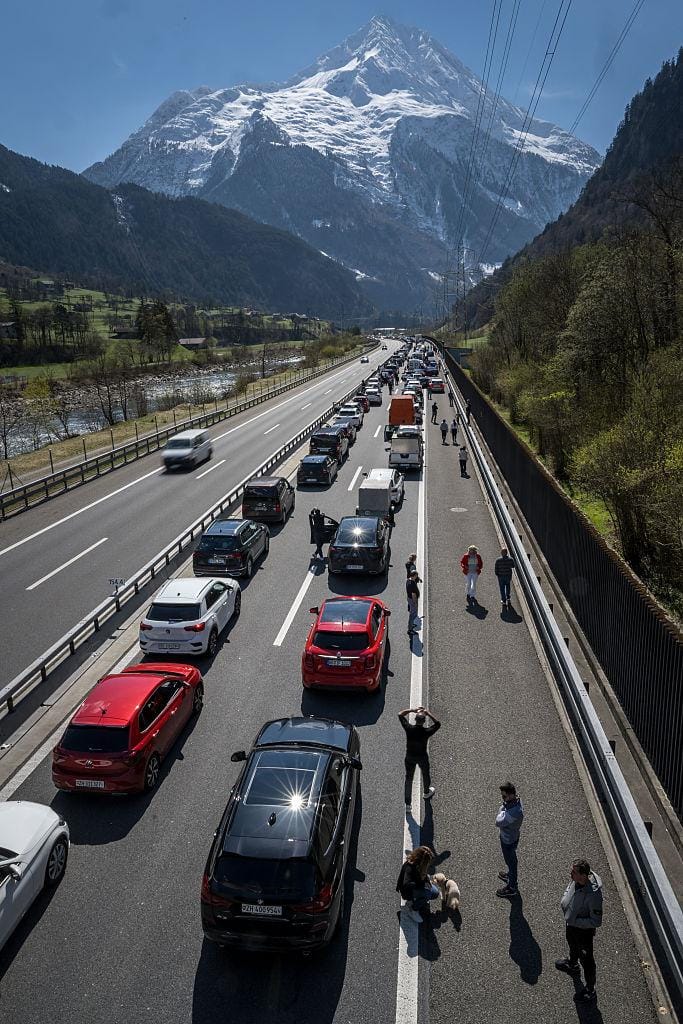
Heavy traffic congestion has already formed at the northern entrance of the Gotthard Road Tunnel as holiday and transit traffic intensifies across Switzerland.

According to the Touring Club Switzerland (TCS), a queue measuring approximately 9 kilometres had developed at the north portal by 7:20am on Thursday morning.

Motorists faced waiting times exceeding 90 minutes before entering the tunnel. Traffic authorities reported that the line of vehicles was divided into several sections between Erstfeld and Göschenen.

Drivers heading south were advised to use the alternative route via the A13 motorway and the San Bernardino Tunnel to avoid severe delays.

Traffic pressure at the Gotthard route has remained high in recent days. On Wednesday afternoon, authorities had already recorded a traffic jam stretching around 10 kilometres at the same location.

The Gotthard corridor is one of Europe’s most important north-south transit routes, particularly during holiday periods and long weekends, often leading to significant congestion at tunnel access points.

Swiss traffic authorities continue to monitor the situation and recommend that travelers check live traffic updates before beginning their journeys.

Switzerland Joins Rhine Transport Network.

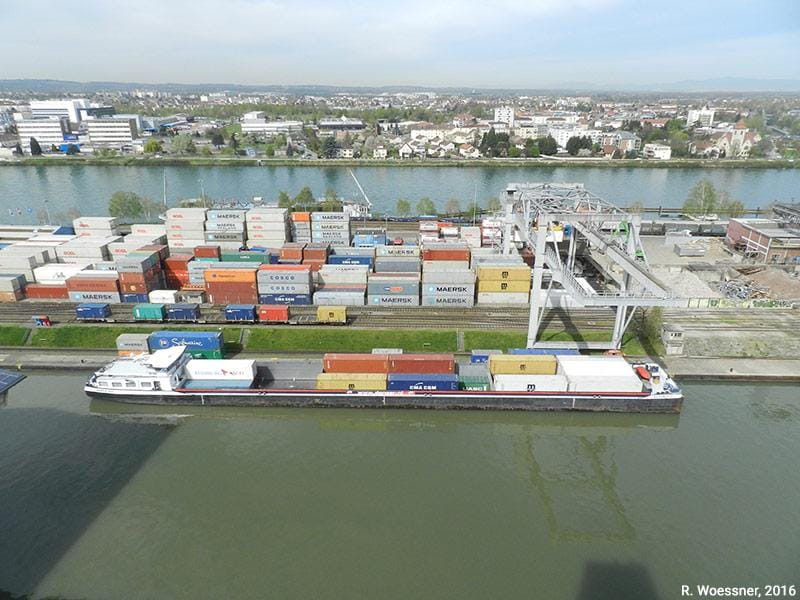
The agreement was finalized through the signing of the European Corridor Management Agreement (ECMA) by Port of Switzerland (SRH) during a meeting of the European River Information Services (EuRIS) in Basel.

The EuRIS platform provides real-time shipping information including traffic conditions, waiting times, route disruptions, and navigation updates. Swiss authorities say the move will improve coordination and logistics efficiency across the Rhine corridor.

With Switzerland’s participation, all sections of the Rhine River are now integrated into the European system, creating more complete cross-border transport monitoring for commercial shipping operators.

Swiss waterway data is expected to become available on the platform in the coming months. The EuRIS system was launched in 2022 and currently connects over 29,500 kilometres of European waterways across 13 countries.

Switzerland’s three Rhine ports with direct access to the sea are located in Basel, Birsfelden, and Muttenz. These ports play a major role in the country’s freight transport infrastructure.

According to the SRH, around 80 port companies rely on the Rhine ports to manage goods transport by rail and road, as well as storage and logistics operations.

In addition to infrastructure management, Swiss Rhine authorities are responsible for overseeing navigation safety and ensuring compliance with both national and international shipping regulations.

The agreement highlights Switzerland’s growing integration into European transport coordination systems and reinforces the importance of the Rhine as a strategic trade route for the continent.

Direct Train Between Switzerland and London Moves Closer After Rail Agreement.

Plans for a direct high-speed train connecting Switzerland and London have moved closer to reality after a major cooperation agreement between leading European rail operators.

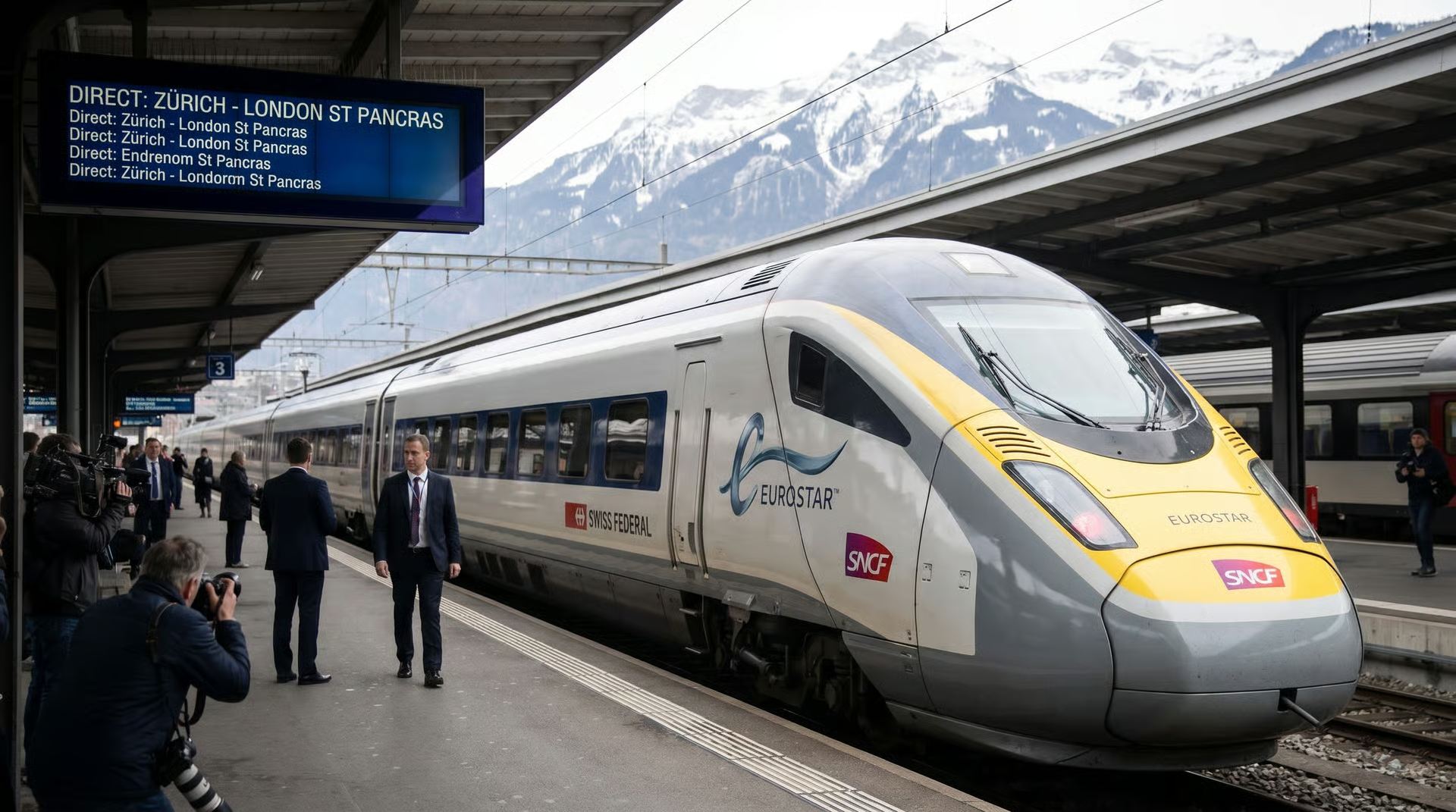
Swiss Federal Railways, SNCF Voyageurs, and Eurostar have signed a Memorandum of Understanding (MoU) to explore the feasibility of launching a direct rail service between Switzerland and the UK.

The agreement focuses on studying timetables, operational planning, and technical requirements needed to operate a seamless cross-border rail connection. Officials say this marks a significant step toward turning the long-discussed idea into a practical transport service.

If implemented, the route could allow passengers to travel between Swiss cities such as Zurich and Geneva directly to London without changing trains in Paris or Brussels. Early projections suggest journey times of around 5.5 to 6 hours, making rail travel a strong competitor to short-haul flights.

Transport experts say the project is part of a broader European effort to expand sustainable travel options and reduce carbon emissions. Rail travel is widely considered more environmentally friendly than air travel, with significantly lower CO₂ output per passenger.

However, the project still faces major challenges, including regulatory approvals, border control procedures, and technical requirements for Channel Tunnel operations. Experts say full implementation is unlikely before the 2030s.

Despite the hurdles, the agreement signals growing political and industrial support for expanding high-speed rail connectivity across Europe.

Swiss Travel Safety Concerns Rise in 2026

A new survey reveals that people in Switzerland are becoming increasingly concerned about safety when travelling abroad, even as demand for holidays remains strong.

Despite growing concerns, travel demand continues to recover. The proportion of people reducing or avoiding travel has dropped from 61% last year to 49%, indicating that a majority of Swiss residents still plan to travel abroad.

The survey highlights that political instability and global conflicts are the main factors influencing travel decisions. Around two-thirds of respondents cited these risks, leading to a noticeable shift toward European destinations, while interest in North America has declined.

Travel habits are also evolving. The preference for private cars has decreased significantly—from 67% two years ago to 51% today. Cars are now almost equally preferred alongside airplanes (51%) and trains (50%), reflecting a more balanced approach to transportation.

The study was conducted between February and March, covering more than 1,000 participants across Switzerland’s German-, French-, and Italian-speaking regions, along with additional TCS members.