Jio to Introduce AI Assistant for Users, Announces Akash Ambani

Reliance Industries has announced a major digital upgrade for Jio users with the introduction of a new AI-powered assistant and a redesigned MyJio application. The announcement was made by Akash Ambani during the company’s 49th Annual General Meeting.

The new system will include a Jio AI Call Agent and a fully upgraded MyJio AI platform designed to simplify how users interact with telecom services. A key feature of this system is that it will be directly integrated into Jio’s telecom network, eliminating the need for a separate application.

Users will be able to activate the assistant simply by saying “Hey Jio,” making the service accessible through voice commands. Once activated, the AI can convert speech into text during phone calls, with user permission, enabling real-time transcription of conversations. The system is also capable of supporting group calls with up to 10 participants, accurately identifying individual speakers and converting their speech into text. It can further translate conversations into different languages based on user preference, improving accessibility and communication.

After calls are completed, the AI assistant will automatically generate summaries, key discussion points, task lists, and reminders. These can then be shared with all participants, making communication more organized and efficient.

Beyond calls, the assistant will allow users to perform tasks such as ordering food, booking taxis, and completing payments directly during conversations. This represents a shift toward fully integrated voice-based digital services.

The upgraded MyJio app will also remove the need for users to navigate multiple menus. Instead, users can simply speak their request, and the AI will handle tasks such as mobile recharges, account checks, and service management.

For international travelers, the system will provide real-time roaming suggestions, recommended data packs, and alerts. It will also simplify processes like eSIM activation and digital KYC verification.

According to the announcement, the service is expected to be rolled out to more than 500 million Jio users by the end of the year, making it one of the largest AI deployments in the telecom sector.

Why Jeff Bezos Throws Out AI Job Loss Fears.

Amazon founder Jeff Bezos has stated that artificial intelligence (AI) will not reduce job opportunities but instead create new ones across multiple industries. He shared this optimistic outlook while speaking at the VivaTech conference in Paris.

Bezos rejected concerns that AI would make humans redundant in the workforce. Instead, he argued that the technology will increase productivity, drive innovation, and generate demand for new types of employment.

According to Bezos, AI will enhance efficiency across industries and make it easier to develop new products and services. He suggested that rather than causing unemployment, AI could even lead to labor shortages in certain sectors due to increased demand.

He also highlighted his new AI initiative called “Prometheus,” which is designed to improve manufacturing speed and streamline industrial processes. The project is expected to play a major role in advancing automation and productivity in the coming years.

In addition to AI developments, Bezos discussed his space company Blue Origin and reiterated his long-term vision of establishing the Moon as a permanent base for human activity.

He acknowledged recent challenges faced during testing of the New Glenn rocket but expressed confidence that the system will soon return to successful launches.

Bezos emphasized that despite rapid advancements in AI, robotics, and space technologies, human involvement will remain essential. He believes these innovations will not replace people but instead expand opportunities and create entirely new industries.

Skyguide Glitch Disrupts Flights at Zurich Airport

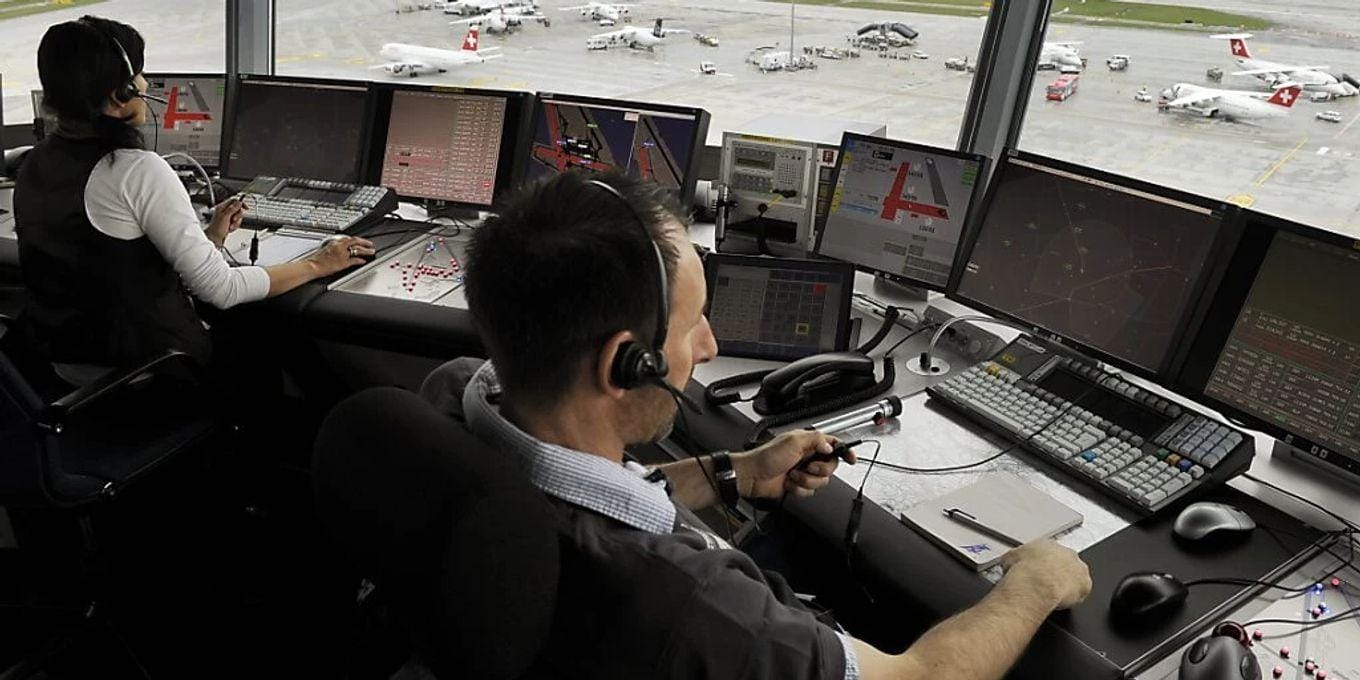
Flight operations at Zurich Airport were significantly disrupted on Sunday morning following a technical fault at Switzerland’s air traffic control provider, Skyguide. The issue led to widespread delays and a temporary closure of parts of Swiss airspace.

According to airport officials, airspace east of Bern was closed for several hours as a precaution while engineers worked to identify and resolve the problem. The disruption impacted both incoming and outgoing flights at Switzerland’s busiest airport.

Authorities confirmed that no take-offs were possible during the initial phase of the disruption. Landings were still permitted until 06:45 am, after which operations were heavily restricted.

Skyguide reported that overall air traffic capacity was reduced to around 40% at approximately 08:00 am. Flight operations began to gradually resume from 07:45 am, although delays continued throughout the morning. A spokesperson for Zurich Airport, Livia Caluori, stated that the situation remained fluid as operations slowly returned to normal. The full scale of the disruption, including the number of affected flights and passengers, was initially unclear.

Skyguide confirmed that the incident was caused by a technical malfunction within its systems. A crisis management team was immediately activated to handle the situation and ensure passenger safety.

The company stated that the decision to close parts of Swiss airspace was taken as a precautionary measure to protect passengers and aircraft while technical teams worked to restore normal operations.

Investigations are ongoing to determine the exact cause of the failure and to prevent similar incidents in the future.

Swiss Wine Import Restrictions Face Strong Opposition

A Swiss government proposal aimed at supporting domestic wine production is facing growing criticism from wine merchants and trade organisations across the country. The plan seeks to limit access to wine import tariff quotas to businesses that actively purchase and process Swiss-grown grapes.

The proposal forms part of a revision to Switzerland’s Wine Ordinance and is intended to strengthen the local wine sector, which has faced economic challenges in recent years. The public consultation on the measure concluded on June 18, with stakeholders expressing sharply divided views.

Supporters of the proposal argue that the measure would provide much-needed support to Swiss winegrowers. Around 1,000 wine producers and industry group VignobleSuisse have backed the plan, stating that local vineyards are under increasing financial pressure due to competition from imported wines.

Winegrowers believe that encouraging businesses to source Swiss grapes will help protect domestic production, preserve agricultural jobs, and strengthen Switzerland’s wine industry in the long term.

However, several trade associations have voiced strong opposition. The Swiss Wine Trade Association and other industry groups warn that restricting import quotas could distort market competition and reduce consumer choice.

Critics argue that the proposal may lead to higher wine prices for consumers and place additional pressure on importers and retailers. They also believe the new rules could create unfair advantages for certain businesses while making it more difficult for others to compete.

The debate highlights the challenge of balancing support for local agriculture with maintaining an open and competitive marketplace. Similar discussions are taking place in many countries as governments seek ways to protect domestic producers while avoiding market disruptions.

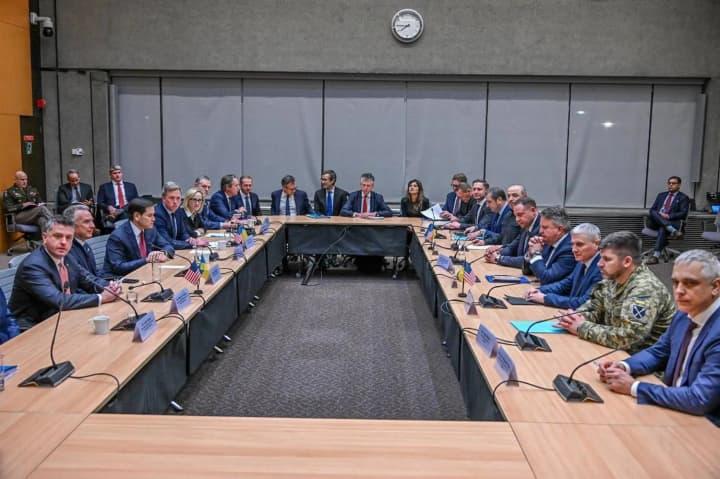
US-Iran Peace Talks Begin in Switzerland

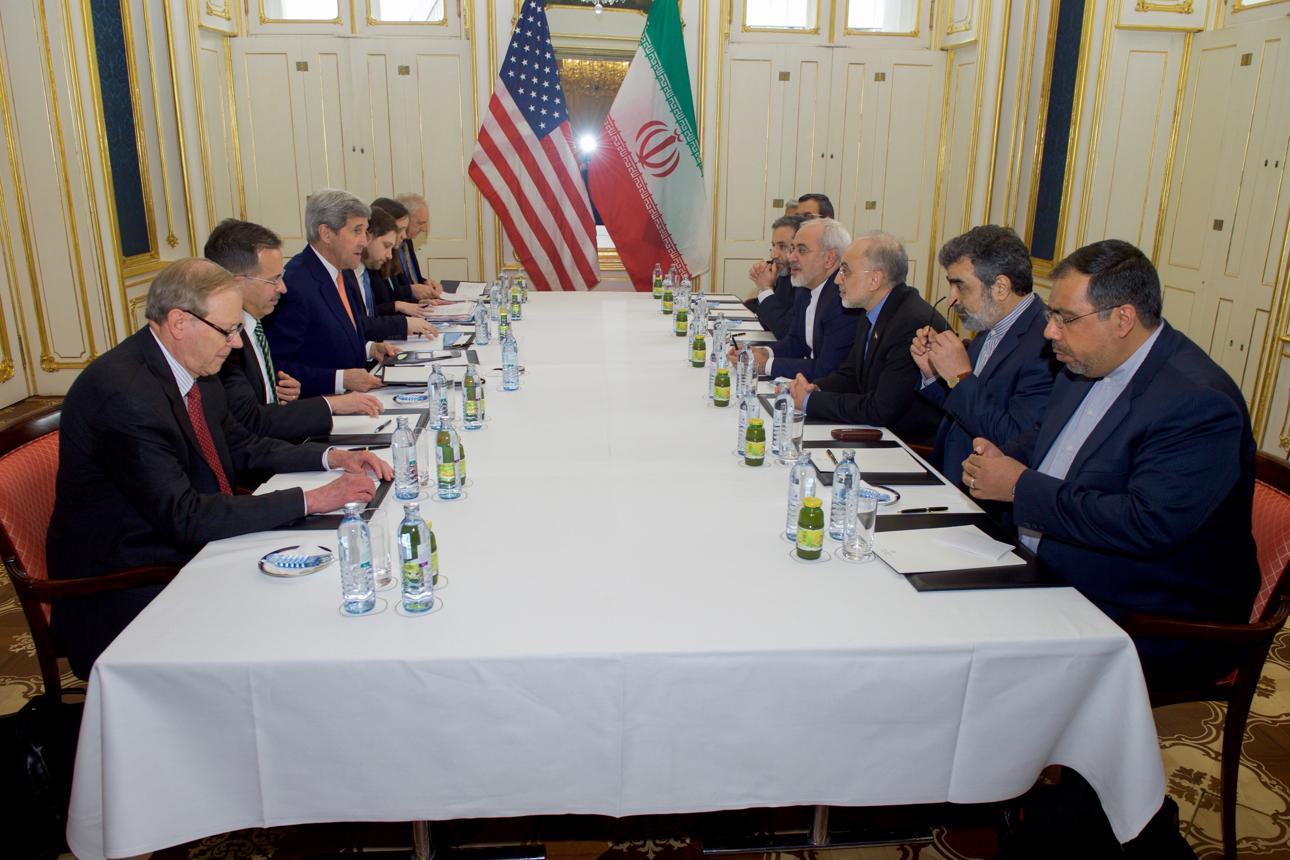
Switzerland has once again become the centre of international diplomacy as high-level peace talks between the United States and Iran begin today. The negotiations are expected to focus on regional security, nuclear concerns, and efforts to reduce tensions in the Middle East.

A senior Iranian delegation has arrived in Switzerland to participate in the discussions, while US Vice President JD Vance has also reached Geneva ahead of the crucial meetings. The talks are being closely watched by governments and financial markets around the world.

The negotiations come at a sensitive time, as tensions remain high across the Middle East. Although both sides had reportedly agreed to a 60-day ceasefire framework while diplomatic discussions continued, recent developments have raised fresh concerns.

Iran’s Islamic Revolutionary Guard Corps announced on Saturday that the Strait of Hormuz had been closed. However, US military officials rejected those claims and stated that commercial shipping traffic continues to move through the strategic waterway.

The Strait of Hormuz is one of the world’s most important maritime trade routes, carrying a significant portion of global oil and energy supplies. Any disruption in the region could have major economic consequences worldwide.

Diplomatic sources believe the Switzerland talks could play an important role in reducing tensions and creating a path toward broader agreements on security and regional stability.

Switzerland has a long history of hosting sensitive international negotiations due to its policy of neutrality and reputation as a trusted diplomatic venue. Geneva, in particular, remains one of the world’s leading centres for peace talks and conflict resolution.

Political analysts say the outcome of the discussions could influence not only US-Iran relations but also the wider security situation across the Middle East in the coming months.

Thousands Gather for 550th Anniversary of Battle of Murten

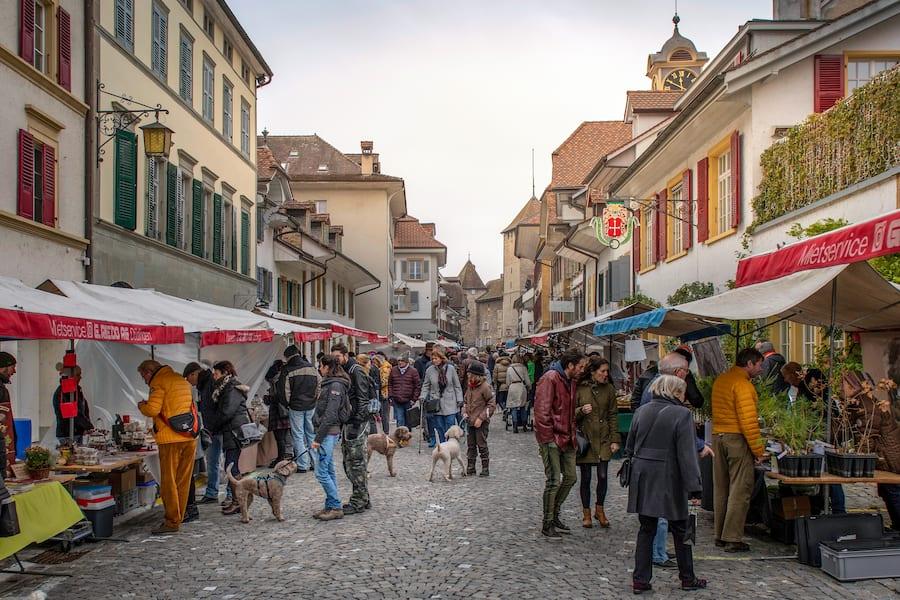
Thousands of people gathered in the Swiss town of Murten to commemorate the 550th anniversary of the historic Battle of Murten, one of the most significant events in Swiss history. The celebrations attracted around 5,000 participants and visitors from across the country.

The Battle of Murten took place on June 22, 1476, and remains an important symbol of Swiss heritage and unity. To mark the milestone anniversary, the town hosted a series of official ceremonies, cultural events, and historical activities.

Representatives from several Swiss cantons attended the celebrations, alongside Swiss Defence Minister Martin Pfister and local political leaders. Despite extremely warm weather conditions, organisers reported that the event proceeded smoothly without major disruptions.

The commemorative programme began with a prayer service at the Pantschau meadow on the shores of Lake Murten. Participants then took part in a wreath-laying ceremony to honour those connected to the historic battle.

A large procession through the medieval streets of Murten followed, featuring speeches from national and regional leaders. Officials highlighted the historical significance of the battle and its lasting impact on Swiss identity.

The cantons of Fribourg, Vaud, and Bern were given special recognition during the event due to their historical connection to the Battle of Murten and other major conflicts of the same period, including the Battle of Grandson.

The celebrations also included a variety of public activities. A special “White Brunch & Party” organized by Murten Tourism attracted more than 600 guests dressed entirely in white, creating a unique visual spectacle.

Visitors were also able to explore a medieval camp, historical market, and entertainment areas designed to recreate elements of 15th-century life. Traditional shooting competitions and youth festivals are scheduled to continue as part of the wider anniversary programme.

The commemorative events are being coordinated by the Grandson-Murten 2026 Association, which has planned 42 projects and activities running through October to celebrate the region’s rich historical heritage.

JD Vance Arrives in Switzerland for Iran Peace Talks

United States Vice President JD Vance has arrived in Switzerland to participate in high-level peace talks with Iranian officials at the Bürgenstock resort overlooking Lake Lucerne. The negotiations are expected to focus on Iran’s nuclear programme and efforts to reduce tensions in the Middle East.

Vance and his wife landed at Emmen Air Base early on Sunday morning before travelling to the summit venue. Speaking to reporters upon arrival, Vance expressed optimism about the discussions, saying he hopes progress can be made on both the nuclear issue and a potential ceasefire in Lebanon.

The American delegation includes Special Envoy Steve Witkoff and Jared Kushner, who arrived earlier to coordinate technical and diplomatic preparations for the negotiations.

Iran is represented by a senior delegation led by Parliament Speaker Mohammed Bagher Ghalibaf, who is acting as chief negotiator. Iranian Foreign Minister Abbas Araghchi is also participating in the talks.

Several regional players are involved in mediation efforts. Pakistan and Qatar have confirmed that they are sending representatives to support the negotiations.Pakistan’s Prime Minister Shehbaz Sharif is among the high-profile figures expected to contribute to diplomatic discussions.

The talks follow a memorandum of understanding previously signed by the United States and Iran, aimed at addressing key issues linked to regional stability and the broader Middle East conflict.

Negotiations were originally scheduled to begin earlier but were delayed because of renewed fighting between Israel and Hezbollah in Lebanon. The conflict has complicated diplomatic efforts and remains a major obstacle to progress.

Another key issue is the Strait of Hormuz, one of the world’s most important shipping routes. Iran has warned that it could consider closing the waterway if violence in Lebanon escalates further. The United States has stated that it remains committed to keeping the strategic route open.

Switzerland has long played a significant role as a neutral venue for international diplomacy. The Bürgenstock talks once again place the country at the centre of efforts to resolve major global challenges through dialogue.

Poll Shows Limited Support for Swiss Neutrality Initiative

A new opinion poll suggests that the Swiss Neutrality Initiative currently faces an uphill battle ahead of the national referendum scheduled for September 27. According to survey results, a majority of Swiss voters are not convinced by the proposal, with 54% indicating they would vote against it.

The poll, conducted by the Leewas Institute on behalf of Tamedia and 20 Minuten, found that only 34% of respondents support the initiative. Meanwhile, 12% remain undecided or have not yet formed an opinion.

The initiative, officially titled “Preserving Swiss Neutrality,” aims to define Switzerland’s neutrality as both permanent and armed. Supporters argue that the proposal would strengthen Switzerland’s traditional position of neutrality and keep the country out of military alliances and foreign conflicts.

Under the proposal, Switzerland would be prohibited from joining military or defence alliances. It would also restrict the country from imposing economic or diplomatic sanctions on countries involved in conflicts, except when required under United Nations obligations.

The initiative was launched by Pro Suisse and representatives of the Swiss People’s Party (SVP) following Russia’s invasion of Ukraine. Supporters believe Switzerland should maintain a stricter interpretation of neutrality in international affairs.

However, the proposal faces strong opposition from both the Swiss government and parliament. Neither institution supports the initiative, and no alternative proposal has been presented.

The poll indicates that support is concentrated primarily among Swiss People’s Party supporters, with approximately 72% of party members backing the measure. Younger voters living in rural areas are also more likely to support the initiative.

Opposition is strongest among supporters of the Green Liberal Party, the Greens, and the Social Democratic Party. Voters with higher education levels and those living in urban areas are generally more likely to reject the proposal.

The survey also revealed differences between male and female voters. Women were less likely to express a clear opinion, while men showed stronger support and opposition rates overall.

Heatwave Brings Tropical Nights Across Switzerland

Switzerland is currently experiencing a strong heatwave, with several regions reporting tropical nights where temperatures did not fall below 20°C. The unusually warm conditions are affecting many parts of the country, according to weather authorities.

In Basel, temperatures remained as high as 23.2°C overnight, while in St. Gallen it was already 24.5°C early in the morning, according to data from MeteoSwiss and Meteonews. These readings indicate persistent warmth even during nighttime hours.

Weather forecasts show that daytime temperatures are expected to exceed 30°C across much of Switzerland on Friday. In the coming week, meteorologists warn that temperatures could rise above 35°C in some regions, intensifying the ongoing heatwave.

Authorities have also raised concerns about the increasing risk of forest fires due to the combination of high temperatures and a lack of rainfall. Parts of the canton of Valais are currently under a high fire danger alert at level 4 out of 5.

Climate experts have noted that heatwaves of this intensity are becoming more frequent across Europe, raising long-term concerns about climate change and its impact on weather patterns in Switzerland.

Residents are being advised to stay hydrated, avoid prolonged exposure to direct sunlight during peak hours, and take necessary precautions to protect vulnerable groups such as the elderly and children.

Switzerland Introduces Driver Monitoring Cameras in New Cars

From July 7, Switzerland will begin introducing new regulations requiring driver monitoring systems in newly purchased cars. These systems use in-cabin cameras to observe driver behavior and improve road safety across the country.

The technology, known as Advanced Driver Distraction Warning (ADDW) or Driver Monitoring System (DMS), is designed to monitor the driver’s face and eye movements while the vehicle is in operation. The system can detect signs of fatigue such as yawning, blinking patterns, or loss of focus.

When the system identifies that a driver may be distracted or drowsy, it triggers an alert to warn the driver and encourage them to regain attention. This aims to reduce accidents caused by human error, fatigue, or inattention.

The camera is typically positioned facing the driver and continuously observes driving behavior in real time. Although drivers may have the option to disable the system, it is automatically reactivated every time the vehicle is restarted. These regulations are based on updated European Union vehicle safety standards, which focus on improving road safety through advanced driver-assistance technologies. Switzerland, which aligns closely with EU safety regulations, will implement these requirements in all newly registered vehicles.

Authorities say the introduction of this technology is part of a broader effort to reduce road accidents and improve transport safety standards across the country.

Supporters argue that the system could significantly reduce accidents caused by tired or distracted driving. However, some privacy concerns have also been raised regarding in-car monitoring technology.