Swiss Heatwave Alert Raised to Level 4

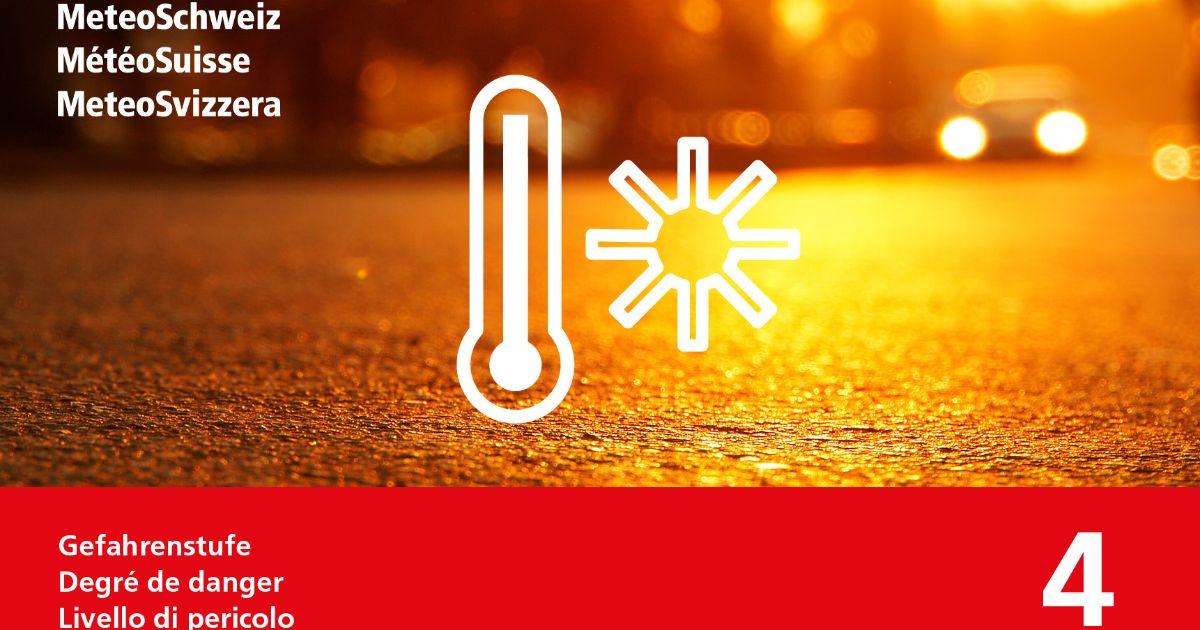
Switzerland has raised its heatwave warning to one of the highest alert levels as extreme temperatures continue to affect several regions across the country. According to MeteoSwiss, areas surrounding Lake Neuchâtel, Lake Biel, Lake Murten, Central Valais, and the Lake Geneva region have now been placed under a Level 4 heatwave alert.

The affected areas include Estavayer in the canton of Fribourg, Nidau and Ins in the canton of Bern, Plaine de l’Orbe and Cudrefin in the canton of Vaud, as well as the Lake Geneva region and Central Valais. These regions join northwestern Switzerland, including the Basel area and the Delémont Valley, which are already under the same high-level warning.

MeteoSwiss stated that a Level 4 alert indicates a prolonged period of extreme heat lasting at least three consecutive days, with temperatures remaining unusually high even during nighttime hours. The lack of cooling overnight increases the health risks associated with the heatwave.

Health officials warn that the current conditions could lead to circulation problems, dehydration, heat exhaustion, and significant physical discomfort, particularly among elderly people, children, and individuals with existing medical conditions.

Residents are advised to stay hydrated, avoid unnecessary outdoor activities during peak afternoon hours, seek shaded or air-conditioned environments whenever possible, and regularly check on vulnerable family members and neighbours. Swiss authorities continue to monitor the situation closely as the heatwave affects multiple cantons across the country.
Swiss Police Warn of Fake QR Parking Ticket Scam

Swiss police in the canton of Vaud have issued a public warning about a rapidly spreading new scam involving fake QR code parking tickets. Authorities say fraudsters are using modern digital methods to deceive residents and steal sensitive financial information.

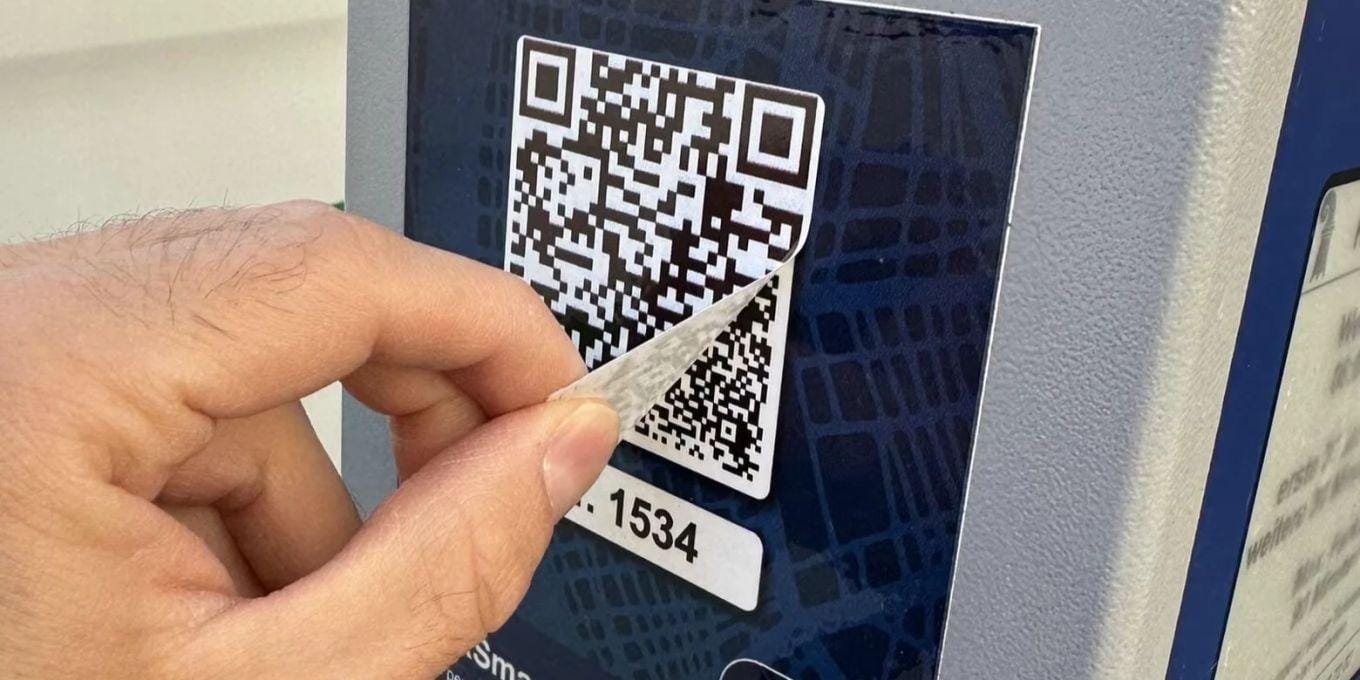
According to police reports, scammers are distributing fake parking tickets containing QR codes. These tickets appear legitimate and are designed to trick users into scanning them using their smartphones.

When the QR code is scanned, victims are redirected to a fraudulent website that imitates official services. The website then requests personal details and credit card information, which are used by criminals for financial fraud.

Police have warned residents not to trust unsolicited parking tickets or unknown QR codes. They emphasize that official parking fines and tickets are issued through verified channels and do not require sensitive personal or banking details through random web links.

Authorities in Vaud are urging the public to remain cautious and to report any suspicious tickets or messages immediately. They also advise citizens to verify any payment requests through official municipal or parking authority websites.

Cybercrime experts in Switzerland note that QR code-based phishing scams are increasing across Europe, as criminals take advantage of digital payment systems and public trust in QR technology.

The Swiss police continue to investigate the origin of the scam and are working to prevent further distribution of fraudulent tickets across the region.

Vaud Voters Approve Minimum Wage Principle in Constitution

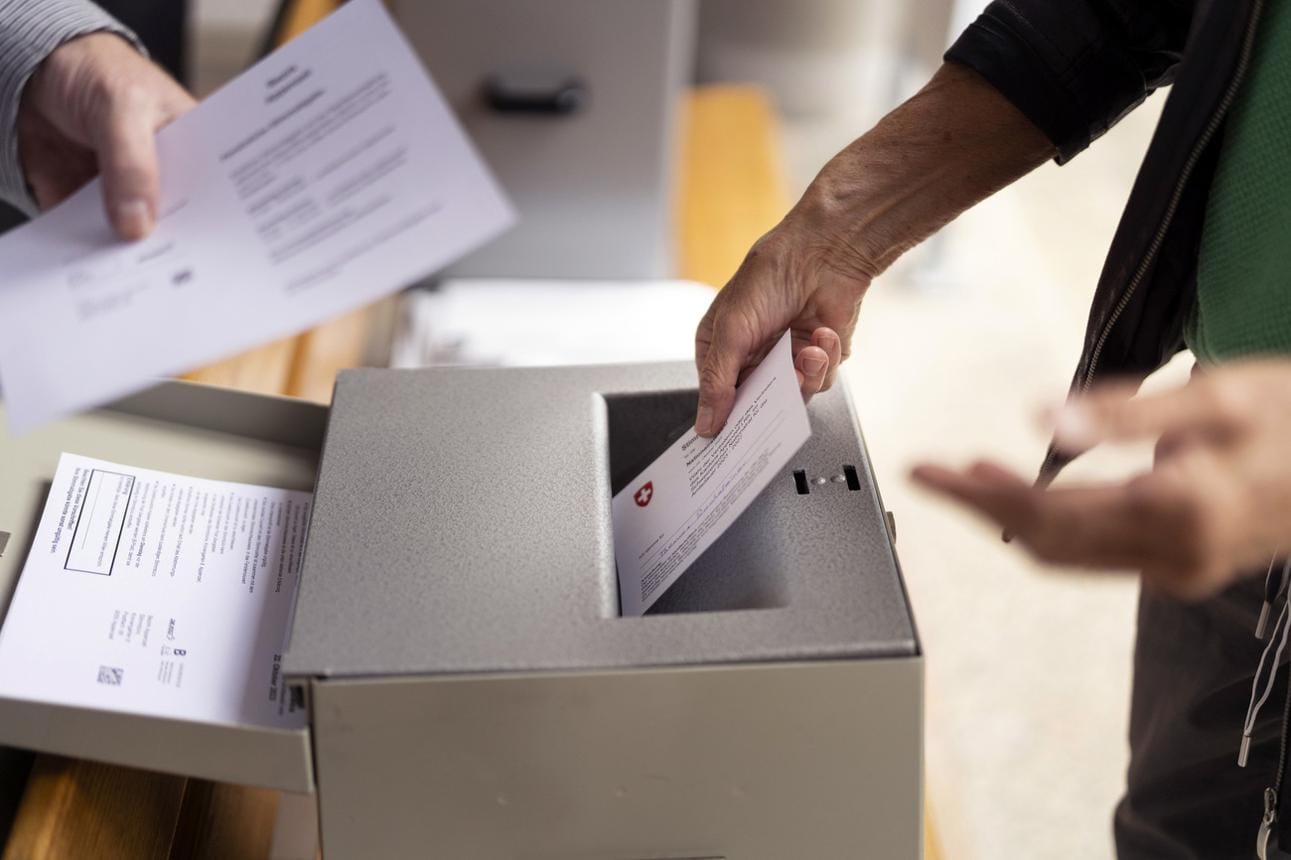
Voters in the Swiss canton of Vaud have approved the principle of a minimum wage by enshrining it in the cantonal constitution, marking a significant political victory for left-wing parties and trade unions.

However, voters simultaneously rejected the proposed legislation that would have introduced a minimum wage of CHF23 per hour, creating uncertainty about how the measure will be implemented in practice.

Mixed Result in Historic Vote

The constitutional initiative received support from 49.1% of voters, while 45.8% voted against it. More than 5% submitted blank ballots.

At the same time, the legislative proposal to establish a minimum wage of CHF23 per hour failed to secure majority support.

The cantonal government’s alternative proposal, which included the same wage level but gave priority to collective labour agreements and allowed several exemptions, was also narrowly rejected.

Voter turnout reached 54%, reflecting strong public interest in the issue.

New Legal Framework Required

With both legislative options rejected, the Vaud cantonal government must now develop a new legal framework to implement the constitutional requirement.

Supporters of the initiative described the result as an important symbolic victory because the principle of a minimum wage is now officially protected within the cantonal constitution.

Trade unions and political supporters have expressed willingness to work with authorities to find common ground on issues such as transition periods, exemptions, and the role of collective labour agreements.

Government Seeks Broad Consensus

The Vaud government acknowledged the outcome and announced that it would carefully analyze the voting results before consulting employers, unions, and other social partners.

Officials stated that the goal is to create a proposal capable of achieving broad political and public support while respecting the newly adopted constitutional provision.

Impact on Swiss Labour Policy

The vote highlights the continuing debate in Switzerland over minimum wages, workers’ rights, and the balance between state regulation and collective labour agreements.

While workers have not yet secured a legally defined minimum wage, the constitutional change ensures that the issue will remain a key topic in Vaud’s political agenda in the years ahead.

Swiss Army Mobilises 4,000 Soldiers for G7 Summit Security Near Evian.

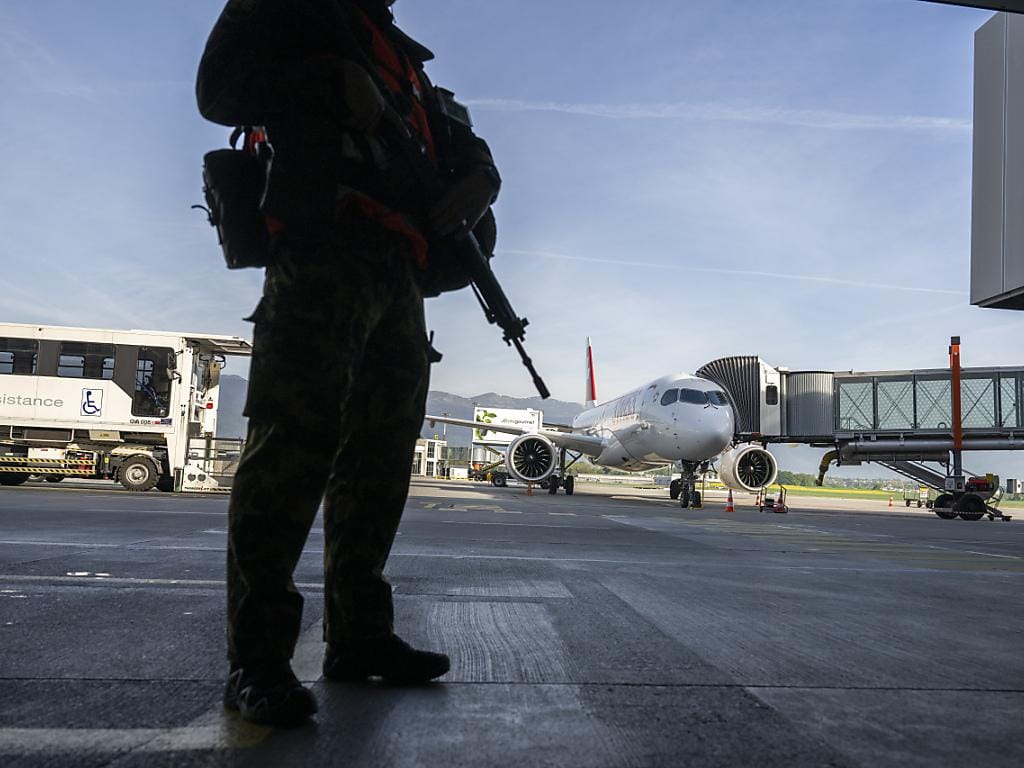
Switzerland will deploy nearly 4,000 soldiers to support security operations for the upcoming G7 Summit taking place in neighbouring France near Evian from June 12 to 17.

The Swiss Defence Ministry confirmed that military personnel will assist cantonal authorities in Geneva, Vaud, and Valais to strengthen security across the border region. The main objective is to support civilian police forces, allowing them to focus on maintaining public order during the high-profile international event.

Key security responsibilities will include the protection of sensitive infrastructure such as Geneva International Airport, as well as assistance with border security operations. The Swiss Air Force will also reinforce air policing, with temporary airspace restrictions in place from June 10 to 18.

Authorities expect many international delegates to arrive via Geneva Airport before traveling across Lake Geneva to Evian. As part of the operation, Swiss forces will monitor key transport routes, the lake area, and surrounding regions.

The army will also contribute cyber defence capabilities, drone countermeasures, and protection against nuclear, biological, and chemical threats. However, Swiss military forces will not be involved in maintaining public order, which remains the responsibility of cantonal police.

All 1,500 police officers in Geneva will be deployed, supported by reinforcements from other cantons. Specialized equipment, including high-capacity water cannons from Germany, will also be made available to assist crowd control if necessary.

The large-scale security operation follows a request from regional authorities, as the cantons of Geneva, Vaud, and Valais prepare for increased pressure during the summit period. Swiss President Guy Parmelin has noted that discussions are ongoing regarding whether France will contribute to the significant security costs incurred by Switzerland.

At the same time, tensions have emerged over planned protests. The “No to G7” coalition has criticized restrictions imposed by Geneva authorities on demonstration routes and conditions, calling them overly restrictive. While a march has been authorized for the right bank of Geneva on June 14, requests for a protest village in Parc des Bastions were rejected.

Organizers have expressed concern over policing measures and fear potential clashes, recalling violent protests during the 2003 G8 summit in the region. Despite disagreements, the coalition has confirmed it will proceed with the demonstration, stating its intention to show international solidarity and opposition to global leaders.

The G7 security operation marks one of the largest coordinated Swiss support efforts in recent years, highlighting the country’s strategic role in safeguarding major international events held just across its border.

Lady O Becomes First Swiss Winner of The Voice France.

Swiss singer Lady O has made history by becoming the first Swiss artist to win the French version of The Voice. The 19-year-old performer from the canton of Vaud secured victory in the 2026 edition of the popular television singing competition, broadcast on French channel TF1.

Coached by renowned French musician Florent Pagny, Lady O impressed both judges and viewers throughout the competition with her powerful vocals and unique artistic style. Her victory marks a significant achievement for Swiss music on an international stage.

During the grand finale, Lady O opened the show with a memorable performance of Tina Arena’s “Aller Plus Haut.” She later captivated the audience with her original song “Little Me,” showcasing her talent not only as a singer but also as a songwriter and producer.

The young artist also delivered impressive renditions of Billie Eilish’s “The Greatest” and Ginette Reno’s “Un peu plus haut, un peu plus loin,” further demonstrating her versatility and emotional depth as a performer.

Known off-stage as Oriane, Lady O comes from a family of winemakers in canton Vaud. Despite never receiving formal musical training, she developed her skills independently from a young age. Inspired by her father, a bassist, and her brother, a drummer, she built a self-taught career rooted in creativity and passion.

Today, Lady O writes, composes, and produces her own music, making her one of the most promising young talents in the French-speaking music world. Her victory on The Voice France is expected to open new opportunities and bring international recognition to the rising Swiss star.

The achievement has been widely celebrated across Switzerland, with many praising her dedication, originality, and remarkable journey from a self-taught musician to a national and international success story.

Switzerland Surpasses 18,000 Public EV Charging Points

Switzerland continues to strengthen its electric vehicle infrastructure, with more than 18,000 publicly accessible charging points now available across the country.

According to the Swiss Federal Office of Energy, there were 18,284 charging points operating at 8,535 locations nationwide as of April 2026. On average, each charging location offers just over two charging points.

Canton of Zurich leads the country in total charging infrastructure, with 2,692 public charging points. It is followed by Canton of Bern with 1,891 charging points and Canton of Vaud with 1,590.

Smaller cantons reported significantly fewer public charging facilities. Appenzell Innerrhoden recorded only 31 charging points, while Appenzell Ausserrhoden had 77 and Obwalden had 109.

The report also highlighted major differences in charging point usage across Switzerland. Canton of Zug showed the highest concentration of battery electric vehicles (BEVs) per charging point, with 53 EVs sharing each public charger.

Canton of Thurgau followed with 27 BEVs per charging point, while Appenzell Ausserrhoden recorded 24.

In contrast, Graubünden had the lowest pressure on infrastructure, with only six battery electric vehicles sharing each public charging station.

The expansion of Switzerland’s charging network reflects the country’s growing shift toward sustainable mobility and cleaner transportation technologies, although regional disparities in infrastructure remain a challenge.

Luxury Car Theft Surges Across Switzerland.

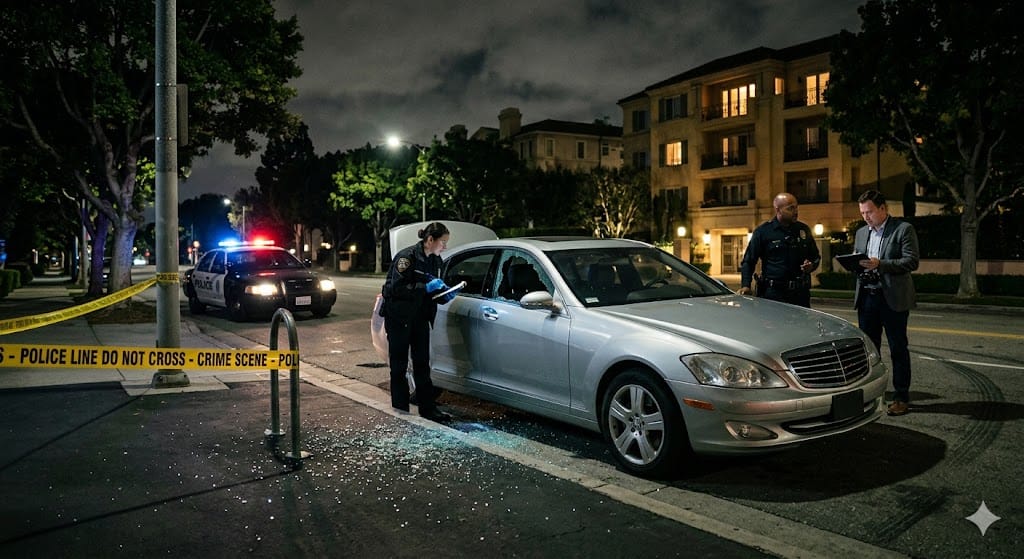
Luxury car theft is rising sharply across Switzerland, with new data highlighting a growing concern for vehicle owners and insurers. According to AXA, the number of reported car theft cases has increased significantly in recent years.

In 2025 alone, nearly 400 vehicle theft cases were reported to AXA. The total financial damage reached approximately CHF 5 million, almost double the losses recorded before the pandemic.

The average cost per car theft has also increased. In 2025, each case resulted in an average loss of around CHF 14,000, marking a steady rise over the past decade. Experts note that the average damage value has increased by about CHF 4,000 over the last ten years.

Certain regions have been more affected than others. The cantons of Geneva, Vaud, and Basel City reported the highest number of car theft cases. Ticino also recorded above-average incidents over the past decade.

In contrast, regions such as Obwalden and Glarus reported the lowest rates of vehicle theft.

Experts suggest that proximity to international borders plays a key role in these trends. Organized criminal groups are increasingly targeting high-value vehicles and transporting them خارج the country. Urban areas, with higher vehicle density, also provide more opportunities for theft.

Insurance officials warn that the trend could continue if preventive measures are not strengthened. Vehicle owners are advised to use enhanced security systems and remain vigilant, especially in high-risk regions.