


Swiss Study Reveals Stinging Nettles Are Replacing Orchids Across Europe

A major Swiss-led scientific study has revealed a significant shift in Europe’s plant biodiversity. Researchers have found that nitrogen-loving plants, such as stinging nettles, are increasingly replacing rarer species like orchids across forests, meadows, and other natural habitats.

The study, supported by the Swiss National Science Foundation (SNSF), provides one of the most comprehensive analyses of changes in European plant life over the past six decades. Scientists examined approximately 650,000 plant records collected between 1960 and 2020 from a large European biodiversity database.

Researchers identified a clear increase in plant species that thrive in nitrogen-rich environments. According to the study, excessive use of artificial fertilizers, intensive livestock farming, and nitrogen emissions from traffic and industry have significantly altered soil conditions across Europe.

As nutrient levels rise, plants adapted to poor soils are struggling to survive. Orchids, known for their beauty and ecological importance, are among the species being displaced by fast-growing plants such as stinging nettles.

Interestingly, Switzerland appears to be showing some positive signs. Ecologist Jürgen Dengler of the Zurich University of Applied Sciences (ZHAW) noted that the trend is slightly weaker in Switzerland, suggesting that regional efforts to reduce fertilizer use may be producing results. However, similar improvements have not yet been observed across much of Europe.

The study also found an increase in shade-loving plant species in grasslands. Scientists believe this is linked to denser vegetation caused by nutrient enrichment and reduced land management practices.

Surprisingly, researchers discovered that climate change currently has a smaller impact on plant diversity than expected. Vegetation appears to be responding more slowly to rising temperatures than many experts predicted.

The Swiss Alps represent an important exception. In mountainous regions, scientists have already observed warmth-loving plant species migrating from lower elevations to higher altitudes as temperatures continue to rise.

Researchers warn that protecting biodiversity will require continued efforts to reduce nitrogen pollution, improve land management, and preserve habitats for vulnerable plant species. Without action, Europe could see further declines in some of its most unique and valuable native plants.
Preventive Culling Slows Wolf Population Growth in Switzerland

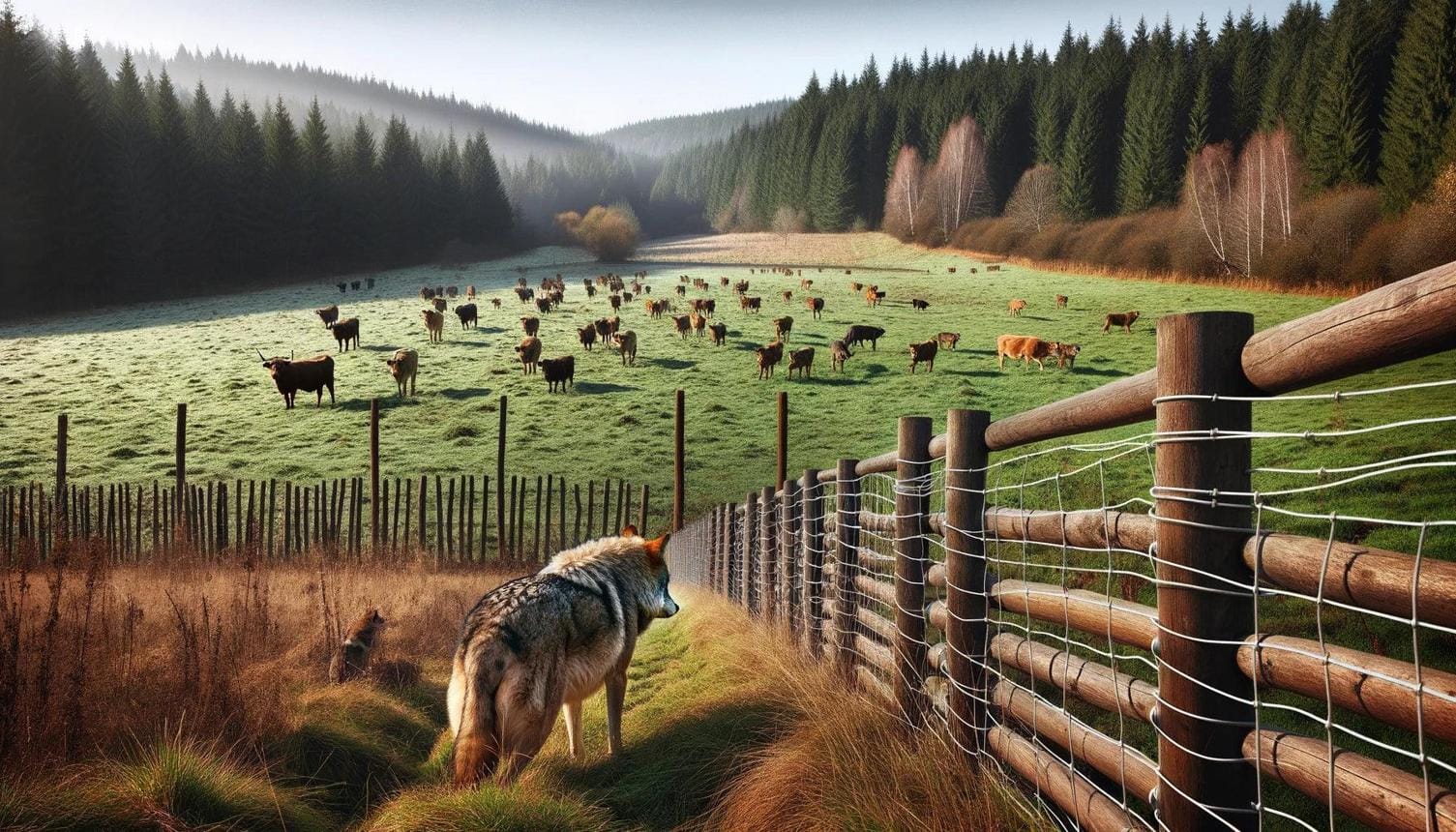
Preventive culling measures have successfully slowed the growth of the wolf population in Switzerland, according to a federal assessment covering regulatory actions since 2023.

The Federal Office for the Environment (FOEN) reported that more than 220 wolves have been killed across three regulatory phases, including animals removed before causing any recorded livestock damage.

During the most recent period from September 2025 to January 2026, authorities culled 77 wolves. In the previous 2024/2025 phase, 92 wolves were removed, while the initial shorter phase recorded 55. In all cases, the number of wolves shot remained below the maximum quotas authorized by federal authorities.

FOEN data shows that during the latest cycle, 76 wolves were removed through preventive measures and one following confirmed livestock damage. The government had approved the culling of approximately 115 wolves for that period.

Authorities state that the policy aims to manage wolf numbers in regions where livestock farming is affected while maintaining ecological balance. The approach reflects Switzerland’s effort to balance wildlife conservation with agricultural protection.

The federal government concludes that regulated culling has contributed to stabilizing wolf population growth, although debates continue over long-term wildlife management strategies and conservation ethics.

Swiss Citizens Launch Constitutional Initiative to Protect Pollinating Insects.

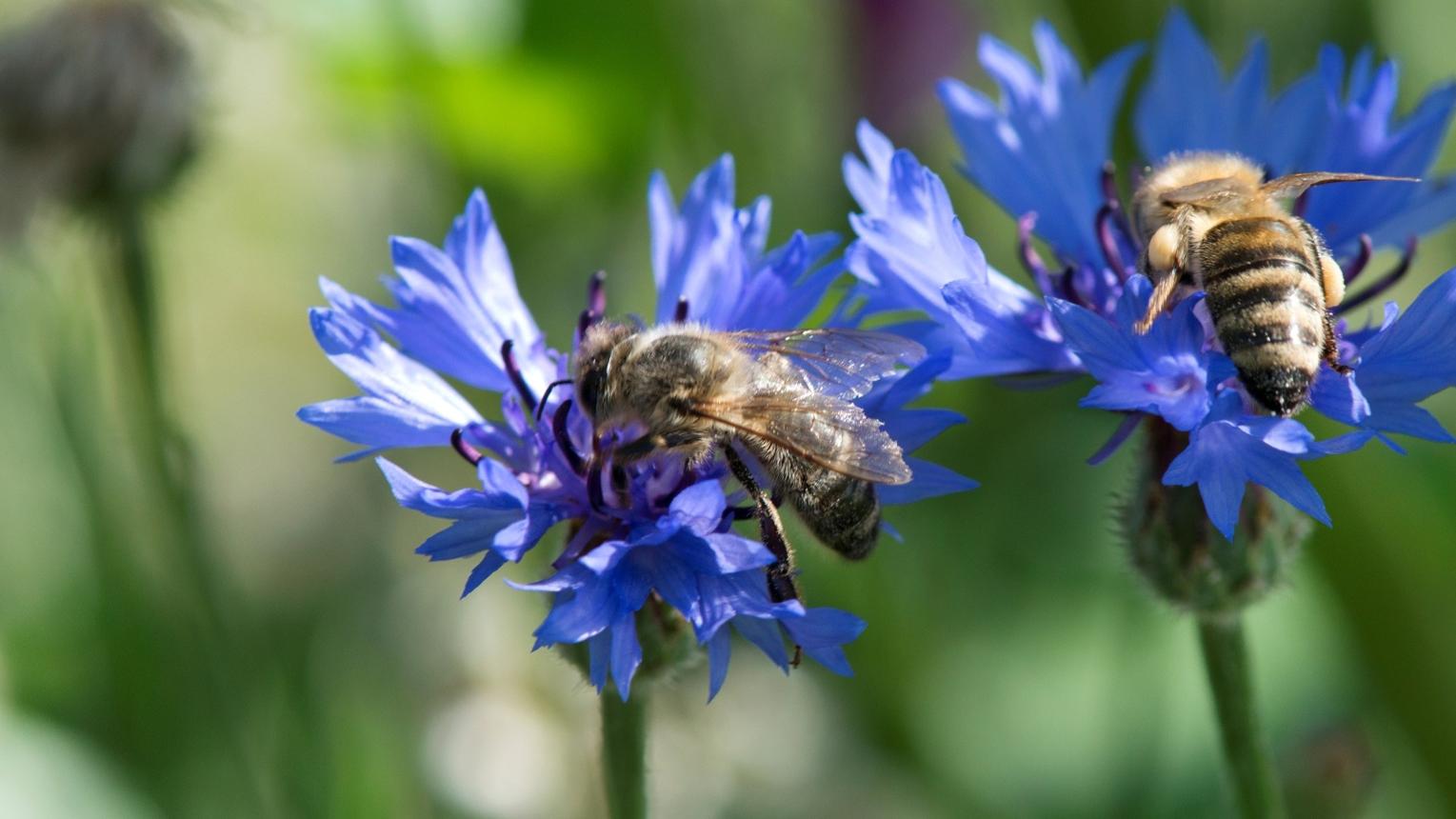
A citizen-led committee in Switzerland has launched a popular initiative aimed at strengthening legal protection for bees and other pollinating insects by embedding it directly into the national constitution.

The initiative, titled “In favour of ensuring the pollination of cultivated and wild plants by insects (bee initiative),” was officially published in the Federal Gazette on Tuesday. It brings together beekeepers, environmental supporters, and members of parliament.

The proposal calls on both the federal government and cantonal authorities to take responsibility for ensuring effective pollination of crops and wild plants. It also demands that authorities allocate sufficient resources and establish clear national guidelines to protect pollinating insect populations.

If successful, the initiative must collect at least 100,000 valid signatures by November 19, 2027, to trigger a nationwide referendum.

Supporters argue that pollinating insects are essential for food production and biodiversity, as they play a critical role in maintaining ecosystems and agricultural yields. Without them, many plant species and crops would face serious decline.

The initiative reflects growing public concern over environmental degradation, pesticide use, and habitat loss, all of which have contributed to declining bee populations in recent years.

If approved by voters, the proposal would make pollinator protection a constitutional duty, significantly strengthening Switzerland’s environmental policy framework.