SWISS to Cut Administrative Staff by 10% in Cost-Saving Drive

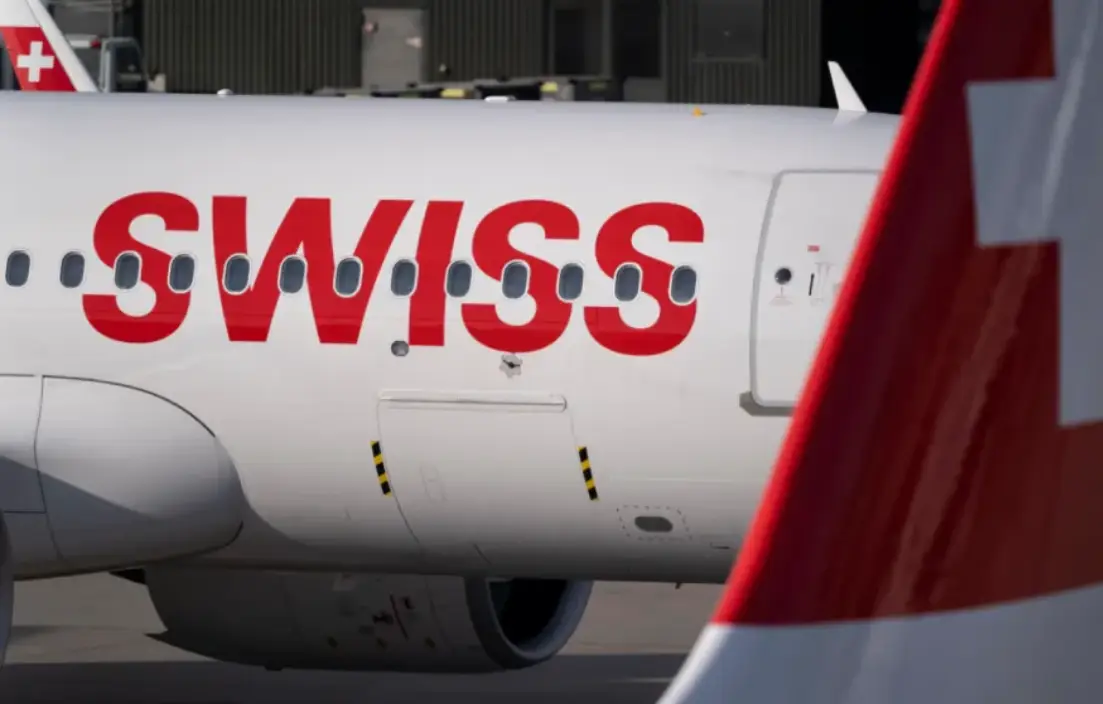
Swiss International Air Lines (SWISS) has announced plans to reduce its administrative workforce by around 10% as part of expanded cost-saving measures.

SWISS Chief Executive Officer Jens Fehlinger confirmed the decision in an interview published by the Swiss newspaper NZZ am Sonntag.

According to Fehlinger, the airline aims to lower administrative staffing levels without implementing forced redundancies.

Instead, SWISS plans to achieve the reduction through voluntary departures and incentive-based programmes designed to encourage employees to temporarily or permanently leave their positions.

The airline is reportedly offering financial incentives similar to measures previously introduced for cabin crew members.

Under the new programme, administrative staff who choose unpaid leave could receive compensation worth up to 20% of the base salary savings generated by their absence.

The move comes as airlines across Europe continue adjusting operational costs amid changing travel demand, rising competition, and economic pressures within the aviation sector.

SWISS has already introduced several efficiency measures in recent months to strengthen long-term financial stability while maintaining flight operations and customer services.

Industry analysts say many airlines are increasingly focusing on reducing back-office expenses and streamlining administration rather than cutting frontline operational staff.

Despite the planned reduction, SWISS stated that it remains committed to avoiding compulsory job cuts and maintaining a stable working environment for employees.

The airline continues to play a major role in Switzerland’s aviation industry and international connectivity.


Switzerland Continues US Trade Talks Despite Tariff Court Ruling.

The Switzerland government says it will continue trade negotiations with the United States despite a recent US court ruling against tariffs introduced under former President Donald Trump.

According to Swiss officials, reaching a long-term trade agreement with the United States remains a top priority for the Swiss Federal Council.

The statement came after a US trade court ruled on Thursday that the latest 10% temporary global tariffs introduced under Trump’s trade policy were unjustified under a 1970s trade law.

However, Swiss authorities stressed that the ruling will not affect the ongoing Swiss-US trade discussions.

A spokesperson for the Swiss economics ministry stated that the main objective of the negotiations is to secure fair and non-discriminatory access for Swiss companies to the American market.

Swiss officials also highlighted the importance of long-term legal certainty and stable trade conditions for businesses operating internationally.

The US court decision reportedly blocks the tariffs only for two private importers and the State of Washington, meaning broader tariff policies remain under legal and political debate.

Economic experts say Switzerland is seeking stronger economic ties with the US to protect exports, investment opportunities, and market competitiveness.

The United States remains one of Switzerland’s most important trading partners, especially in sectors such as pharmaceuticals, finance, machinery, and technology.

Both countries are expected to continue negotiations as global trade tensions and tariff disputes continue to shape international economic policy.

Apple and Intel Sign Major Semiconductor Deal as Shares Surge.

Apple Inc. and Intel Corporation have reportedly signed a major preliminary agreement that could reshape the global semiconductor industry.

According to reports from The Wall Street Journal, discussions between the two technology giants had continued for more than a year before both sides finalized a structured framework agreement.

The exact Intel technologies and semiconductor products that will be integrated into future Apple devices remain confidential. However, industry analysts believe the partnership could significantly influence future chip manufacturing strategies and hardware development.

The agreement has already triggered strong reactions in the financial markets. Investors responded positively to the news, driving a sharp increase in stock prices for both companies.

Intel shares surged by 18.26%, reaching approximately $129.64, while Apple shares rose by 1.59% to around $292.00.

The deal also signals a strategic shift for Apple, which has previously maintained semiconductor partnerships with companies including Samsung.

Market experts say the new collaboration may help Intel strengthen its position in the global semiconductor market while allowing Apple to diversify its supply chain and chip development capabilities.

The semiconductor industry continues to play a critical role in artificial intelligence, mobile devices, cloud computing, and advanced consumer electronics, making partnerships between major technology firms increasingly important.

Investors and analysts are now closely watching future announcements to determine how the partnership will impact upcoming Apple products and the broader global chip industry.

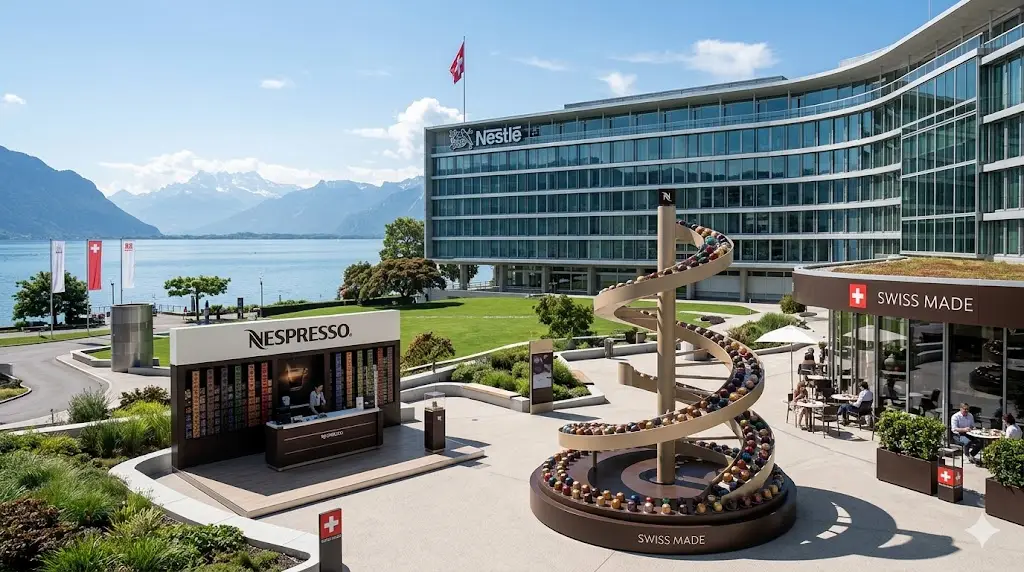
Nestlé Confirms Nespresso Production Will Stay in Switzerland.

Nestlé has confirmed that it will continue producing Nespresso capsules in Switzerland despite growing concerns over United States import tariffs.

Speaking to CH Media, Nestlé CEO Philipp Navratil stated that the company has no plans to move Nespresso capsule production outside Switzerland.

Nestlé, headquartered in Vevey, is currently reviewing options related to possible reimbursement of US customs duties. However, the company stressed that relocating manufacturing operations is not under consideration.

Navratil explained that Nestlé remains focused on long-term business stability and adapting to changing global market conditions rather than reacting to short-term political pressures.

Commenting on tariffs and trade barriers, he emphasized that the company continues to invest despite the additional costs created by international trade tensions.

The decision is seen as a positive signal for Switzerland’s manufacturing sector and workforce, particularly as global companies increasingly review supply chains and production locations due to economic uncertainty.

Nespresso remains one of Nestlé’s most recognized premium brands worldwide, and Switzerland continues to play a central role in the company’s coffee production and innovation strategy.

Industry observers note that maintaining production in Switzerland also reinforces the premium image and “Swiss-made” identity associated with Nespresso products globally.