Swiss Army Expands Field Trials of Minidrones for Combat and Reconnaissance

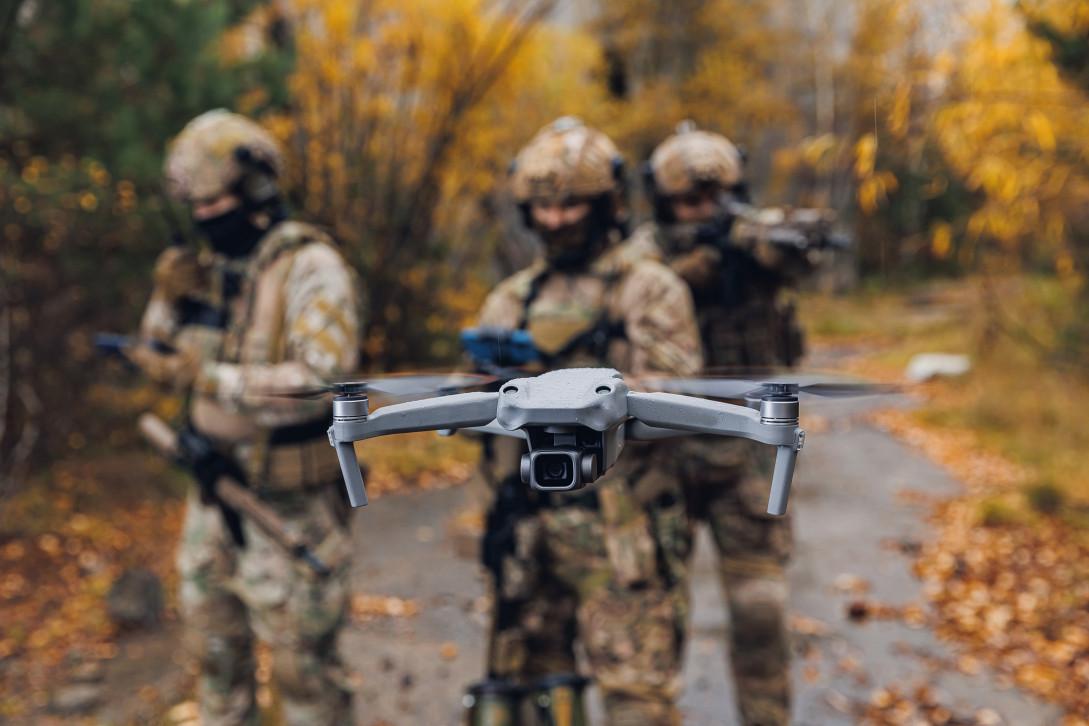
The Swiss Armed Forces are continuing field trials of advanced minidrones designed for reconnaissance and potential combat use, as modern warfare increasingly relies on unmanned systems.

The army stated that drones are rapidly expanding capabilities in both surveillance and attack operations. These minidrones are primarily used for reconnaissance missions, allowing forces to gather intelligence without putting soldiers at direct risk.

However, military officials also acknowledge that when equipped with explosive payloads, drones can function as precision weapons capable of targeting enemy positions. This dual-use capability reflects lessons learned from modern conflicts, including the war in Ukraine, where drone warfare has significantly changed battlefield strategies.

The army is actively training personnel in First Person View (FPV) drone piloting, a system where operators use immersive goggles to control drones through live video feeds. Around 20 recruits have already undergone training as part of upcoming field trials scheduled for autumn 2025.

Further tests are being carried out by the Defence UAV and Robotics Competence Centre, focusing on how FPV drone units can be integrated into traditional combat formations. The goal is to improve coordination between drone operators and ground troops during military operations.

According to the Swiss army, drone use has become a standard feature in modern crisis and conflict scenarios. In response to growing technological threats, the Federal Department of Defence, Civil Protection and Sport (DDPS) established a dedicated Drone Task Force in June 2024.

The ongoing trials highlight Switzerland’s efforts to adapt its defense strategy while maintaining its long-standing policy of neutrality in global conflicts.
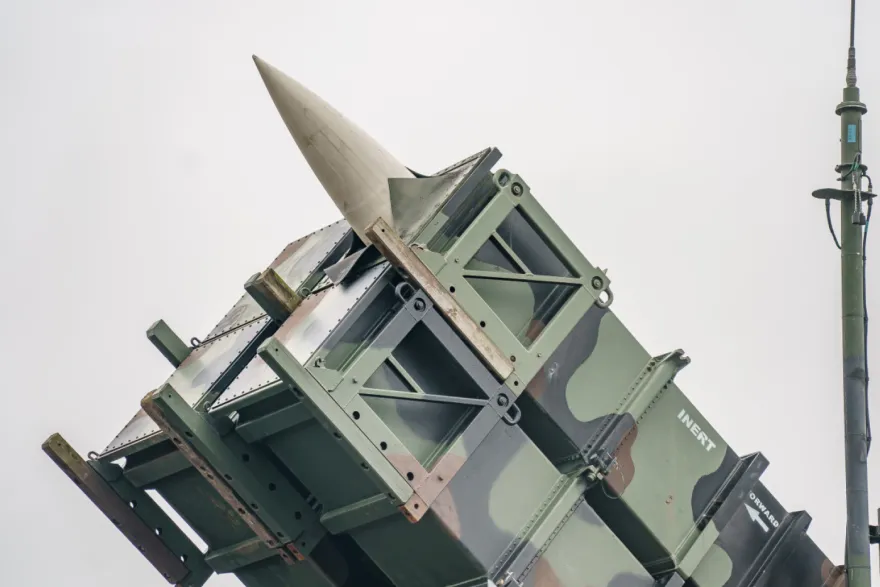
Switzerland Patriot System Costs May Double Amid Delays.

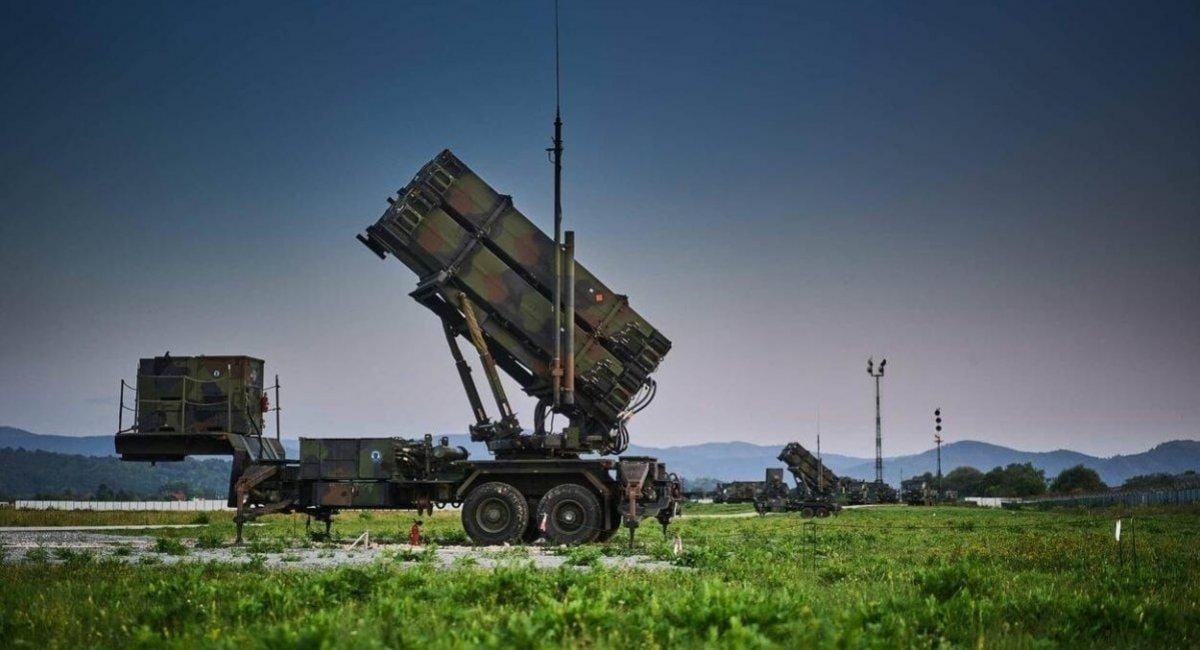
Switzerland is facing significantly higher costs and delays in its planned procurement of the US-made Patriot air defence system, according to reports from Swiss media outlets Tamedia and CHMedia.

The system, originally ordered for around CHF 2.3 billion, may now cost up to 50% more or even double, according to estimates cited by officials. A spokesperson from the Federal Office for Armaments (armasuisse) confirmed that expected additional costs are currently in the range of “50% plus,” although they did not confirm a full price doubling.

The Patriot system, developed by Raytheon, is a key component of Switzerland’s planned long-range air defence capability. However, its delivery timeline has been significantly disrupted.

Officials report that deliveries have already been delayed by several years due to global supply chain pressures and increased demand linked to the war in Ukraine. Media reports suggest that ongoing conflicts, including tensions in Iran, could cause further delays in production and deployment schedules.

Following the latest developments, the Swiss government has confirmed that procurement timelines will be pushed back by five to seven years, while overall costs are expected to rise substantially.

In April, the Swiss government decided to temporarily halt payments for the system. The Federal Council also stated that it has not ruled out cancelling the purchase entirely and instead considering alternative missile defence systems from European suppliers.

The government is expected to review options and make a final decision on the future of the project later this summer, as Switzerland reassesses its long-term air defence strategy.

Switzerland Evaluates New Air Defence Systems.

The government of Switzerland has started evaluating alternative air defence systems to strengthen national security and modernize its military capabilities.

According to Armasuisse, officials have contacted authorities in Germany, France, Israel, and South Korea. In addition, five major defence manufacturers have also been approached to provide technical and strategic information.

Armasuisse has sent formal “requests for information” to these countries and companies. The evaluation focuses on key factors such as:

  • Delivery timelines
  • Overall costs
  • System performance
  • European production share

Officials have emphasized that local or European production—preferably within Switzerland—would be a major advantage.

This move reflects Switzerland’s effort to reassess its defence strategy amid evolving global security challenges. By comparing multiple systems, the government aims to identify the most effective and reliable solution.

Authorities will review the responses from partner countries and manufacturers before making any procurement decisions. The final choice will depend on operational efficiency, affordability, and long-term strategic value.

Tamil Doctor Joins Swiss Military Leadership in Historic Appointment

A Tamil doctor in Switzerland has achieved a major milestone by joining the leadership of the Swiss military medical system. Abiram Chandrelegar has been appointed Vice President of the Swiss Armed Forces Medical Association, marking a proud moment for the global Tamil diaspora.

Born in Geneva, Lieutenant Abiram Chandrelegar earned this position through dedication, expertise, and consistent service within the Swiss Armed Forces. His appointment highlights the increasing recognition of diverse professionals in Switzerland’s national institutions.

The ASMD, established in 2025, plays a crucial role in strengthening the medical division of the Swiss military. Alongside him, David M. V. Kremer has been appointed as President of the association.

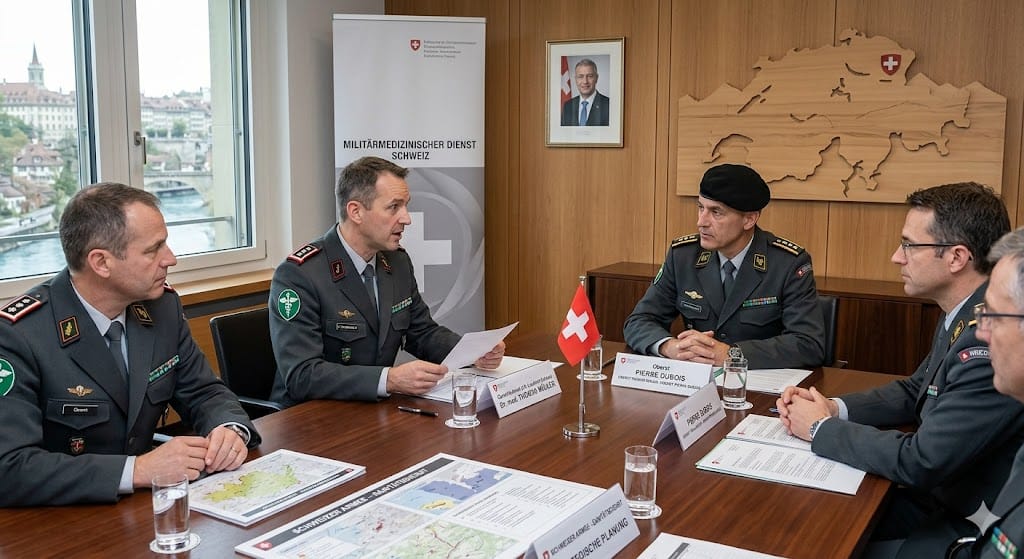
A high-level meeting was recently held in Zug, where the new leadership engaged with senior military officials to discuss global security challenges and the evolving role of military healthcare services.

The meeting included key figures such as Martin Pfister and Thomas Süssli, underlining the importance of strategic medical planning within Switzerland’s defense system.

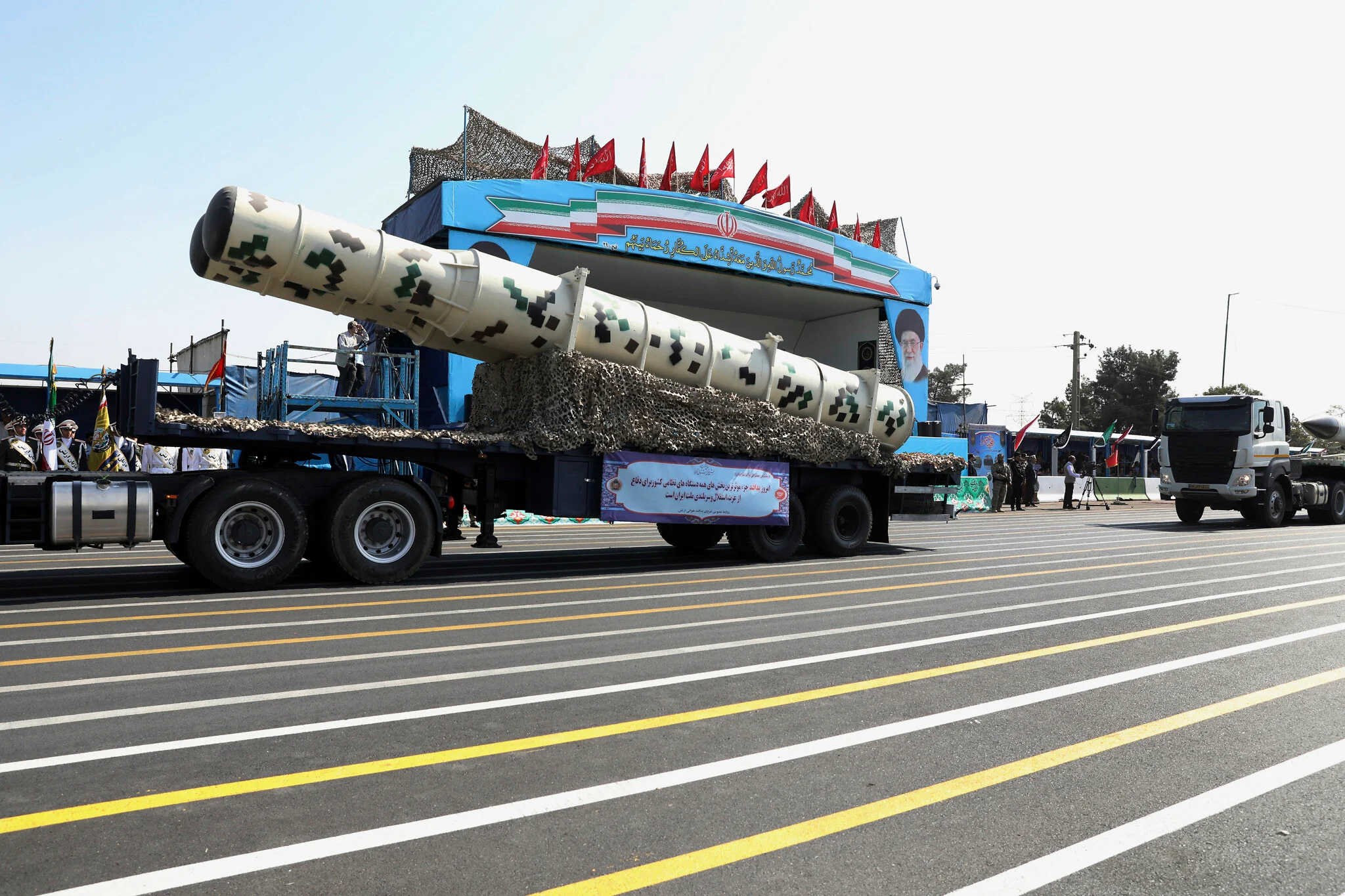
Iran Warns of “Fire Rain” as US Allegedly Plans Secret Ground Attack.

Iran Accuses US of Secret Military Plot

Iran’s Parliament Speaker, Mohammad Bagher Ghalibaf, has accused the United States of secretly preparing a ground attack while publicly signaling willingness for diplomatic talks. The statement has intensified already rising tensions between the two nations.

Contradictory Signals Raise Concerns

According to Iran’s official news agency, the United States has presented a 15-point proposal aimed at negotiations. However, Iranian officials believe this move is a strategic attempt to achieve through diplomacy what it failed to accomplish in conflict. As a result, trust between both sides continues to weaken.

Iran Signals Strong Military Readiness

Ghalibaf emphasized that Iranian forces remain fully prepared for any potential ground invasion. He warned that if US troops attempt to enter Iranian territory, they will face a severe and immediate military response. Iran has clearly stated that it will not tolerate any form of humiliation or aggression.

Rising Tensions in the Middle East

Meanwhile, geopolitical analysts warn that escalating rhetoric could further destabilize the Middle East. The situation reflects growing uncertainty in global security, especially as both nations maintain strong military capabilities and strategic influence in the region.