Swiss Study Reveals Stinging Nettles Are Replacing Orchids Across Europe

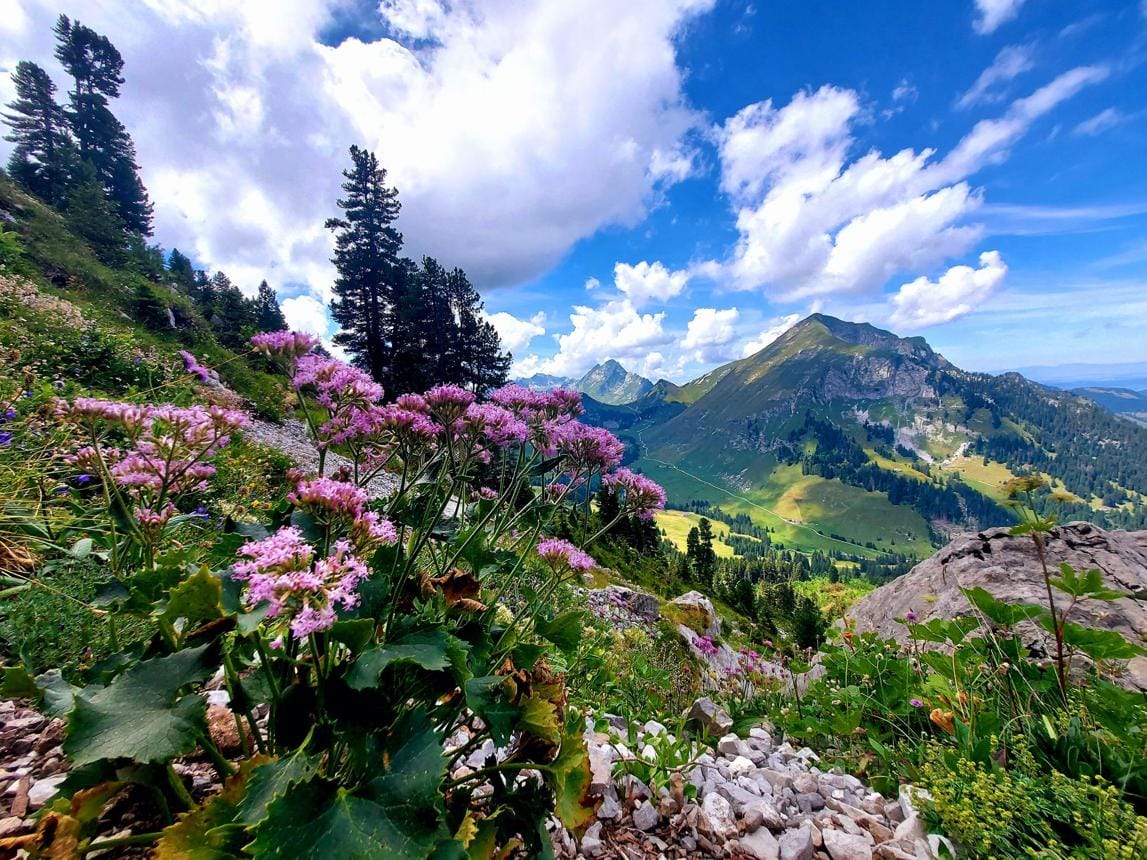
A major Swiss-led scientific study has revealed a significant shift in Europe’s plant biodiversity. Researchers have found that nitrogen-loving plants, such as stinging nettles, are increasingly replacing rarer species like orchids across forests, meadows, and other natural habitats.

The study, supported by the Swiss National Science Foundation (SNSF), provides one of the most comprehensive analyses of changes in European plant life over the past six decades. Scientists examined approximately 650,000 plant records collected between 1960 and 2020 from a large European biodiversity database.

Researchers identified a clear increase in plant species that thrive in nitrogen-rich environments. According to the study, excessive use of artificial fertilizers, intensive livestock farming, and nitrogen emissions from traffic and industry have significantly altered soil conditions across Europe.

As nutrient levels rise, plants adapted to poor soils are struggling to survive. Orchids, known for their beauty and ecological importance, are among the species being displaced by fast-growing plants such as stinging nettles.

Interestingly, Switzerland appears to be showing some positive signs. Ecologist Jürgen Dengler of the Zurich University of Applied Sciences (ZHAW) noted that the trend is slightly weaker in Switzerland, suggesting that regional efforts to reduce fertilizer use may be producing results. However, similar improvements have not yet been observed across much of Europe.

The study also found an increase in shade-loving plant species in grasslands. Scientists believe this is linked to denser vegetation caused by nutrient enrichment and reduced land management practices.

Surprisingly, researchers discovered that climate change currently has a smaller impact on plant diversity than expected. Vegetation appears to be responding more slowly to rising temperatures than many experts predicted.

The Swiss Alps represent an important exception. In mountainous regions, scientists have already observed warmth-loving plant species migrating from lower elevations to higher altitudes as temperatures continue to rise.

Researchers warn that protecting biodiversity will require continued efforts to reduce nitrogen pollution, improve land management, and preserve habitats for vulnerable plant species. Without action, Europe could see further declines in some of its most unique and valuable native plants.

Will AI Cause a Global Water Crisis? Shocking New UN Warning.

A new report has raised serious concerns about the environmental impact of rapidly expanding artificial intelligence infrastructure, warning that AI data centres could place extreme pressure on global water and energy resources.

According to the United Nations University Institute for Water, Environment and Health (UNU-INWEH), the growth of AI technologies is driving massive investments in data centres worldwide. These facilities, which power large-scale AI systems, require vast amounts of electricity and water for cooling operations.

The report warns that by 2030, water consumption from AI-related data centres could reach approximately 9.3 trillion litres annually. This amount is comparable to the minimum yearly household water needs of around 1.3 billion people living in sub-Saharan Africa.

AI data centres rely heavily on water-based cooling systems, particularly in warmer regions, where continuous heat management is essential to maintain server performance. As a result, their environmental footprint is expanding alongside global demand for AI services.

In addition to water usage, the report highlights a sharp rise in electricity consumption. Global data centres are estimated to have used around 448 terawatt-hours (TWh) of electricity in 2025 alone. By 2030, this figure could rise to 945 TWh, nearly three times the combined annual electricity consumption of countries such as Pakistan, Bangladesh, and Nigeria.

The UNU-INWEH report also warns that AI infrastructure may contribute to local temperature increases. Data centres can raise surrounding land temperatures by an average of 2°C, creating so-called “heat island” effects that impact nearby communities. In extreme cases, temperature increases of up to 9°C have been recorded, affecting areas within several kilometres of large facilities.

Experts caution that while AI is transforming industries and economies, its rapid expansion could intensify environmental stress unless more sustainable energy and cooling solutions are developed.

The findings highlight the growing need for governments and technology companies to balance innovation with environmental responsibility as AI infrastructure continues to scale globally.

Lake Constance Water Levels Drop to Historic June Record Low.

Lake Constance, which borders Switzerland, Germany, and Austria, has recorded its lowest water level ever measured for the month of June. Experts attribute the dramatic decline to months of unusually low rainfall and below-average snowfall in the surrounding mountain regions.

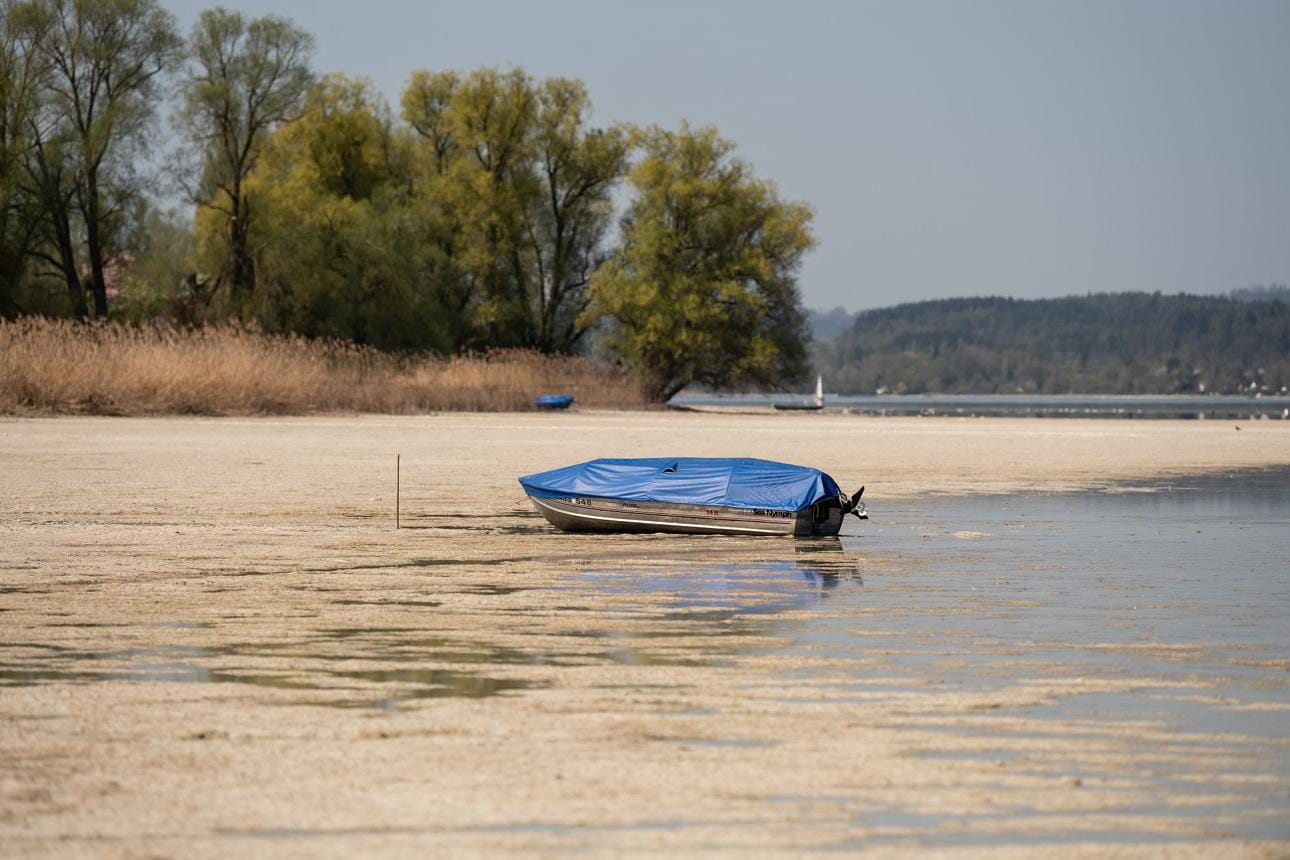
The western section of the lake, known as the Untersee, has been particularly affected. Several boats have been left stranded along the shoreline as water levels continue to fall. According to water management officials in the Swiss canton of Thurgau, exceptionally dry weather conditions since early spring have significantly reduced the amount of water flowing into the lake.

April was especially dry across the region, while winter snowfall remained well below normal levels. As a result, the usual snowmelt that helps replenish the lake during spring was insufficient to restore water levels.

Lake Constance is particularly vulnerable to extended dry periods because, unlike most major Swiss lakes, its water levels are not artificially regulated. Together with Lake Walen, it remains one of the few large lakes in Switzerland that fluctuates entirely according to natural conditions. This makes both droughts and flooding events more noticeable.

Current measurements indicate that Lake Constance is approximately one metre below the long-term average for June. The situation is also affecting transportation and tourism. Shipping operator Untersee und Rhein (URh) has reported navigation difficulties, with parts of the Rhine River between Stein am Rhein and Diessenhofen currently inaccessible to passenger vessels due to low water levels.

Environmental experts warn that prolonged drought conditions and rising temperatures could lead to more frequent water shortages in the future. The development has renewed concerns about climate change and its growing impact on Switzerland’s lakes, rivers, and natural ecosystems.

Switzerland Records Fourth Hottest May Since 1864 Amid Severe Dry Conditions

Switzerland is set to record its fourth hottest May since weather records began in 1864, according to the national meteorological service MeteoSwiss. The country is also experiencing unusually dry conditions across many regions.

Temperature Above Average

Meteorological data shows that temperatures in May 2026 have been approximately 1.8°C above the long-term average. The nationwide average daily temperature has reached 10.7°C so far this month.

Early rainfall at the beginning of May was not sufficient to compensate for a significant precipitation deficit that has developed since March.

Severe Rainfall Deficit

Rainfall levels across Switzerland have dropped sharply, with only around 56% of the average precipitation recorded nationally. In some regions, rainfall has fallen to just 40% of normal levels.

Canton Graubünden and the Engadine region have been particularly affected, receiving less than half of their typical rainfall.

Comparison With Historic Droughts

Experts note that current conditions resemble historic drought years such as 1944 and 1976. The ongoing spring season is also expected to rank among the driest since modern records began in 1901.

Government Weather Alert

The Swiss government has issued a Level 2 drought alert, currently affecting the Alps and eastern Plateau regions. Authorities classify this as a mild drought, with no immediate improvement expected in the short term.

Early Heatwave Conditions

Switzerland has already experienced early heatwave conditions, with temperatures exceeding 30°C in several regions. In Ticino and parts north of the Alps, temperatures have climbed above 34°C.

In Valais, the temperature reached 34.2°C in Sion, marking one of the earliest intense heat events of the season.

Impact on High Altitudes

Even high mountain regions have been affected. The 0°C isotherm rose to 4,328 metres above sea level during Whitsun weekend, making it one of the highest recorded levels for May.

Climate Change Influence

Meteorologists highlight that climate change is influencing seasonal patterns in Switzerland. Heatwaves are occurring earlier, lasting longer, and affecting higher altitudes with increasing intensity.

The Federal Office of Meteorology and Climatology warns that such extreme conditions are becoming more frequent across the Alpine region.

Britain Faces Growing Food Crisis Warning.

Food experts warn that Britain is moving toward a major food crisis driven by extreme weather, rising inflation, and global geopolitical tensions. Industry leaders say the government must act urgently to strengthen national food security before conditions worsen.

Farmers across the UK are struggling through severe heatwaves after an unusually dry spring. High temperatures are reducing crop yields, stressing livestock, and increasing wildfire risks. Experts believe the economic damage could reach hundreds of millions of pounds.

Food inflation already continues to pressure British households. Analysts predict food prices could become 50% higher this November compared to levels seen five years ago. Ongoing climate disruptions and supply chain instability are expected to worsen the situation further.

The conflict involving Iran also adds pressure on global fuel and fertiliser markets. Experts warn that disruptions near the Strait of Hormuz continue to affect international trade routes, increasing costs for farmers and food producers worldwide.

A coalition of food policy experts has written to UK ministers demanding an updated national food strategy. The group calls for stronger domestic food production, better protection against supply chain shocks, and improved public access to affordable and healthy food.

Food policy specialist Tim Lang criticises the government for treating the crisis as “business as usual.” He warns that climate change, inflation, and geopolitical instability are creating long-term risks to national food security.

Retired General Richard Nugee also describes food security as a major national security issue. He says supply disruptions and rising living costs could increase public frustration if the government fails to maintain stable and affordable food supplies.

Experts now urge Britain to prepare for a future shaped by extreme weather, global instability, and increasing pressure on agricultural systems.

Blackcap Becomes Switzerland’s Most Common Bird, Overtaking Chaffinch

The blackcap has become the most common bird species in Switzerland, overtaking the chaffinch, according to the 2025 bird monitoring programme by the Swiss Ornithological Institute.

Researchers report that there are now nearly one million breeding pairs of blackcaps across the country. The species has expanded significantly, benefiting from forest growth at higher altitudes and changing environmental conditions.

The study also suggests that more birds are choosing to remain in Europe during winter instead of migrating south, which has contributed to the blackcap’s population increase.

At the same time, chaffinch numbers have declined. Scientists say the reasons for this decrease remain unclear, describing it as puzzling due to the lack of identifiable causes.

Other common species such as sparrows and blackbirds continue to rank among the top ten most widespread birds in Switzerland. However, urban species like the street pigeon do not appear in the top 50.

The monitoring programme involved around 300 staff members from the Swiss Ornithological Institute, who dedicated more than 3,000 hours to collecting data on breeding bird populations across the country.

Experts say the findings highlight how climate change, habitat shifts, and migration behavior are reshaping Switzerland’s bird populations.

Swiss Glacier Snow Levels Critically Low

Glaciers across Switzerland are entering the summer season with significantly below-average snow cover, raising concerns about accelerated melting and long-term water availability.

According to the Swiss Glacier Monitoring Network (GLAMOS), snow cover across key Alpine glaciers is about 25% lower than the decade average, leaving ice masses unusually exposed at the start of the melt season.

Scientists report that the reduced winter snowfall has weakened the natural protective layer that normally shields glaciers from early summer heat. This layer typically reflects sunlight and slows ice loss, but current measurements show a much thinner snowpack across major glacier regions.

GLAMOS data collected from around 25 monitored glaciers indicates widespread deficits, with some areas experiencing snow shortages of several metres compared to long-term averages. The early onset of melting is already shifting the seasonal balance, causing glaciers to begin losing mass sooner than usual.

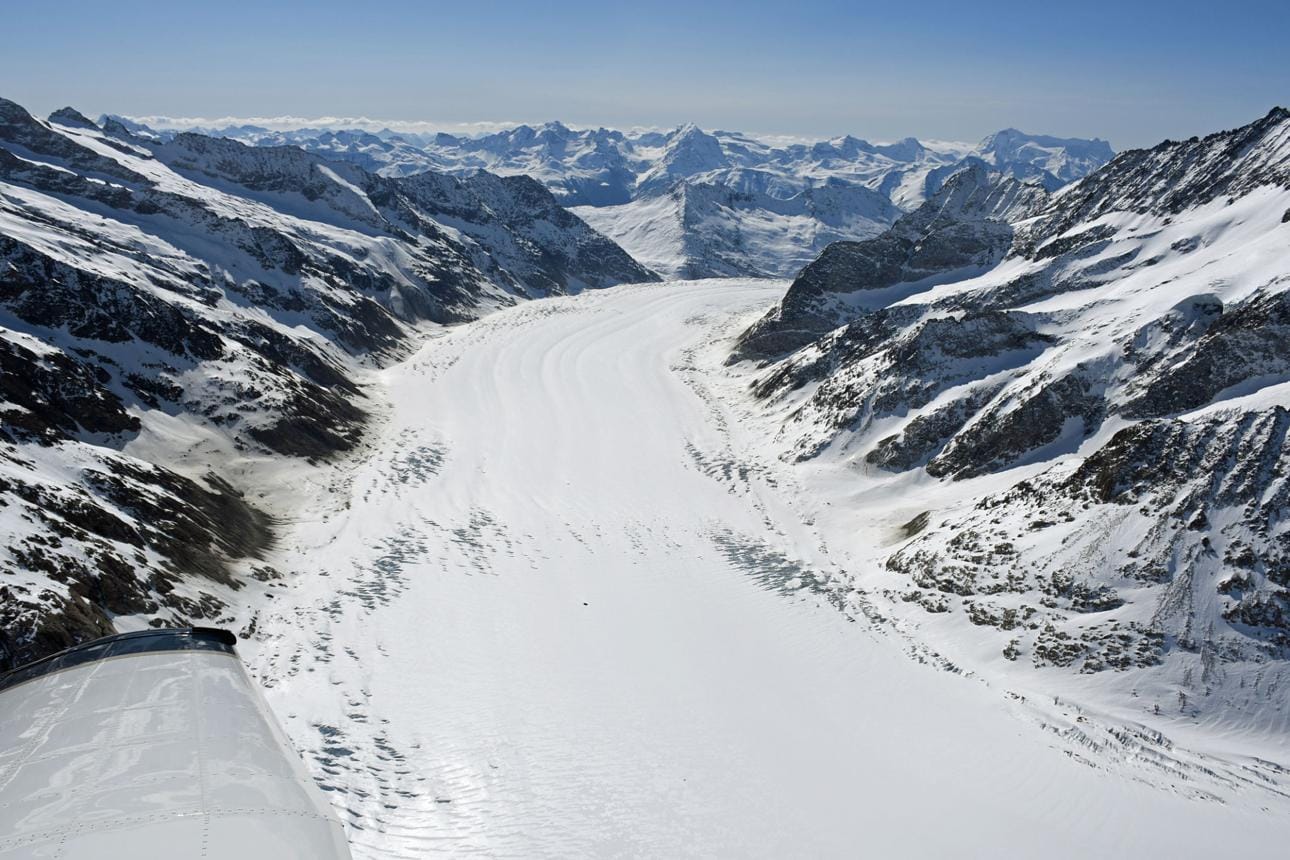
Regional variations are significant. In parts of southeastern Switzerland, including the Engadine region, snow deficits are particularly severe. Even major glacier systems such as the Great Aletsch Glacier and Rhône Glacier are reporting substantial reductions in winter accumulation.

Researchers warn that continued early-season melting could disrupt Switzerland’s role as the “Water Tower of Europe,” as glaciers regulate water flow into major river systems such as the Rhine, Rhône, and Po.

The reduced snow buffer may also impact hydroelectric power generation, agriculture, and downstream water availability across central and western Europe during late summer months.

Climate experts emphasize that while annual variability exists, the consistent pattern of reduced snow accumulation and earlier melt onset reflects a long-term trend linked to changing climate conditions in the Alps.

Swiss Nuclear Power Plants Could Operate Up to 80 Years, New Study Finds

Switzerland is reconsidering the long-term future of its nuclear energy sector after a new government-commissioned study found that two major nuclear power plants could safely operate for up to 80 years.

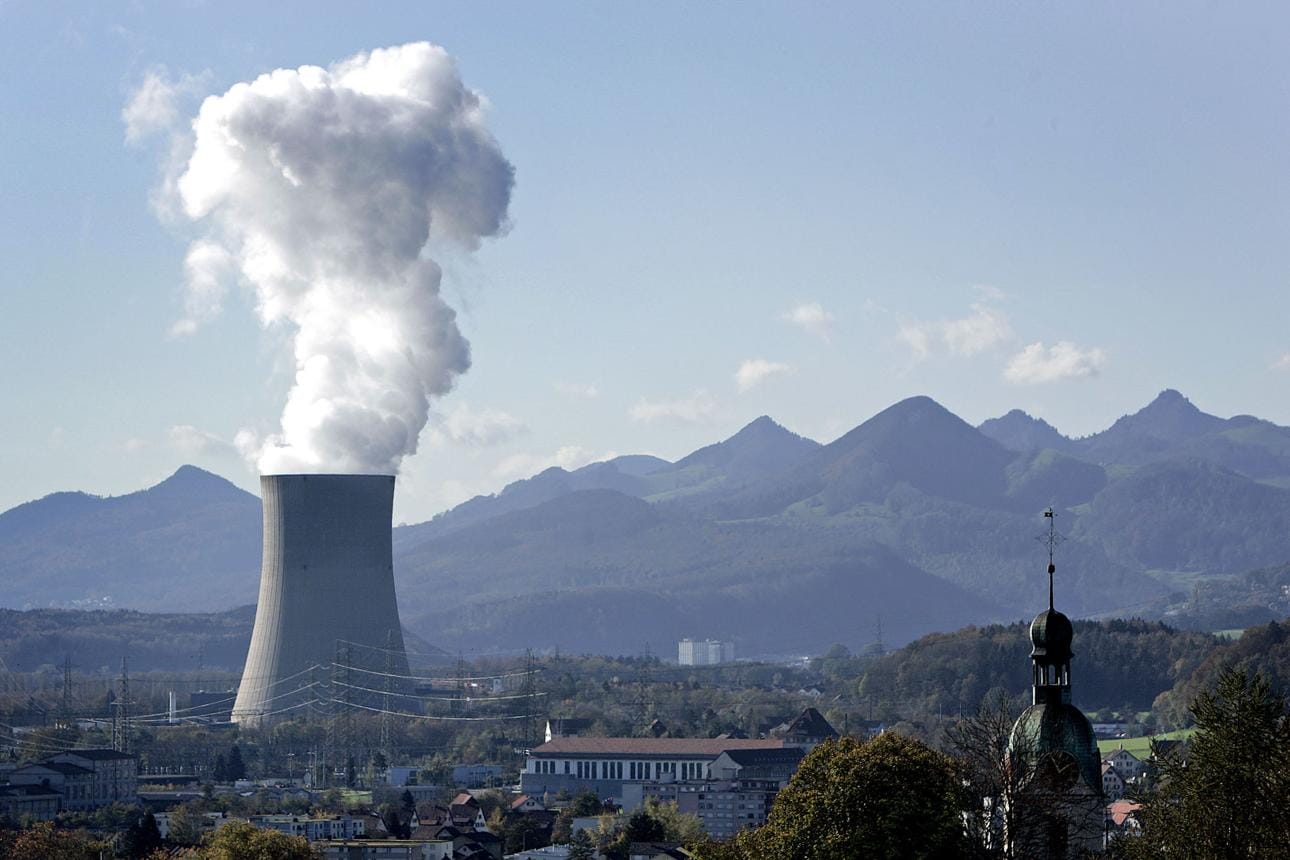
The report focuses on the Gösgen Nuclear Power Plant and the Leibstadt Nuclear Power Plant, which were previously assumed to have economically viable lifespans of around 60 years.

According to the findings, extending their operational life by an additional 20 years is both technically feasible and largely economically viable, provided that necessary safety upgrades and maintenance investments are carried out.

The study was commissioned following a parliamentary request and has renewed debate about Switzerland’s long-term energy strategy, especially as the country continues to balance climate goals with energy security concerns.

The report suggests that the required modernization investments would likely be justified by continued electricity production, and it states that direct financial support from the government may not be necessary for long-term operation.

Energy industry leaders have supported the findings. Thomas Sieber stated that extending nuclear plant lifespans to 80 years appears technically realistic under proper maintenance and upgrades.

The discussion comes at a time when Switzerland is also reviewing its broader nuclear policy, including debates about whether to lift restrictions on building new nuclear power plants. Rising energy demand, climate change pressures, and geopolitical instability have all contributed to renewed interest in nuclear power across Europe.

If implemented, the extended operation of these plants could play a significant role in ensuring Switzerland’s electricity supply stability in the coming decades.

Switzerland Records Decline in Dairy Cows and Pig Farming in 2025.

Switzerland recorded a decline in dairy cow and pig populations during 2025, while vegetable farming and poultry production continued to expand, according to new figures released by the Federal Statistical Office.

The latest agricultural structure survey shows that Swiss farming is continuing to evolve in response to economic pressures, consumer demand, and climate-related challenges. In 2025, Switzerland counted 46,270 farms, representing a decrease of 1.7% compared with the previous year.

Despite the decline in the number of farms, the average agricultural area increased slightly by 0.4 hectares, reaching 22.5 hectares per farm. Similar trends were also recorded among organic farms, where farm numbers decreased while average land use expanded.

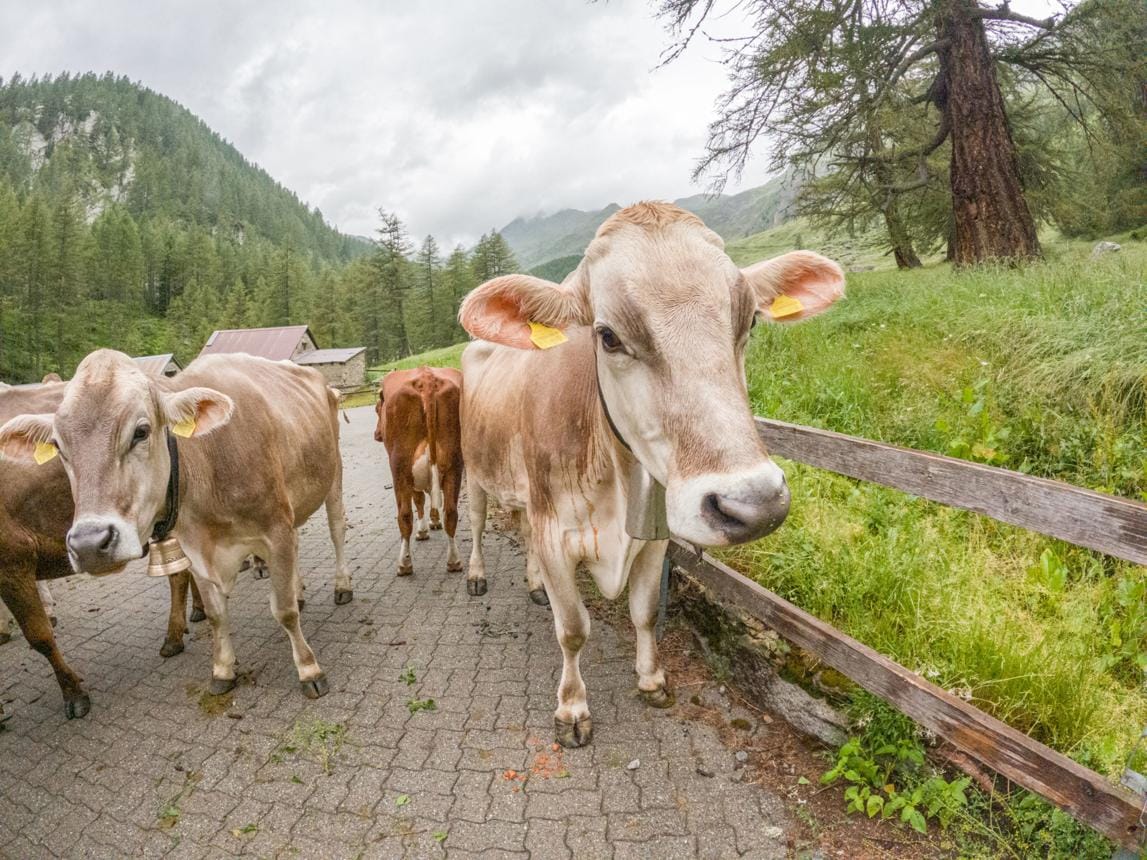
The number of dairy cows fell by 0.6% to approximately 524,400 animals. Officials linked the reduction to international market tensions and ongoing overproduction challenges within the dairy sector.

Pig farming also experienced a decline, reflecting changing market conditions and shifting consumer behaviour. In contrast, poultry farming recorded strong growth during the year, highlighting rising demand for chicken and egg products across the country.

Vegetable farming showed one of the strongest increases in Swiss agriculture. Experts say this trend reflects growing interest in sustainable local food production and climate adaptation strategies within the agricultural sector.

The latest figures indicate that Swiss agriculture is gradually adapting to new economic realities and environmental conditions, with farmers increasingly diversifying production to remain competitive.

Swiss Glaciers Record Major Snow Deficit Across Regions

Glaciers across Switzerland are experiencing a significant snow deficit this winter, raising concerns about accelerated melting during the upcoming summer season.

According to the Swiss Glacier Monitoring Network, snowfall levels were substantially below average across several key regions, including Upper Valais, Ticino, and Graubünden.

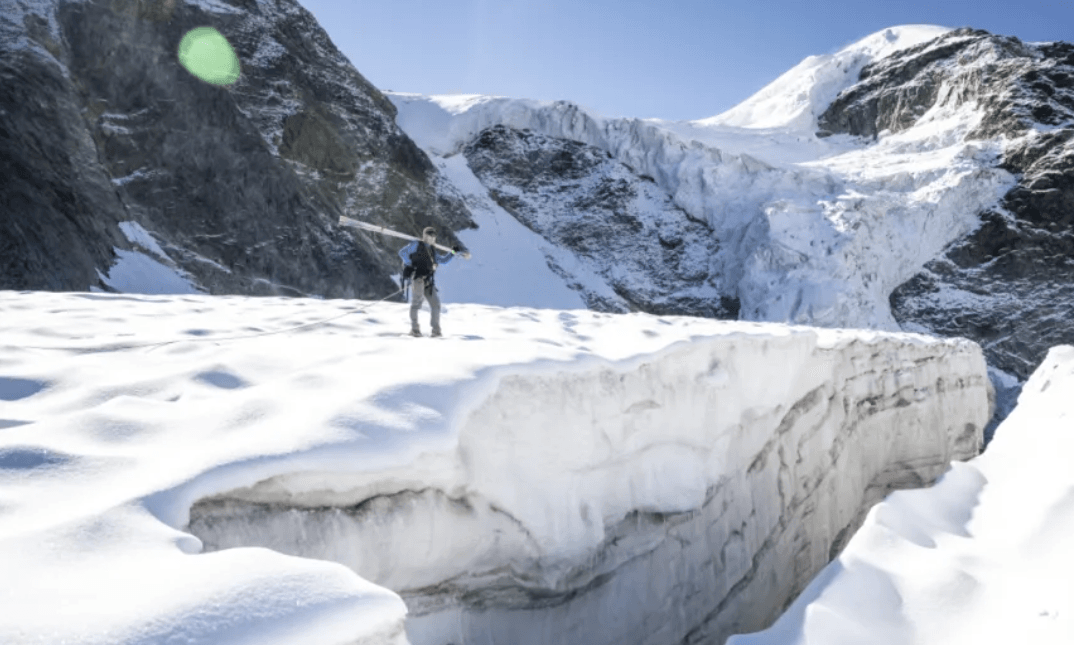
The monitoring organization reported that winter 2025–26 shows an average 25% snow deficit compared to the 2010–2020 baseline.

GLAMOS collected measurements from 25 glaciers across Switzerland during April, revealing that a warm and unusually dry spring contributed heavily to reduced snow accumulation.

Some regions, such as the Bernese Oberland and central Valais, were less affected and remain closer to long-term seasonal averages. However, other glacier zones show clear signs of reduced snowpack.

Experts warn that low winter snow cover is critical because it acts as a protective layer that slows glacier melt during warmer months. Without sufficient snow insulation, glaciers absorb more heat and lose mass more rapidly.

Scientists now expect that the reduced snow cover could intensify glacier retreat in 2026, continuing the long-term trend of ice loss observed across the Swiss Alps.

Switzerland’s glaciers have already been shrinking for decades due to rising temperatures, and this winter’s deficit may further accelerate the process.

Climate researchers emphasize that continued monitoring is essential to understand how extreme weather patterns are impacting alpine ice reserves.