

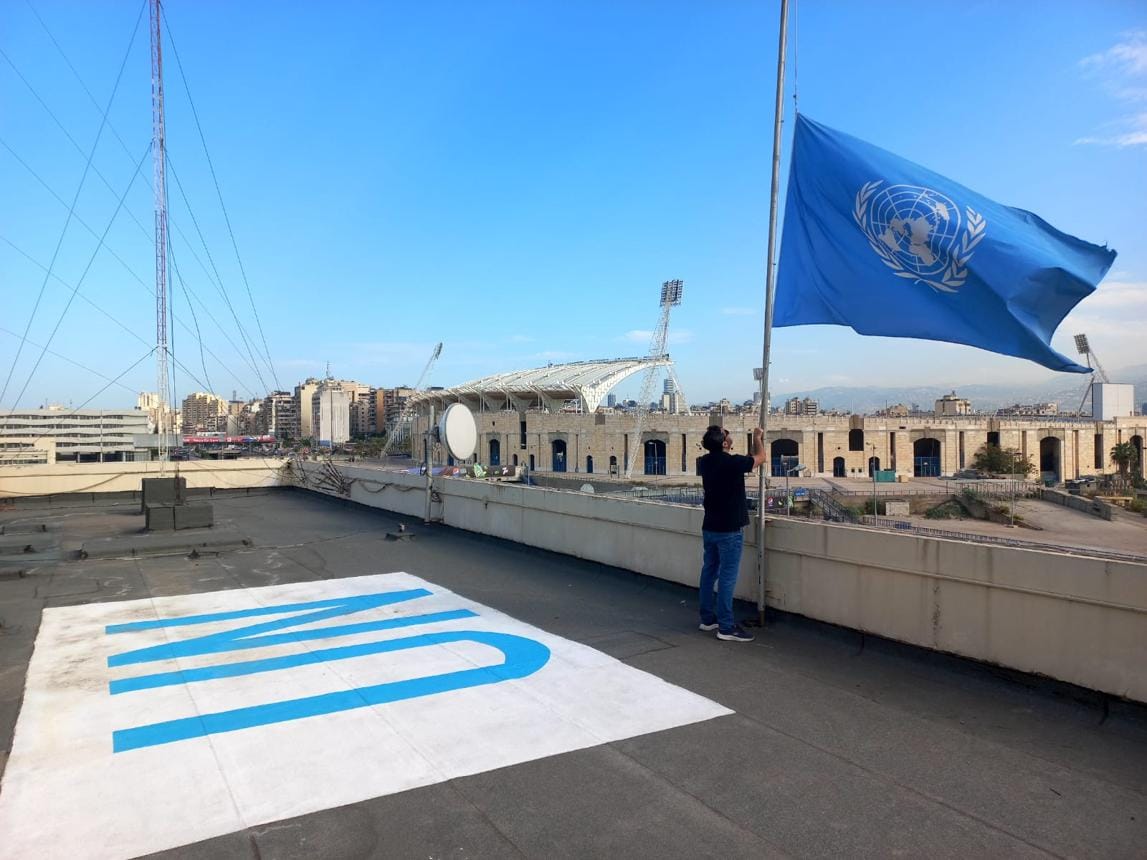

UNRWA Faces Uncertain Future Amid Deepening Crisis
The United Nations Relief and Works Agency for Palestine Refugees (UNRWA) is facing what officials describe as the most serious crisis in its history, with growing financial strain, political pressure, and operational challenges threatening its future.
UNRWA Commissioner-General Philippe Lazzarini warned that the agency is approaching a point where it may become “unviable,” highlighting the severe difficulties it is currently facing.
The agency, based in Geneva, was originally established in 1949 to provide relief services to Palestinian refugees displaced during the 1948 conflict. Over time, it has evolved into a major humanitarian provider, delivering essential health, education, and social services across the Middle East.
Despite its expanded role, UNRWA was intended as a temporary organization until a political resolution to the Israeli-Palestinian conflict was reached. However, the absence of a lasting settlement has led to repeated renewals of its mandate.
Today, UNRWA operates under increasing pressure, particularly in Gaza, where access and operational capacity have been significantly affected by ongoing conflict and political restrictions.
Financial constraints have further intensified concerns, with donor uncertainty and political debates impacting the agency’s ability to maintain essential services for millions of refugees.
The situation has sparked global debate about the future of humanitarian aid structures in the region and whether UNRWA’s responsibilities should be restructured or replaced in the long term.
As the crisis deepens, international stakeholders continue to assess how best to ensure continuity of aid for Palestinian refugees while addressing the agency’s long-standing structural challenges.