Do Language Tests in Europe Aid Integration or Politics?

Across Europe, governments are increasingly tightening citizenship and residency requirements by introducing or strengthening language and civic knowledge tests. These measures are officially presented as tools to support integration, but they are also generating debate about their real political purpose.

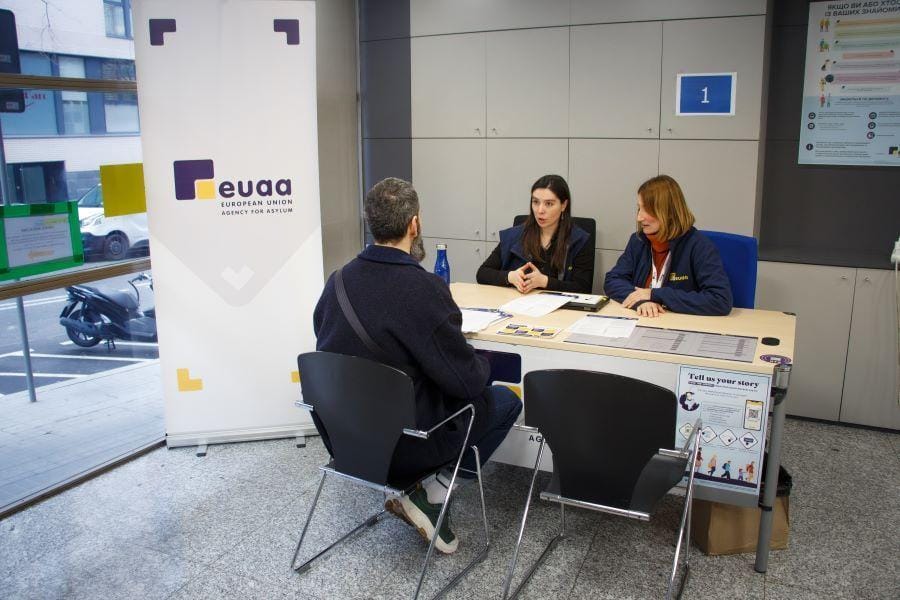
In countries across the continent, applicants for citizenship are often required to demonstrate proficiency in the national language and show understanding of local laws, history, and cultural norms. Policymakers argue that these requirements help newcomers integrate more effectively into society and improve long-term social cohesion.

However, critics question whether these policies are primarily about integration or political positioning. They argue that stricter testing frameworks may be designed to appeal to domestic voters concerned about immigration, rather than to meaningfully improve integration outcomes.

Supporters of the policies claim that language competence is essential for employment, education, and civic participation. They also argue that shared linguistic and civic understanding strengthens national unity and reduces social fragmentation.

Opponents, however, point out that integration is a complex, long-term process that cannot be fully measured through standardized tests. They warn that overly strict requirements may exclude qualified applicants and create additional barriers for migrants seeking legal status.

The debate reflects a broader tension in European migration policy, where governments must balance public opinion, labor market needs, and social integration goals.

As immigration continues to shape political discourse across Europe, language and knowledge tests remain at the center of a larger question: are they genuinely integration tools, or increasingly instruments of domestic political messaging?

Swiss Vote on 10 Million Population Cap Plan.

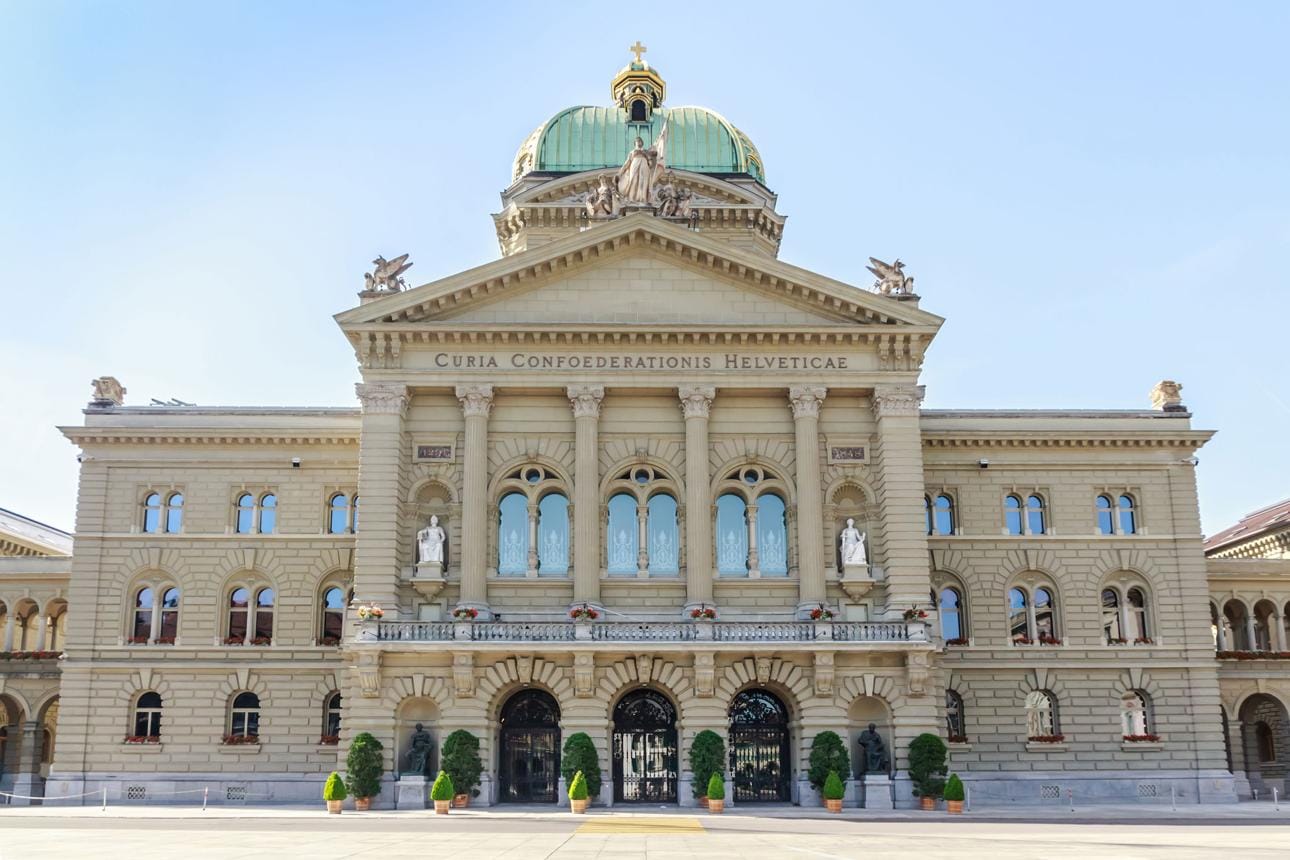
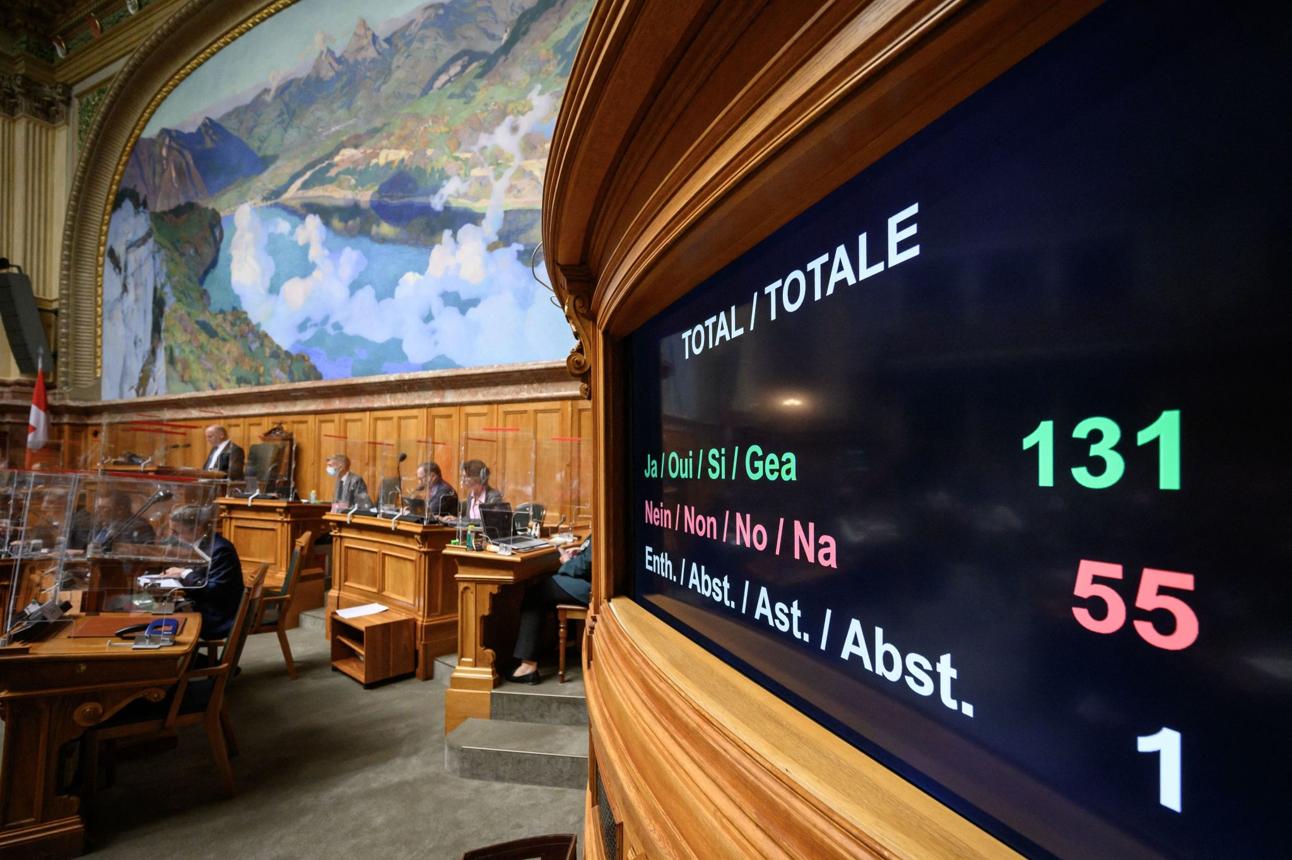
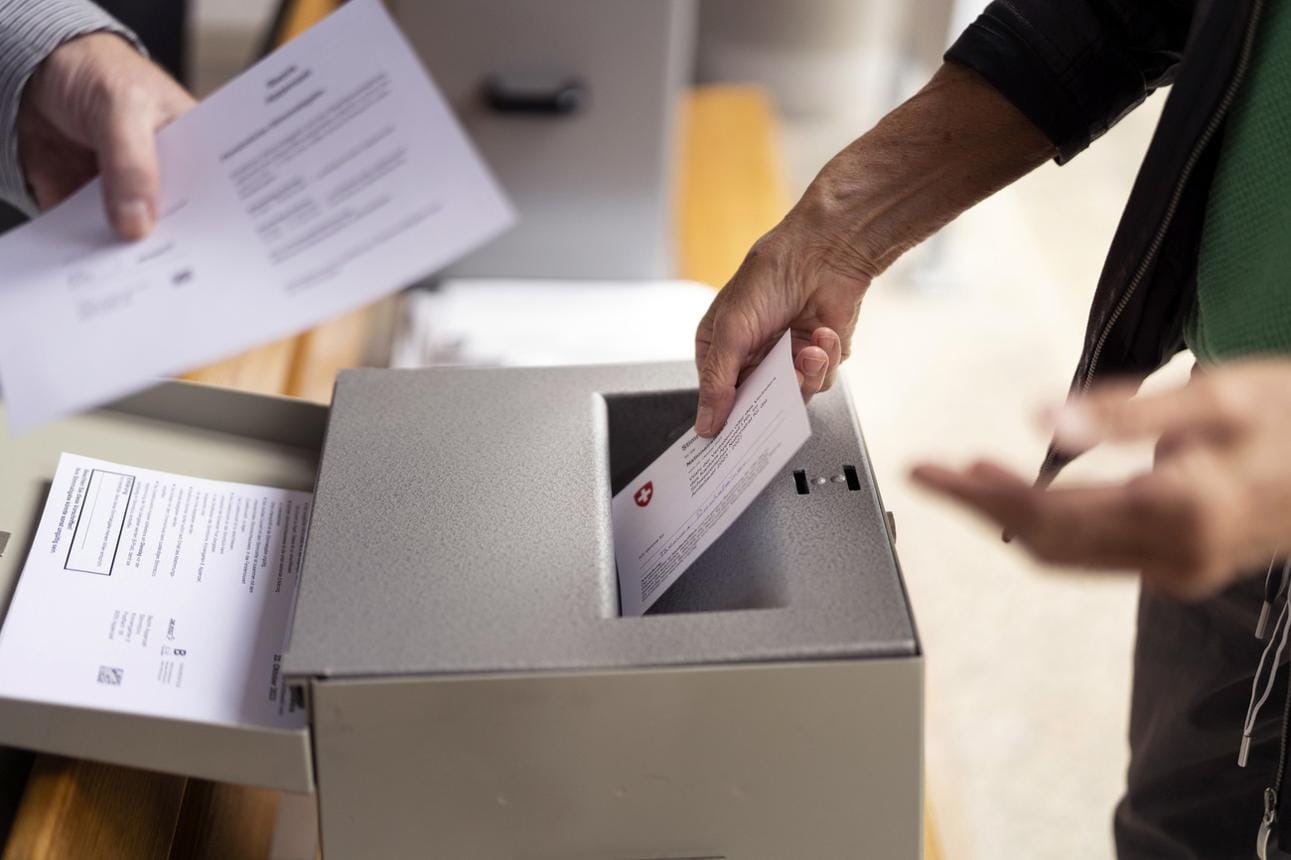
Swiss voters are set to decide next month on a controversial initiative that proposes capping the country’s population at 10 million, sparking intense debate across the nation.

The proposal, which is widely seen as an anti-immigration measure, has divided public opinion in Switzerland, a country known for its strong economy, high living standards, and reliance on foreign labor.

Supporters argue that limiting population growth is necessary to protect infrastructure, housing availability, and environmental sustainability. They believe rapid population increases are placing pressure on transport systems, public services, and urban development.

Opponents, however, warn that such a cap could severely damage Switzerland’s economy, which depends heavily on skilled foreign workers across industries such as healthcare, technology, and finance. Critics also argue that the initiative could harm Switzerland’s international reputation and labor market stability.

The referendum highlights growing tensions in Swiss politics over immigration, demographic change, and national identity. Similar debates have previously shaped policy discussions within Switzerland, which regularly holds referendums on major national issues.

If approved, the measure could have long-term implications for immigration policy, labor supply, and Switzerland’s economic growth model.

The vote is expected to be closely watched both domestically and internationally, as it reflects broader European debates on migration and population control.

Swiss Cantons Oppose Converting Asylum Status Into Work Permits

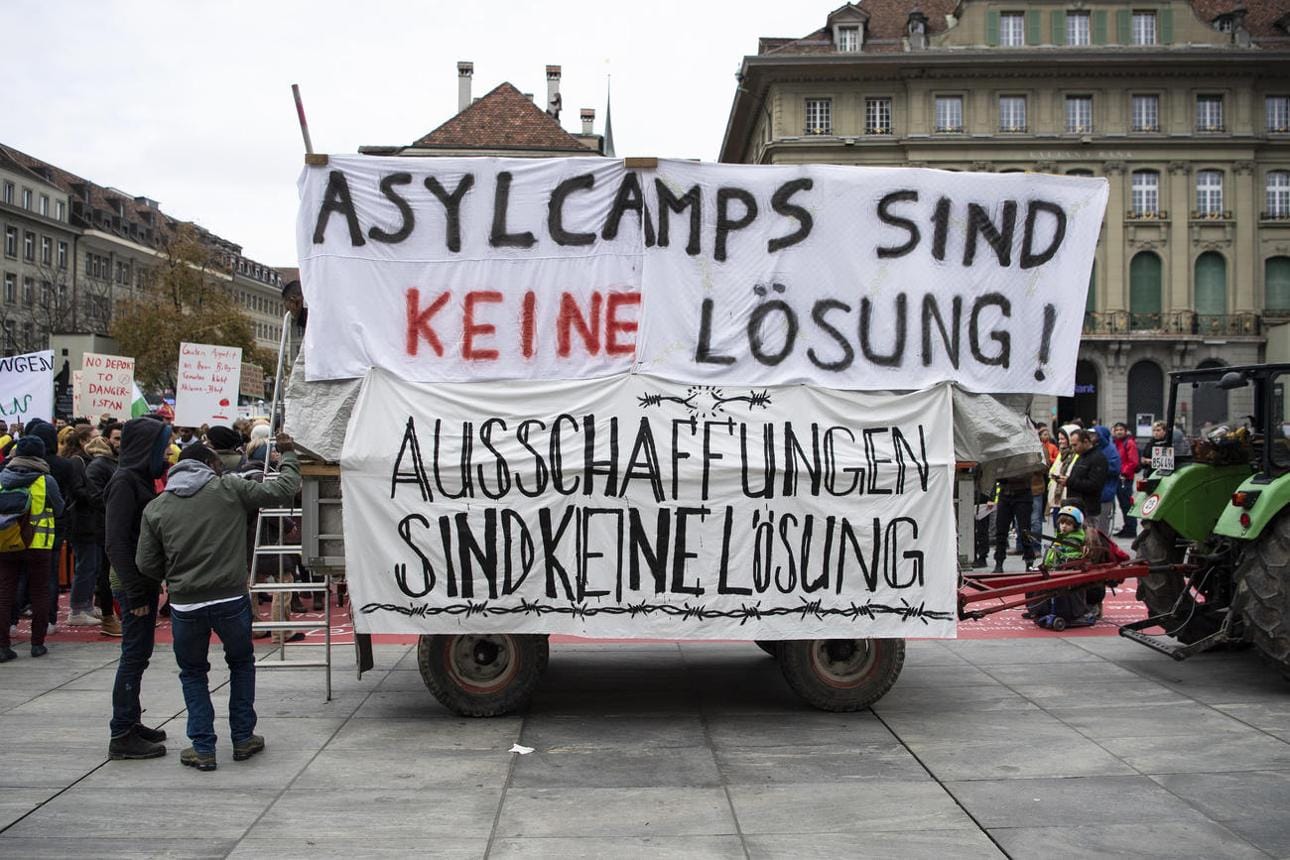
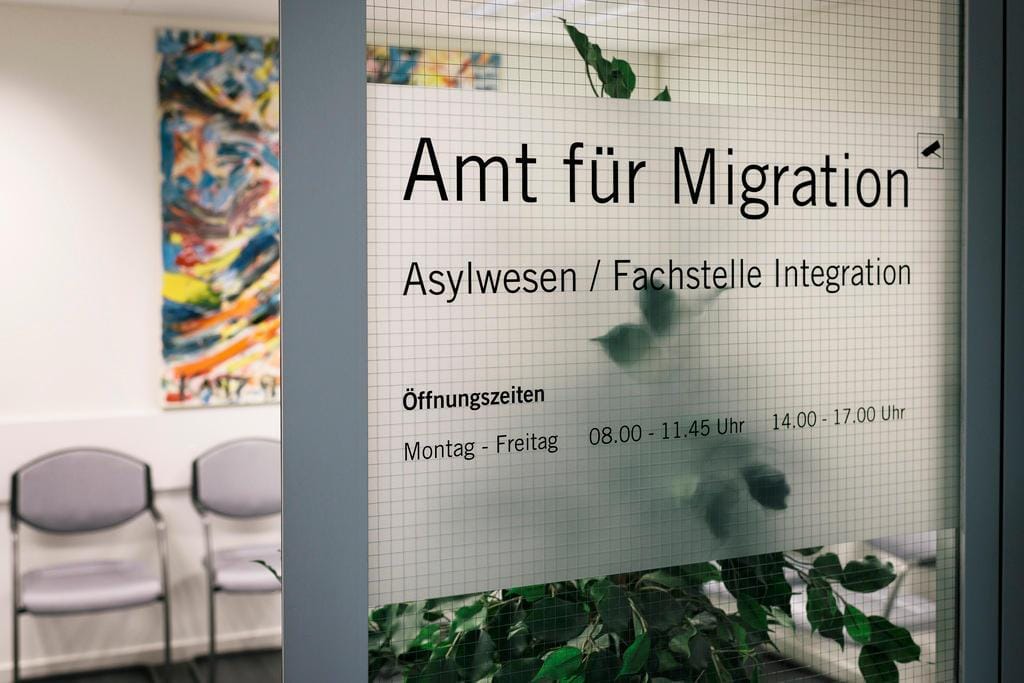
Several Swiss cantons have opposed a federal proposal that would allow asylum seekers with temporary protection status to convert their residency into work permits after five years.

The Conference of Cantonal Directors of Social Affairs of Central Switzerland warned that the policy could place significant financial pressure on cantons and municipalities across Switzerland.

The debate mainly concerns refugees holding Switzerland’s temporary protection status S, many of whom arrived from Ukraine following the ongoing conflict. Cantonal authorities argue that status S was originally designed as a short-term humanitarian measure rather than a pathway to permanent residence.

According to the cantons, automatically converting S permits into B residence permits after five years would fundamentally change the purpose of the protection system. Officials stated that such a move would transform a temporary protection mechanism into a long-term immigration model.

The cantons also criticized the federal government’s financial approach. Under the proposal, Bern plans to reduce or stop federal financial support after five years, while local governments would continue covering social welfare and integration costs.

Regional leaders are now demanding greater authority over social assistance policies and adjustments to federal regulations to ensure that cantons are not left carrying the long-term financial burden alone.

The Conference of Cantonal Directors of Social Affairs of Central Switzerland includes the cantons of Lucerne, Uri, Schwyz, Nidwalden, Obwalden, and Zug.

The issue is expected to remain politically sensitive as Switzerland continues balancing refugee protection policies with economic and social integration challenges.

93-Year-Old Chinese Widow Ordered to Leave Switzerland.

A 93-year-old Chinese woman has been ordered to leave Switzerland despite receiving intensive care from her daughter living in the country.

The decision was confirmed by the Bern Administrative Court after authorities ruled that the legal requirements for residency based on family dependency had not been sufficiently proven.

The elderly woman’s daughter, who holds a Swiss passport, lives with her family in the Bern region. In 2018, she travelled to China to care for her seriously ill father.

Following his death, she brought her mother to Switzerland in late 2021 on a visa and later applied for a residence permit on humanitarian and family grounds.

According to the appeal documents, the 93-year-old widow suffers from mild dementia and several age-related health conditions.

Her legal representatives argued that she was emotionally and psychologically dependent on her daughter for daily support and care.

However, the Bern Administrative Court ruled that Swiss immigration law requires proof of an “indispensable dependency” to justify a right to remain in the country for family reasons.

The judges concluded that this level of dependency had not been clearly established in the case.

The court also stated that medical diagnoses such as mild dementia do not automatically guarantee residency rights in Switzerland. Judges further argued that appropriate care could still be arranged in the woman’s hometown of Nanjing in China.

Additionally, the court found that the woman lacked sufficiently strong ties to Switzerland to qualify for a pensioner residence permit.

Authorities also rejected claims of humanitarian hardship, stating that there was insufficient evidence proving that returning to China would result in a premature death.

The woman has been ordered to leave Switzerland before June 17, 2026. However, the case may still be appealed to the Swiss Federal Court, leaving a final legal decision pending.

The ruling has sparked discussion among immigration observers and human rights advocates regarding elderly care, family reunification policies, and humanitarian considerations within the Swiss legal system.

Swiss Population Cap Could Cost Billions, Study Warns

Switzerland could face significant long-term economic losses if the proposed “No to ten million” population cap initiative is approved, according to a new study published by the Swiss migration authorities ahead of the upcoming federal referendum.

The report, released by the government’s migration office, concludes that restricting immigration would provide only limited relief to housing pressure, while generating substantial financial costs for the economy and public finances.

While the study acknowledges that limiting population growth could slightly ease overcrowding in certain urban areas and the housing market, it states that these benefits would be far smaller than the broader economic consequences.

The analysis warns that Switzerland’s pension system would be severely affected, with the state pension fund potentially losing several billion francs annually over the coming decades due to a shrinking workforce.

It also projects a decline in tax revenues, noting that public income would fall more sharply than government spending reductions. As a result, the share of healthcare and social costs relative to national income would increase compared to a scenario without population limits.

The report further states that savings in social assistance and supplementary benefits would not be sufficient to compensate for reduced tax income. This imbalance could eventually lead to higher taxes for residents, particularly impacting the working-age population.

The initiative, which proposes limiting Switzerland’s population growth to around ten million people, has sparked strong political debate, especially regarding its impact on economic stability, labour shortages, and public services.

The study concludes that while migration control may offer short-term relief in specific sectors, the long-term fiscal impact could be significantly negative for the Swiss economy.

Swiss Minister Says Migrants Boost Economy

A senior Swiss minister has voiced strong support for migration, highlighting its economic benefits ahead of a key national vote in Switzerland.

The debate comes as the Swiss People’s Party pushes a proposal titled “No to 10 Million Switzerland,” which aims to limit the country’s population growth. The initiative seeks to curb immigration and will be put to a public vote on June 14.

Supporters of the proposal argue that rising immigration contributes to housing shortages and places increasing pressure on transport systems and public services.

However, Swiss Interior Minister Elisabeth Baume-Schneider has publicly defended migration, emphasizing its positive impact on the national economy. She stated that foreign workers play a vital role in strengthening Switzerland’s financial system.

According to the minister, migrants significantly contribute to the country’s pension system. She noted that foreign workers pay more into the pension scheme than they receive, effectively generating a surplus that supports long-term financial stability.

Her remarks come at a critical moment as voters prepare to decide on one of the most debated migration policies in recent years. The outcome of the referendum could shape Switzerland’s future approach to immigration and economic growth.

Migros CEO Warns Foreign Workers Are Essential for Switzerland’s Economy

The debate over immigration in Switzerland has intensified as the upcoming “No to 10 million” referendum approaches. Amid this discussion, Mario Irminger, CEO of Migros, has issued a strong warning about the critical role of migrant workers in sustaining the country’s economy.

Speaking ahead of the June 14 national vote, Irminger emphasized that Switzerland’s retail and food sectors depend heavily on foreign labor. He stated that migrant workers play a vital role in maintaining current service standards and ensuring a stable supply of goods across the country.

Switzerland is currently facing a significant labor shortage, and foreign workers have become essential in filling workforce gaps. Irminger highlighted that in Micarna, a major meat processing subsidiary, around 60% of employees are foreign nationals. This statistic clearly demonstrates the extent to which key industries rely on international labor.

He further warned that reducing immigration could directly impact service quality and disrupt supply chains. According to Irminger, the Swiss economy will continue to depend on migrant workers not only in the present but also in the future to maintain operational stability.

The “No to 10 million” proposal aims to limit Switzerland’s population growth by tightening immigration policies. While some political and social groups support the initiative due to concerns about rapid population increase, business leaders fear it could worsen labor shortages, particularly in retail and manufacturing sectors.

This issue has now evolved into a major national debate, balancing population control against economic sustainability. The outcome of the upcoming referendum will play a decisive role in shaping Switzerland’s future immigration policy and its economic stability.