French Authorities Carry Out Surprise Searches at Nestlé Waters Sites

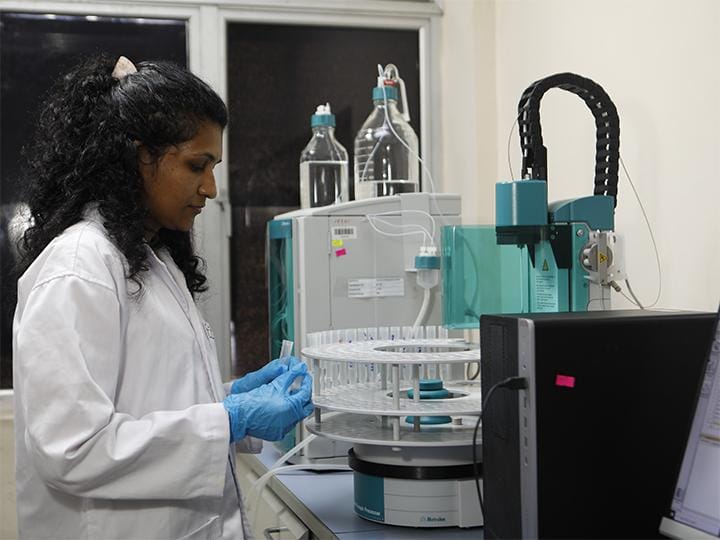
French authorities carried out unannounced inspections and searches at two industrial sites operated by Nestlé Waters, the bottled water subsidiary of Swiss-based food giant Nestlé.

The raids took place on Tuesday at the Perrier plant in Vergèze and a laboratory in Vittel, according to Radio France investigative reporting. Around 40 officials from French fraud authorities were involved in the coordinated operation.

The inspections are part of an ongoing investigation led by the Paris public prosecutor’s office following a complaint filed by the NGO Foodwatch, which alleges potential fraud linked to bottled water operations.

Authorities have not yet disclosed specific findings from the searches. However, the investigation is understood to focus on regulatory compliance and possible misconduct within water treatment or labeling practices.

Nestlé Waters confirmed that unannounced inspections were taking place at its sites and stated that it is fully cooperating with the relevant authorities throughout the process.

The case adds further scrutiny to Switzerland’s Nestlé, which has faced multiple regulatory and public trust challenges in recent years related to food and water safety concerns.

French investigators continue to examine evidence as part of a broader inquiry into corporate practices in the bottled water sector.

Swiss Banking Fraud Cases Increase in 2025, Ombudsman Reports.

Financial fraud cases have increased in Switzerland in 2025, according to the Swiss Banking Ombudsman, with online banking and card payment scams driving most complaints.

The Swiss Banking Ombudsman handled 2,575 cases last year, marking a 4% increase compared with the previous year, as reported by Ombudsman Andreas Barfuss during a press conference.

Fraud-related complaints rose significantly to 316 cases in 2025, up from 270 in 2024. Officials said phishing attacks and digital payment fraud remain the most common issues affecting customers.

Regionally, 55% of complaints came from German-speaking Switzerland, while 23% originated from abroad. French-speaking Switzerland accounted for 19%, and Italian-speaking regions remained stable at 3%.

The report noted that in 90% of cases, the disputed amount was below CHF 100,000, indicating that most incidents involve relatively moderate financial losses.

Authorities emphasized that banks are not generally legally required to reimburse victims of such fraud cases. However, each complaint is assessed individually based on the circumstances and evidence provided.

Experts warn that the rise in digital fraud reflects growing cybersecurity risks as more banking services move online, highlighting the importance of stronger user awareness and preventive security measures.

79-Year-Old Man Loses CHF 40,000 in Romance Scam

A 79-year-old retired man in Winterthur has lost more than CHF 40,000 after becoming the victim of a suspected romance scam, according to local police.

The Stadtpolizei Winterthur confirmed the arrest of two suspects linked to the case. Investigators say the victim became acquainted earlier this year with two women from Romania, who later visited him at his home.

Authorities stated that the relationship quickly developed into an emotionally close and romantic connection. During this period, the suspects allegedly requested financial support by claiming to face urgent personal problems, including housing debt, medical expenses for a family member, and notary fees.

Over several meetings, the elderly victim reportedly transferred or handed over more than CHF 40,000 to the individuals involved.

The man later became suspicious and filed a complaint with Winterthur police, prompting a detailed investigation.

On April 24, police arrested a 29-year-old woman with German-Romanian dual citizenship and a 36-year-old Turkish man while they allegedly attempted to collect an additional CHF 6,500 from the victim.

Both suspects are currently under investigation for repeated fraud offences and have been handed over to prosecutors.