

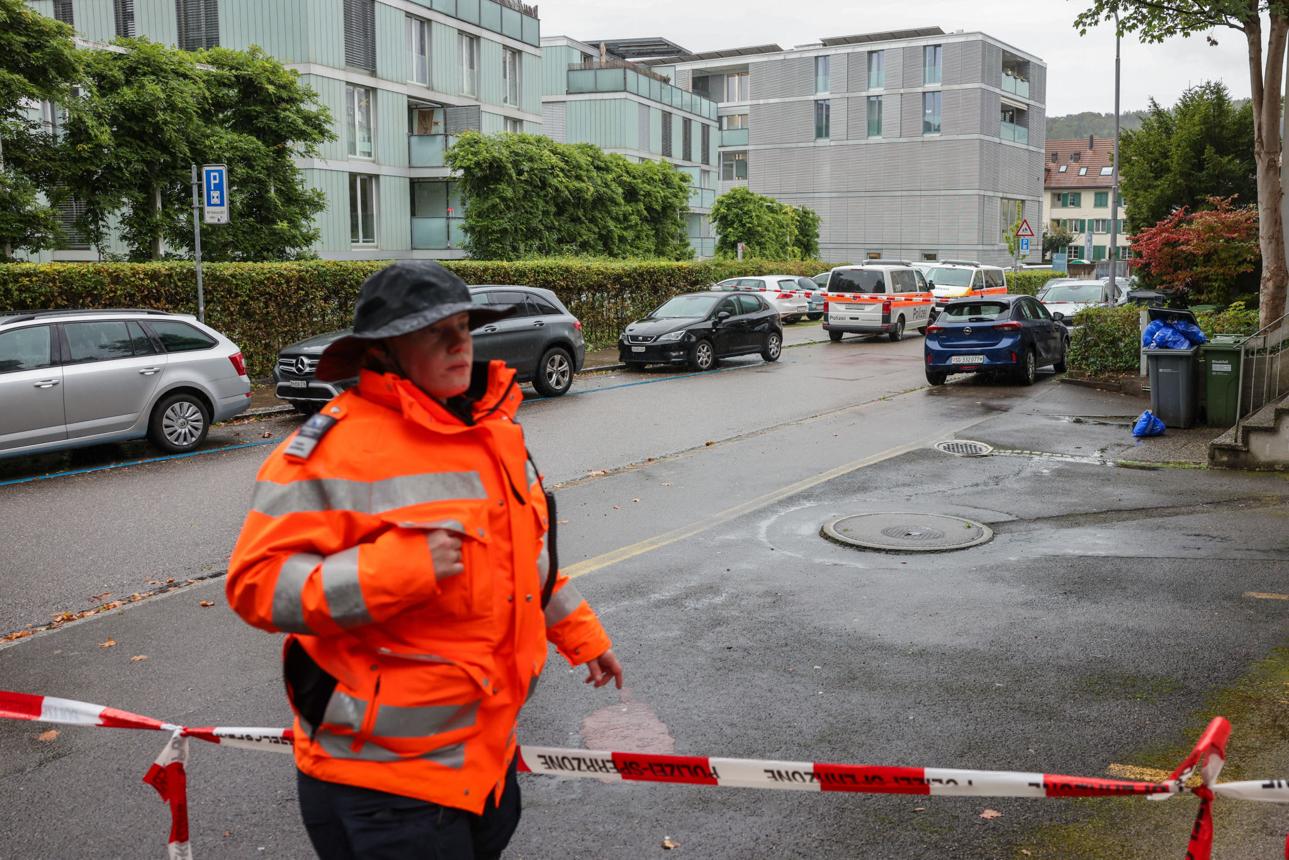

Swiss Media Analyze Winterthur Knife Attack.
Swiss media outlets are closely examining the recent knife attack in Winterthur, where three people were injured on Thursday morning. The discussion has shifted toward whether the incident was driven by radicalisation, psychological illness, or a combination of both factors.
German psychologist Ahmad Mansour told Blick that mental illness and ideological radicalisation can coexist and often reinforce each other. He argued that focusing only on psychological instability may overlook potential ideological risks. Mansour also criticised the clinic that released the 31-year-old suspect shortly before the attack, suggesting that while the patient’s mental condition was assessed, possible extremist risk factors may not have been fully considered.
In contrast, psychologist and criminologist Jérôme Endrass of Zurich’s Office of Corrections and Rehabilitation presented a different view in the Neue Zürcher Zeitung. He explained that the patient showed no immediate signs of danger at the time of release, and therefore standard procedures were followed. According to Endrass, psychiatric institutions primarily assess mental health risks rather than carrying out detailed ideological threat evaluations.
Endrass also highlighted structural limitations in Switzerland’s system, noting that psychiatric clinics are generally not informed about possible Islamist links for data protection and security reasons. Likewise, police and judicial authorities do not have access to medical records, creating a separation between security and healthcare systems.
He added that whether the attack had an Islamist motive remains uncertain based on current evidence. Initial assessments suggest that psychosis may have played a central role in the attacker’s behaviour, with indications that the violence appeared random rather than ideologically targeted.
Experts note that ideologically motivated attackers typically select symbolic targets such as Western institutions, religious groups, or specific communities. In this case, the lack of targeted selection has led investigators to continue exploring both psychological and potential ideological explanations.
The debate highlights ongoing challenges in Switzerland regarding risk assessment, information sharing, and early identification of individuals who may pose a threat to public safety.