
Swiss Report Highlights Key Role in Commodity Trading.

A new report highlights Switzerland’s central position in global commodity trading, emphasizing both its economic importance and its environmental impact. The study suggests that Switzerland is not only a trading hub but also a key player capable of influencing how global commodity markets evolve.

The report, published by the Swiss Academy of Sciences (SCNAT), brings together experts from 11 research institutions. It concludes that modern trading companies are no longer simple intermediaries but are deeply involved in multiple stages of global supply chains.

According to the findings, trading houses now actively finance extraction projects, manage logistics such as ports and warehouses, and in some cases even operate mines. They also increasingly participate in financial markets linked to commodities, giving them significant control over entire value chains.

This expanded role has raised concerns about environmental and social impacts. The report links commodity trading activities to deforestation, high water consumption, and biodiversity loss in resource-rich regions around the world.

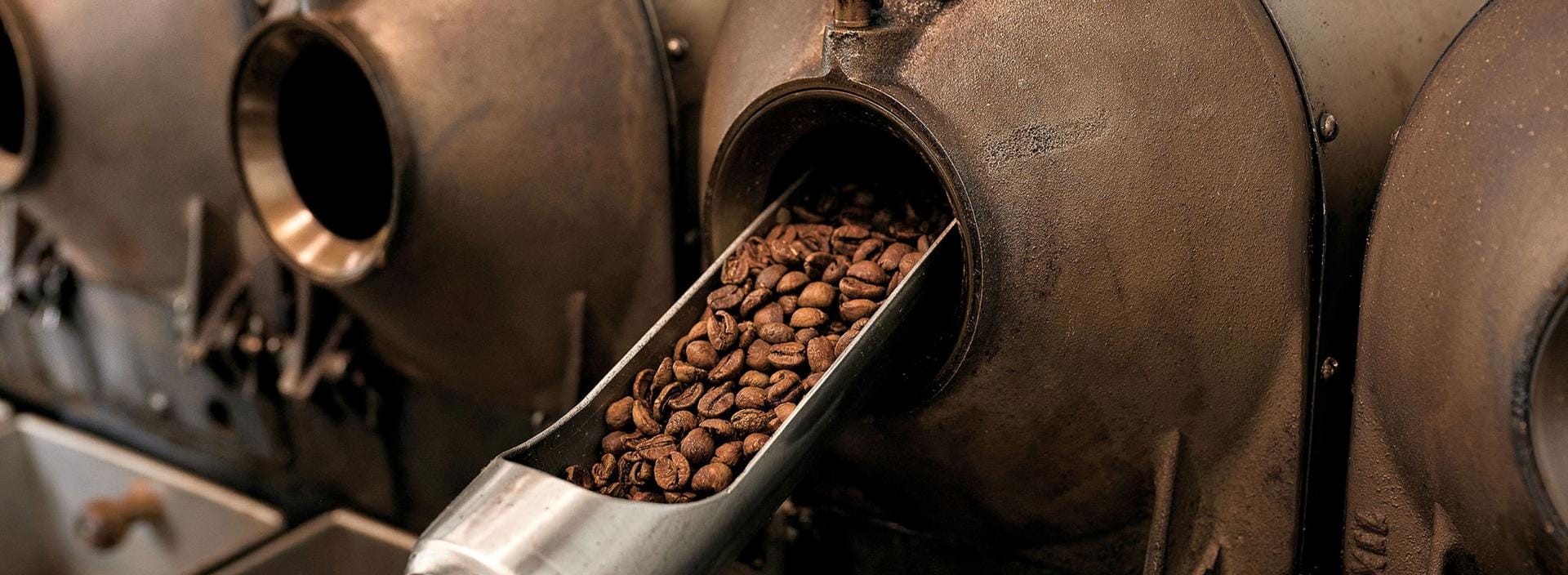
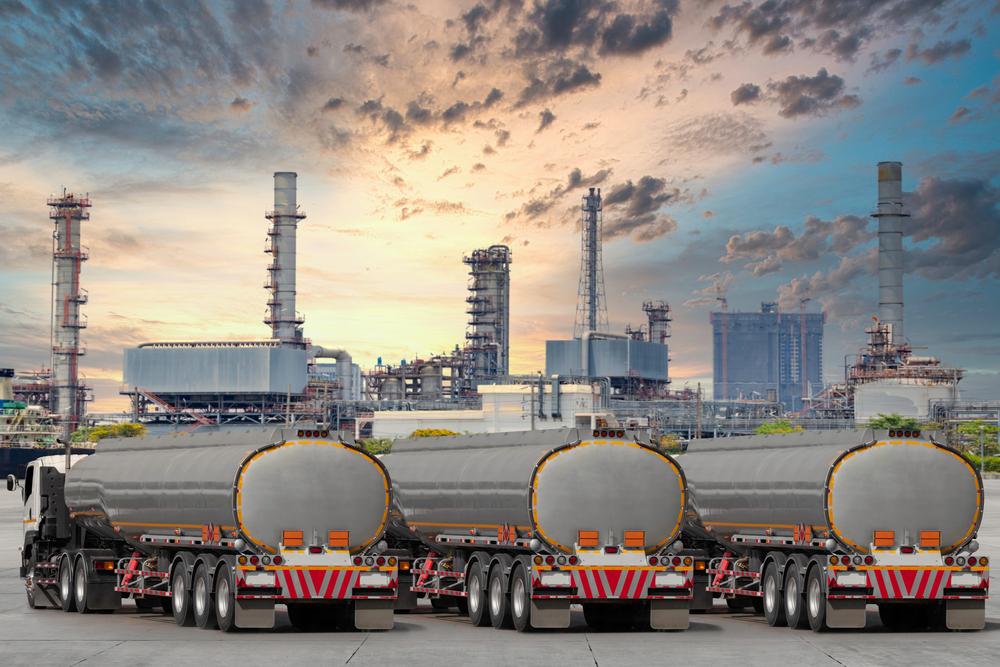
Despite these concerns, Switzerland remains one of the most important global centers for commodity trading. The study estimates that around 60% of copper, aluminium, and iron ore trade passes through Swiss-based traders. In addition, 53% of global coffee trade and 39% of crude oil trade are handled through Switzerland.

Researchers argue that this dominant position gives Switzerland a unique responsibility. Because of its influence in global markets, the country is in a strong position to shape more sustainable trading practices and encourage greater environmental accountability across supply chains.

The report also emphasizes that commodity trading has evolved into a highly complex system that connects financial markets, raw material extraction, and global consumption. As a result, decisions made in Switzerland can have wide-reaching effects on ecosystems and communities worldwide.

Experts from SCNAT conclude that Switzerland’s role in commodity trading is both an opportunity and a challenge. While it strengthens the country’s economy, it also places it at the center of debates on sustainability, transparency, and global responsibility in resource management.
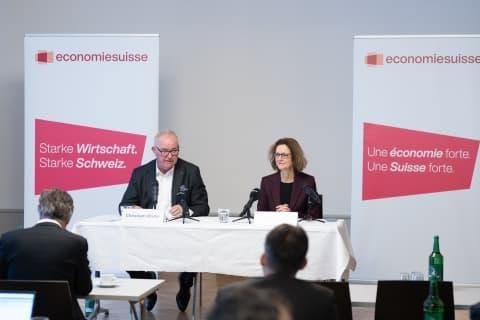

Economiesuisse Calls US Forced Labour Allegations ‘Unfounded’.

Switzerland’s leading business federation, Economiesuisse, has strongly rejected recent US allegations of forced labour, describing the claims as “completely unfounded” and inconsistent with Swiss law.

Speaking at a media conference, Economiesuisse chief economist Rudolf Minsch stated that forced labour is strictly prohibited under Swiss legislation. He emphasized that Switzerland has fully complied with international labour standards and said, “Switzerland has done its homework.”

The statement comes in response to renewed tariff threats from the United States, which have raised concerns among Swiss exporters. According to Minsch, the current proposed 12.5% tariffs on Swiss goods are not expected to significantly disrupt the economy, as they are only slightly higher than the 10% tariffs proposed for European Union countries.

He explained that Swiss companies could gradually absorb the additional costs, adjust their supply chains, or pass some of the impact on to consumers if necessary. Compared to earlier trade tensions, the current situation is seen as less severe.

Minsch highlighted that previous tariff levels were far more damaging. He recalled that Switzerland once faced tariffs as high as 39% while the EU was subject to 15%, calling that period “the real blow” for Swiss exporters due to the wide competitiveness gap.

Despite ongoing uncertainty, Economiesuisse stressed that predictability in trade policy is more important for businesses than small differences in tariff rates. The organization noted that Swiss companies are better able to adapt when they have clear, long-term regulatory expectations.

Overall, Swiss industry leaders remain cautiously optimistic, stating that while trade tensions persist, the impact on Switzerland’s economy is expected to remain manageable.

US Proposes New Tariffs on Swiss Goods Over Forced Labour Concerns

The United States has announced plans to impose new tariffs of 12.5% on Swiss imports linked to allegations of goods produced using forced labour, escalating trade tensions between the two countries.

The move is part of a broader trade policy initiative under the US administration, which targets around 60 trading partners, including Switzerland. The US argues that affected countries have not done enough to prevent imports of products linked to forced labour practices.

According to a report from the US Trade Representative, Switzerland is among 54 economies that allegedly lack a clear legal ban on such imports. As a result, Washington is considering additional tariffs on 45 of these countries, including Switzerland.

However, certain products such as semiconductors, coffee, beef, and fruit would be excluded from the proposed tariff measures.

Other countries facing similar or lower tariff proposals include the European Union, Canada, the United Kingdom, Mexico, Indonesia, Pakistan, and several Asian and Latin American nations.

The proposal is still under review, but it signals increased pressure on Switzerland’s export-driven economy, particularly in sectors linked to global supply chains.

Swiss authorities have not yet issued an official response, but the issue is expected to be discussed further in upcoming trade negotiations.

Samsung Chip Workers Set for £310K AI Bonuses.

Samsung Electronics has agreed to a major profit-sharing deal that will give memory chip workers average bonuses of around £310,000. The agreement comes as the global AI boom sharply increases demand for semiconductor chips.

The company will allocate 10.5% of operating profits from its semiconductor division directly to employee bonuses. Workers voted in favor of the deal, helping avoid a planned strike involving more than 62,000 employees.

Samsung’s chip division plays a critical role in global supply chains and accounts for a large share of South Korea’s exports. The agreement prevents possible disruptions that could have affected worldwide chip availability.

The AI industry has significantly increased demand for memory chips used in data centers. As a result, companies like Samsung, SK Hynix, and Micron have seen strong profit growth, pushing them into the $1 trillion market valuation club.

However, internal tensions may rise within Samsung, as employees in other divisions receive much smaller bonuses compared to semiconductor staff. Legal and shareholder challenges are also being considered.

Industry experts say the deal reflects a broader shift in the “AI trade,” where memory chips are becoming just as important as processors in powering artificial intelligence systems.

Swiss Economy Records Strong Growth in Early 2026 Despite Global Challenges

Switzerland’s economy showed stronger-than-expected growth during the first quarter of 2026 despite rising oil prices and ongoing global trade uncertainties. According to the latest flash estimate released by the Swiss State Secretariat for Economic Affairs (SECO), the country’s real seasonally adjusted gross domestic product (GDP) increased by 0.5% compared to the previous quarter.

The positive economic performance came from growth in both the industrial and service sectors. Economists had predicted a lower increase of between 0.3% and 0.4%, making the latest figures a positive surprise for the Swiss economy. During the final quarter of 2025, Switzerland’s GDP had grown by only 0.2%, while the previous quarter experienced a 0.5% decline due to international tariff disputes and trade tensions.

GDP Growth=0.5%GDP\ Growth = 0.5\%GDP Growth=0.5%

SECO economic expert Felicitas Kemeny explained that confidence in the economy has improved in recent months. She stated that reduced tariffs and slight economic recovery in Germany helped support Swiss economic activity. Several economic indicators also pointed toward stronger business confidence and stable consumer activity across Switzerland.

Although oil prices increased significantly during March, analysts noted that confidence indicators remained relatively stable. This has created optimism that Switzerland may maintain positive economic momentum in the short term. However, uncertainty still exists because global energy prices and international trade conditions continue to affect economic forecasts worldwide.

The Swiss government currently expects economic growth of around 1.0% for 2026 under its main scenario. If oil prices remain elevated for a longer period, experts believe growth could slow slightly to around 0.8%. SECO will release the detailed GDP report on June 1, which will provide more information about the performance of individual sectors within the Swiss economy.

Switzerland continues to demonstrate resilience despite global economic pressure, inflation concerns, and international market instability. Economists believe the country’s diversified economy, stable financial system, and strong industrial base continue to support steady economic growth during uncertain times.

Swiss President Criticises EU Steel Tariffs as Harmful

Swiss President Guy Parmelin has strongly criticised new steel tariffs approved by the European Union, calling the measures “counterproductive” and harmful to European supply chains.

Speaking to Swiss public broadcaster SRF, Parmelin said he had already warned European Commission President Ursula von der Leyen that the tariffs could become an “own goal” for Europe.

The EU plans to introduce stricter protections for its steel sector starting July 1, including a major reduction in duty-free steel import quotas. Swiss steel producers are expected to be affected by the changes despite Switzerland’s close economic integration with European manufacturing industries.

Parmelin argued that Switzerland plays a crucial role in European industrial supply chains, particularly in sectors such as aerospace and advanced manufacturing. He warned that restricting Swiss steel imports could negatively impact European companies that depend on Swiss materials and components.

The Swiss government and the European Commission are now expected to negotiate updated import quotas through the framework of the World Trade Organization.

The Swiss president also expressed frustration over new EU rules concerning unemployment benefits for cross-border workers. Under the proposed regulation, unemployed cross-border workers would receive benefits from the country where they last worked instead of their country of residence.

According to Switzerland’s State Secretariat for Economic Affairs (SECO), the change could cost Switzerland up to CHF900 million annually. Parmelin described the move as unhelpful and said he was surprised that the EU had raised several sensitive issues while Switzerland and the EU were still discussing broader agreements on bilateral relations.

At the same time, Switzerland’s trade discussions with the United States are also facing difficulties. Parmelin noted that uncertainty surrounding a recent US Supreme Court decision on presidential tariff powers has complicated negotiations between Bern and Washington.

Swiss officials are still awaiting a formal response from the US regarding Switzerland’s trade proposals. Analysts say the situation highlights the increasing pressure facing Switzerland as it navigates complex trade relationships with both the EU and the United States.

How Switzerland Became the World’s Second-Largest Coffee Exporter

Switzerland has become one of the most surprising leaders in the global coffee export market, despite not producing a single coffee bean due to its climate. Today, it ranks as the second-largest coffee exporter in the world, only behind Brazil.

The success is driven not by cultivation, but by high-value processing and re-exporting. Green coffee beans are imported into Switzerland at relatively low prices and then transformed into premium roasted products for global markets. According to research from the University of St. Gallen, raw coffee beans are imported at around $5 per kilogram, while processed exports can reach up to $26.80 per kilogram.

This massive value addition has made coffee Switzerland’s most important agricultural export, even surpassing traditional Swiss products such as cheese and chocolate in total export share.

A major contributor to this industry is global food and beverage giant Nestlé, which has built a strong global coffee ecosystem through brands like Nespresso and Nescafé. Switzerland has also become a key hub for trading, roasting, packaging, and distribution of coffee to international markets.

Experts say Switzerland’s success lies in its strong logistics infrastructure, political stability, financial systems, and high-tech food processing capabilities. These advantages allow companies to import raw materials, add value through advanced processing, and re-export finished goods efficiently.

However, the story of Swiss coffee dominance also has a complex side. While Switzerland profits significantly from coffee trading, most coffee is grown in developing countries where farmers often receive only a small portion of the final retail value. This global imbalance has sparked ongoing discussions about fairness in the coffee supply chain.

Today, Switzerland’s coffee industry stands as a powerful example of how a country can dominate global trade not through raw production, but through innovation, branding, and value-added processing.