


2026 FIFA World Cup Expected to Provide Limited Boost to Swiss Economy
The 2026 FIFA World Cup is expected to provide only a modest boost to the Swiss economy despite the tournament expanding to a record number of matches. The competition, hosted by the United States, Canada, and Mexico, will begin next month and feature 48 teams competing in 104 matches.
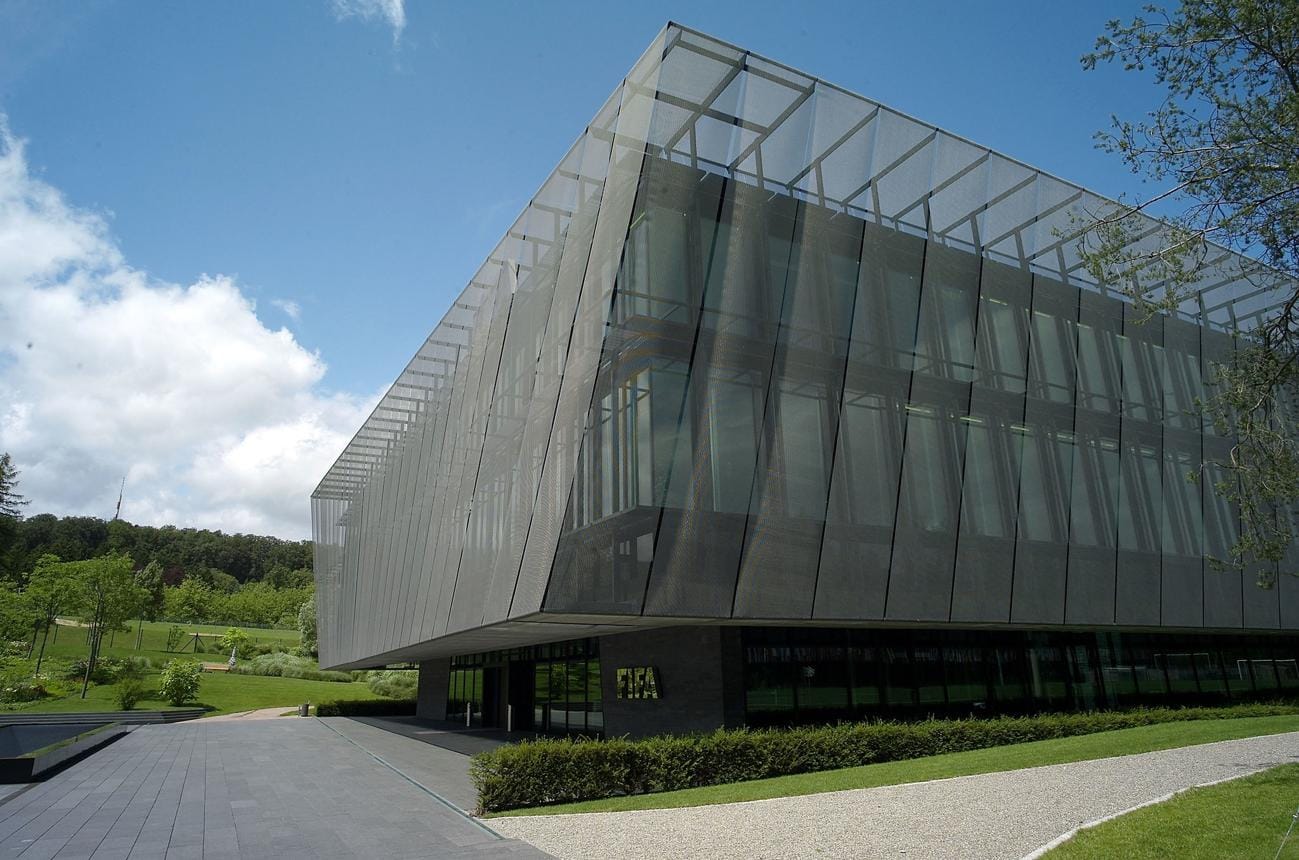
Although Switzerland is not hosting any matches, the country will still benefit economically because FIFA is based in Zurich. Revenue generated from broadcasting rights, sponsorship agreements, hospitality packages, and brand licensing is recorded as economic activity in Switzerland.
According to experts from the KOF Swiss Economic Institute, the tournament could increase Switzerland’s GDP in 2026 by approximately 0.3 to 0.4 percentage points. However, economists believe the overall impact will remain relatively limited.
Economist Alexander Rathke explained that the financial effects will likely stay within normal economic margins. While FIFA is expected to generate around CHF1 billion more in broadcasting revenue compared with the 2022 Qatar World Cup, the organisation has also significantly expanded its global football activities in recent years.
Analysts say the growing number of international football tournaments, including the FIFA Club World Cup and expanded women’s competitions, has reduced the unique economic significance of the men’s World Cup. BAK Economics noted that the broader expansion of FIFA and UEFA activities spreads economic effects across multiple events instead of concentrating them in a single tournament.
Experts also emphasized that the impact mainly exists on paper through accounting and financial reporting. The real economy and labour market in Switzerland are expected to experience only limited direct benefits, with relatively few new jobs created.
Nevertheless, increased revenues from international sports organisations continue to strengthen Switzerland’s position as a global hub for sports administration. FIFA and the International Olympic Committee generated approximately $8 billion in combined revenues during 2022, highlighting the growing financial power of global sporting institutions based in Switzerland.
Swiss economists now increasingly publish GDP figures excluding major sporting events in order to provide a clearer picture of the country’s actual economic performance.