


Switzerland Warns of High Risk of African Swine Fever Spread
Switzerland has warned that the risk of African swine fever (ASF) spreading into the country remains high as new outbreaks continue to emerge across Europe.
According to the Federal Food Safety and Veterinary Office (FSVO), transmission from infected wild boar populations to domestic pigs is possible at any time, particularly in regions near affected European zones.
The warning follows renewed outbreaks in Italy during April, after earlier hopes that the disease had been brought under control. Authorities also reported setbacks in Germany, where new ASF cases were recently detected in Saxony.
The Swiss government strongly advises travellers not to import pork or wild boar meat products from affected regions into Switzerland. Officials also urge hunters returning from those areas to thoroughly clean and disinfect clothing, footwear, vehicles, and equipment before crossing the border.
The FSVO stated that the ASF virus is highly resistant and can remain infectious for long periods in blood, meat products, and animal carcasses, increasing the risk of accidental transmission.
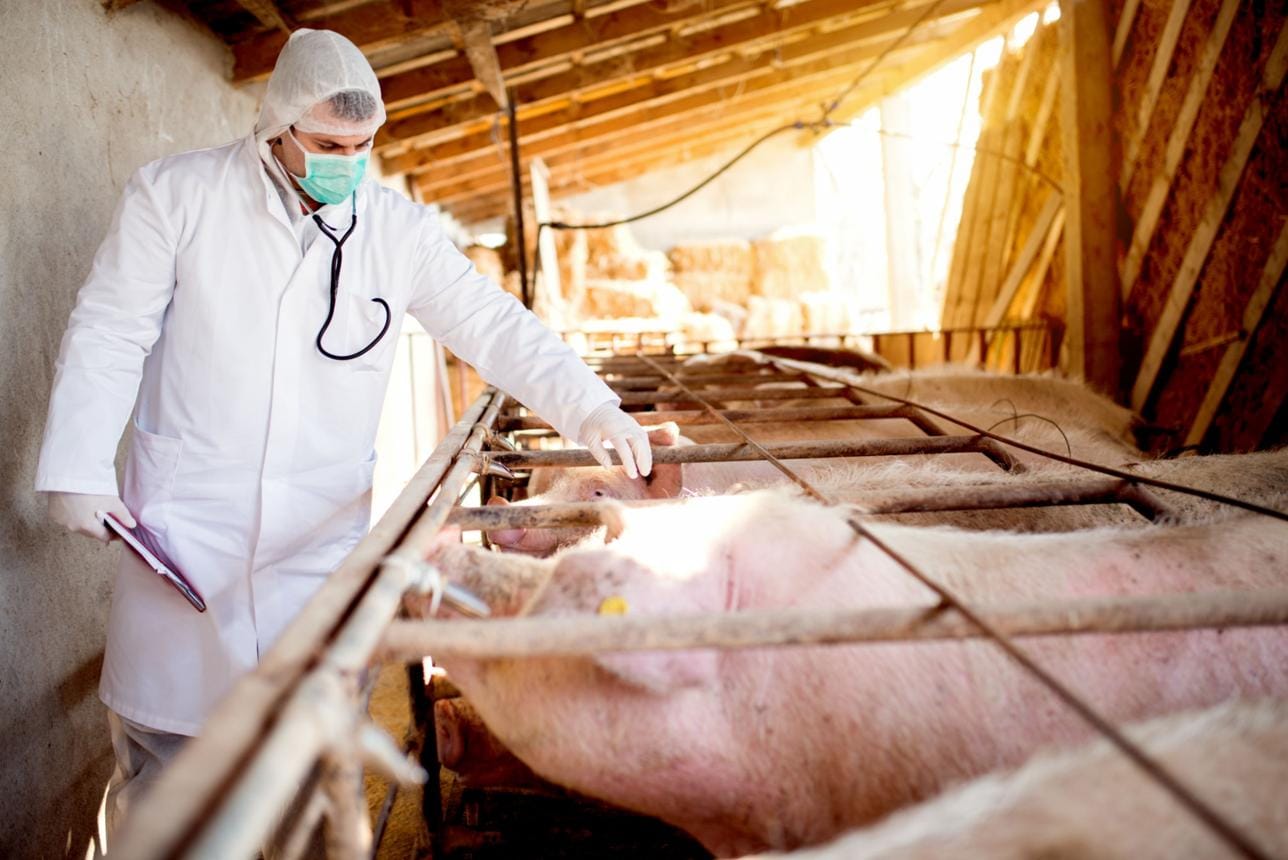
Pig owners are being asked to contact veterinarians immediately if animals show unusual symptoms. Switzerland has also intensified surveillance through a national early-detection programme that tests wild boar found dead or visibly ill.
So far, all 25 wild boar tested in Switzerland have returned negative results, according to authorities.
Across Europe, African swine fever cases among wild boar populations remain elevated, and Swiss officials warn that additional outbreaks are likely in the coming months.
Although ASF does not pose a direct threat to humans, the disease can severely impact agriculture and livestock industries due to the high mortality rate among pigs and strict trade restrictions triggered by outbreaks.