

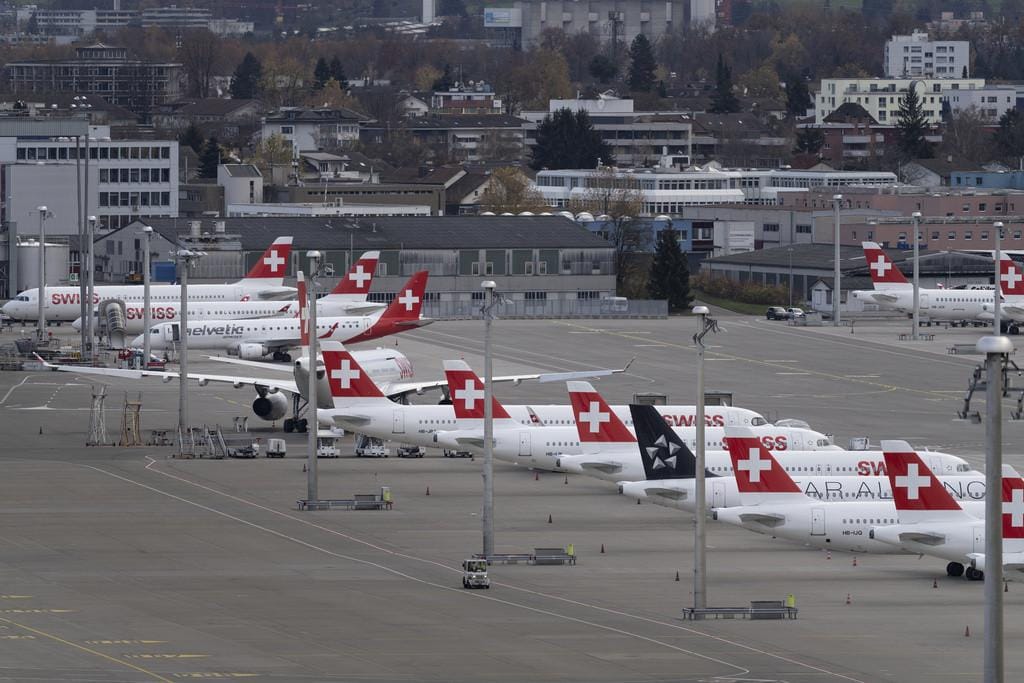
Bürgenstock No-Fly Zone Disrupts Zurich Airport Flights

Flight operations at Zurich Airport were temporarily disrupted on Sunday after the activation of a special no-fly zone around the Bürgenstock peace summit triggered a technical fault within Switzerland’s air traffic control system.

According to Swiss air traffic controller Skyguide, the no-fly zone was implemented at short notice following the decision to host high-level Iran–United States peace negotiations at the Bürgenstock resort. The late activation created an unexpected technical issue affecting radar systems.

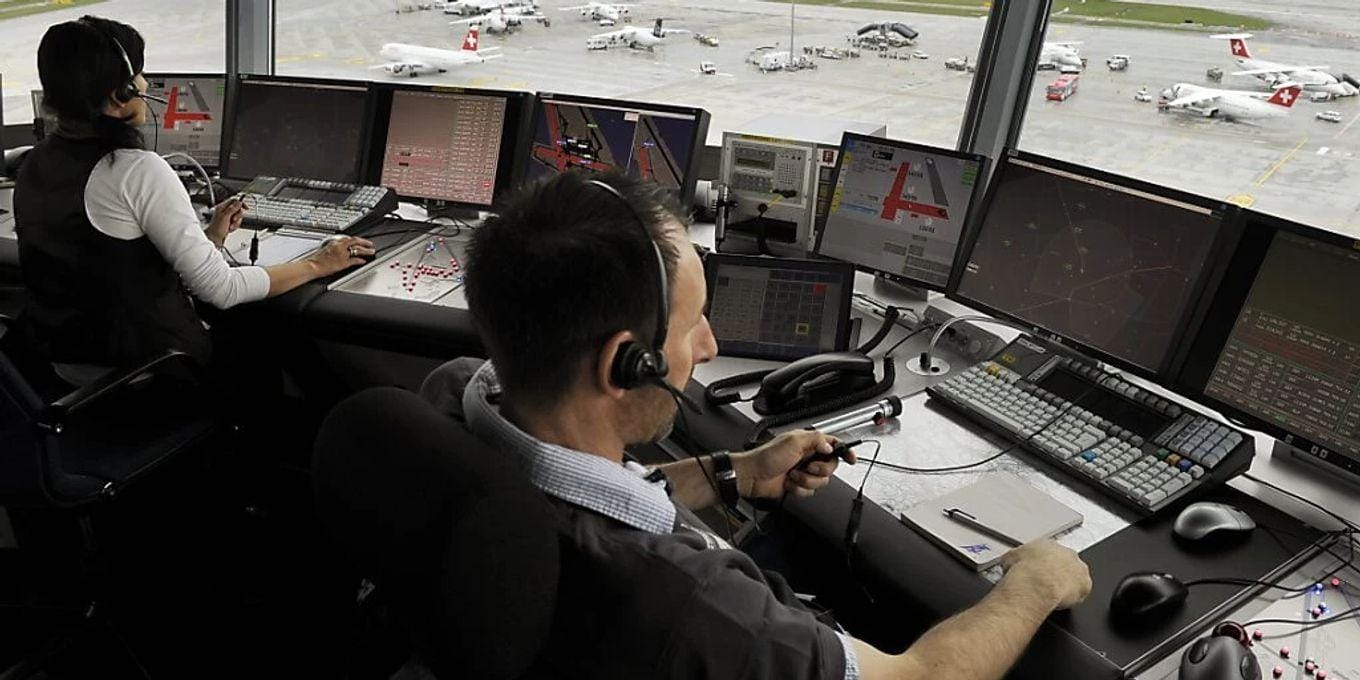
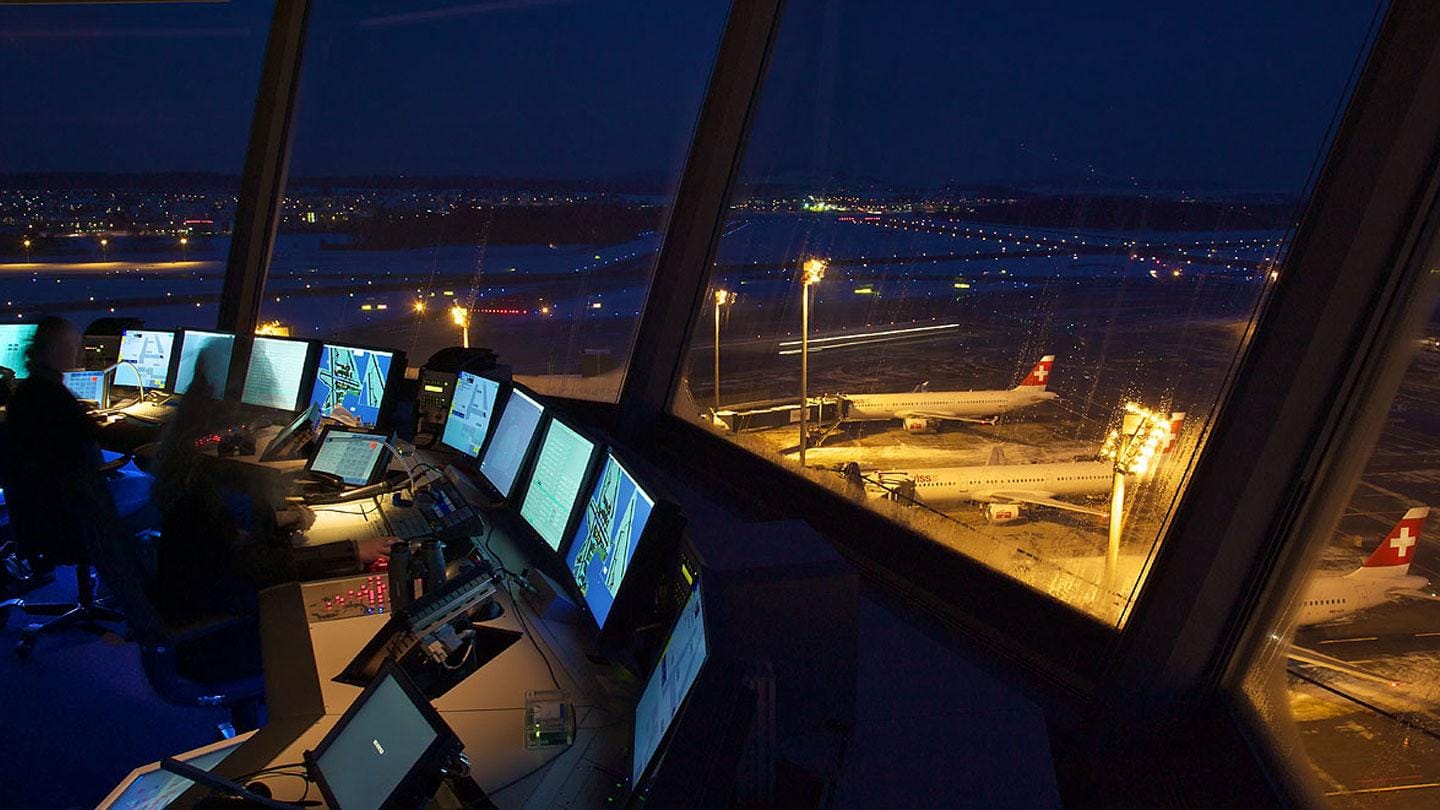
The fault impacted radar displays at Skyguide’s Dübendorf control centre as well as Zurich Airport’s control tower. As a result, Swiss authorities temporarily closed airspace east of Bern to ensure flight safety while specialists investigated the problem.

The disruption had a significant impact on Zurich Airport operations. For part of the morning, aircraft were unable to take off, although arriving flights continued to land until approximately 6:45 a.m.

Skyguide confirmed that aircraft already approaching Zurich were exempt from restrictions. Delegations travelling to the Bürgenstock peace summit were also able to land according to schedule despite the operational challenges.

Authorities stressed that passenger and aviation safety remained fully protected throughout the incident. Emergency procedures were immediately activated, and technical teams worked rapidly to identify the source of the problem.

Engineers successfully located the fault, allowing flight operations at Zurich Airport to gradually resume from 7:45 a.m. Normal operations have since been restored, with flights once again operating without major restrictions.

However, Skyguide stated that a small reduction in airspace capacity for overflying aircraft will remain in effect until Monday morning as a precautionary measure. Additional airspace sectors have been opened to minimise disruption, and the impact on passengers is expected to be minimal.

The incident highlights the complexity of managing major international events while maintaining uninterrupted air traffic operations in one of Europe’s busiest aviation networks.
Skyguide Glitch Disrupts Flights at Zurich Airport

Flight operations at Zurich Airport were significantly disrupted on Sunday morning following a technical fault at Switzerland’s air traffic control provider, Skyguide. The issue led to widespread delays and a temporary closure of parts of Swiss airspace.

According to airport officials, airspace east of Bern was closed for several hours as a precaution while engineers worked to identify and resolve the problem. The disruption impacted both incoming and outgoing flights at Switzerland’s busiest airport.

Authorities confirmed that no take-offs were possible during the initial phase of the disruption. Landings were still permitted until 06:45 am, after which operations were heavily restricted.

Skyguide reported that overall air traffic capacity was reduced to around 40% at approximately 08:00 am. Flight operations began to gradually resume from 07:45 am, although delays continued throughout the morning. A spokesperson for Zurich Airport, Livia Caluori, stated that the situation remained fluid as operations slowly returned to normal. The full scale of the disruption, including the number of affected flights and passengers, was initially unclear.

Skyguide confirmed that the incident was caused by a technical malfunction within its systems. A crisis management team was immediately activated to handle the situation and ensure passenger safety.

The company stated that the decision to close parts of Swiss airspace was taken as a precautionary measure to protect passengers and aircraft while technical teams worked to restore normal operations.

Investigations are ongoing to determine the exact cause of the failure and to prevent similar incidents in the future.

Swiss Air Traffic Controller Skyguide Plans Up

Skyguide has announced plans to reduce its workforce by up to 220 positions by the end of 2027 as part of a major restructuring aimed at improving financial stability and operational efficiency.

The Swiss air traffic control company is responding to rising personnel and systems costs, uncertain revenue forecasts, and increasing European efficiency requirements. Internal complexity has also been cited as a key reason for the planned changes.

The restructuring will be carried out in two phases. Around 90 jobs will be affected between September and November this year, followed by up to 130 additional positions between May and June 2027.

Sites including Geneva-Cointrin and the Dübendorf airfield are expected to be impacted by the cuts, although operational air traffic control roles will remain protected to ensure safety standards are maintained across Switzerland’s airspace.

Skyguide reported total expenditure of CHF 576 million in 2025, including CHF 382 million in personnel costs, highlighting the financial pressure driving the restructuring plan.

The company emphasized that safety and service continuity remain its top priorities. It stated that air traffic operations will continue without disruption throughout the restructuring process.

As part of a formal consultation procedure that began on Tuesday and runs until June 18, Skyguide is working with employee representatives to explore alternatives to job cuts. These include internal transfers, early retirement schemes, reduced external hiring, and limited recruitment.