ILO Warns of 14 Million Job Loss Risk

The International Labour Organization (ILO), based in Geneva, has warned that an escalating crisis in the Middle East could lead to severe global job losses if oil prices continue to surge.

According to a new report published on Monday, the organization estimates that up to 14 million full-time equivalent jobs could be lost this year if the price of oil rises by 50% above early-year averages. By 2027, this number could increase dramatically to around 38 million jobs worldwide.

The ILO report highlights that global working hours may fall by 0.5% this year and by 1.1% next year, reflecting a broader slowdown in economic activity linked to energy price shocks and geopolitical instability.

Real labour income is also expected to decline significantly. The report projects losses of 1.1% this year and up to 3% next year, representing an estimated global income reduction of $1.1 trillion and $3 trillion respectively.

Unemployment rates are also expected to rise modestly but steadily, increasing by 0.1 percentage points this year and 0.5 percentage points in the following year.

The report notes that regions such as Arab states and Asia-Pacific economies are likely to be the most heavily affected due to their strong economic ties to Gulf oil markets and energy supply chains.

In the most severe scenario, working hours in Arab countries could drop by more than 10%, a level of disruption described by ILO economists as significantly worse than the early impact of the COVID-19 pandemic.

ILO Chief Economist Sangheon Lee described the situation as a “slow and potentially long shock,” warning that the effects could persist if geopolitical tensions and energy instability continue.

The findings highlight growing concerns about how regional conflicts can trigger global economic ripple effects, particularly through energy prices, inflation, and labour market instability.


WHO Declares Ebola Outbreak a Global Health Emergency

World Health Organization (WHO) has officially declared the ongoing Ebola outbreak in the Democratic Republic of the Congo an international public health emergency after the rapid spread of a highly dangerous virus strain.

WHO Director-General Tedros Adhanom Ghebreyesus announced that the outbreak now qualifies as a Public Health Emergency of International Concern (PHEIC), the organization’s second-highest global alert level.

Health officials confirmed that the outbreak is linked to the Bundibugyo variant of Ebola, a strain for which there is currently no approved vaccine available.

The outbreak is mainly affecting Ituri province in northeastern Congo, where laboratory testing has already confirmed several infections. WHO data released on May 16 reported at least eight confirmed cases, alongside hundreds of suspected infections and dozens of suspected deaths.

The virus has also spread beyond the immediate outbreak zone. Authorities confirmed another case in Kinshasa and a death in Kampala, Uganda, involving travellers who had recently returned from the affected region.

According to the Africa Centres for Disease Control and Prevention (Africa CDC), at least 88 deaths are believed to be linked to the outbreak among more than 300 suspected cases reported so far.

Health experts warn that the situation is especially concerning because many affected areas are remote and difficult to access. Limited laboratory testing capacity means that many infections remain classified as suspected cases rather than officially confirmed.

Ebola is one of the world’s deadliest infectious diseases and causes severe haemorrhagic fever with high fatality rates. Although vaccines and treatments exist for some Ebola strains, they are not effective against the Bundibugyo variant currently spreading in Congo.

WHO has urged governments, healthcare workers, and international organizations to strengthen monitoring systems, improve emergency response measures, and support affected communities to prevent the outbreak from escalating further.

Global health authorities continue to monitor the situation closely amid fears that cross-border transmission could increase if containment efforts fail.

Pope Leo XIV Honors Swiss Cardinal Tscherrig in Rome

Pope Leo XIV presided over the funeral mass of Cardinal Emil Paul Tscherrig at St. Peter’s Basilica on Friday afternoon, honouring the late Swiss cleric as a devoted and responsible servant of God.

Several dozen senior church dignitaries attended the ceremony in Vatican City to pay tribute to the Swiss cardinal, who passed away earlier this week at the age of 79.

During the homily, Pope Leo XIV reflected on a passage from the Gospel of John, quoting Jesus’ words: “I am the resurrection and the life.” The message focused on faith, eternal life, and dedication to spiritual service.

Biblical readings during the funeral were delivered by members of the Pontifical Swiss Guard. Tscherrig himself had briefly served in the Swiss Guard during his early years.

The pope highlighted Cardinal Tscherrig’s extensive diplomatic and ecclesiastical career, praising his decades of international service on behalf of the Holy See.

Since becoming Apostolic Nuncio in 1994, Tscherrig served in several countries across Africa, the Caribbean, Scandinavia, Asia, and South America. His diplomatic missions included Burundi, South Korea, Mongolia, Argentina, and multiple Caribbean nations.

Born in the canton of Valais in Switzerland, Cardinal Tscherrig became one of the country’s most prominent Catholic figures and represented the Vatican in international affairs for decades.

The funeral ceremony marked a final farewell to one of Switzerland’s highest-ranking church leaders in modern history.

Switzerland Backs Special Tribunal to Prosecute Aggression Against Ukraine

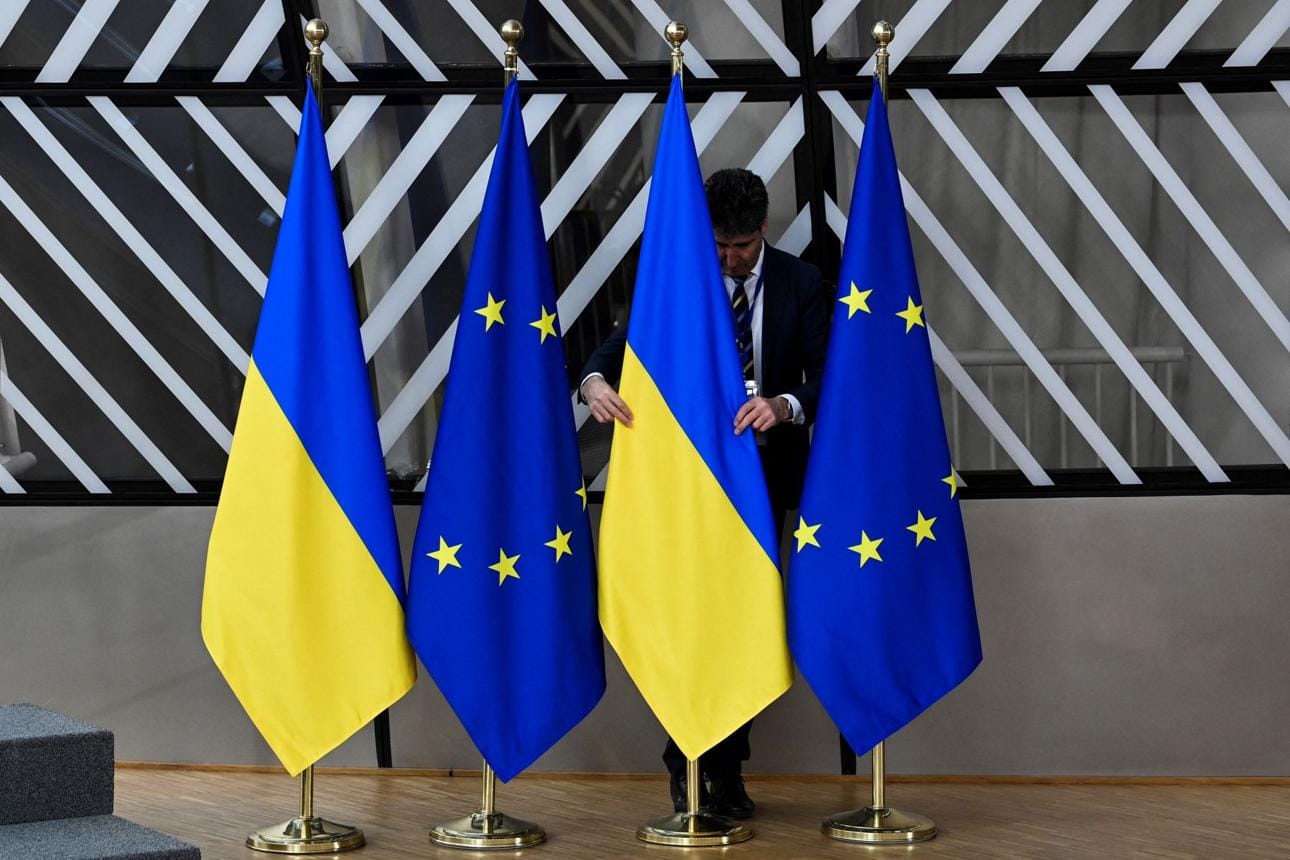
Switzerland has joined 35 other countries and the European Union in supporting the creation of a Special Tribunal for the Crime of Aggression against Ukraine.

The announcement was made during a meeting of foreign ministers organised by the Council of Europe in Chișinău.

Council of Europe Secretary General Alain Berset described the initiative as a decisive step toward establishing accountability for the attack on Ukraine. He said the tribunal represents “justice and hope” and stressed that political commitments must now be transformed into practical action through financing and operational support.

Swiss Foreign Minister Ignazio Cassis confirmed that Switzerland intends to support the tribunal, pending approval from the Swiss parliament.

According to Cassis, Switzerland fully supports the Council of Europe’s action plan for Ukraine and aims to send a clear international signal against impunity. He also highlighted Switzerland’s participation in the Register of Damages and the international framework designed to support compensation mechanisms related to the war.

The tribunal’s role will focus specifically on investigating and prosecuting individuals considered primarily responsible for the crime of aggression against Ukraine. It aims to complement the work of the International Criminal Court, which currently investigates war crimes, crimes against humanity, and genocide but lacks jurisdiction over the crime of aggression in this case.

The new court would become the first special tribunal established under the authority of the Council of Europe. Russia was expelled from the organisation following the outbreak of the war in Ukraine in 2022.

For the tribunal to become operational, support from at least 16 countries is required. Supporters say the initiative strengthens international law and reinforces efforts to pursue accountability for acts of aggression during armed conflict.

Europe’s AI Defence Revolution Gains Momentum

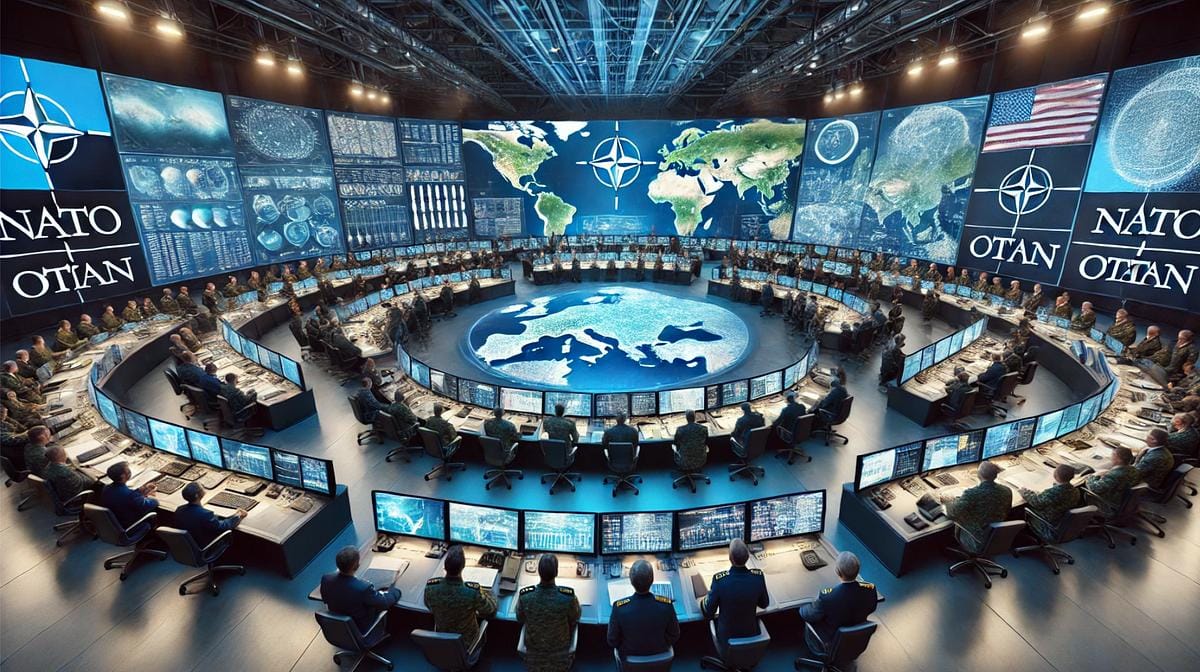
European defence forces are rapidly accelerating the integration of artificial intelligence into military systems, marking a major shift from experimental use to operational deployment across the continent.

According to defence analysts speaking to Euronews, countries including Germany, France, Ukraine, and the United Kingdom are leading Europe’s push to integrate AI into modern warfare systems.

One of the most significant recent developments is the “Brave Germany” programme, launched by Germany and Ukraine, which aims to deploy approximately 5,000 joint AI-enabled medium-range strike drones. The initiative reflects growing collaboration between European states on advanced defence technologies.

Experts say Europe’s militaries have already used artificial intelligence for years in logistics, human resources, and equipment maintenance. However, recent developments show a shift toward integrating AI into core operational and tactical decision-making systems.

Stockholm International Peace Research Institute (SIPRI) researcher Laura Bruun explains that early military AI adoption began around 2015, when the technology became advanced enough to significantly improve operational efficiency.

She notes that even basic AI systems can optimise battlefield logistics and route planning, similar to navigation tools used in everyday applications.

Current AI defence investment in Europe is largely focused on two key areas: semi-autonomous weapon systems and AI-driven decision-support systems that assist commanders in real time.

Analysts say the rapid expansion of military AI raises strategic, ethical, and security questions as countries balance innovation with regulation and international law.

As AI integration deepens, Europe’s defence landscape is expected to continue evolving, with increased collaboration, competition, and investment shaping the next phase of military modernization.