Swiss Committee Backs Double Majority for EU Deal.

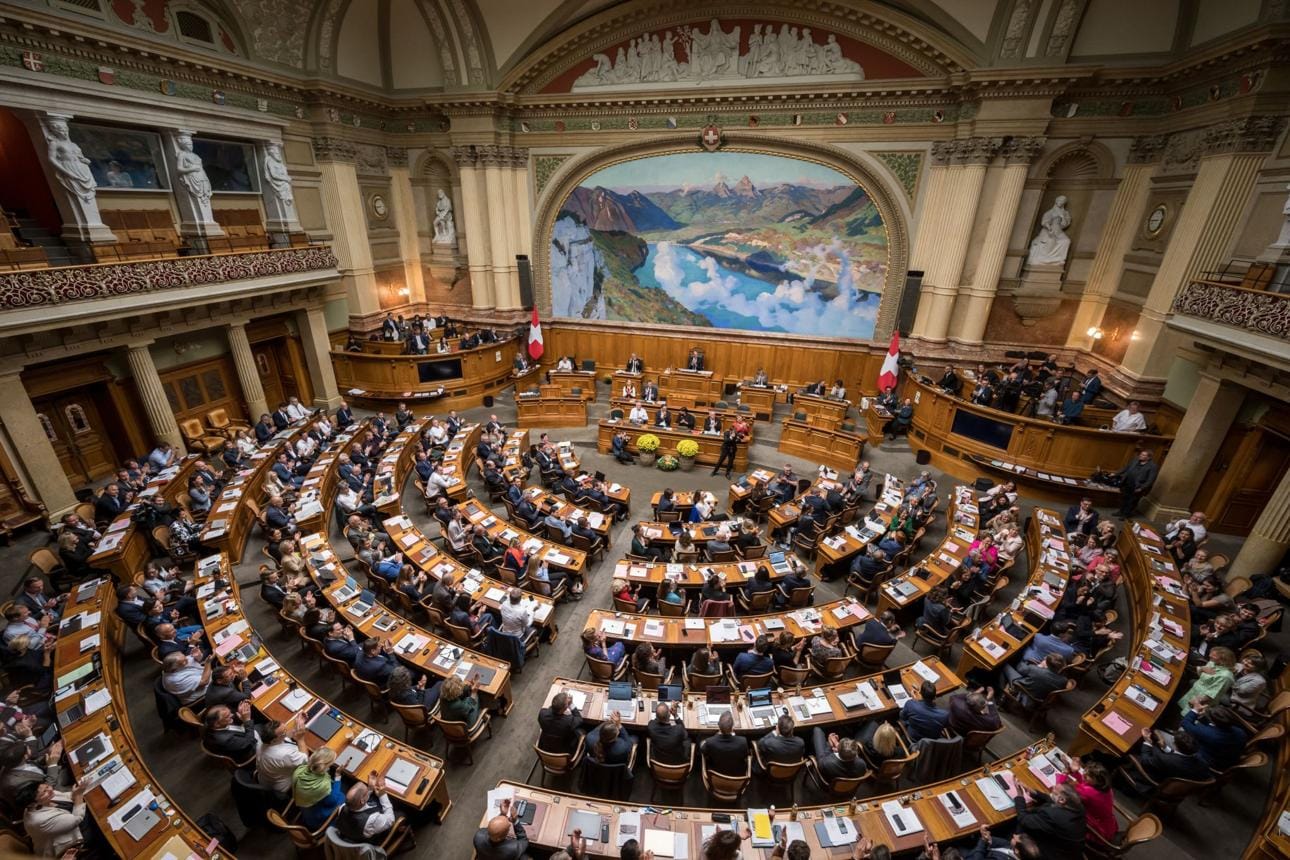
A parliamentary committee in Switzerland has supported a proposal requiring a double-majority vote—both of the people and the cantons—for the approval of the upcoming Swiss–EU agreement package.

The proposal, backed by the House of Representatives’ Committee of Political Institutions, reflects growing political debate over how major international agreements should be ratified within Switzerland’s direct democratic system.

The committee approved the plan by 15 votes to 10, stating that the agreement’s importance and constitutional implications justify a higher level of democratic approval.

Under the proposed system, the bilateral agreements between Switzerland and the European Union would need not only a majority of voters but also a majority of cantonal approval to be adopted.

The idea aligns with Switzerland’s tradition of direct democracy, where major constitutional or highly significant national decisions often require approval from both citizens and cantons.

At the same time, lawmakers are also exploring an alternative approach known as a “sui generis” referendum model, which would be a unique voting mechanism tailored specifically for this agreement package. The committee has requested further examination of this option, which was supported by a 16–9 vote.

The debate highlights the political sensitivity surrounding Switzerland’s relationship with the European Union and the constitutional questions linked to future bilateral cooperation.

Swiss March 8 Vote Campaigns Cost CHF11 Million.

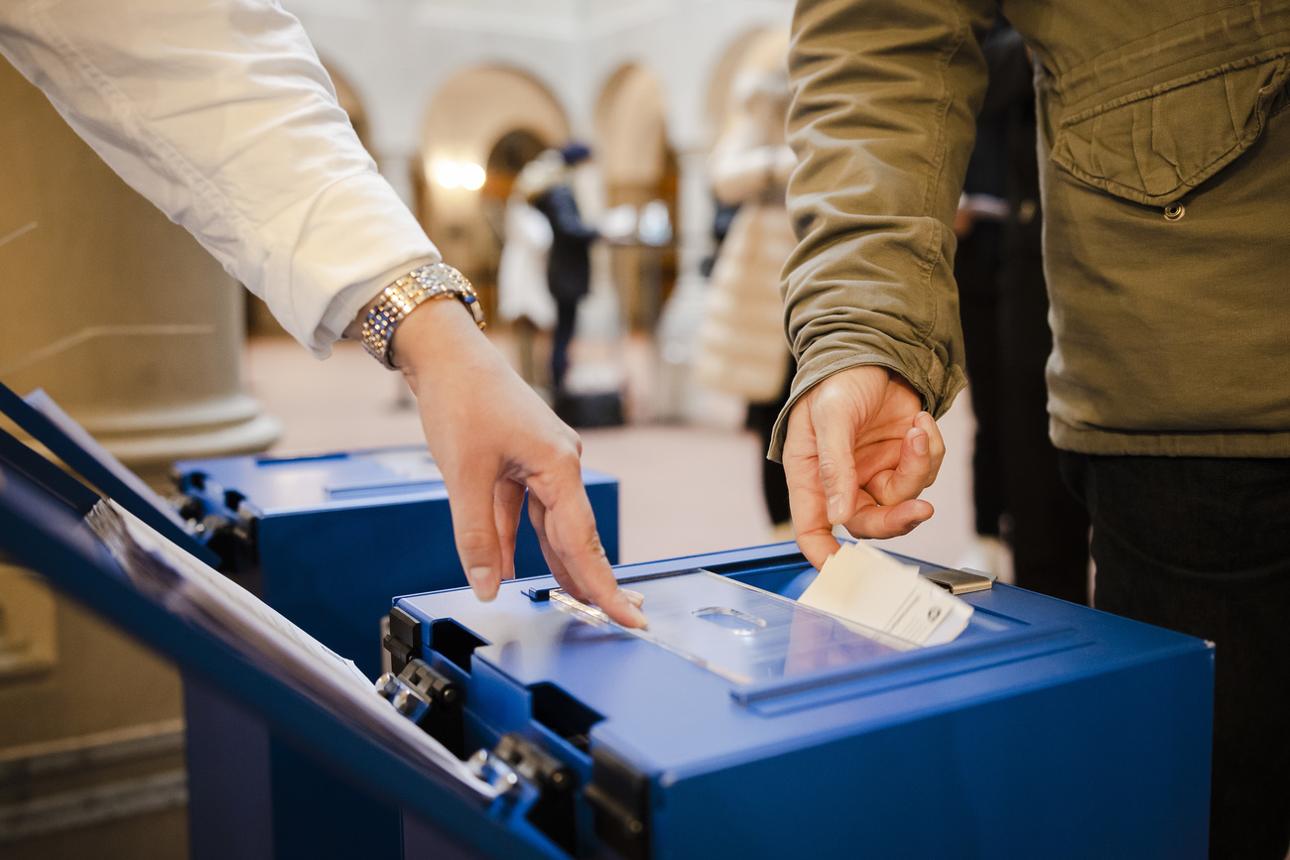
Political campaigns linked to Switzerland’s March 8 national votes cost a total of CHF10.7 million, according to final figures released by the Swiss Federal Audit Office.

The published data revealed that actual campaign spending exceeded the budgets initially announced before the vote by around 22%, reflecting stronger political mobilisation and advertising efforts during the campaign period.

The largest share of spending focused on the SBC initiative concerning Switzerland’s radio and television licence fee. Campaigns related to this proposal alone accounted for approximately CHF7.5 million.

Opponents of the initiative declared spending around CHF5.7 million, while supporters reported approximately CHF1.8 million in campaign costs. The proposal was ultimately rejected by voters.

The SBC initiative aimed to reduce the national radio and television licence fee to CHF200 and eliminate mandatory corporate contributions. Supporters argued the changes would reduce financial pressure on households and businesses, while opponents warned the cuts could weaken public broadcasting services in Switzerland.

Switzerland’s system of direct democracy often involves intensive public campaigns ahead of nationwide votes, with political groups, organisations, and industry associations investing heavily in advertising and outreach efforts.

The latest figures highlight the growing financial scale of political campaigning in Switzerland, particularly for issues related to media, public services, and national policy reforms.

European Court Rules Switzerland Violated Protest Organizer’s Rights.

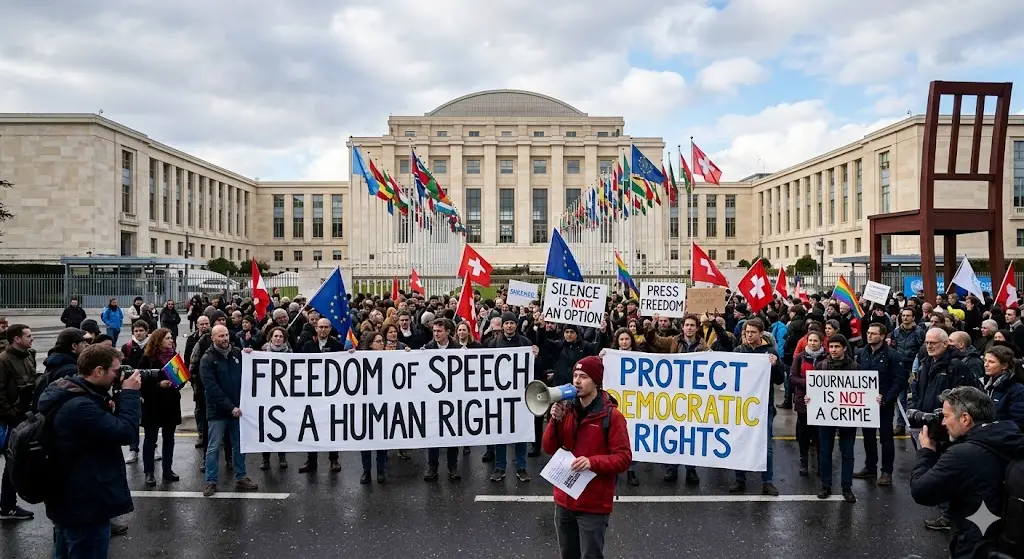
The European Court of Human Rights has ruled that Switzerland violated the rights of a protest organizer linked to a demonstration held in Geneva in 2019.

The case involved an International Women’s Day protest that had received official authorization from local authorities. Before the event, organizers were informed that they could be held personally responsible if permit conditions were violated during the demonstration.

During the protest, riots and disturbances reportedly occurred, leading Swiss authorities to accuse the organizer of failing to maintain an effective security service.

Swiss courts later convicted the organizer under criminal law and imposed a fine of CHF200.

The organizer appealed the decision to the European Court of Human Rights in Strasbourg, arguing that her fundamental rights had been violated.

In its verdict published on Thursday, the ECHR concluded that Switzerland violated several rights protected under the European Convention on Human Rights, including freedom of assembly, freedom of association, freedom of expression, and the right to a fair trial.

The ruling represents another significant judgment involving Switzerland and human rights protections under European law.

Legal experts say the decision could influence how Swiss authorities manage public demonstrations and assess the responsibilities of protest organizers in future events.

The case also highlights the ongoing balance between maintaining public order and protecting democratic rights such as peaceful protest and freedom of expression.

The ECHR has played a major role in shaping human rights standards across Europe, with its rulings often leading member states to review legal procedures and public policies.