

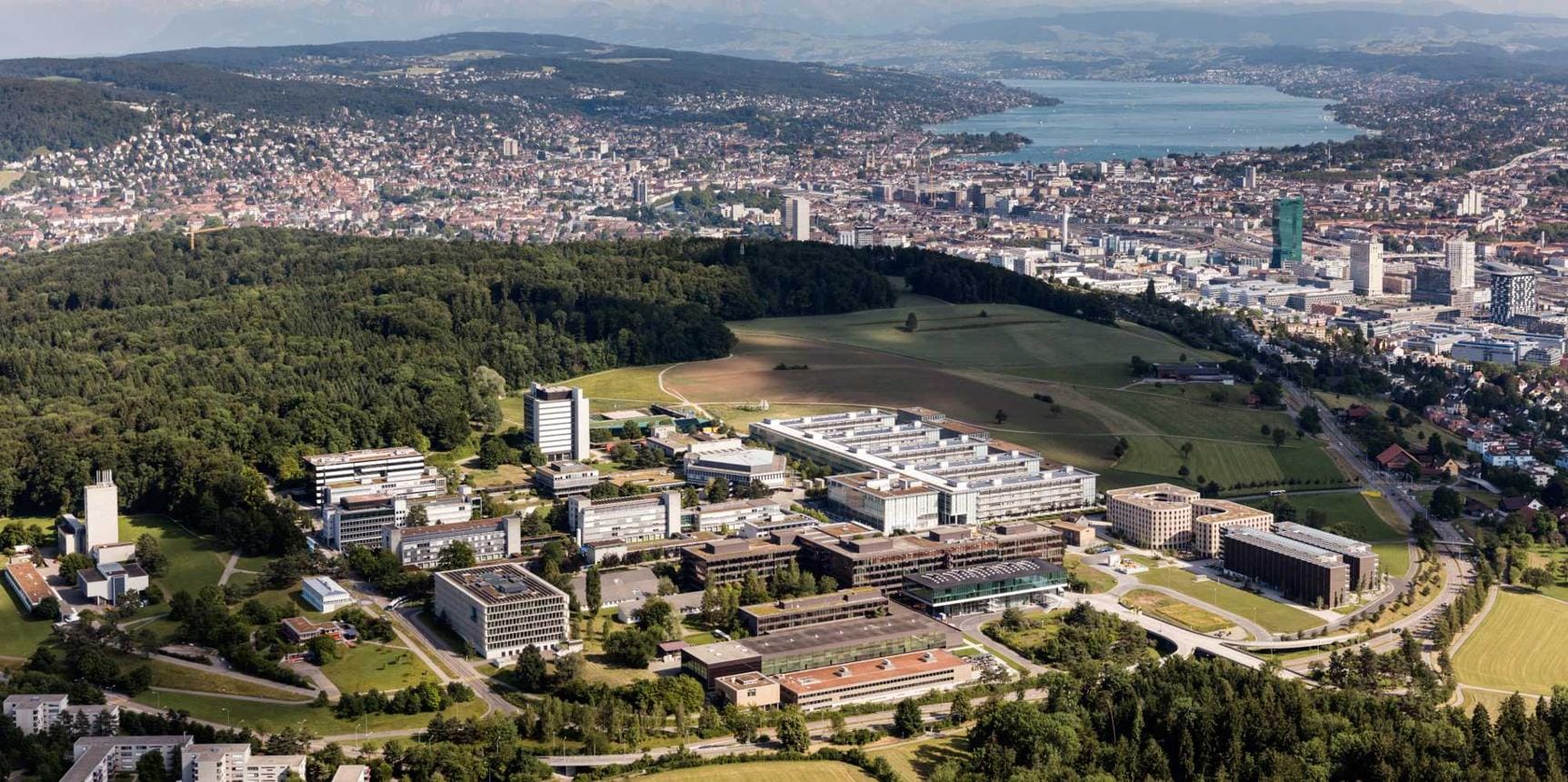
ETH Zurich Safely Removes Hazardous Chemical.

A major safety operation at ETH Zurich concluded successfully after specialists removed and transported a highly hazardous chemical substance from a former research facility. The operation was completed without any incidents, allowing evacuated residents to return to their homes later the same day.

Authorities temporarily evacuated nearly 270 residents living near the affected area as a precautionary measure. The evacuation was part of a carefully coordinated plan designed to ensure public safety while experts handled the dangerous material.

The substance involved was a gas cylinder containing chlorine trifluoride, a chemical widely recognized as one of the most hazardous compounds used in scientific research. Specialists transferred the cylinder into a specially designed recovery container before transporting it away for secure handling and disposal.

The operation began on Sunday morning and involved close coordination between ETH Zurich, emergency services, and Zurich cantonal police. Safety measures remained in place for several hours while teams completed the transfer process inside a secure laboratory environment.

Following the successful completion of the operation, authorities lifted evacuation orders and temporary traffic restrictions. Residents were allowed to return to their homes after officials confirmed that the area was safe.

Police reported that the entire operation proceeded according to plan and that all activities were carried out under strict safety protocols. No injuries, leaks, or unexpected incidents occurred during the removal process.

According to ETH Zurich, chlorine trifluoride was previously used in geological research to analyze rock samples. The chemical is highly toxic and can ignite rapidly when exposed to certain materials, making specialized handling procedures essential.

The successful operation highlights Switzerland’s strong emergency preparedness and commitment to public safety when dealing with hazardous scientific materials. Officials praised the cooperation between emergency responders, researchers, and local residents throughout the process.
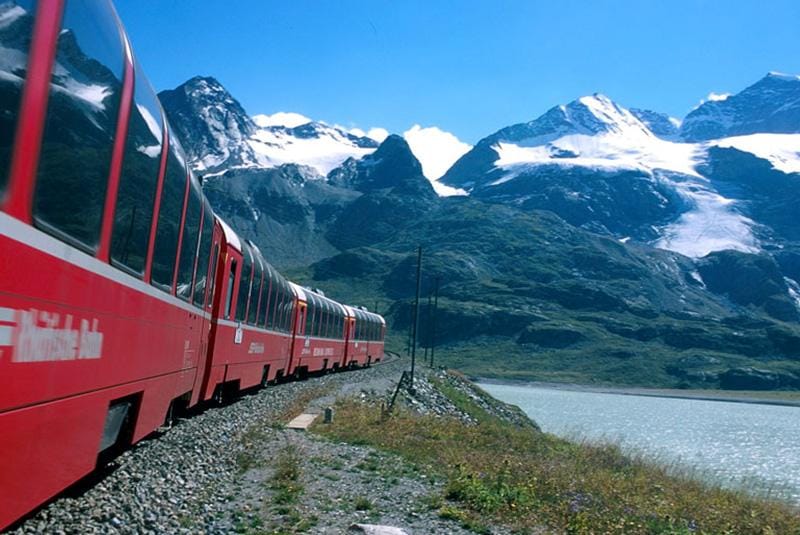
Asian Tourist Drop Slows Swiss Summer Tourism Growth.

Switzerland’s summer tourism sector is expected to slow down in 2026, mainly due to a sharp decline in visitors from Asia. According to the latest forecast from the KOF Swiss Economic Institute at ETH Zurich, overnight hotel stays are projected to fall by 1.6% to around 24.8 million.

Researchers highlight that the ongoing Iran conflict is having a significant impact on global travel patterns, particularly long-haul flights. Rising fuel costs, higher airfares, and longer or less secure flight routes are discouraging many international tourists from travelling to Switzerland this summer.

The study shows that foreign guest overnight stays are expected to decline by 2.9% to 13 million. The biggest drop is predicted in visitors from Asia, which could fall by around 10% to 1.5 million overnight stays. Chinese tourists are expected to see an even sharper decline of approximately 25.7%, reducing their total to 0.4 million.

Asian visitors play an important role in Switzerland’s tourism economy, especially in major cities where long-distance tourism supports hotels, retail, and guided services. Their share of foreign overnight stays is expected to drop from 12.4% in summer 2025 to about 11.5% this year.

While international tourism is weakening, domestic demand is showing slight growth. Swiss residents are expected to generate around 11.8 million overnight stays, marking a modest increase of 0.2%. European visitors are also expected to remain relatively stable at 6.7 million overnight stays, a slight decrease of 0.4%.

Experts explain that European travellers are less affected because they can still reach Switzerland easily by car, train, or short-haul flights. In contrast, long-distance travel markets are more sensitive to fuel prices and geopolitical uncertainty.

Looking ahead, the winter season 2026/27 is expected to remain stable, with around 18.7 million overnight stays forecast. Unlike the summer season, winter tourism relies more on regional visitors and Swiss residents, making it less vulnerable to global disruptions.

The KOF also noted that the previous winter season was strong overall, although momentum slowed towards the end due to weaker snow conditions and early effects of global conflict.

Scientists Trigger Controlled Quakes Beneath the Swiss Alps

Researchers in Switzerland have successfully triggered thousands of tiny controlled earthquakes beneath the Swiss Alps as part of a groundbreaking scientific experiment aimed at improving earthquake research and reducing future seismic risks.

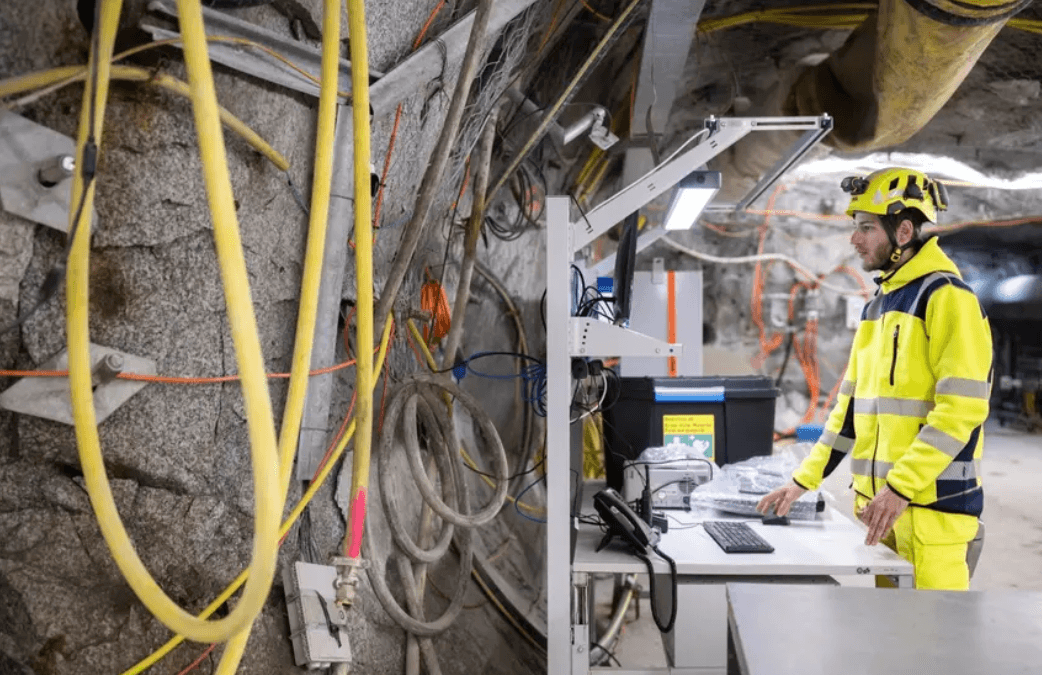
The project took place deep underground inside the ETH Zurich research facility known as BedrettoLab. Scientists conducted the experiment inside a 5.2-kilometre ventilation tunnel connected to the Furka railway tunnel in southern Switzerland.

Leading geologist Domenico Giardini described the experiment as a major success. Researchers intentionally created controlled seismic activity to better understand how the Earth behaves deep below the surface when tectonic movement occurs.

According to scientists, the experiment generated thousands of very small earthquakes in a fully monitored environment. Advanced sensors and monitoring systems allowed researchers to study underground rock movements, pressure changes, and seismic reactions in real time.

Experts believe the findings could help improve earthquake prediction models, underground construction safety, geothermal energy projects, and seismic risk management in the future.

The BedrettoLab research centre has become one of Europe’s leading underground laboratories for studying seismic activity and Earth science technology. Scientists say controlled experiments like this could provide valuable information about natural earthquakes and help protect communities in earthquake-prone regions.