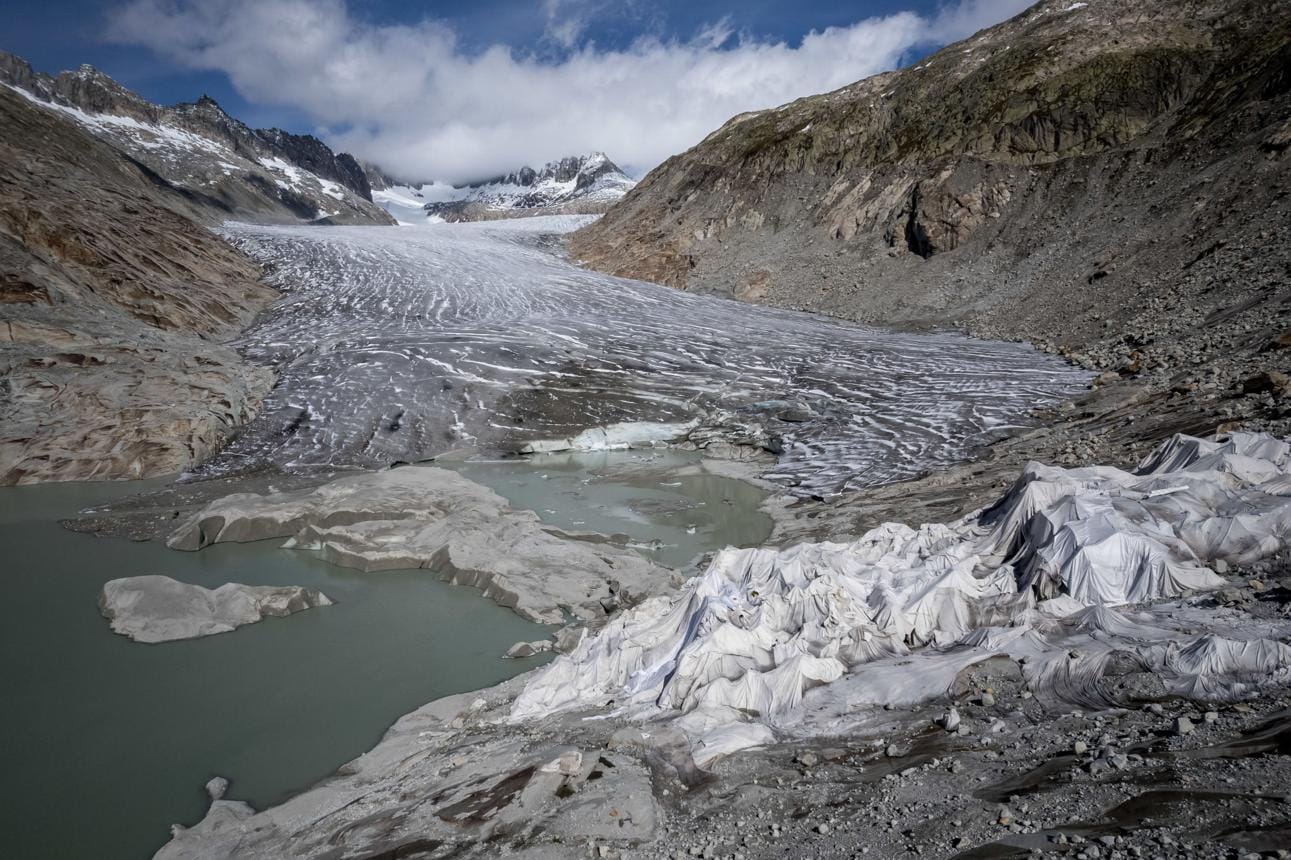

Drought Conditions Continue Across Switzerland Despite Recent Rain
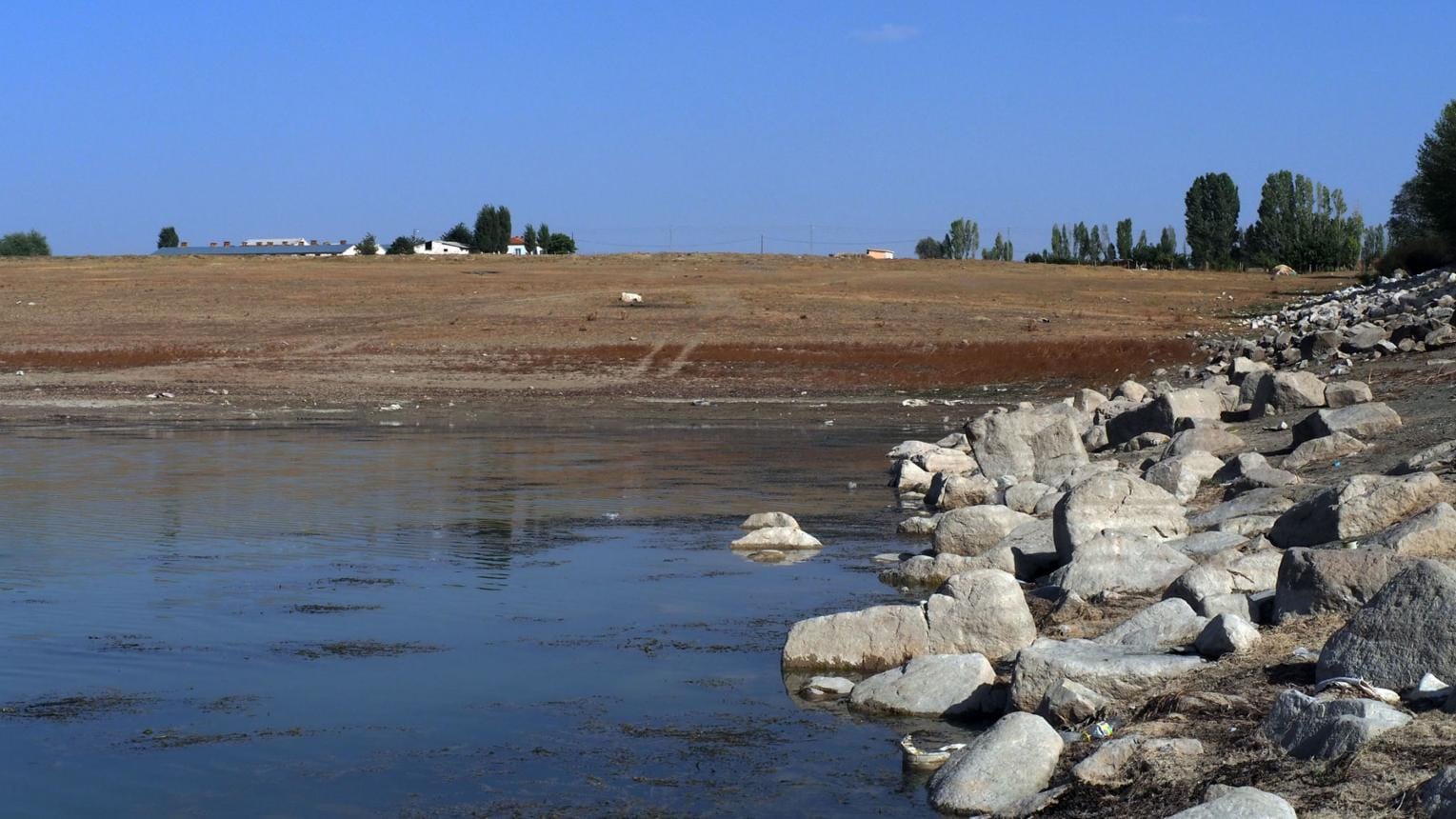
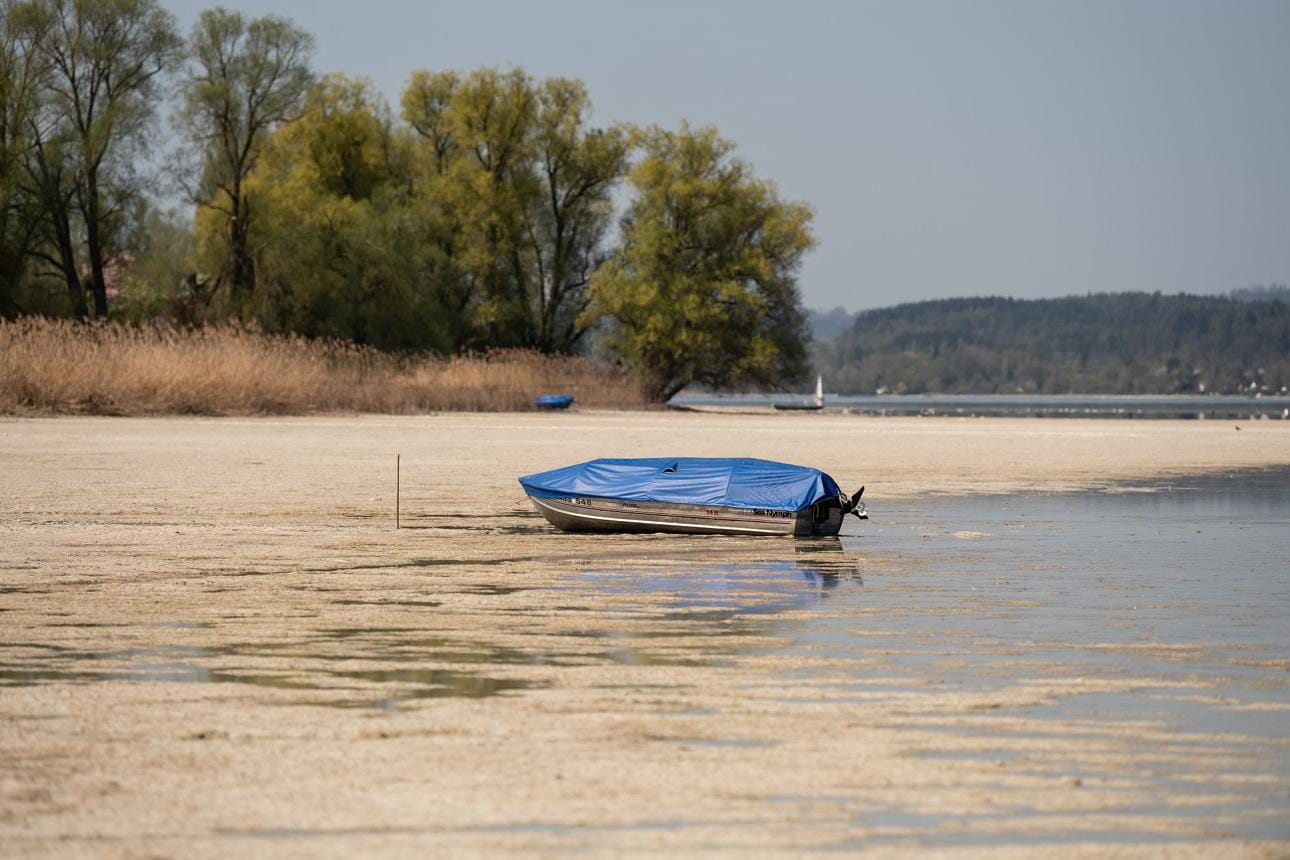
Switzerland continues to face persistent drought conditions even after recent rainfall, with water levels in many rivers and lakes remaining critically low across the Swiss Plateau.
According to hydrologist Manuela Brunner from the Institute for Snow and Avalanche Research (SLF), the recent precipitation has had only a limited impact. She described the rainfall as “a drop in the ocean,” highlighting the ongoing severity of the situation.
Water Levels Remain Below Average
Measurements show that water levels in several rivers and lakes on the Swiss Plateau have reached unusually low values, in some cases approaching record lows for this time of year.
Conditions in Alpine regions are slightly better compared to the lowlands, but even there, river flows remain below long-term seasonal averages.
Dry Spring and Low Snowpack Behind the Crisis
Experts point to the extremely dry months of April and May as the main reason for the ongoing drought. In addition, Switzerland experienced an unusually thin snowpack in the Alps during the winter season.
Normally, this period marks the peak of Switzerland’s flood season, when melting snow and heavy rainfall significantly increase river and lake levels. This year, however, the expected seasonal water surge has been significantly weakened.
In the Dischma Valley near Davos in eastern Switzerland, snow cover is reported to be roughly half of the long-term average, further contributing to reduced water runoff into rivers.
Environmental Concerns Growing
The continued low water levels raise concerns about agriculture, ecosystems, and water supply in affected regions. Experts warn that prolonged dry conditions could have wider impacts if the situation does not improve in the coming weeks.
Hydrologists continue to monitor the situation closely as Switzerland moves deeper into the summer season, when water demand typically increases.
Authorities and researchers stress that climate variability and changing precipitation patterns are increasingly influencing Switzerland’s water systems, making long-term monitoring and adaptation essential.