

Switzerland Joins NATO Digital Defence Exercise.

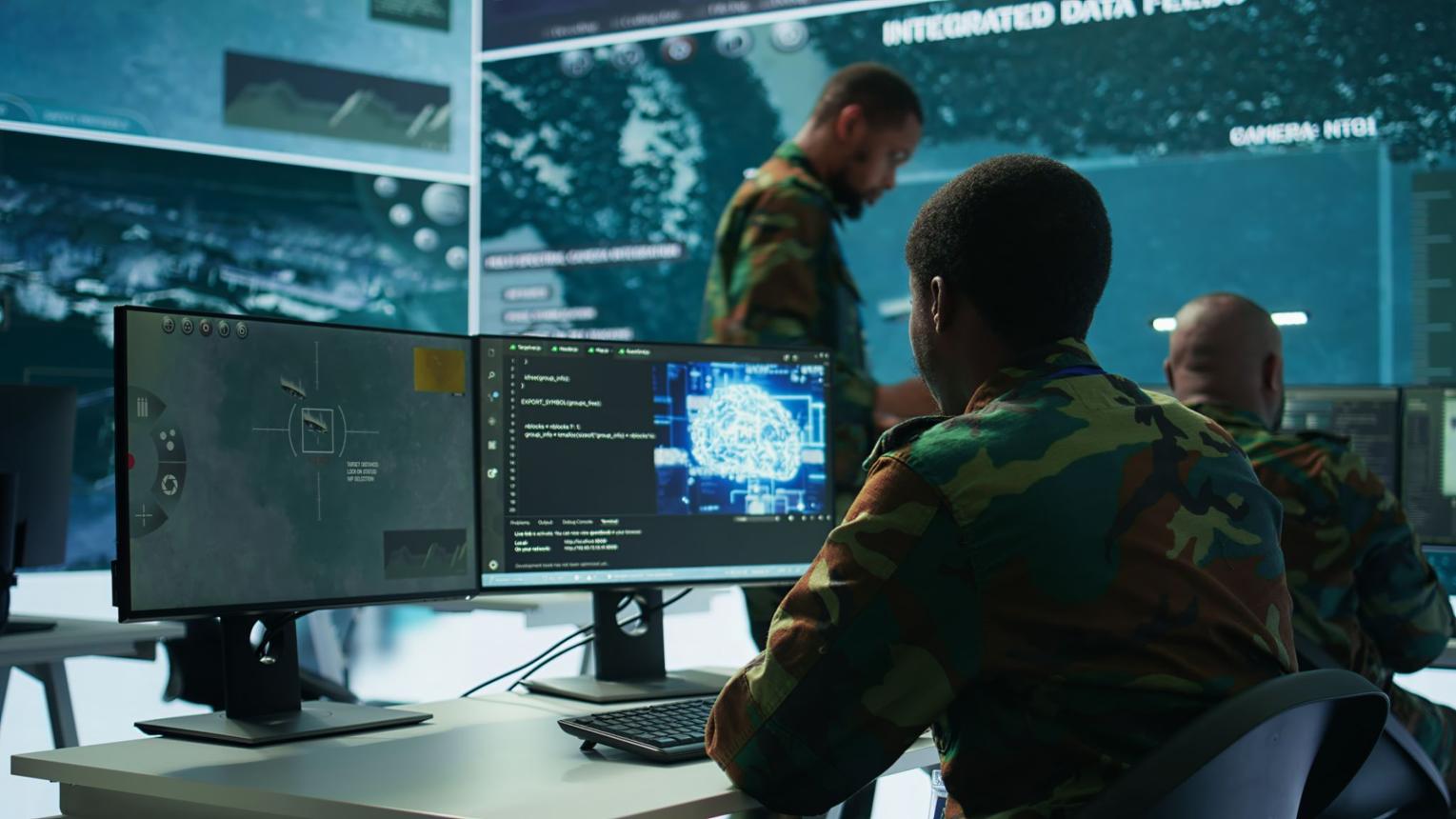
The Swiss Armed Forces have begun participation in a major NATO digital defence exercise in Poland, starting Wednesday, as part of efforts to strengthen cyber security capabilities and improve international military cooperation.

The three-week exercise brings together specialists from Switzerland and 40 participating nations, focusing on improving networking systems, secure communication, and technical standards across international defence structures.

Swiss units from Cyber Command and Operations Command, along with experts from Armasuisse and other defence and IT sectors, are actively involved in the training activities held in Bydgoszcz, Poland.

A key objective of the exercise is to enhance the exchange of information between allied and partner countries. Participants are testing secure communication systems designed to support coordinated military operations across different national infrastructures.

The Swiss Armed Forces emphasized the growing importance of digital connectivity in modern defence strategies, particularly the integration of satellite-based real-time situational awareness systems, which help improve operational decision-making in joint missions.

According to the Armed Forces, the exercise also highlights the increasing relevance of space-based data and advanced communication networks in military planning and coordination.

Switzerland regularly participates in NATO cyber and digital defence exercises as part of its broader commitment to international security cooperation and interoperability with allied forces.

The results of the current exercise will be reviewed in the coming months and are expected to contribute to ongoing digital transformation projects within the Swiss military, particularly in cybersecurity and defence networking systems.
Swiss Army Mobilises 4,000 Soldiers for G7 Summit Security Near Evian.

Switzerland will deploy nearly 4,000 soldiers to support security operations for the upcoming G7 Summit taking place in neighbouring France near Evian from June 12 to 17.

The Swiss Defence Ministry confirmed that military personnel will assist cantonal authorities in Geneva, Vaud, and Valais to strengthen security across the border region. The main objective is to support civilian police forces, allowing them to focus on maintaining public order during the high-profile international event.

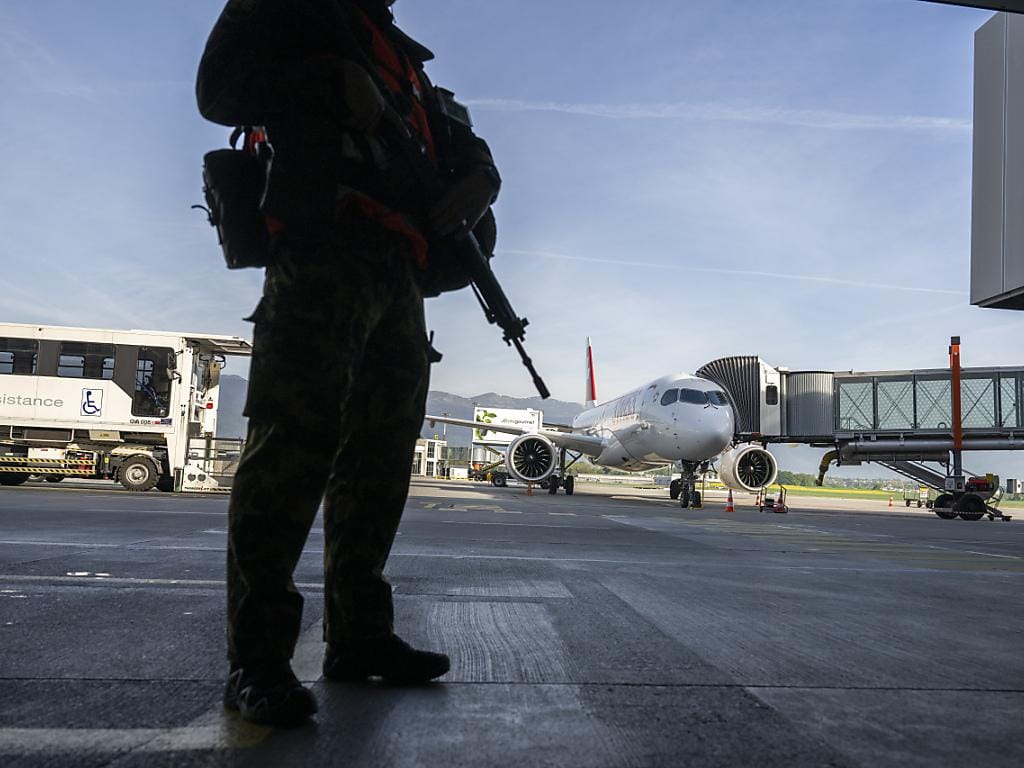
Key security responsibilities will include the protection of sensitive infrastructure such as Geneva International Airport, as well as assistance with border security operations. The Swiss Air Force will also reinforce air policing, with temporary airspace restrictions in place from June 10 to 18.

Authorities expect many international delegates to arrive via Geneva Airport before traveling across Lake Geneva to Evian. As part of the operation, Swiss forces will monitor key transport routes, the lake area, and surrounding regions.

The army will also contribute cyber defence capabilities, drone countermeasures, and protection against nuclear, biological, and chemical threats. However, Swiss military forces will not be involved in maintaining public order, which remains the responsibility of cantonal police.

All 1,500 police officers in Geneva will be deployed, supported by reinforcements from other cantons. Specialized equipment, including high-capacity water cannons from Germany, will also be made available to assist crowd control if necessary.

The large-scale security operation follows a request from regional authorities, as the cantons of Geneva, Vaud, and Valais prepare for increased pressure during the summit period. Swiss President Guy Parmelin has noted that discussions are ongoing regarding whether France will contribute to the significant security costs incurred by Switzerland.

At the same time, tensions have emerged over planned protests. The “No to G7” coalition has criticized restrictions imposed by Geneva authorities on demonstration routes and conditions, calling them overly restrictive. While a march has been authorized for the right bank of Geneva on June 14, requests for a protest village in Parc des Bastions were rejected.

Organizers have expressed concern over policing measures and fear potential clashes, recalling violent protests during the 2003 G8 summit in the region. Despite disagreements, the coalition has confirmed it will proceed with the demonstration, stating its intention to show international solidarity and opposition to global leaders.

The G7 security operation marks one of the largest coordinated Swiss support efforts in recent years, highlighting the country’s strategic role in safeguarding major international events held just across its border.

Swiss Army Conducts Helicopter Shooting Training in France.

The Swiss Armed Forces has begun a specialised helicopter shooting exercise in France as part of efforts to strengthen defence capabilities and improve international military cooperation.

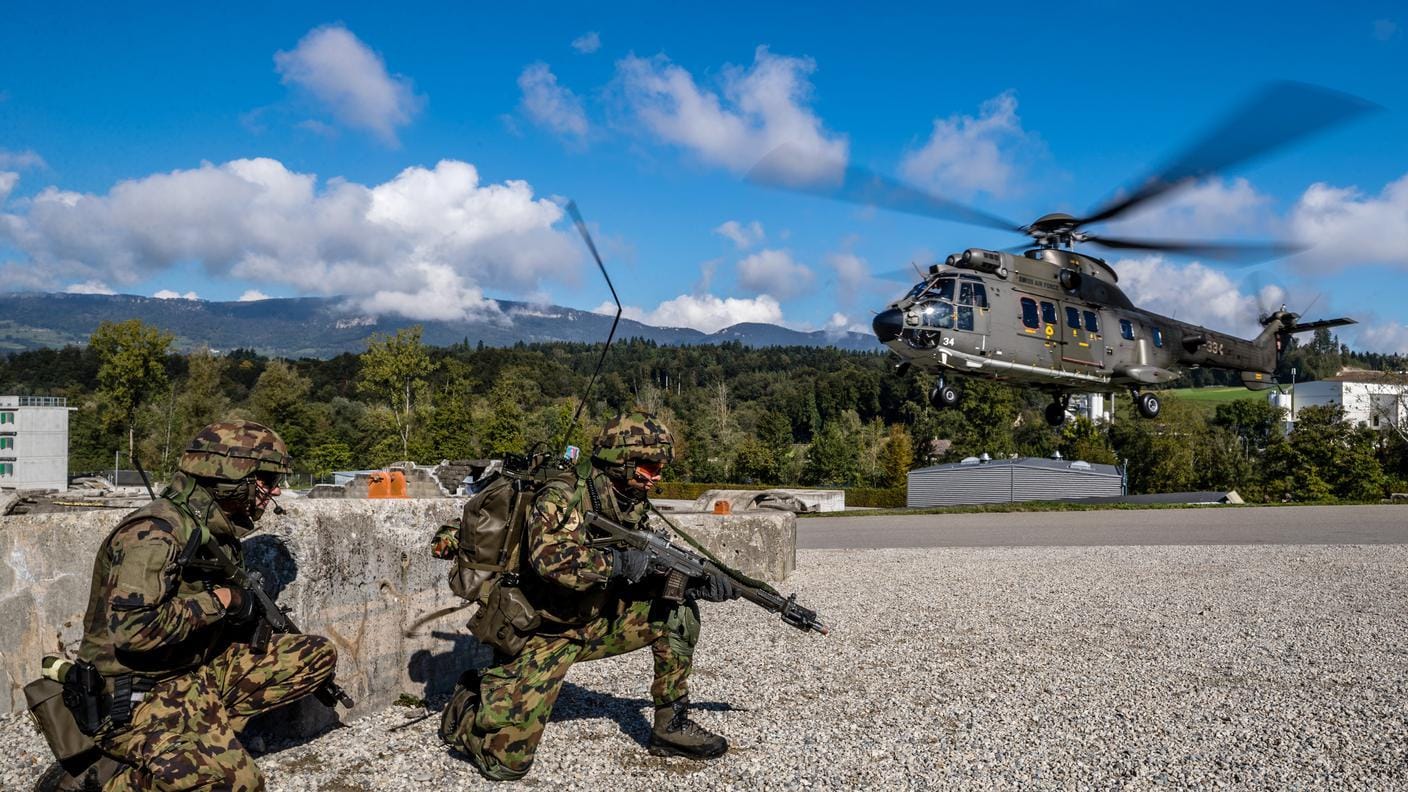
According to the Swiss Army, the training exercise is taking place from May 15 to May 22, 2026, in Solenzara, France. A Cougar military helicopter is being used for the operation, with soldiers practising live firing at moving targets while airborne.

The exercise focuses on improving operational procedures and tactical coordination during complex aerial combat situations. Shooting from helicopters is considered highly challenging because helicopters operate as unstable moving platforms while wind conditions continuously change during flight.

Military officials stated that the training follows strict safety regulations and can only be conducted in specially approved zones with clearly defined security areas. Due to Switzerland’s geographical limitations and restricted airspace, similar advanced exercises are difficult to organise within the country.

The Swiss government decided in 2024 to increase international military cooperation in order to modernise defence readiness and overcome domestic operational limitations. Training abroad allows Swiss forces to gain practical experience and learn from international defence partners.

The army also noted that these joint exercises improve interoperability between allied armed forces and help prepare soldiers for realistic operational environments. Defence experts say such international cooperation has become increasingly important as European nations focus more heavily on security and military preparedness.

The training exercise reflects Switzerland’s broader efforts to strengthen national defence capabilities amid changing geopolitical and security conditions across Europe.