

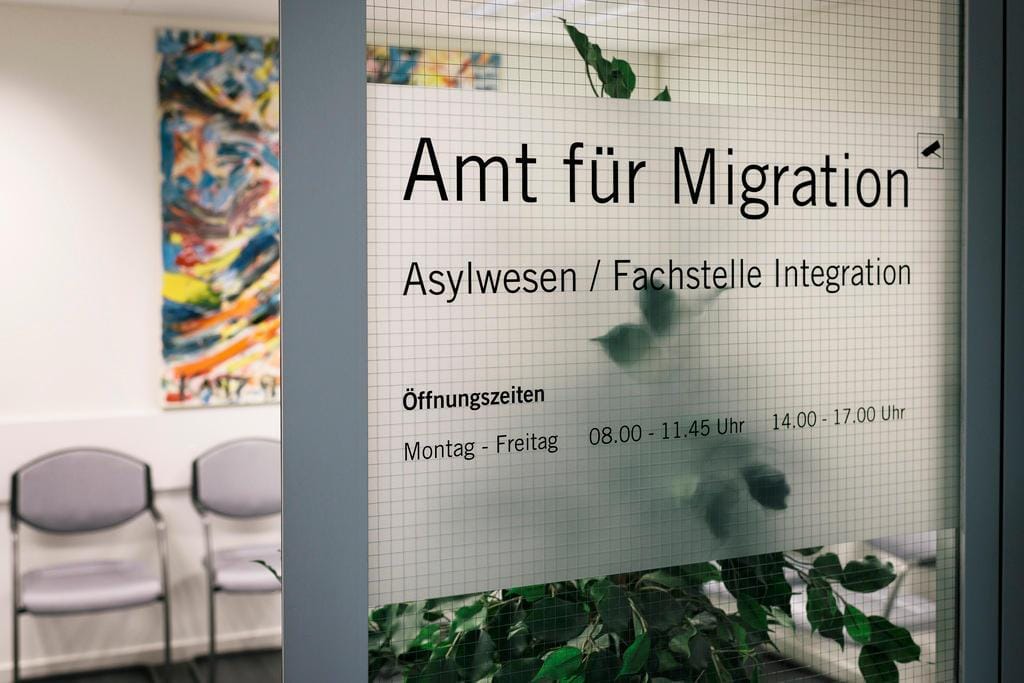
Swiss SEM to Cut 108 Jobs as Asylum Applications Decline.

Switzerland’s State Secretariat for Migration (SEM) has announced plans to reduce its workforce by 108 positions as asylum applications continue to decline across the country. The move reflects changing migration trends and ongoing government efforts to manage public spending efficiently.

According to the SEM, most of the positions being eliminated were temporary roles that were originally created to help process a backlog of asylum applications. With pending cases falling significantly in recent years, the agency says these additional resources are no longer required.

The federal government’s cost-saving measures will also result in the removal of several permanent positions. Officials stated that the reductions will affect different departments within the migration authority and are part of a broader effort to control spending across federal institutions.

Employees affected by the restructuring are expected to receive official notification during June. The planned reductions will take effect at the beginning of 2027. Despite the cuts, the SEM will continue to employ around 1,280 full-time staff members.

The agency had already reduced its workforce by 83 positions at the start of 2026. Authorities explained that staffing levels within the asylum sector are directly linked to the number of applications received each year.

Switzerland recorded fewer asylum applications during 2025, and officials expect application numbers to remain lower throughout 2026 compared with the higher levels seen between 2022 and 2024. As a result, the demand for additional processing staff has decreased.

The SEM also reported strong progress in handling pending asylum cases. By the end of March, unresolved applications had fallen by 45%, leaving approximately 8,600 cases still awaiting decisions. The reduction highlights the agency’s efforts to improve processing efficiency and shorten waiting times.

The latest workforce adjustment signals a significant shift in Switzerland’s migration administration as authorities adapt to lower asylum demand while maintaining essential services and operational efficiency.
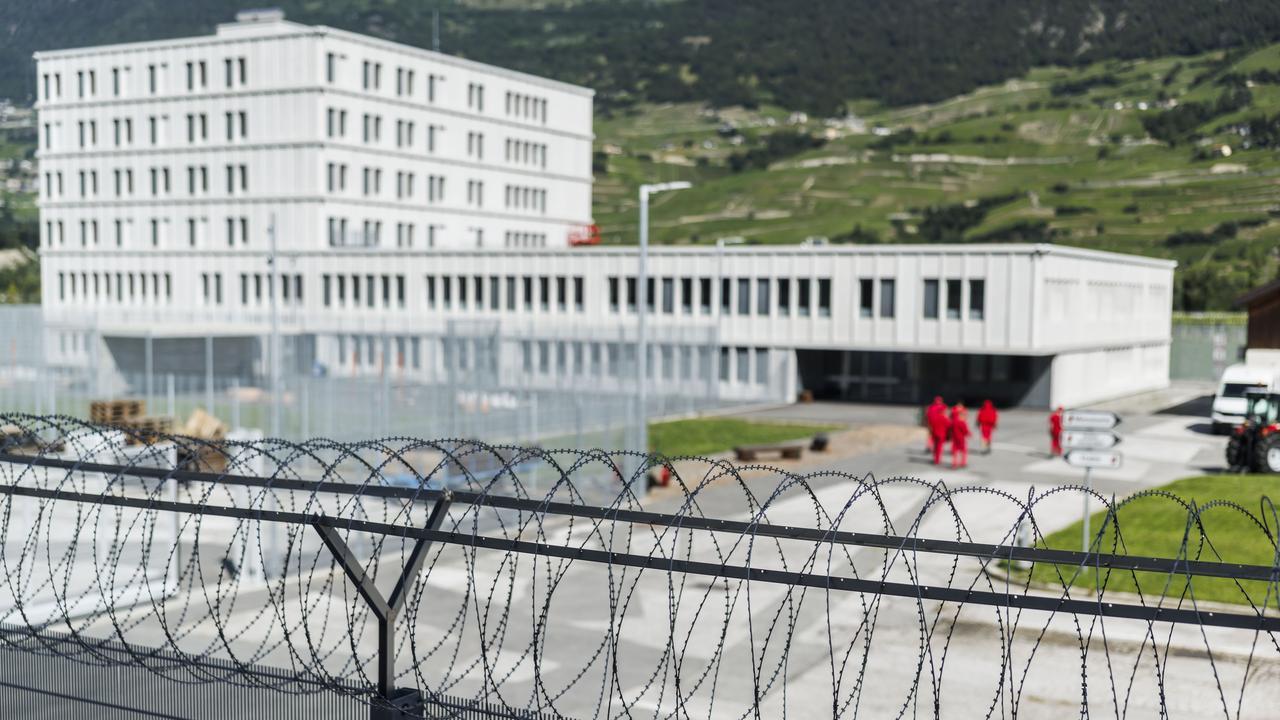

Over 72% of Prison Inmates in Switzerland Are Foreign Nationals (2025 Data Explained)

Recent 2025 data indicates that approximately 72.5% of inmates in Swiss prisons are foreign nationals. This means that nearly 7 out of 10 prisoners in Switzerland do not hold Swiss citizenship.

Understanding the Statistics

It is important to understand that the term “foreign nationals” does not only refer to tourists or illegal migrants. The category also includes:

  • Long-term residents without Swiss citizenship
  • Temporary workers and cross-border commuters
  • Asylum seekers
  • Individuals without permanent residency status

Therefore, the data reflects nationality status rather than recent immigration activity.

Population Context in Switzerland

Switzerland has a high proportion of foreign residents compared to many other countries. More than 25% of the total population consists of non-Swiss nationals. This demographic structure naturally influences prison statistics as well.

Key Factors Behind the Numbers

Experts highlight several contributing factors:

  • Higher proportion of foreign residents in urban and working-age groups
  • Inclusion of non-citizens in temporary and asylum categories
  • Socio-economic differences affecting legal outcomes
  • Cross-border mobility within Europe and Schengen area

Important Interpretation

Authorities and analysts emphasize that this statistic should not be misinterpreted as a direct link between immigration and crime. Instead, it reflects population composition, legal residency status, and socio-economic diversity in Switzerland.

Conclusion

Switzerland’s prison demographics are closely linked to its international population structure. The high percentage of foreign nationals in prisons highlights the complexity of interpreting crime data in a highly multicultural and mobile society.

Swiss Cantons Oppose Converting Asylum Status Into Work Permits

Several Swiss cantons have opposed a federal proposal that would allow asylum seekers with temporary protection status to convert their residency into work permits after five years.

The Conference of Cantonal Directors of Social Affairs of Central Switzerland warned that the policy could place significant financial pressure on cantons and municipalities across Switzerland.

The debate mainly concerns refugees holding Switzerland’s temporary protection status S, many of whom arrived from Ukraine following the ongoing conflict. Cantonal authorities argue that status S was originally designed as a short-term humanitarian measure rather than a pathway to permanent residence.

According to the cantons, automatically converting S permits into B residence permits after five years would fundamentally change the purpose of the protection system. Officials stated that such a move would transform a temporary protection mechanism into a long-term immigration model.

The cantons also criticized the federal government’s financial approach. Under the proposal, Bern plans to reduce or stop federal financial support after five years, while local governments would continue covering social welfare and integration costs.

Regional leaders are now demanding greater authority over social assistance policies and adjustments to federal regulations to ensure that cantons are not left carrying the long-term financial burden alone.

The Conference of Cantonal Directors of Social Affairs of Central Switzerland includes the cantons of Lucerne, Uri, Schwyz, Nidwalden, Obwalden, and Zug.

The issue is expected to remain politically sensitive as Switzerland continues balancing refugee protection policies with economic and social integration challenges.