

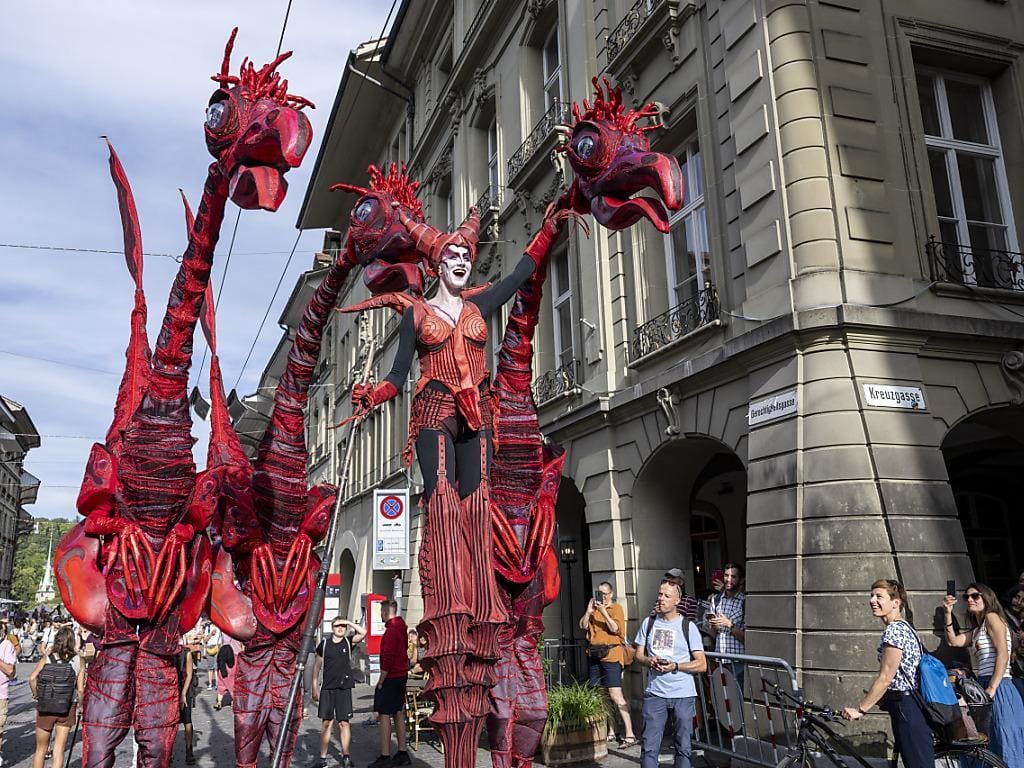
Massive Crowds Attend 35th Swiss Federal Music Festival in Biel/Bienne

The 35th Swiss Federal Music Festival has drawn massive crowds to Biel/Bienne, transforming the city into a national hub for wind instrument and brass band performances over four days.

Organisers estimate that around 100,000 visitors attended the event, with officials suggesting the actual number may have been even higher due to the overwhelming turnout across venues and streets.

A total of 24,071 musicians from 532 associations participated in competitions held in major venues such as the Palais des Congrès, Maison du Peuple, and Théâtre Nebia. Expert juries evaluated performances across multiple categories, showcasing the depth of Switzerland’s long-standing musical tradition.

Despite challenging weather conditions, most events continued as planned, although one parade competition on Saturday evening had to be cancelled due to heavy rain.

The festival atmosphere remained vibrant throughout, with large audiences lining streets along parade routes. At peak times, central areas such as Rue Centrale became so crowded that movement was extremely difficult.

In the “Brass Band Excellence” category, musicians from the canton of Valais dominated the rankings, securing the top six positions. The Ancienne Cécilia group from Chermignon claimed the top prize, reinforcing Valais’s strong reputation in Swiss brass music.

Beyond competitions, more than 60 additional cultural and entertainment events were held, attracting families, youth groups, and music enthusiasts from across the country.

Organisers also placed strong emphasis on youth participation, collaborating with local cultural collectives and youth centres to encourage younger generations to learn and engage with wind instrument music.

The festival, considered one of the largest of its kind globally, has a history spanning over 200 years, reflecting deep cultural roots dating back to the early Swiss federal era.

Following the success of the 2026 edition, the next Swiss Federal Music Festival is scheduled for 2031 in St. Gallen.
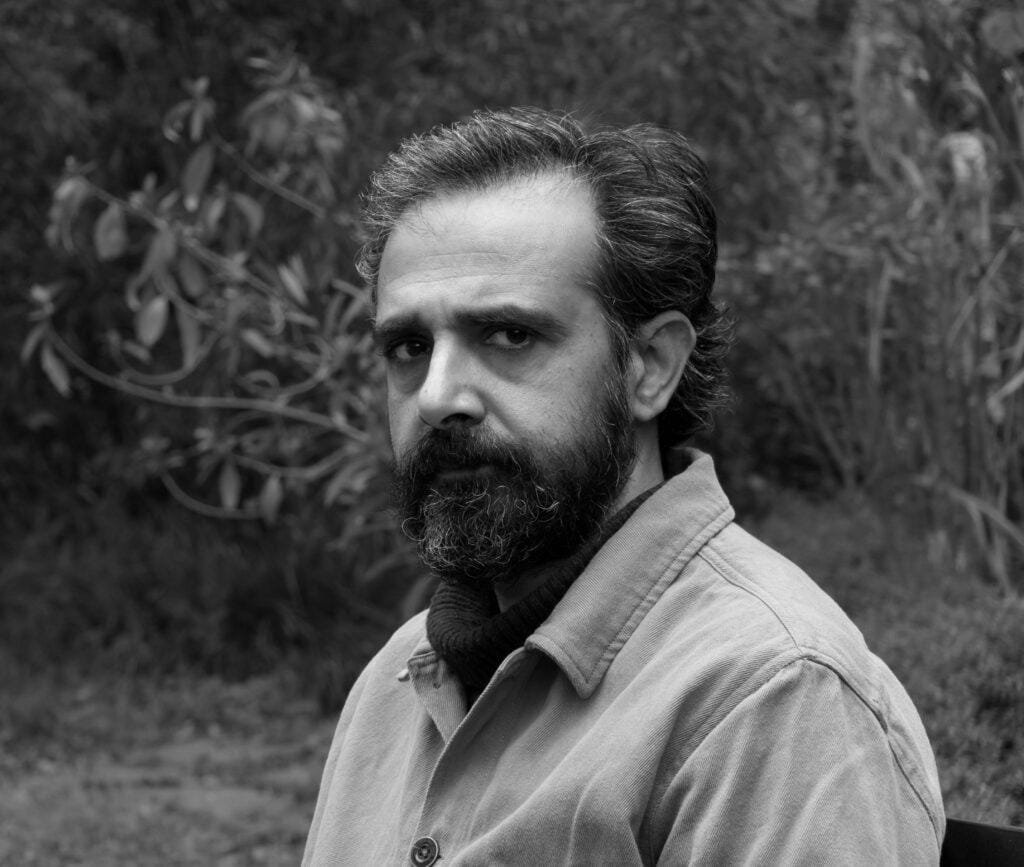
Amit Dutta Explores Swiss Scholar’s Life and Friendship Through Film

A unique cultural and artistic friendship between Indian filmmaker Amit Dutta and Swiss-based ethnographer and art historian Eberhard Fischer has come to life through a new documentary film exploring history, art, and human connection.

The film, titled Eberhard As Seen By Amit, was recently screened at the Cinéma du Réel festival in Paris. The documentary reflects on Fischer’s life and career while examining deeper themes connected to ethnographic research, colonial history, and India’s artistic traditions.

Eberhard Fischer is widely recognized for his work at the Rietberg Museum in Zurich, where he became known for his contributions to the study of Asian art and culture. Through the documentary, Amit Dutta presents Fischer not only as a scholar but also as a deeply disciplined and reflective individual whose work influenced generations of researchers and artists.

During the special screening in Paris, Fischer emotionally introduced Amit Dutta as an independent filmmaker living in the Himalayan region of northern India. He described Dutta as a poetic and deeply thoughtful artist who prefers a quiet life away from the international spotlight.

According to emails shared during the event, Dutta explained that he creates films to understand and preserve lives that inspire him. He wrote that Fischer represented a life built on education, patience, discipline, and intense intellectual focus.

Their artistic collaboration dates back many years. Dutta previously worked with Fischer on the 2010 film Nainsukh, which explored the life and work of the celebrated 18th-century Indian miniature painter.

The documentary also highlights ongoing conversations surrounding colonial-era ethnographic research and the challenge of presenting non-Western cultures through fair and respectful perspectives. By focusing on friendship and shared curiosity, the film attempts to bridge cultures through art and cinema.

Film critics and cultural observers have praised the project for its quiet storytelling style and thoughtful exploration of identity, history, and artistic legacy.