Valais Refinery Chimneys Demolished for Tech Future.

The final two chimneys of the former Tamoil Switzerland refinery in Collombey-Muraz were demolished on Thursday as redevelopment efforts continue to transform the industrial site into a future technology hub.

The massive chimneys, each standing approximately 100 metres high and weighing a combined 4,000 tonnes, collapsed within seconds during the carefully planned demolition. Officials described the structures falling “like a house of cards” after controlled explosives were triggered.

The operation required nearly three months of preparation and around 50 kilograms of explosives. Authorities temporarily closed nearby roads and surrounding areas for safety during the demolition process.

According to Stéphane Trachsler, extensive environmental studies, technical reviews, and risk assessments had been conducted since 2024 to ensure the demolition could proceed safely. Field tests were also carried out in 2025 to monitor possible ground vibrations and environmental impact.

The demolition marks another important step in the transformation of the former refinery site, which authorities and developers hope to convert into a centre for new technologies and innovation in the canton of Valais.

Project leaders also confirmed that rubble and construction materials from the demolished chimneys will be recycled and reused in regional construction projects, supporting sustainability efforts linked to the redevelopment.

The refinery site redevelopment is seen as part of Switzerland’s broader shift toward cleaner industries, technological innovation, and modern infrastructure development.

Expert Report Says Ignored Warning Signals Worsened Gotthard Train Derailment

A new expert investigation into the 2023 Gotthard Base Tunnel derailment has revealed that warning signals were reportedly ignored before the major railway accident occurred.

According to a report commissioned by the Ticino public prosecutor’s office, Swiss Federal Railways (SBB) may have been able to prevent or reduce the severity of the derailment inside the Gotthard Base Tunnel.

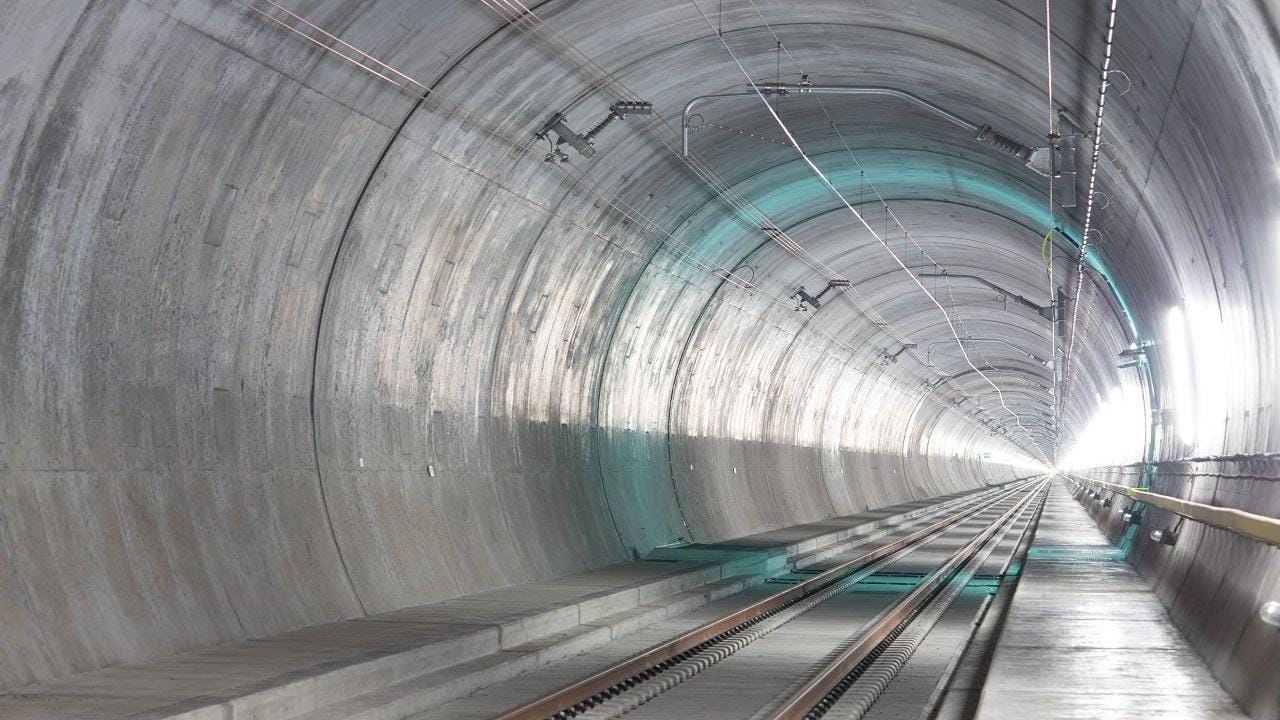
The accident happened in August 2023 after a wheel on the eleventh freight wagon broke while the train was travelling through the tunnel. The failure caused extensive infrastructure damage, resulting in repair costs estimated at around CHF150 million and the closure of one tunnel tube for more than a year.

The newly released findings, obtained by Swiss broadcaster SRF, state that a series of warning alerts appeared in SBB’s operational systems after the wheel defect occurred. However, operators allegedly failed to react to the warning messages in time.

Investigators believe earlier intervention, including emergency measures to stop the train, could potentially have limited the scale of the destruction inside one of Europe’s most important rail corridors.

The report has sparked renewed debate over railway safety systems, operational procedures, and monitoring technology within Switzerland’s transport network.

Industry representatives and transport experts are now calling for a detailed review of emergency response protocols and automated warning systems to prevent similar incidents in the future.

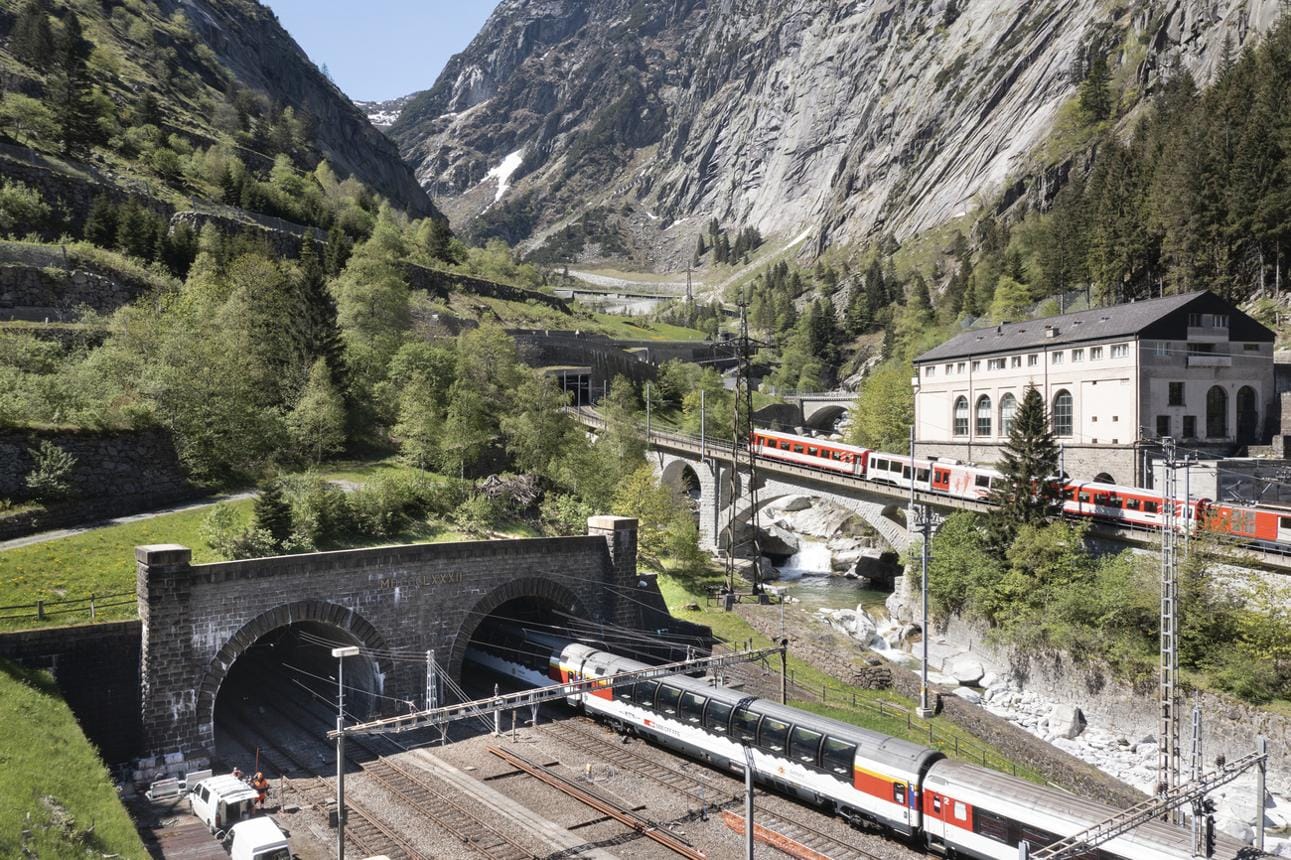
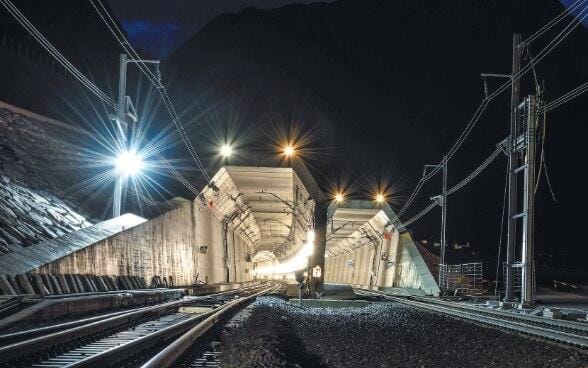
The Gotthard Base Tunnel is a key part of European freight and passenger transport infrastructure, linking northern and southern Europe through the Swiss Alps. The prolonged closure following the derailment caused significant disruption to international rail traffic and logistics operations.

Authorities are expected to continue examining accountability and operational responsibilities as part of the ongoing legal investigation.

New Report Claims Swiss Rail Operator Could Have Prevented Gotthard Tunnel Accident

A new expert report into the 2023 Gotthard Base Tunnel accident has concluded that Swiss Federal Railways (SBB) could potentially have prevented the severe incident that caused major damage and a prolonged tunnel closure.

The accident occurred in August 2023 when a broken wheel on a freight wagon led to serious damage inside the Gotthard Base Tunnel, resulting in losses estimated at around CHF 150 million and a closure lasting over a year.

According to the report commissioned by the Ticino public prosecutor’s office, multiple warning signals appeared on SBB’s operational monitoring systems after the wheel failure. However, the report claims that these alerts were not acted upon in time, allowing the train to continue through the tunnel.

The findings suggest that earlier intervention, including an emergency stop, could have reduced the severity of the damage or possibly prevented it altogether.

Criticism has since emerged from industry representatives. Josef Dittli, who also leads an association of freight wagon operators, stated that the system failed to respond appropriately despite clear warning signals.

Railway union representative Philipp Hadorn also questioned the lack of emergency braking, arguing that the response did not align with standard safety expectations in such situations.

The report highlights broader concerns about safety monitoring systems in complex rail infrastructure such as the Gotthard Base Tunnel, one of the most important transport corridors in Europe.

The findings are expected to prompt further discussions on operational safety procedures, digital monitoring systems, and emergency response protocols within Switzerland’s rail network.

Axpo Urges Gas Power Plants to Secure Switzerland’s Energy Supply.

Axpo, Switzerland’s largest electricity producer, has called for the construction of three to four gas-fired power plants to strengthen the country’s long-term energy security.

Chairman Thomas Sieber says gas plants would provide a fast and flexible solution to balance Switzerland’s electricity grid, especially during winter when demand is high and renewable production drops.

The proposal aims to complement existing hydropower and renewable energy sources in Switzerland. According to Axpo, gas-fired plants can be built much faster than large hydro or nuclear projects and can quickly respond to sudden electricity shortages.

Energy experts warn that Switzerland faces a “winter electricity gap,” where domestic production is not always sufficient to meet demand. This challenge is expected to grow as electricity consumption increases due to electrification and new technologies such as data centers and artificial intelligence systems.

Axpo argues that gas plants could act as a backup system, ensuring stability when solar and wind power are not available. However, the proposal has sparked debate because it conflicts with Switzerland’s long-term climate and decarbonization goals.

The company also stresses the importance of maintaining existing nuclear power plants as part of the country’s energy mix, describing them as a cost-effective and stable source of electricity for the coming decades.

Swiss policymakers now face a difficult balance between energy security, environmental targets, and economic costs as they plan the country’s future power system.

India’s Luxury Market Faces Mall Shortage

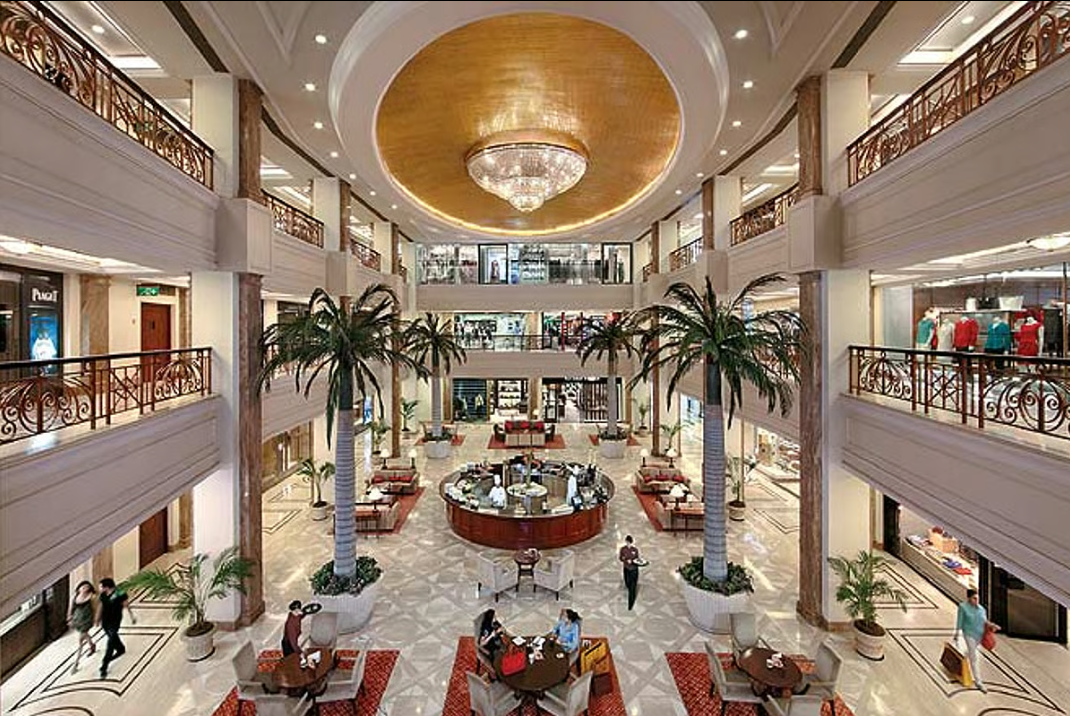
India’s luxury market is expanding rapidly, driven by rising disposable income and growing demand for premium products. However, the country faces a major challenge — a shortage of world-class luxury shopping malls. This infrastructure gap is slowing down the growth of the high-end retail sector.

Global brands such as Louis Vuitton, Gucci, and Dior are ready to expand their presence in India. They see strong potential in cities like Delhi, Mumbai, and Bengaluru. Yet, these brands struggle to find suitable retail spaces that meet international luxury standards.

Currently, most premium shopping malls in major Indian cities operate at full capacity. Retail spaces designed specifically for luxury brands remain limited. As a result, many international brands delay their entry or expansion plans in the Indian market.

The construction of new luxury malls has not kept pace with demand. High land costs and rising construction expenses have slowed down development projects. Developers also face regulatory challenges, which further delay new investments in premium retail infrastructure.

This shortage has created a clear infrastructure gap in India’s luxury ecosystem. Without sufficient high-end retail spaces, the country cannot fully benefit from its growing luxury market. Experts believe that improving infrastructure will unlock significant economic opportunities.

If India addresses this issue, it can attract more global brands, increase foreign investment, and strengthen its position in the global luxury market. The future of India’s luxury sector depends heavily on how quickly it can build world-class retail environments.