Cocaine Consumption Continues to Increase Across Switzerland, Study Finds.

Cocaine use continues to rise in Switzerland, particularly among men and young adults aged between 18 and 34, according to a new analysis by the non-profit organization Addiction Switzerland.

The report shows that cocaine is now the second most commonly used illegal drug in the country after cannabis. Based on the Swiss Health Survey 2022, approximately 1% of the population reported using cocaine within the past 12 months. However, researchers warn that actual usage levels may be higher, as wastewater analysis and other data sources suggest broader consumption across society.

Addiction Switzerland reports that cocaine use is no longer limited to specific social groups. Instead, it has spread across different sections of the population, including individuals who are socially integrated, well educated, and employed. The organization notes that while many users consume the drug occasionally, a significant group engages in regular or intensive use, increasing the risk of serious health and social consequences.

The study also highlights workplace-related consumption, where cocaine is sometimes used to enhance performance, alertness, or confidence. Sectors such as hospitality, construction, and the arts and entertainment industries are particularly affected. High work pressure, irregular schedules, and job insecurity are identified as key contributing factors.

Experts warn that the shift from occasional to problematic use often happens gradually. Many individuals only seek help once they experience significant personal, professional, or social difficulties. Addiction Switzerland emphasizes the importance of early prevention measures and increased awareness to address the growing public health concern.

The findings underline a broader trend of rising stimulant use in Switzerland and call for strengthened prevention, education, and support systems to reduce long-term harm.
Sperm Quality in Swiss Recruits Remains Stable, Study Shows.

A new scientific study has found that sperm quality among young Swiss men has remained stable over recent years, contrasting with global reports of declining male fertility indicators.

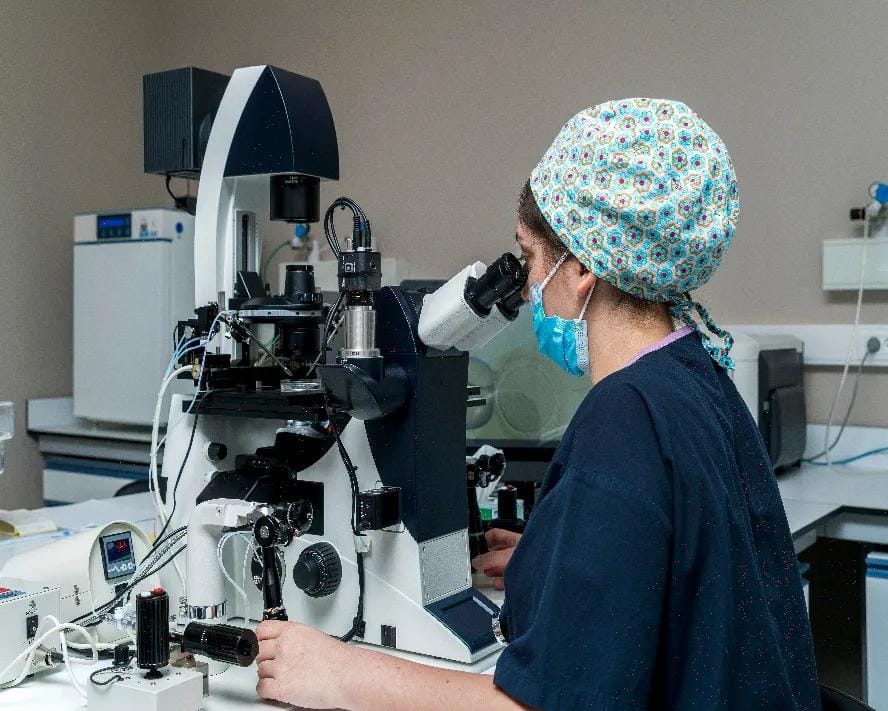
The research was conducted by the University of Zurich and the Zurich University Hospital and published in the journal New Microbes and New Infections. It compared data from 194 Swiss army recruits examined in 2021 with findings from 2,523 young men tested between 2005 and 2017.

Researchers evaluated key indicators of reproductive health, including semen volume, total sperm count, sperm concentration, and sperm motility. The results showed that these measurements have remained relatively consistent over time, suggesting no further decline in sperm quality among the study groups.

According to the study, 41% of men tested in 2021 had at least one sperm parameter below World Health Organisation reference standards. In the earlier dataset, this figure was significantly higher at 62%, indicating an apparent improvement.

However, researchers caution that the results should be interpreted carefully. They note that differences in participant selection may have influenced the findings, meaning the apparent stability or improvement could partly reflect sampling bias rather than a true population-wide trend.

Despite these limitations, the study provides important insight into reproductive health trends in Switzerland and contributes to the ongoing global discussion about potential changes in male fertility. Scientists emphasize the need for further long-term research to confirm whether sperm quality trends are truly stable.

WHO Reports Decline in Suspected Ebola Cases in DR Congo.

The World Health Organization (WHO) has reported a significant drop in suspected Ebola cases in the Democratic Republic of Congo (DRC), as improved testing has ruled out many earlier alerts.

According to the latest update, the number of suspected cases has fallen to 116, compared with more than 900 reported just days earlier. Many of the previously suspected patients tested negative for Ebola and were found to have other illnesses or non-Ebola-related fevers.

Despite the decline in suspected cases, the outbreak remains serious. The WHO confirmed 321 total cases and 48 deaths in the country so far, while six patients have recovered. Health authorities continue to closely monitor the situation to prevent further spread.

In neighboring Uganda, officials have confirmed nine cases and one death. The country has temporarily closed its border with the DRC as a preventive measure. However, global health experts, including the WHO, caution against broad travel restrictions, stating that only infected individuals and direct contacts should face movement limitations.

The International Organization for Migration (IOM) warned that border closures could worsen the situation by pushing people to cross unofficially, making health screening more difficult and increasing the risk of undetected transmission.

Health agencies continue to emphasize surveillance, testing, and targeted containment as the most effective tools to control the outbreak.

Switzerland Monitors Safety Concerns Over Tavneos Drug After Japan Warning

Swissmedic is closely monitoring international safety concerns surrounding the drug Tavneos after Japanese authorities reported multiple deaths linked to its use.

Japanese pharmaceutical company Kissei Pharmaceutical has advised doctors not to prescribe Tavneos to new patients following reports that 20 people died after taking the medication since its launch in 2021. The company also warned healthcare professionals about the risk of severe liver dysfunction.

Tavneos, developed by Amgen, is used to treat rare autoimmune diseases. Japanese officials urged doctors to carefully review ongoing treatments and determine whether patients should continue using the drug.

International regulators have also increased scrutiny over the medication. The Food and Drug Administration is reportedly considering withdrawing approval for the drug in the United States, while the European Medicines Agency has launched a formal safety review.

Swissmedic confirmed that it continuously monitors global developments involving medicines approved in Switzerland and remains in contact with international regulatory agencies. Tavneos, also known as Avacopan, has been approved for use in Switzerland since 2022.

The Swiss regulator stated that it actively analyzes safety data as part of its ongoing market surveillance process. However, Swiss authorities clarified that no formal procedure currently exists to suspend or withdraw Tavneos from the Swiss market.

As a result, the drug remains authorized for use in Switzerland while investigations continue internationally.

Switzerland Praises WHO for Strong Hantavirus Management.

Switzerland has praised the role of the Geneva-based World Health Organization (WHO) for leading the global response to the hantavirus outbreak. During the opening of the World Health Assembly in Geneva, Swiss Interior Minister Elisabeth Baume-Schneider emphasized the importance of international cooperation and transparent health communication during future global health emergencies.

Baume-Schneider stated that the WHO remains an essential institution for global public health despite growing political pressure and financial challenges. She called for a realistic and efficient international system that allows countries to share pathogen information and medical countermeasures quickly during pandemics. Switzerland strongly believes that global cooperation is necessary to prevent future health crises and protect millions of lives worldwide.

The minister also highlighted the WHO’s active response to both hantavirus and Ebola outbreaks. She acknowledged that the organization continues to perform its responsibilities effectively even after facing a budget reduction of nearly $1 billion and the loss of approximately 1,300 staff members. Switzerland reaffirmed its support for the WHO and stressed that the organization plays a critical role in global disease monitoring, emergency response, and healthcare coordination.

Recent criticism from countries such as the United States and Argentina has created uncertainty around the WHO’s future funding and leadership. However, Switzerland continues to support the Geneva-based organization and recognizes its contribution to international health security. Swiss officials believe that strengthening the WHO will improve global preparedness for future pandemics and emerging infectious diseases.

Experts say hantavirus infections remain a serious public health concern in several regions worldwide. The disease spreads mainly through contact with infected rodents and can cause severe respiratory complications. Health authorities continue to monitor the situation closely while encouraging countries to improve disease surveillance and emergency response systems.

WHO Declares Ebola Outbreak a Global Health Emergency

World Health Organization (WHO) has officially declared the ongoing Ebola outbreak in the Democratic Republic of the Congo an international public health emergency after the rapid spread of a highly dangerous virus strain.

WHO Director-General Tedros Adhanom Ghebreyesus announced that the outbreak now qualifies as a Public Health Emergency of International Concern (PHEIC), the organization’s second-highest global alert level.

Health officials confirmed that the outbreak is linked to the Bundibugyo variant of Ebola, a strain for which there is currently no approved vaccine available.

The outbreak is mainly affecting Ituri province in northeastern Congo, where laboratory testing has already confirmed several infections. WHO data released on May 16 reported at least eight confirmed cases, alongside hundreds of suspected infections and dozens of suspected deaths.

The virus has also spread beyond the immediate outbreak zone. Authorities confirmed another case in Kinshasa and a death in Kampala, Uganda, involving travellers who had recently returned from the affected region.

According to the Africa Centres for Disease Control and Prevention (Africa CDC), at least 88 deaths are believed to be linked to the outbreak among more than 300 suspected cases reported so far.

Health experts warn that the situation is especially concerning because many affected areas are remote and difficult to access. Limited laboratory testing capacity means that many infections remain classified as suspected cases rather than officially confirmed.

Ebola is one of the world’s deadliest infectious diseases and causes severe haemorrhagic fever with high fatality rates. Although vaccines and treatments exist for some Ebola strains, they are not effective against the Bundibugyo variant currently spreading in Congo.

WHO has urged governments, healthcare workers, and international organizations to strengthen monitoring systems, improve emergency response measures, and support affected communities to prevent the outbreak from escalating further.

Global health authorities continue to monitor the situation closely amid fears that cross-border transmission could increase if containment efforts fail.

WHO Declares Ebola Outbreak in DRC an International Health Emergency

The World Health Organization (WHO) has declared an international health emergency in response to a growing Ebola outbreak in the Democratic Republic of the Congo, triggering its second-highest global alert level known as a Public Health Emergency of International Concern (PHEIC).

WHO Director-General Tedros Adhanom Ghebreyesus confirmed that the outbreak meets the criteria for a PHEIC but not for a full pandemic emergency. This classification highlights the seriousness of the situation while indicating that global spread is still being assessed.

The outbreak involves the Bundibugyo strain of Ebola, a highly dangerous variant for which no widely available vaccine exists. Health experts warn that this strain remains particularly difficult to control compared to other Ebola types.

The affected region, Ituri province in northeastern DRC, has reported multiple suspected and confirmed cases. According to WHO data, at least eight confirmed cases have been identified in laboratories, alongside hundreds of suspected infections and a significant number of suspected deaths.

Additional cases have also been reported in Kinshasa and neighbouring countries, including Uganda, where at least one infected traveller has died after returning from the affected region.

The Africa Centres for Disease Control and Prevention (Africa CDC) has also reported dozens of probable deaths linked to the outbreak, though limited laboratory access in remote areas has made confirmation difficult.

Health officials warn that the outbreak is occurring in a geographically challenging region, making surveillance, testing, and treatment more difficult. As a result, many reported cases remain unconfirmed, increasing uncertainty about the true scale of the spread.

WHO has urged countries in the region and globally to strengthen surveillance, improve preparedness, and support rapid response efforts to prevent further escalation.

Experts emphasize that while vaccines exist for some Ebola strains, the Bundibugyo variant presents additional challenges, making containment efforts more urgent.

New Swiss Platform Highlights Dangers of Passive Smoking and Vaping

A new public health platform in Switzerland is raising awareness about the dangers of passive smoking and vaping as prevention groups express concern over the country’s tobacco control policies.

The platform, Passivesmoke.ch, was launched by the Swiss Association for Tobacco Prevention in partnership with the Swiss Lung League.

Campaigners say the initiative responds to growing nicotine consumption among young people and Switzerland’s continued refusal to ratify the World Health Organization Framework Convention on Tobacco Control.

According to new figures published by Addiction Switzerland, electronic cigarettes are increasingly becoming the main entry point to nicotine use among adolescents. The study found that around 45% of people aged 18 to 24 already consume nicotine-related products such as e-cigarettes, snus, and nicotine pouches.

Health advocates describe the trend as alarming and warn that passive exposure to smoke and vaping emissions remains a daily issue in homes, shared living spaces, and indoor public areas.

The new platform aims to educate the public about the health risks associated with second-hand smoke and passive vaping, topics that campaigners say have been largely overlooked in recent public debates.

The WHO Framework Convention on Tobacco Control recommends measures such as stricter advertising restrictions and higher tobacco taxes to reduce nicotine consumption. However, Switzerland remains one of the few European countries that has not fully adopted the agreement.

Earlier this year, a majority in the Swiss parliament rejected ratification of the convention, arguing that it could weaken national sovereignty by aligning Swiss policies with international standards.

Public health organizations continue to call for stronger tobacco prevention measures as nicotine product use rises among younger generations across Switzerland.

Swiss Patients Return Home After Treatment Abroad

Following the major fire disaster at the “Le Constellation” bar in Crans-Montana, all Swiss patients who were treated abroad have now safely returned home, according to the Federal Office for Civil Protection.

The blaze, which occurred on New Year’s Eve, resulted in 41 deaths and 115 injuries. In total, 38 injured individuals were transferred to specialised burn units across Europe, including clinics in Belgium, Germany, France, and Italy. Among them, 22 were Swiss residents.

The Federal Office for Civil Protection (FOCP) confirmed that a specialised coordination body, known as the Medical Board, managed the international repatriation process and ensured patients received appropriate care abroad before returning to Switzerland.

Most patients have now been transferred to hospitals in western Switzerland as well as the SUVA Clinic Sion for continued treatment close to their homes. Some critically injured patients are still being treated in intensive care units at the Lausanne University Hospital (CHUV) and the University Hospital Zurich (USZ).

Authorities reported that European cooperation played a crucial role in managing the disaster response. Under the Union Civil Protection Mechanism, 24 countries offered medical support, specialist burn units, and emergency transport services to assist Switzerland during the crisis.

Swiss officials emphasized that managing mass casualty events involving severe burn injuries requires strong international collaboration. However, Switzerland is not yet part of the EU’s civil protection mechanism, although preparations are underway for possible future participation.

The Federal Office for Civil Protection stated that ongoing cooperation between hospitals across Switzerland helped stabilize patients and also allowed additional burn victims from other incidents to receive treatment.

Authorities confirmed that recovery efforts are still ongoing, but the return of Swiss patients marks a significant milestone in the post-disaster response.