
Switzerland Protects National Language Learning.
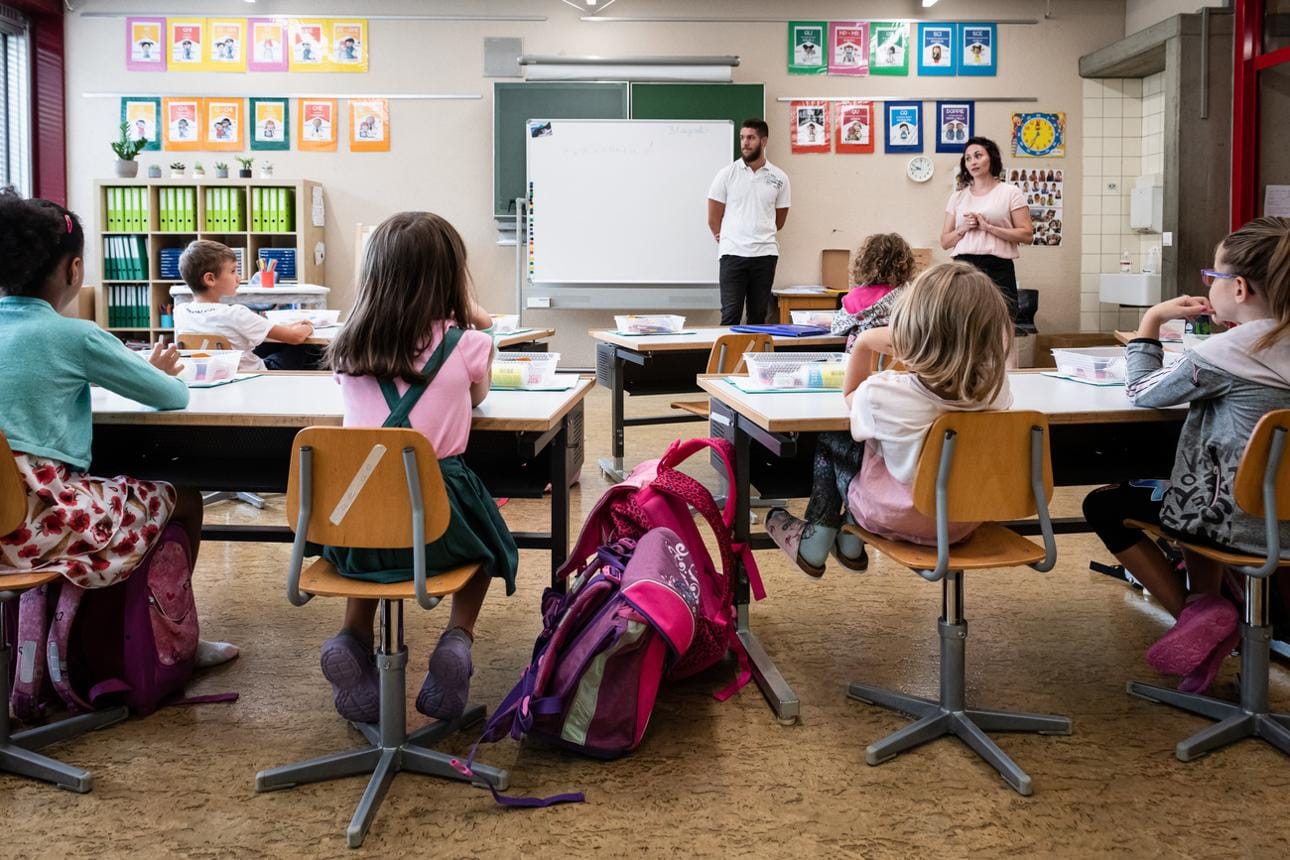
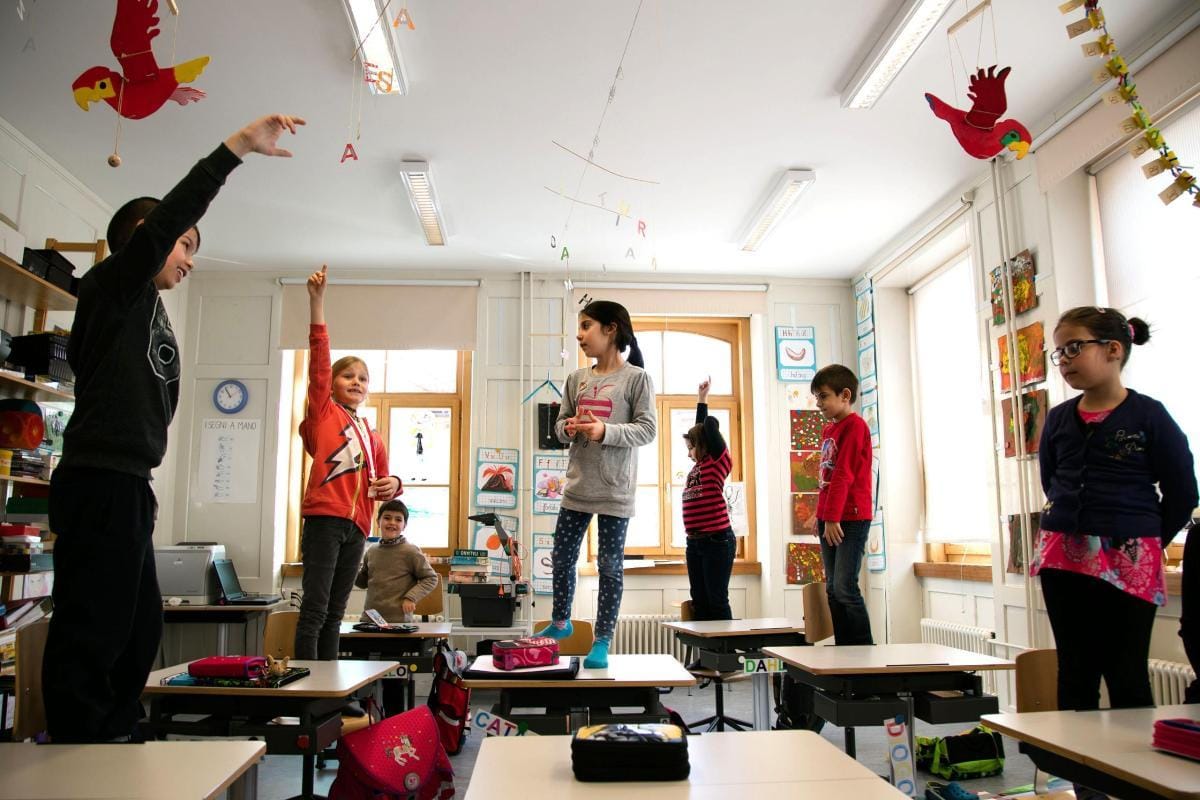
The Swiss government wants to ensure that all primary school pupils continue learning a second national language as part of compulsory education. The move comes in response to proposals in some German-speaking cantons to reduce or remove early French lessons from school timetables.
On Friday, the government launched a public consultation on amendments to the Language Act. The proposed changes would give federal authorities the power to enforce the teaching of a second national language if necessary.
According to the government, maintaining national language education is essential for Switzerland’s unity and cultural identity. Officials emphasized that the status of national languages in compulsory education is a matter of national importance.
Two options have been presented during the consultation process. The first option would require all primary school pupils to study two foreign languages: a second national language and English. This model follows the Harmos Agreement, which has already been adopted by 15 of Switzerland’s 26 cantons.
The second option offers greater flexibility to cantons. Under this proposal, pupils would still be required to learn a second national language, but it could be taught at any stage from primary school through the end of compulsory education.
The debate has intensified following discussions in parts of German-speaking Switzerland about reducing the role of French in primary education. Supporters of national language teaching argue that learning French, German, Italian, or Romansh helps strengthen national cohesion and mutual understanding between linguistic regions.
Education experts also point out that multilingualism remains one of Switzerland’s defining characteristics and a key advantage for future generations in an increasingly interconnected world.
The consultation period will remain open until October 5, after which the government will evaluate feedback before deciding on the next steps.
If approved, the legislative changes would reinforce Switzerland’s commitment to multilingual education and help preserve the country’s unique linguistic diversity for future generations.