Switzerland Marks 30 Years in Francophonie with Renewed Commitment.

Switzerland has reaffirmed its commitment to the International Organisation of La Francophonie as the country marks 30 years of membership in the global French-speaking community.

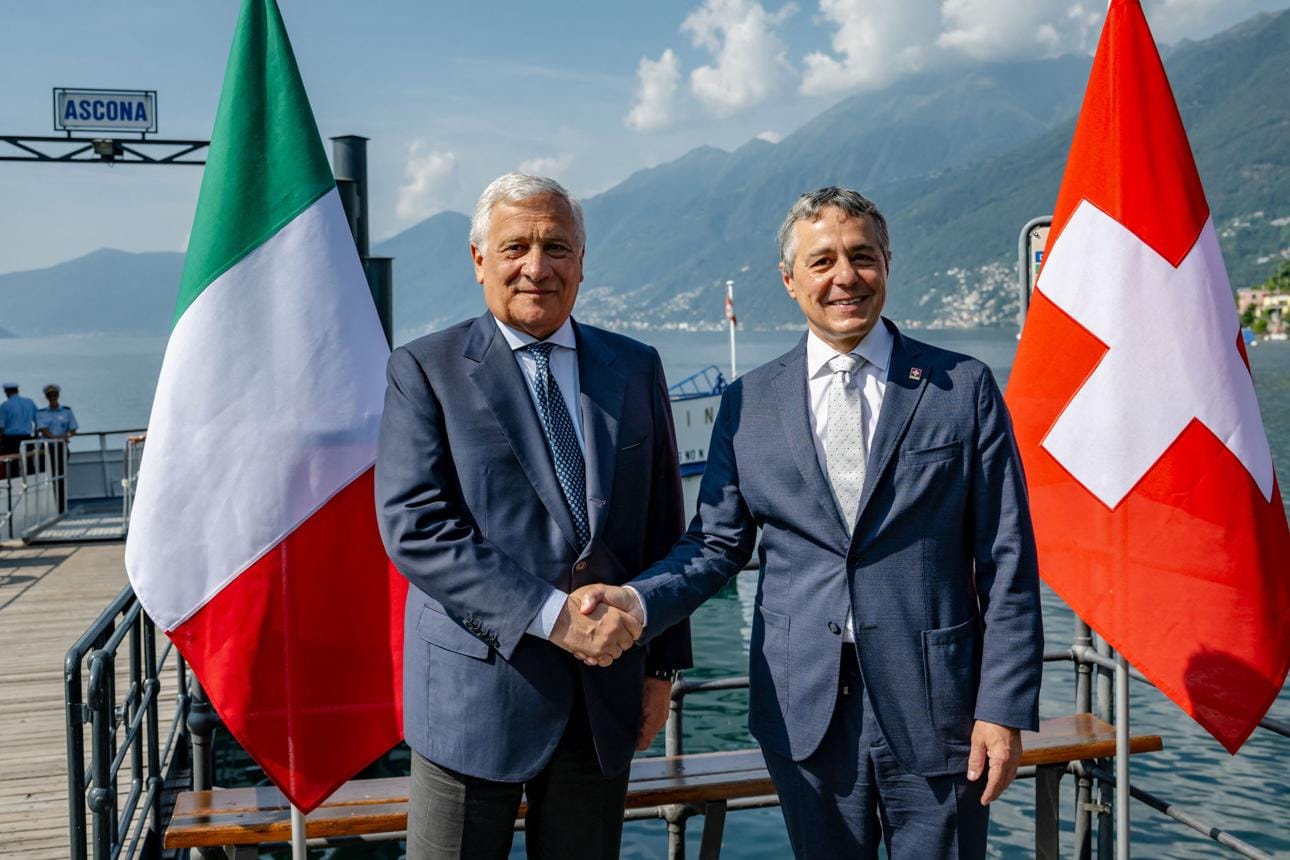
Foreign Minister Ignazio Cassis and Culture Minister Elisabeth Baume-Schneider met with Louise Mushikiwabo, Secretary-General of the Francophonie, in Bern on Thursday to celebrate the milestone and discuss the organisation’s future role.

During the discussions, Swiss officials emphasized the importance of maintaining a Francophonie that remains effective, relevant, and beneficial to its 90 member states and governments. They highlighted the organisation’s role as a platform for dialogue, cultural exchange, and international cooperation.

Speaking at the event, Baume-Schneider described the Francophonie as a privileged space for dialogue and influence. She noted that Switzerland contributes its unique experience in federalism, multilingual coexistence, mediation, and consensus-building, strengthening the organisation’s diplomatic value.

She also underlined that the French language serves as a bridge between cultures and continents, supporting mutual understanding and cooperation across diverse societies.

Since joining the organisation in 1996, Switzerland has viewed the Francophonie as an important forum for promoting democracy, peace, and human rights through linguistic diversity and shared cultural values.

For 2026, Switzerland’s contribution to the Francophonie amounts to CHF 4.1 million, making it the third-largest financial contributor after France and Canada, according to official figures.

The Observatory of the French Language reports that approximately 396 million people worldwide now speak French, highlighting the continued global relevance of the language.

The anniversary reinforces Switzerland’s role as a multilingual nation actively engaged in international cultural diplomacy and global dialogue.
Yodelling Singer Nadja Räss Awarded Swiss Grand Prix for Music 2026.

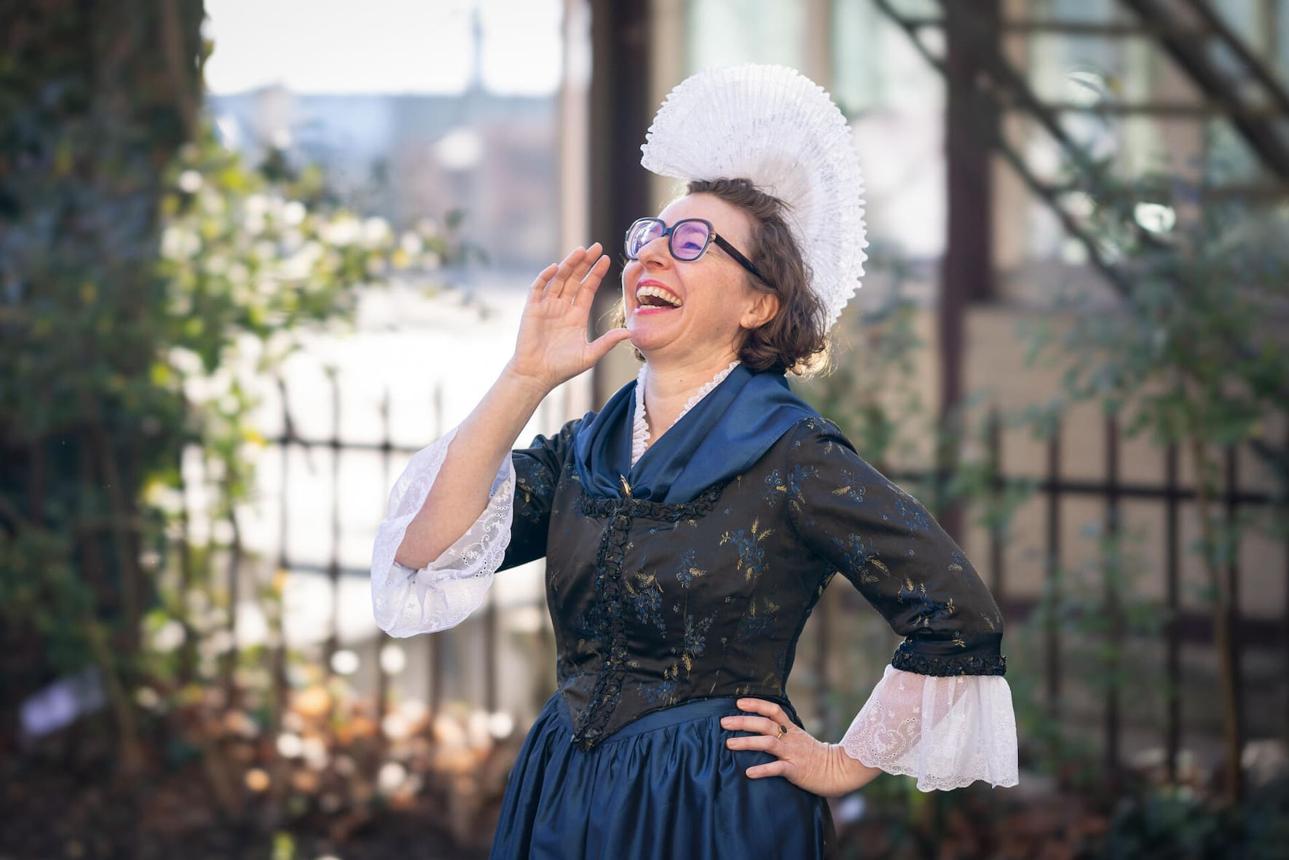
Swiss yodelling singer Nadja Räss has been awarded the 2026 Swiss Grand Prix for Music, receiving one of the country’s most prestigious cultural honours along with a prize of CHF 100,000.

The Federal Office of Culture announced the award on Thursday, recognizing Räss as one of the most influential voices in Swiss yodelling and traditional folk music. At 47 years old, the singer from the canton of Schwyz has played a key role in preserving and promoting Switzerland’s alpine musical heritage.

Räss has also worked as a cultural mediator and was instrumental in supporting the inclusion of yodelling on UNESCO’s list of intangible cultural heritage last December. The jury highlighted her contribution to elevating traditional Swiss folk music on an international level.

She becomes the first folk musician ever to receive the Swiss Grand Prix for Music, marking a significant milestone for traditional music genres in Switzerland’s contemporary cultural scene.

Alongside the Grand Prix winner, ten other musicians, collectives, and institutions were also honoured this year. Among them were Geneva-based artist Flèche Love and Neuchâtel musician Louis Schild, reflecting the diversity of Switzerland’s modern music landscape.

The jury for the 2026 awards was chaired by Ticino musician and journalist Gian-Andrea Costa. The Swiss Music Awards ceremony is scheduled to take place in Lausanne on September 19.

The recognition of Nadja Räss highlights the growing appreciation for traditional Swiss music and its evolving role in the country’s cultural identity.

Swiss Federal Music Festival Opens in Biel/Bienne Despite Weather.

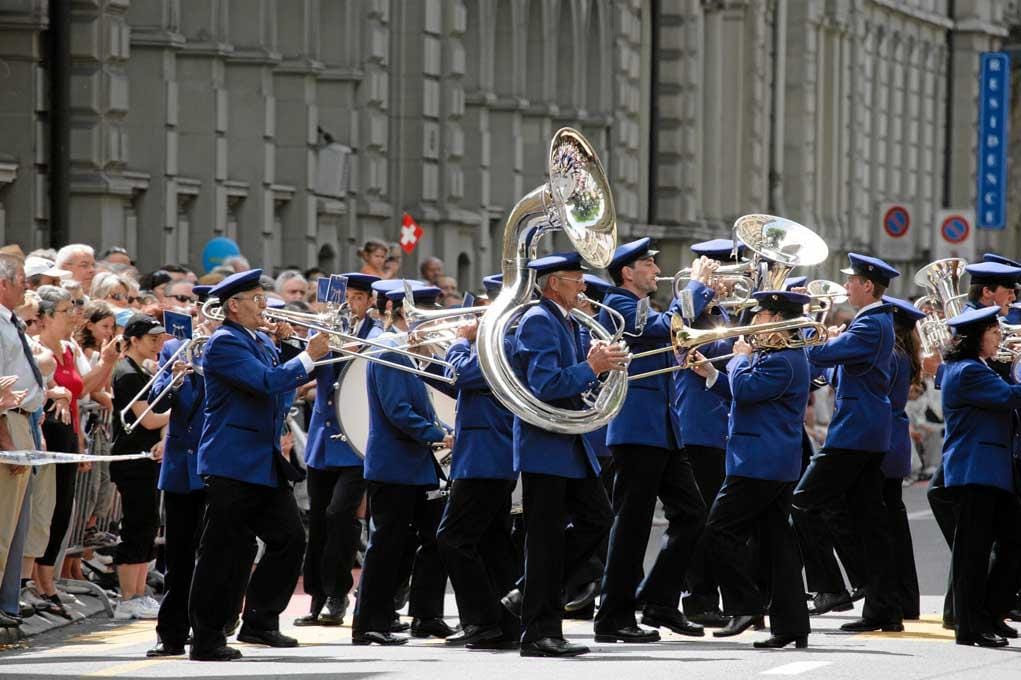
The Swiss Federal Music Festival has officially begun in Biel/Bienne, with thousands of musicians taking part in one of the country’s largest cultural events despite concerns over heavy rain.

The opening parade started on Thursday at around 12:30 pm after organisers made a last-minute decision to proceed. While light drizzle was reported during parts of the day, the weather also improved at times, allowing the procession to continue through the city streets.

Organisers had earlier warned that the parade could be cancelled if conditions worsened, as wind instruments such as clarinets, saxophones, and oboes are particularly vulnerable to rain damage.

The festival’s communications manager, Théo Martin, confirmed that the decision to proceed depended heavily on weather conditions, with heavy rainfall remaining the main risk factor for cancellation.

A member of the organising committee, Jean-Marc Richard, highlighted the cultural importance of the event, stating that the festival showcases the “power and energy of wind instruments” and helps challenge common stereotypes about folk music.

The Swiss Federal Music Festival brings together around 532 music societies from across Switzerland, with more than 25,000 participants competing in various categories between Thursday and Sunday.

Held approximately every five years, the event is one of Switzerland’s most significant musical gatherings, attracting large audiences and celebrating the country’s strong tradition of amateur and professional wind music ensembles.

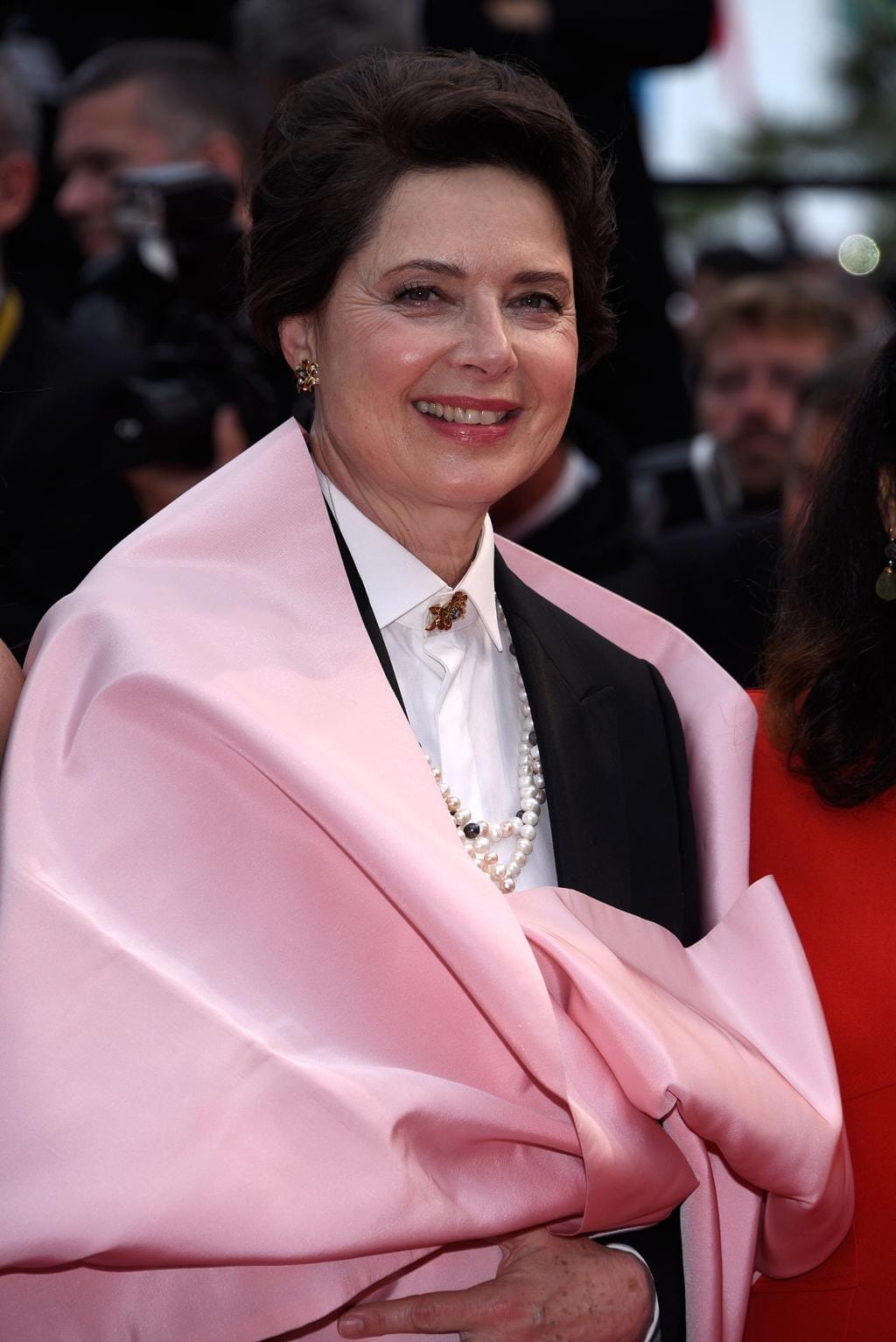
Isabella Rossellini to Receive Excellence Award at Locarno Film Festival

Isabella Rossellini will receive the Excellence Award at the upcoming Locarno Film Festival, celebrating her long-standing contribution to cinema, television, and fashion.

The award will be presented on August 5 during the opening night of the festival’s 79th edition, held on the iconic Piazza Grande in Locarno, Switzerland.

Rossellini, the daughter of Swedish actress Ingrid Bergman and Italian filmmaker Roberto Rossellini, built her career first as a model before becoming an internationally recognised film and television actor. She is widely known for her role as Dorothy Vallens in David Lynch’s Blue Velvet (1986).

Over the decades, she has collaborated with acclaimed directors such as Robert Zemeckis and the Taviani brothers, building a reputation as one of contemporary cinema’s most distinctive performers.

More recently, she appeared in La Chimera (2023) by Alice Rohrwacher and Conclave (2024) by Edward Berger, a performance that earned her an Academy Award nomination for Best Supporting Actress.

Beyond acting, Rossellini is also deeply involved in environmental and animal studies. She holds a Master’s degree in animal behaviour and conservation from Hunter College in New York and has created several short film projects, including the acclaimed series Green Porno (2008–2009), which humorously explores animal mating behaviours.

Festival artistic director Giona A. Nazzaro described her as a “visionary and incomparable performer” whose work has left a lasting impact on global cinema.

The 79th Locarno Film Festival will run from August 5 to 15, bringing international filmmakers, actors, and audiences together in Switzerland.

New Report Highlights Anti-Semitic History Linked to Richard Wagner in Lucerne

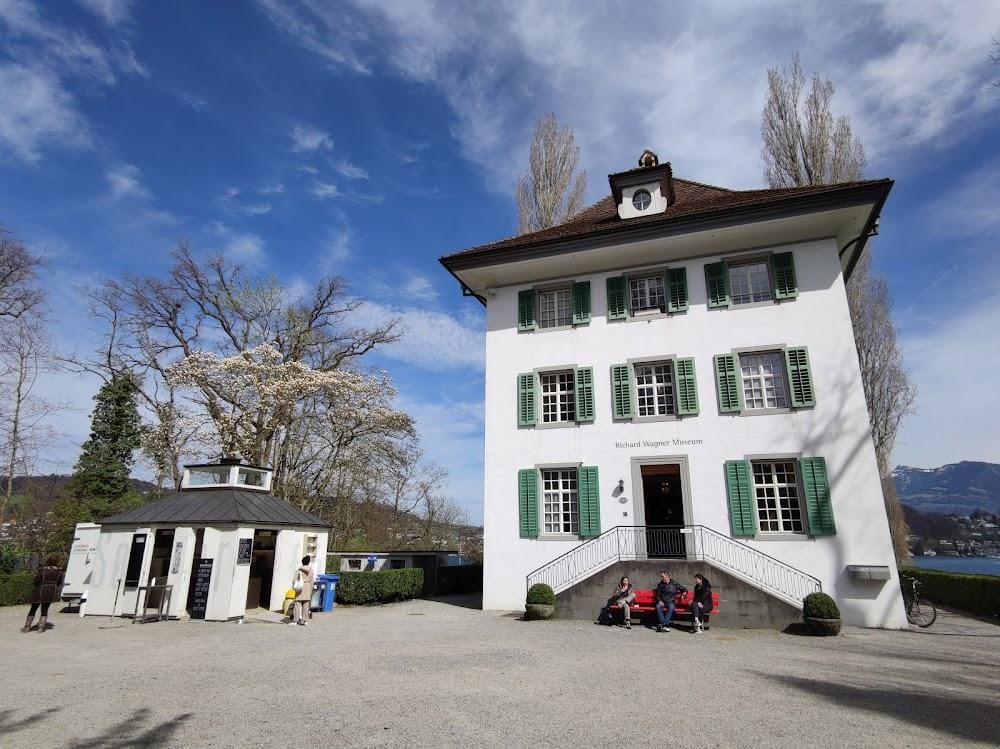
Lucerne has released a new historical report examining the anti-Semitic views of Richard Wagner and the origins of the Richard Wagner Museum. The 58-page investigation concludes that Wagner’s anti-Semitism was “very clear and unmistakable.”

The city of Lucerne and the museum commissioned the research after political parties in the city parliament called for a critical review of the museum’s permanent exhibition in 2023. The study was conducted by the Swiss Society for History with oversight from an independent scientific advisory board.

Wagner lived on the Tribschen peninsula in Lucerne between 1866 and 1872. During this period, he completed major operas including Die Meistersinger von Nürnberg and Siegfried, while also working on Götterdämmerung and composing the Siegfried Idyll.

According to historian Patrik Süess, Wagner strengthened his radical nationalist and anti-Semitic ideology during his years in Lucerne. The report also identified historical links between individuals involved in establishing the museum and Nazi-affiliated circles during the 1930s and 1940s.

In response, Lucerne city officials stated that anti-Semitism is completely incompatible with the city’s values. Authorities emphasized that the Richard Wagner Museum now addresses Wagner’s anti-Semitic statements openly and critically rather than ignoring or minimizing them.

The city announced that the findings will be integrated into future museum projects, including a special exhibition, educational programmes for schools, guided tours, and a revised museum publication beginning in 2027.

The report has reopened discussions across Switzerland and Europe about how cultural institutions should present the legacy of influential historical figures whose works are connected to discriminatory ideologies.