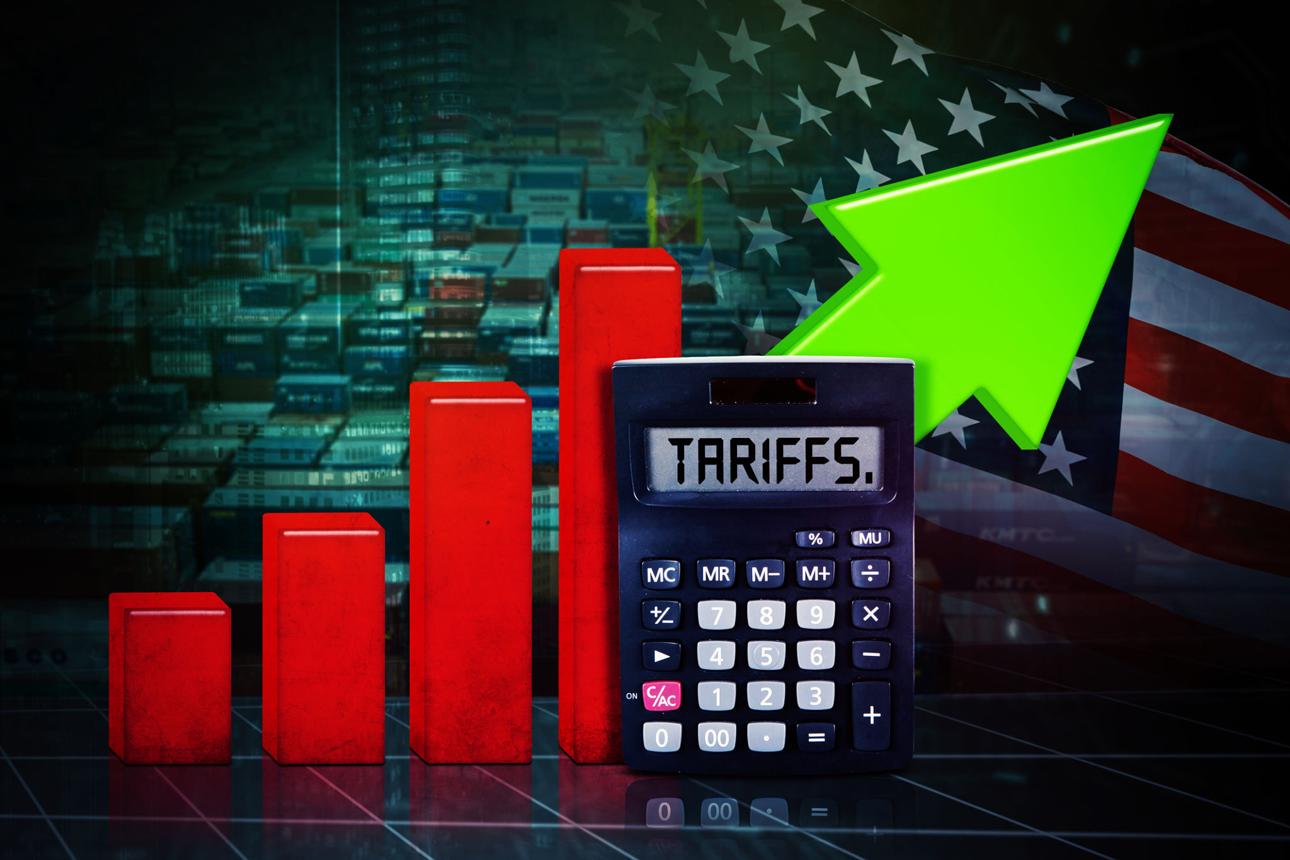
SECO Warns Trump-Style US Tariffs Likely to Stay.

Switzerland’s top economic official believes that US tariffs introduced during the Trump era are likely to remain in place even beyond the current political cycle.

Helene Budliger Artieda, head of the State Secretariat for Economic Affairs (SECO), said in an interview that efforts to reindustrialise the United States enjoy broad bipartisan support and are unlikely to be reversed quickly.

Tariffs Seen as Long-Term Policy

According to Budliger Artieda, even a future Democratic president would find it difficult to abolish tariffs if they remain within the 10–20% range.

She noted that the United States depends on customs revenues as part of its broader fiscal strategy, making major policy reversals less likely.

“The tone may change, but the policy direction will remain,” she explained, adding that global trade conditions have become more complex and less predictable.

Switzerland Urged to Focus on Stability

The SECO chief advised Switzerland to concentrate on maintaining strong economic framework conditions rather than engaging in active industrial policy experiments.

She emphasized that Switzerland’s attractiveness as a business location is rooted in stability, predictability, and a liberal economic environment, which companies continue to value.

No Immediate Threat to Swiss Exports

Despite concerns over global trade tensions, Budliger Artieda stated that Swiss exports are not currently under direct threat. However, she warned that the international economic environment is becoming more challenging.

She highlighted that new trade barriers are emerging not only with the United States but also in other global markets.

Switzerland Must Adapt to Changing Global Trade

The SECO director concluded that Switzerland must become more agile in response to shifting global conditions.

She described the country’s future approach as needing to act like “fast hurdlers,” capable of quickly adapting to new economic obstacles while maintaining competitiveness in global markets.
NATO Withdraws Some Kosovo Peacekeepers While Swisscoy Mission Continues

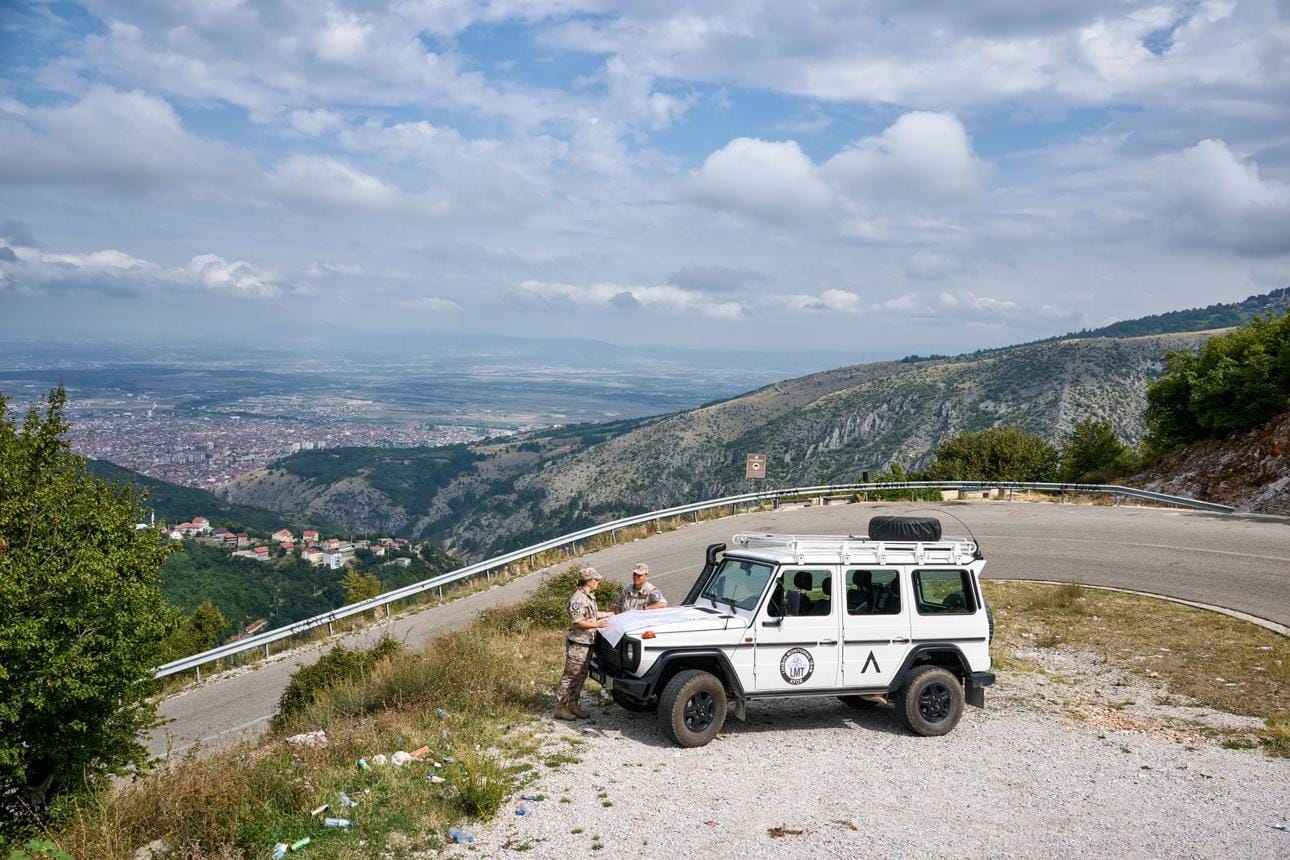
NATO has announced plans to gradually reduce its troop presence in Kosovo, but Switzerland’s Swisscoy deployment will continue without changes.

The decision reflects an improved security situation in the region, according to the Supreme Headquarters Allied Powers Europe (SHAPE), which confirmed the adjustment on Friday.

NATO Plans Gradual Reduction of KFOR Forces

NATO intends to scale back its Kosovo Force (KFOR) mission over the coming year due to a more stable security environment. However, officials emphasized that the situation in Kosovo remains fragile and requires continued international monitoring.

Currently, around 4,600 soldiers are deployed as part of KFOR, with contributions from 31 countries. The United States alone provides approximately 600 troops and had previously indicated a potential reduction in its participation.

Following violent incidents in 2023, NATO temporarily reinforced its presence with reserve forces. Since then, the security situation has improved but is still described as volatile.

Swisscoy Deployment Remains Unchanged

The Swiss defence ministry confirmed that the NATO announcement has no impact on Swisscoy operations. Switzerland does not contribute infantry combat troops to KFOR, and its role remains focused on support functions.

The Swiss contingent continues to carry out key tasks such as situation monitoring, transport services, and operational support at KFOR headquarters.

The maximum strength of Swisscoy remains capped at 215 military personnel.

Switzerland’s Long-Standing Peacekeeping Role

Switzerland has participated in the Kosovo mission since 1999, marking its largest overseas military deployment to date.

Swisscoy operates as part of the broader NATO-led peace support effort, which aims to maintain a safe and secure environment in Kosovo while supporting civilian institutions and public order.

Despite NATO’s planned reduction, Swiss officials reaffirm that Switzerland’s contribution will remain stable as part of its commitment to international peacekeeping cooperation.

Italy to Resume Accepting Dublin Asylum Cases From Switzerland

Italy is preparing to resume taking back asylum-seekers from Switzerland under the Dublin framework, following a prolonged suspension of returns since 2022.

The development marks a potential breakthrough in a long-standing dispute between the two countries over responsibility for asylum applications within Europe.

Transfers Expected to Restart Soon

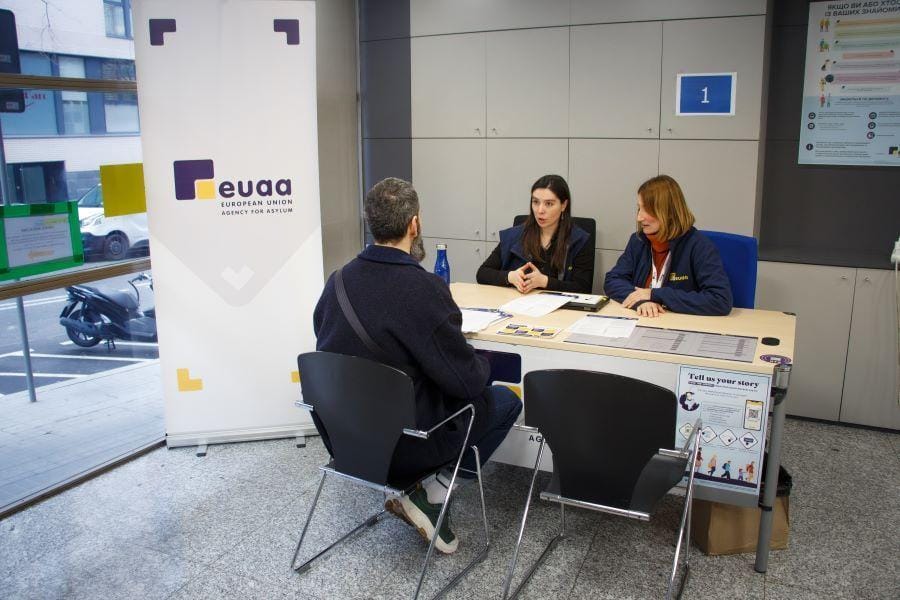
The State Secretariat for Migration (SEM) confirmed that Italy is once again willing to accept Dublin cases. According to SEM spokesperson Magdalena Rast, the first transfers are expected to resume once the new EU migration pact is fully implemented.

Switzerland has remained in contact with Italian authorities to coordinate the restart of returns, although exact timelines and capacity remain uncertain.

Authorities estimate that more than 1,200 asylum-seekers currently in Switzerland could eventually be transferred back to Italy under the renewed arrangement.

Italy Had Suspended Returns Since 2022

Italy had stopped accepting Dublin returns in 2022, repeatedly signalling concerns over migration pressure at its external borders. Although temporary assurances were given in the past, they were not implemented, leaving Switzerland unable to carry out transfers under the system.

The renewed cooperation now appears linked to broader changes in European migration policy.

EU Migration Pact Brings New Solidarity Mechanism

The shift is associated with the EU migration pact, which entered into force on Friday. A central feature of the pact is a solidarity mechanism designed to distribute responsibility more evenly among European countries.

Under this system, EU member states can choose between accepting asylum-seekers, providing financial contributions, or offering operational support such as personnel to frontline states facing high migration pressure.

Switzerland to Participate in New Framework

Although Switzerland is not an EU member, it intends to take part in the solidarity mechanism. However, this participation will require a formal agreement with the European Union.

The Swiss Federal Council is expected to decide annually how the country contributes to the mechanism, balancing financial, operational, and relocation-based options.

Step Toward Greater Migration Coordination

If fully implemented, the renewed Dublin cooperation between Switzerland and Italy could ease pressure on Switzerland’s asylum system and improve coordination within Europe’s broader migration framework.

However, officials stress that the scale and speed of future transfers remain uncertain as implementation details are still being worked out.

Experts Gather in Davos to Tackle Global Biodiversity Crisis

More than 1,000 experts from over 70 countries will meet in Davos, Switzerland, from June 14 to 19 for the World Biodiversity Forum 2026, focusing on urgent solutions to global biodiversity loss and species extinction.

The event brings together scientists, policymakers, businesses, and civil society representatives to move beyond discussion and toward concrete action.

From Targets to Implementation

Although the international community agreed on ambitious biodiversity goals under the 2022 Kunming–Montreal Global Biodiversity Framework, experts say progress remains insufficient.

Gabriela Schaepman-Strub, professor of Earth system science at the University of Zurich and chair of the forum, stressed that global efforts are still not on track to meet the 2030 biodiversity targets.

She emphasized that while international discussions have intensified, implementation at national and global levels continues to lag behind expectations.

Biodiversity Under Pressure in Switzerland

The situation is also critical within Switzerland. According to Lukas Berger of the Swiss Academy of Sciences (SCNAT), biodiversity in the country remains under severe pressure.

While the rate of decline has slowed since the early 2000s and some improvements have been observed, around one-third of species in Switzerland remain at risk.

Experts highlight that the main challenge is not the absence of laws or strategies, but weak implementation and enforcement of existing environmental policies.

Conflicting Policies and Global Impact

Researchers also point to contradictory incentives that affect biodiversity protection. While funding exists to support conservation, significantly larger subsidies continue to support activities that harm ecosystems.

Experts further stress that Switzerland has a global responsibility, as biodiversity loss is also driven by international supply chains and overseas investments linked to Swiss industries.

Science, Business, and Policy Collaboration

Unlike formal United Nations negotiations, the World Biodiversity Forum serves as a platform for collaboration between science, business, politics, and civil society.

The goal is to develop innovative, practical solutions rather than formal agreements between states.

Participants are expected to adopt a resolution calling for a shift from policy declarations to real-world implementation.

Biodiversity as the Foundation of Life

Experts at the forum emphasize that biodiversity is essential for human survival, supporting clean water, fertile soil, pollination, and ecosystem stability.

They argue that protecting nature should not be seen as optional but as fundamental to human health and well-being.

As Lukas Berger noted, biodiversity is “our lifeblood,” and successful conservation efforts can already be seen in restored habitats and improved ecosystems where action has been taken.