


Digital Skills in Switzerland Show Strong Access but Clear Inequalities.

Switzerland continues to perform strongly in digital development, but a new report from the Federal Statistical Office (FSO) highlights significant gaps in digital skills across different population groups.

Overall, Switzerland ranks above the EU average in internet access, online services, and digital abilities. Nearly all households—about 99%—have internet access, and most people use the internet daily. However, the report confirms that access alone does not guarantee equal digital participation.

Older adults, people with lower levels of education, and individuals in lower-skilled occupations face the greatest challenges. While more than three-quarters of people aged 16 to 74 have basic digital skills, this figure drops sharply among those over 60 and those without post-compulsory education.

The gap becomes more visible in the use of digital services. Around 81% of residents use e-banking, but only 62% of people over 60 do so. The difference is even more striking in artificial intelligence usage, where 75% of young people aged 15–29 use AI tools compared to just 15% of older adults.

Gender differences also remain. Men use generative AI more often than women, while higher education levels strongly correlate with better digital skills.

The FSO warns that digital inclusion must improve so that all citizens can fully participate in modern society, especially as services increasingly move online.
Geneva Police Introduce Switzerland’s First Real-Time Sign Language Support System.

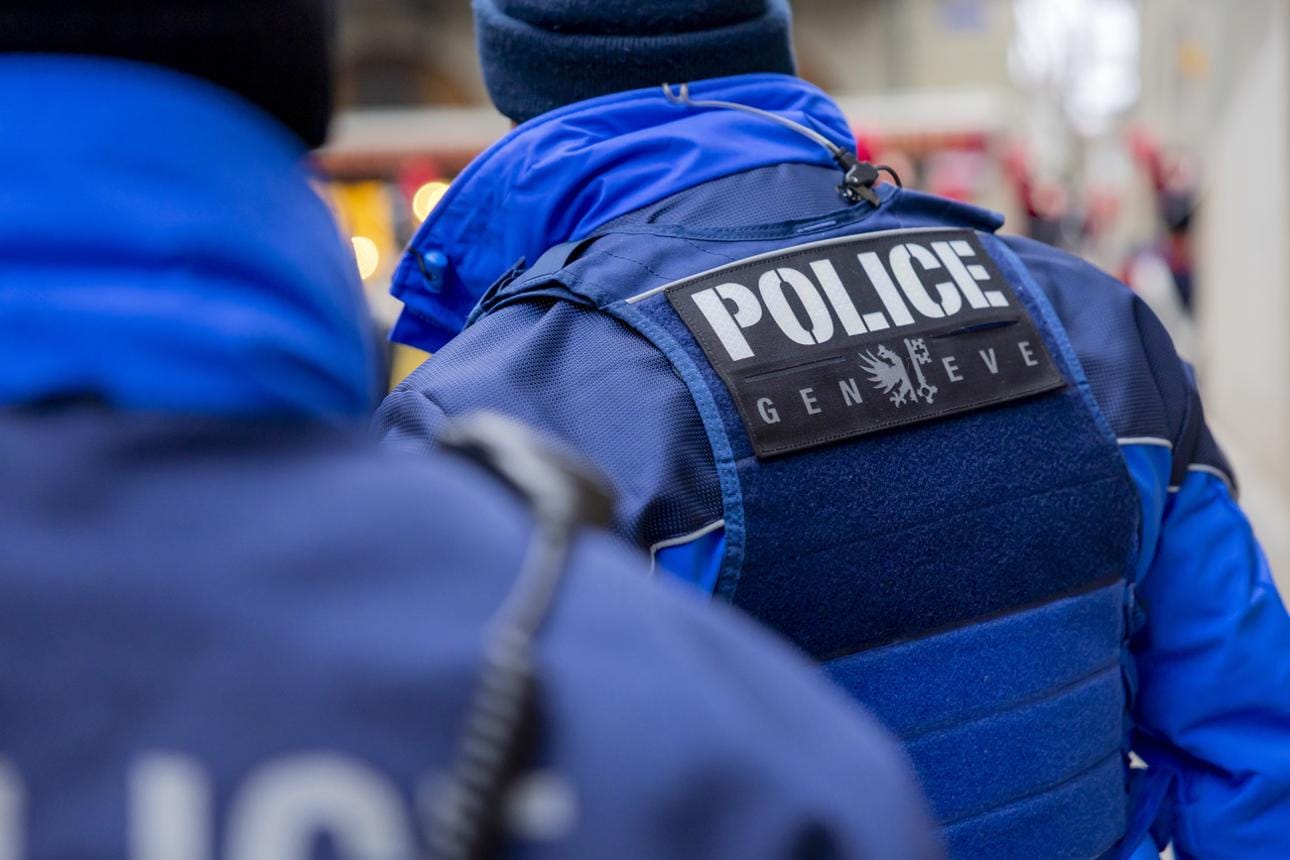
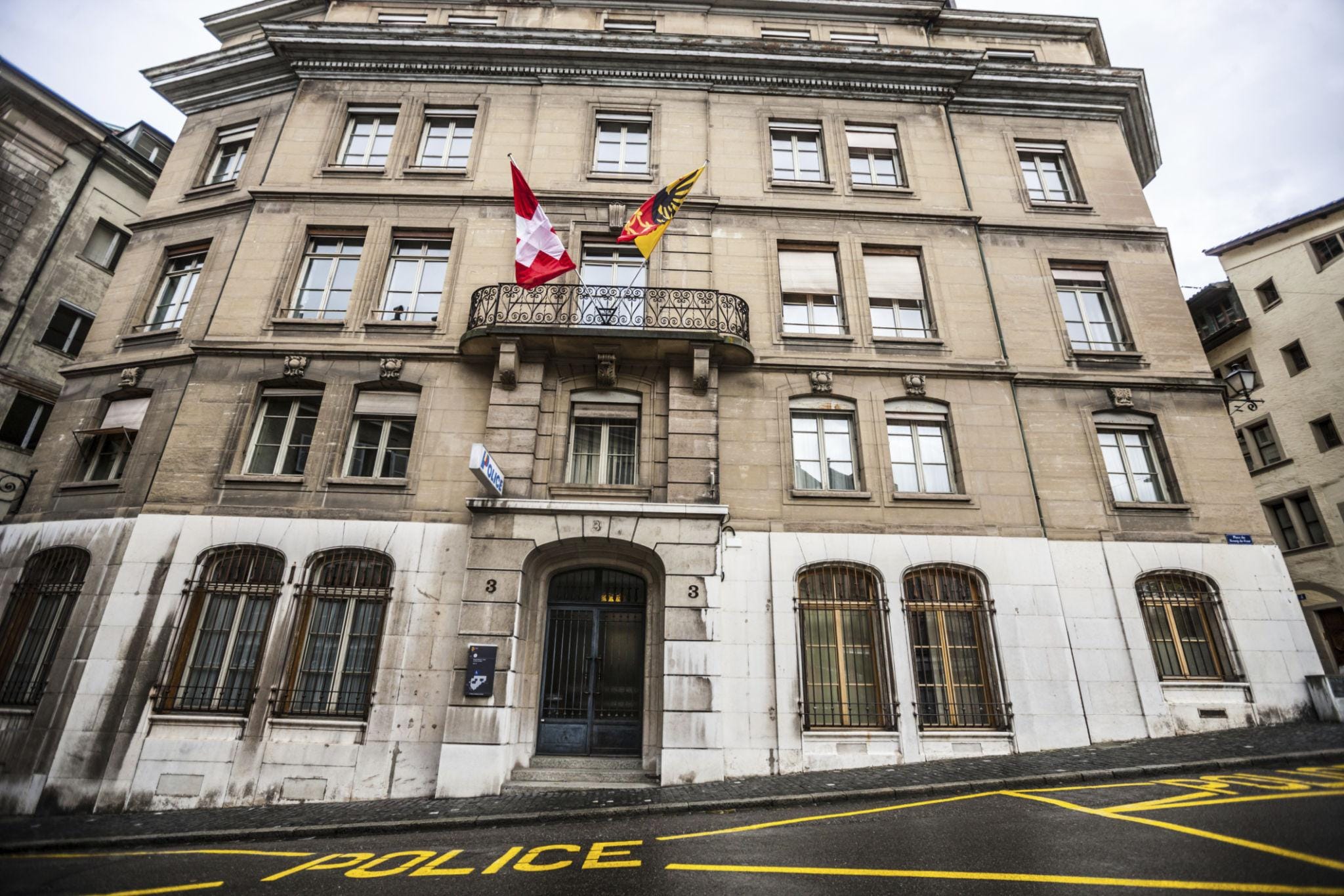
Geneva has become the first city in Switzerland to introduce a real-time sign language interpretation service within its municipal police department. The new system aims to improve communication and accessibility for deaf and hard-of-hearing residents.

Starting Monday, individuals visiting police counters or interacting with officers will be able to connect instantly with professional sign language interpreters through a live video system. The service works using a QR code that officers can activate directly on their smartphones while assisting the public.

The initiative was developed in partnership with the PROCOM Foundation and marks a major step forward for accessibility in Swiss public services.

Marie Barbey-Chappuis stated that the city wants to ensure equal access to public services for everyone under fair conditions. Meanwhile, Christine Camp described the project as an important milestone for inclusive policing in Switzerland.

According to official estimates, between 20,000 and 30,000 people in Switzerland are deaf, while nearly one million residents live with some form of hearing impairment. Geneva’s new accessibility system also supports upcoming revisions to Switzerland’s federal disability equality legislation.

Experts believe this digital interpretation service could become a model for police departments and government institutions across the country.

Geneva Police Launch Real-Time Sign Language Service for Deaf Community

Geneva has become the first city in Switzerland to introduce a real-time sign language interpretation system within its municipal police service, improving accessibility for deaf and hard-of-hearing residents.

Starting Monday, people who visit police counters or interact with officers will be able to connect instantly with a professional sign language interpreter via video call. The system is activated through a QR code, allowing staff to quickly initiate communication through a smartphone or device in the field.

The initiative is supported by the PROCOM Foundation, which provides remote interpretation services. This innovation ensures that communication barriers are reduced during police interactions, emergency support, and administrative procedures.

City officials emphasized that the goal is to guarantee equal access to public services for all residents. Marie Barbey-Chappuis described the project as an important step toward inclusivity, while Christine Camp highlighted its significance for improving public service communication.

Authorities estimate that between 20,000 and 30,000 people in Switzerland are deaf, while nearly one million live with some form of hearing impairment. The new system also aligns with upcoming revisions to Switzerland’s federal disability equality laws.

Geneva’s approach is being closely watched as a potential model for other Swiss cities aiming to improve accessibility in public services through digital innovation.