


Switzerland Struggles to Tackle Water-Related Environmental Crimes

Switzerland, often known as the “water castle of Europe”, is facing growing concerns over how water-related environmental crimes are handled and prosecuted across the country.

A new research project from the University of Neuchâtel highlights that offenders who pollute water sources are often not punished strongly enough. The study is funded by the Swiss National Science Foundation (SNSF) and aims to examine how water-related offences are investigated and prosecuted.

An initial review presented at a national conference revealed significant weaknesses in the current enforcement system. Experts from both academia and public authorities agreed that existing tools to combat water pollution are inconsistent and often ineffective.

Despite Switzerland’s global reputation for clean water, its rivers and lakes are increasingly affected by pesticides, micropollutants, and nitrogen contamination. Researchers warn that these pollutants pose long-term risks to ecosystems and public health.

One of the main issues identified is the fragmentation of environmental regulations across Swiss cantons. This leads to uneven enforcement practices, meaning similar offences may be treated differently depending on the region.

Project initiator Nadja Capus explained that water-related offences are often seen as isolated incidents, rather than part of a broader structural environmental problem. The goal of the research is to improve awareness and make these offences more visible within the legal system.

The interdisciplinary study combines criminal law, criminology, and sociology of law, aiming to develop a more consistent approach to environmental justice in Switzerland.

Researchers believe that stronger coordination between cantons and clearer legal frameworks are essential if Switzerland is to effectively protect its water resources in the future.
Drought Conditions Continue Across Switzerland Despite Recent Rain

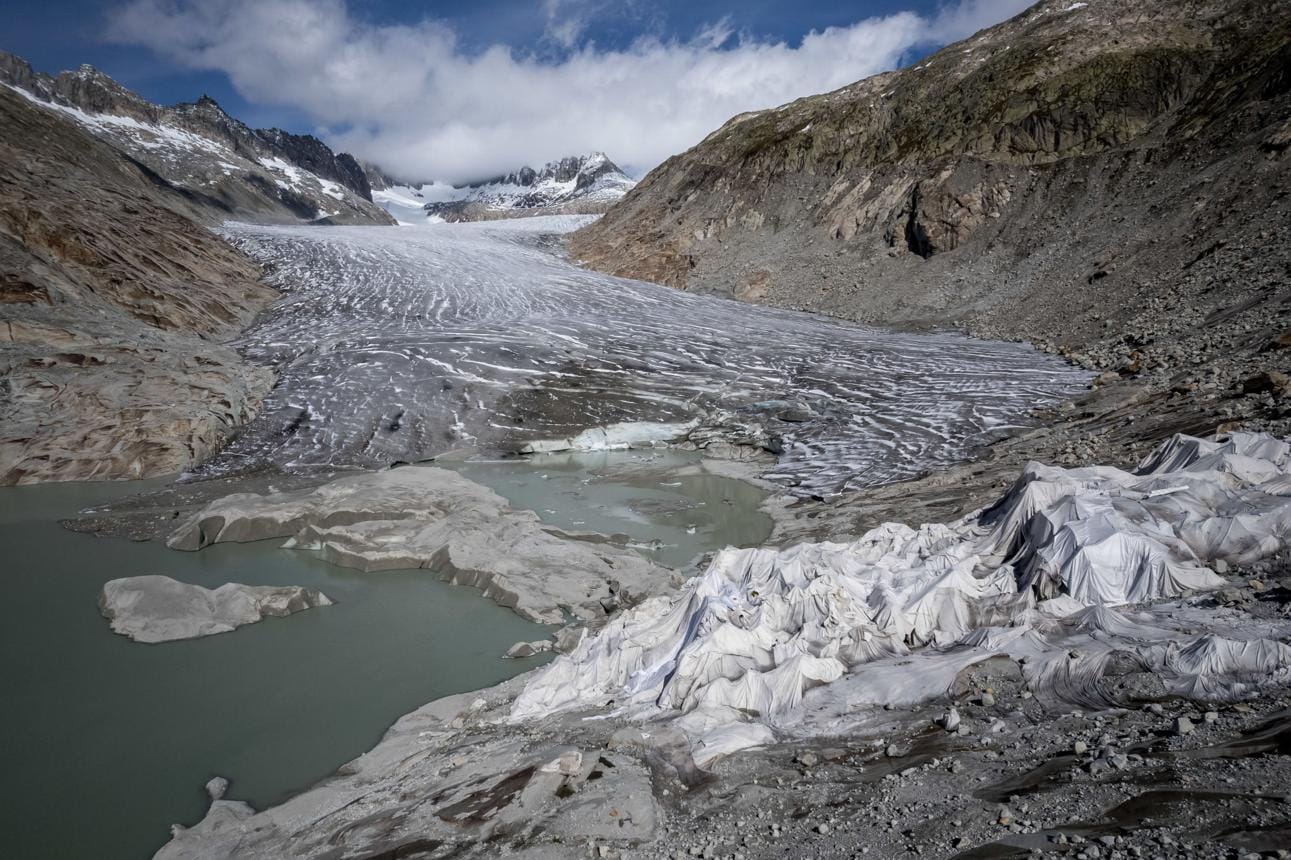
Switzerland continues to face persistent drought conditions even after recent rainfall, with water levels in many rivers and lakes remaining critically low across the Swiss Plateau.

According to hydrologist Manuela Brunner from the Institute for Snow and Avalanche Research (SLF), the recent precipitation has had only a limited impact. She described the rainfall as “a drop in the ocean,” highlighting the ongoing severity of the situation.

Water Levels Remain Below Average

Measurements show that water levels in several rivers and lakes on the Swiss Plateau have reached unusually low values, in some cases approaching record lows for this time of year.

Conditions in Alpine regions are slightly better compared to the lowlands, but even there, river flows remain below long-term seasonal averages.

Dry Spring and Low Snowpack Behind the Crisis

Experts point to the extremely dry months of April and May as the main reason for the ongoing drought. In addition, Switzerland experienced an unusually thin snowpack in the Alps during the winter season.

Normally, this period marks the peak of Switzerland’s flood season, when melting snow and heavy rainfall significantly increase river and lake levels. This year, however, the expected seasonal water surge has been significantly weakened.

In the Dischma Valley near Davos in eastern Switzerland, snow cover is reported to be roughly half of the long-term average, further contributing to reduced water runoff into rivers.

Environmental Concerns Growing

The continued low water levels raise concerns about agriculture, ecosystems, and water supply in affected regions. Experts warn that prolonged dry conditions could have wider impacts if the situation does not improve in the coming weeks.

Hydrologists continue to monitor the situation closely as Switzerland moves deeper into the summer season, when water demand typically increases.

Authorities and researchers stress that climate variability and changing precipitation patterns are increasingly influencing Switzerland’s water systems, making long-term monitoring and adaptation essential.

43 Lives Lost in Swiss Rivers and Lakes in 2025: Lifesaving Society Warns on Prevention

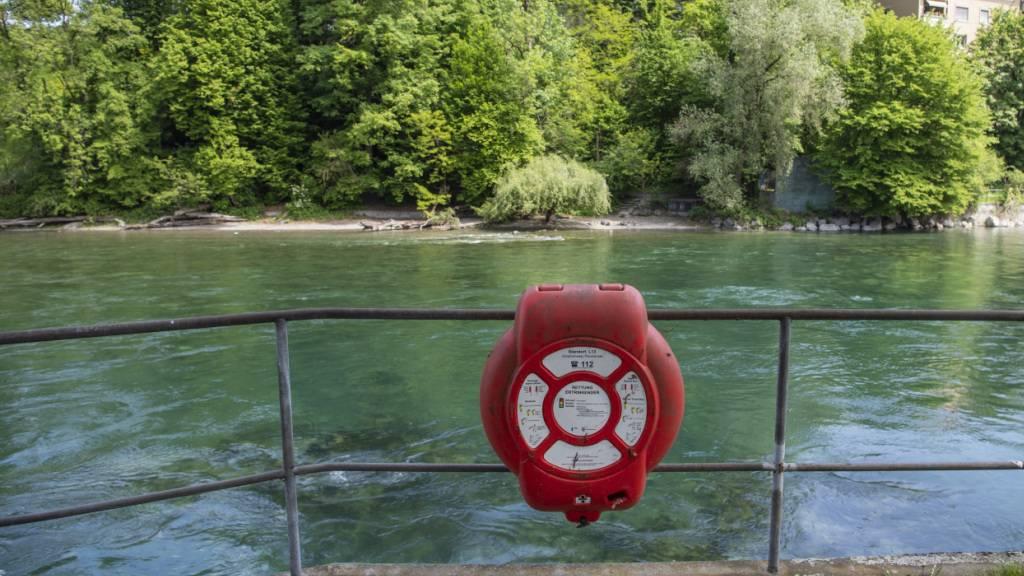
Switzerland recorded 43 drowning deaths in rivers and lakes in 2025, according to the Swiss Lifesaving Society (SSS). Almost all incidents occurred in open water, highlighting ongoing risks in natural swimming areas.

Overall Trend in Drowning Cases

The number of fatal drownings in 2025 marks a decline compared to previous years. There were 59 deaths in 2024 and 66 in 2022, which was recorded as a peak year. For the first time since 2021, fatalities dropped below 50.

Despite the improvement, experts emphasize that water safety remains a serious public concern.

Who Is Most Affected?

Data shows that men account for around 80% of all drowning victims. Two age groups are particularly affected:

  • Young adults (17–32 years): 10 deaths
  • Senior citizens (65+): 17 deaths

Older victims represent about 40% of total fatalities. The SSS explains this may be linked to increased water activity among seniors, combined with health issues and reduced physical capacity.

Children and Accidents

Fatal accidents involving young children remain rare. However, tragic cases still occur, including a two-year-old child who drowned in a private swimming pool and a 14-year-old boy found in a stream.

Where Do Most Incidents Occur?

Most drownings happened in natural waters:

  • Lakes: 23 cases
  • Rivers: 15 cases
  • Other incidents include diving accidents in Lake Thun and during a police operation in the Limmat River

Prevention Still a Major Concern

Although the overall numbers have decreased, the Swiss Lifesaving Society warns that prevention efforts must not be reduced. Authorities stress that vigilance is especially important for children near water.

Experts also highlight a growing concern: distractions such as mobile phone use by adults supervising children near pools or open water.

Conclusion

While Switzerland has seen a decline in drowning deaths, the SSS emphasizes that water safety awareness and prevention campaigns remain essential to avoid further tragedies in rivers, lakes, and swimming areas.