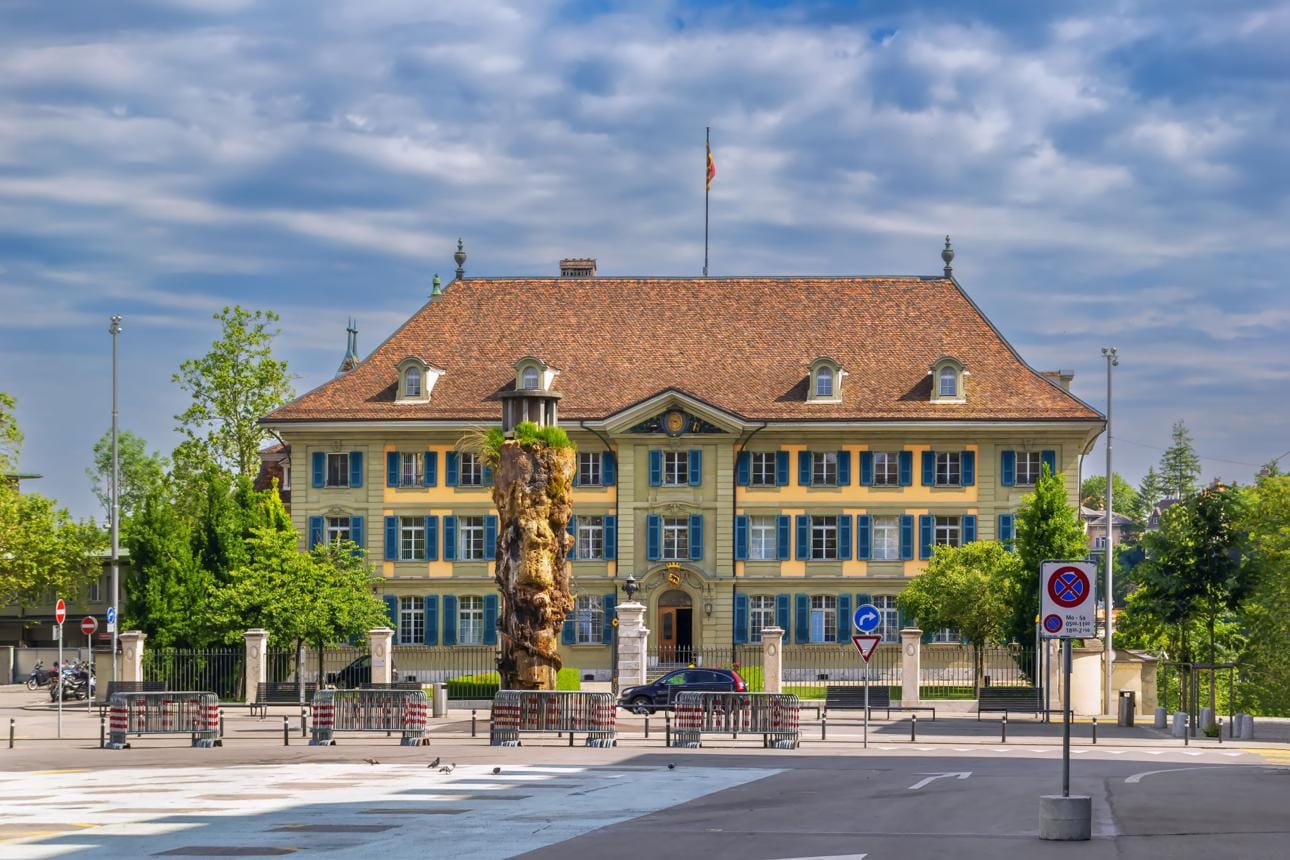
Swiss Police Support Major Europe-Wide Arms Smuggling Bust

Swiss authorities have played a key coordinating role in a major international operation that dismantled a Europe-wide arms-smuggling network operating across multiple countries in Europe.

The operation, carried out by French law enforcement with support from Europol and the Swiss Federal Office of Police (Fedpol), led to the arrest of ten suspects in southern France. Authorities also seized assets worth more than €1.2 million (CHF 1.1 million) during coordinated raids.

According to Europol, the joint investigation and enforcement action took place between June 8 and June 11 in several locations across southern France, including Fréjus, Cannes, and Nice. The Swiss Federal Office of Police confirmed its involvement in a coordinating role throughout the investigation.

The case originated in June 2025 when investigators discovered two counterfeit pistols inside a luxury vehicle travelling from Switzerland into France. This discovery triggered a wider probe that eventually uncovered a criminal network believed to be mainly composed of Turkish nationals.

During searches of seven properties linked to the suspects, authorities seized counterfeit firearms, luxury vehicles, jewellery, computers, and approximately €30,000 in cash. The findings highlight the scale and organization of the smuggling operation.

Swiss police emphasized that their role was primarily focused on coordination and intelligence support, working closely with European partners to ensure cross-border cooperation. The case demonstrates the importance of international collaboration in tackling organized crime networks operating across national borders.

Officials say such operations are becoming increasingly complex, requiring joint efforts between national police forces and European agencies like Europol to track illegal weapons trafficking and related financial activities.

The investigation remains ongoing as authorities continue to analyze evidence and identify additional links within the network.
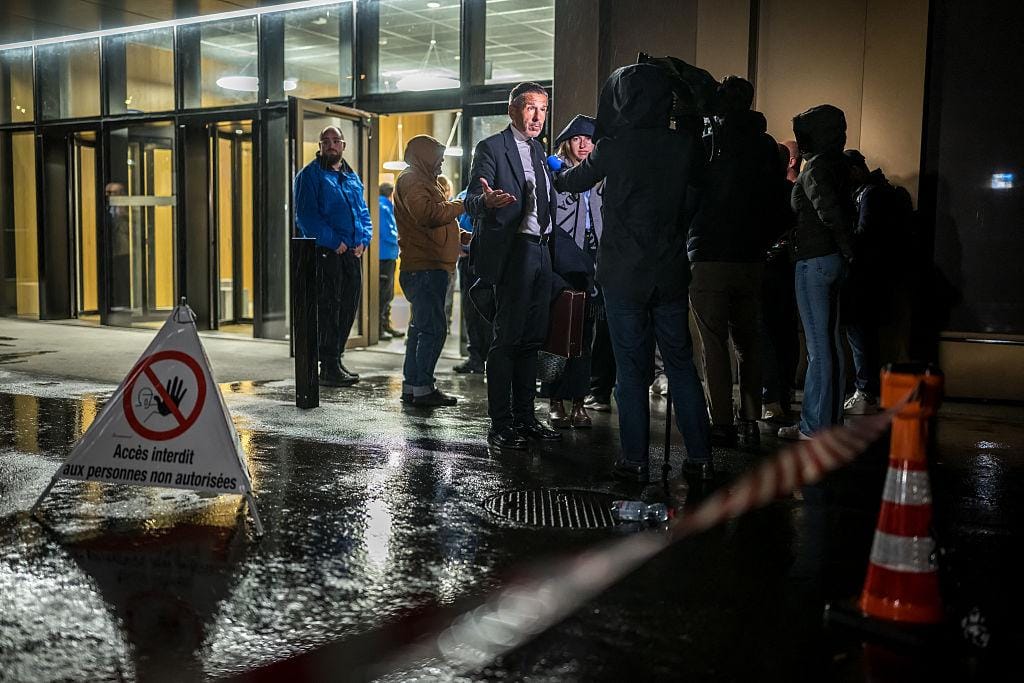

Lawyers Seek Harsher Charges in Crans-Montana Bar Fire Case

Legal pressure is mounting in Switzerland as two lawyers call for more severe charges in connection with the deadly fire that occurred at a bar in Crans-Montana on January 1.

The lawyers, representing different parties involved in the case, are urging prosecutors to upgrade the charges against the bar owners from negligent manslaughter to murder with eventual intent.

According to Swiss public broadcaster RTS, and confirmed by the Valais cantonal Public Prosecutor’s Office, attorney Sophie Haenni—who represents the waitress accused of starting the fire—and lawyer Ludovic Tirelli, acting for the victims’ families, have both formally written to the Public Prosecutor in recent days.

Their request follows recent statements made by bar owner Jessica Moretti during a hearing before the panel of prosecutors handling the investigation. These statements are linked to earlier WhatsApp exchanges from 2019 involving former employees, which have now become part of the ongoing legal scrutiny.

The case revolves around the deadly fire at the Constellation bar, which has already raised serious questions about responsibility, safety standards, and decision-making within the establishment.

Prosecutors are currently reviewing the request while continuing their investigation into the circumstances surrounding the incident and the chain of events that led to the tragedy.

If the charges are upgraded, the case could take a significantly different legal direction, potentially leading to more severe penalties for those found responsible.

The Crans-Montana fire case remains one of the most closely watched legal proceedings in the Valais region, as families of the victims continue to seek justice and clarity over what happened on that night.

Victim Counselling and Financial Support Increase in Switzerland

Switzerland has recorded a noticeable rise in victim support services, according to new data published by the Federal Statistical Office (FSO). In 2025, victim counselling sessions increased by 7% compared to the previous year, reflecting growing demand for psychological and legal assistance.

At the same time, financial support for victims also increased. Compensation and reparation payments rose by 10%, reaching a total of CHF 7.3 million (USD 9.15 million).

The report shows that victim support centres provided 55,260 counselling sessions in total. A significant majority of those seeking help were women, accounting for 72% of cases, while 17% of clients were minors at the time of counselling. Additionally, just over 40% of individuals were Swiss nationals, highlighting the international nature of support services in the country.

The most common issues reported in counselling sessions were related to bodily harm and assault. Around one-third of cases involved blackmail, coercion, or threats, while a further 28% were linked to sexual offences.

Authorities note that these figures highlight both the ongoing need for victim support services and the importance of accessible assistance structures across Switzerland. The data suggests that awareness of support systems is increasing, encouraging more victims to seek help.

Swiss victim support centres continue to play a crucial role in providing counselling, legal guidance, and financial assistance to individuals affected by crime, ensuring that victims receive structured help during recovery and legal processes.

Winterthur Stabbing Case: Swiss Probe Digital Evidence.

The Swiss Attorney General’s Office is currently unable to access the electronic devices of a 31-year-old Turkish-Swiss man accused of a knife attack that injured three people in Winterthur, as legal proceedings over data access continue.

Federal prosecutor Stefan Blättler confirmed that the suspect has objected to the search of his laptop and mobile phone. As a result, authorities have submitted an application to the coercive measures court requesting permission to unlock and examine the devices. A decision is still pending.

Blättler explained that investigators are currently unable to review critical digital evidence, including communication records and messages that could reveal the suspect’s contacts before the attack. He emphasized that such information is essential for understanding potential links to other individuals or networks.

According to the prosecutor, electronic devices have become one of the most important sources of evidence in modern criminal investigations. However, legal protections around data “sealing” can delay access. This procedure was originally designed to protect sensitive or unrelated personal data, such as privileged legal correspondence or private information not relevant to investigations.

Blättler noted that while sealing was appropriate in an earlier legal era dominated by paper documents, it has become increasingly challenging in the digital age. He warned that prolonged delays in accessing data could hinder investigations, particularly in urgent cases involving public safety risks.

The federal prosecutor suggested that reforms may be needed to balance privacy protections with investigative urgency. He indicated that authorities may need faster access to seized data in certain cases, while still protecting legally privileged or irrelevant information.

The suspect is currently in pre-trial detention. He is accused of carrying out a violent attack at Winterthur station on May 28, where three men were injured, one seriously. The day before the incident, he had reportedly been in a psychiatric facility.

Swiss authorities have opened a criminal investigation for attempted multiple murder and alleged involvement in or support of a terrorist organization. The case remains under active judicial review as investigators await access to key digital evidence.

Authorities Rule Out Terrorism in Bellinzona Knife Attack Case.

Swiss authorities have confirmed that no terrorist or jihadist motive was identified in a knife attack that took place in Bellinzona, despite earlier concerns raised in media reports.

In late January, a 37-year-old Swiss-Turkish woman entered a mobile phone shop in the Ticino town and threatened employees with a knife. Reports indicated that she allegedly shouted religious phrases during the incident, which initially raised suspicions of a possible extremist link.

However, the Office of the Attorney General of Switzerland (OAG) has now confirmed that investigations found no evidence of a terrorist background or ideological motive. The case is being treated as a criminal incident rather than an act of terrorism.

Authorities also stated that the suspect is currently receiving outpatient psychiatric treatment. Medical assessments indicated that she was not fit for questioning or trial at the time of the incident, leading to her involuntary admission to a psychiatric facility.

The legal proceedings remain ongoing, and officials have not released further details due to the sensitivity of the case.

The clarification highlights the importance of distinguishing between mental health-related incidents and ideologically motivated attacks during criminal investigations.

Zurich Riots Leave Officer Injured.

A violent disturbance erupted in the city of Zurich in Zurich over the weekend, leaving a police officer slightly injured after clashes with a large group of rioters.

According to police reports, officers were initially called to the scene following complaints of a noise disturbance in the early hours of Sunday morning. A patrol arrived shortly after 2:30 a.m., but was immediately met with aggression as a group of individuals began throwing bottles and stones at police vehicles.

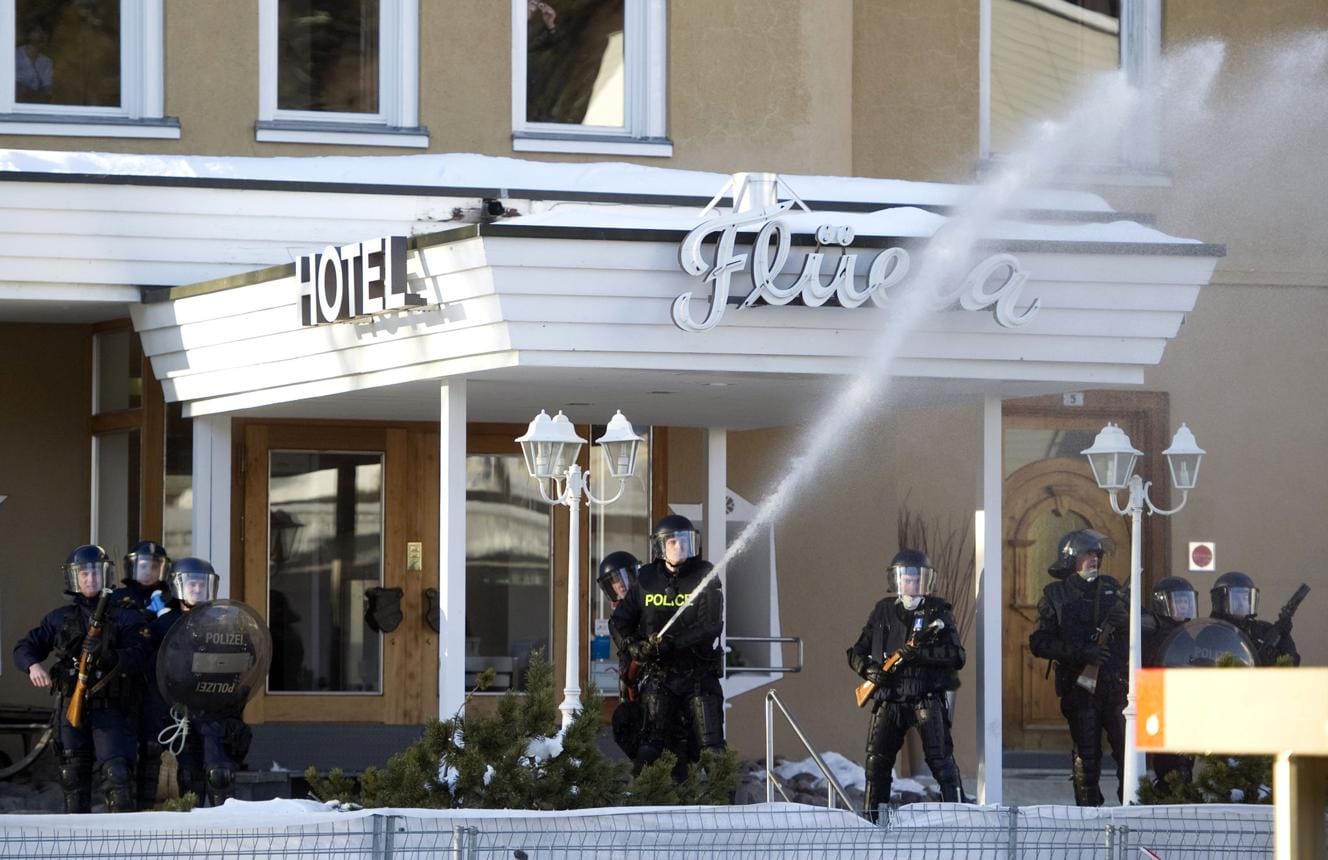
As the situation escalated, officers were forced to withdraw from the area and request reinforcements. Law enforcement then responded with crowd-control measures, including rubber bullets and chemical sprays, in an attempt to disperse the group.

Additional police units were deployed, including a water cannon and police dogs, to regain control of the situation and contain the unrest.

During the confrontation, one officer was struck by an object and sustained minor injuries. A police vehicle was also damaged in the incident before the crowd eventually dispersed.

Authorities have launched an investigation into the unrest and are working to identify those involved in the violence.

Man Caught With 50kg of Marijuana at Swiss-German Border Claims “Personal Use”

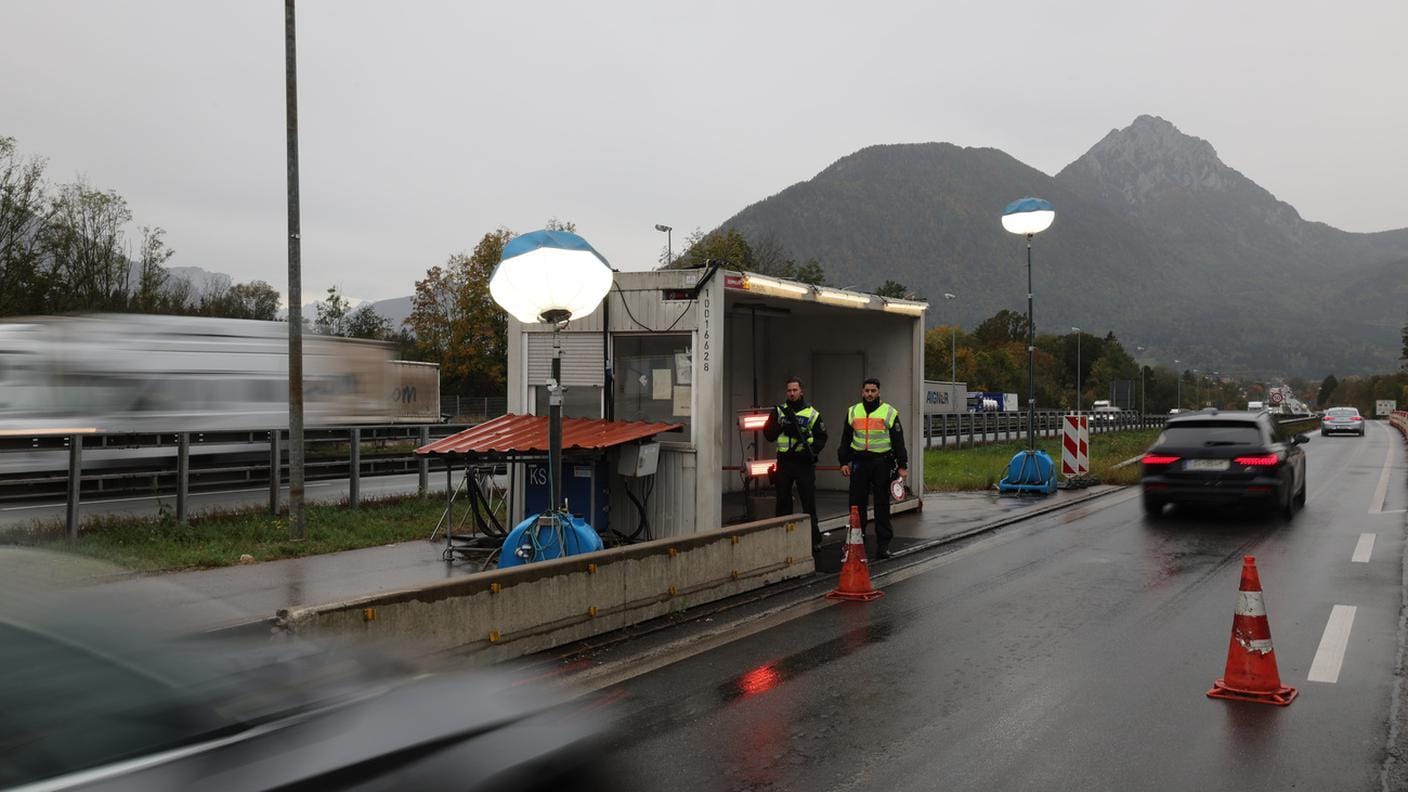
A 24-year-old Polish man has been arrested at the Switzerland–Germany border after German customs officers discovered 50 kilograms of marijuana hidden inside his vehicle.

The incident took place in Blumberg, near the border of the Swiss canton of Schaffhausen. Authorities from German customs in Singen reported that the suspect claimed the drugs were purchased in Switzerland for “personal use.”

However, officials quickly dismissed the claim, stating that the import, export, and transit of cannabis remain strictly prohibited under German law, even when claimed for personal consumption.

The seizure occurred at the end of April but was officially reported this week. Customs officers found the drugs carefully concealed in multiple locations inside a Mercedes vehicle registered in Germany.

According to investigators, the cannabis was packed into 47 separate bags and hidden in the boot, spare wheel compartment, and footwell area behind the rear seats.

German authorities confirmed that criminal proceedings are now underway against the suspect as they continue to investigate the origin and intended destination of the large drug shipment.

Officials highlighted that cross-border drug trafficking remains a serious concern in the region due to the proximity of Switzerland and Germany, where vehicle inspections and customs checks frequently uncover illegal transport attempts.

The case adds to a growing number of drug-related arrests along European border routes, where organized smuggling networks often exploit busy transit corridors.

Farmers Shocked After Hundreds of Kilograms of Asparagus Stolen in Switzerland

Switzerland has witnessed an unusual agricultural theft after hundreds of kilograms of asparagus ready for harvest were stolen from farmland in the canton of Fribourg.

The incident took place in the village of Delley, where the Ruegsegger family had cultivated asparagus crops on their fields and were preparing for harvest season.

Asparagus is considered a high-value food product in Switzerland due to its nutritional benefits and market demand. The vegetable is rich in vitamins, minerals, and antioxidants and is widely associated with digestive health, blood sugar control, and immune system support.

In Swiss markets, asparagus can sell for between CHF8.50 and CHF20 per kilogram, making it one of the more valuable seasonal agricultural products.

According to reports, unknown individuals harvested and stole around 300 kilograms of asparagus from two separate fields belonging to the family.

The farmers believe the theft was not carried out by opportunistic trespassers. Instead, they suspect experienced individuals with professional knowledge of asparagus harvesting carefully removed the crops using specialised methods.

The incident has left the Ruegsegger family shocked and financially affected, especially at a time when food prices continue to rise internationally due to ongoing geopolitical tensions and supply chain disruptions.

Local farmers say the theft highlights growing concerns over agricultural security and increasing pressure on food production costs across Europe.

Authorities are expected to investigate the incident as the farming community calls for stronger protection measures for valuable crops during harvest periods.

Swiss Court Convicts Businessman for Supplying Sensitive Goods to Russia

Switzerland’s Federal Criminal Court has sentenced a businessman to a suspended prison term after finding him guilty of illegally supplying sensitive materials to Russia in violation of Swiss export control laws.

The court handed the man a 16-month suspended prison sentence for multiple offences under the Swiss Goods Control Act, including attempted illegal exports linked to materials allegedly intended for a programme involving weapons of mass destruction.

According to prosecutors, the businessman worked for a company that distributes laboratory equipment, medical products, and pharmaceutical materials. Over a period of four years, he supplied and offered to supply goods to two individuals connected to the Russian trade mission in Bern.

Investigators stated that products worth around CHF75,000 were successfully exported to Russia, while additional offers totaling approximately CHF934,000 were proposed but never completed due to intervention by Swiss authorities in 2024.

The case highlights Switzerland’s strict regulations on dual-use goods and sensitive technologies that could potentially support military or prohibited weapons programmes.

Swiss authorities have intensified monitoring of exports linked to Russia in recent years, particularly following international sanctions and heightened geopolitical tensions.

The ruling underscores the country’s commitment to enforcing international non-proliferation rules and preventing the transfer of controlled materials that could threaten global security.

Bern Police Launch ‘Super-Recogniser’ Pilot Project to Identify Criminals.

Bern Cantonal Police is launching a pilot project that uses officers with exceptional face-recognition abilities, known as “super-recognisers,” to support criminal investigations.

The initiative follows internal testing within the police force, where around 30 officers were identified as having above-average facial recognition skills. According to a police spokesperson, roughly 10% of participants in the screening demonstrated these enhanced abilities.

Super-recognisers have the rare capacity to accurately remember and identify faces even after brief or indirect encounters. Authorities say this capability can significantly assist in locating violent offenders and improving public safety operations.

The project development was already underway when the Canton of Bern parliament approved a motion from the Centre Party in March calling for the use of super-recognisers to strengthen policing capabilities.

Officials noted that recent public order challenges, including escalated demonstrations in the canton last October, contributed to political support for the initiative.

The Bern Cantonal Police confirmed that detailed planning for the pilot is now complete and implementation is scheduled for the summer. Officers selected for the program will be deployed to support investigations where facial identification is critical.

The pilot reflects a broader trend in European policing strategies that combine human cognitive skills with modern investigative methods to improve identification accuracy and response times.

Authorities will evaluate the effectiveness of the program after its initial rollout before deciding whether to expand it across the canton.