Geneva Approves Religious Symbol Ban for Lawmakers

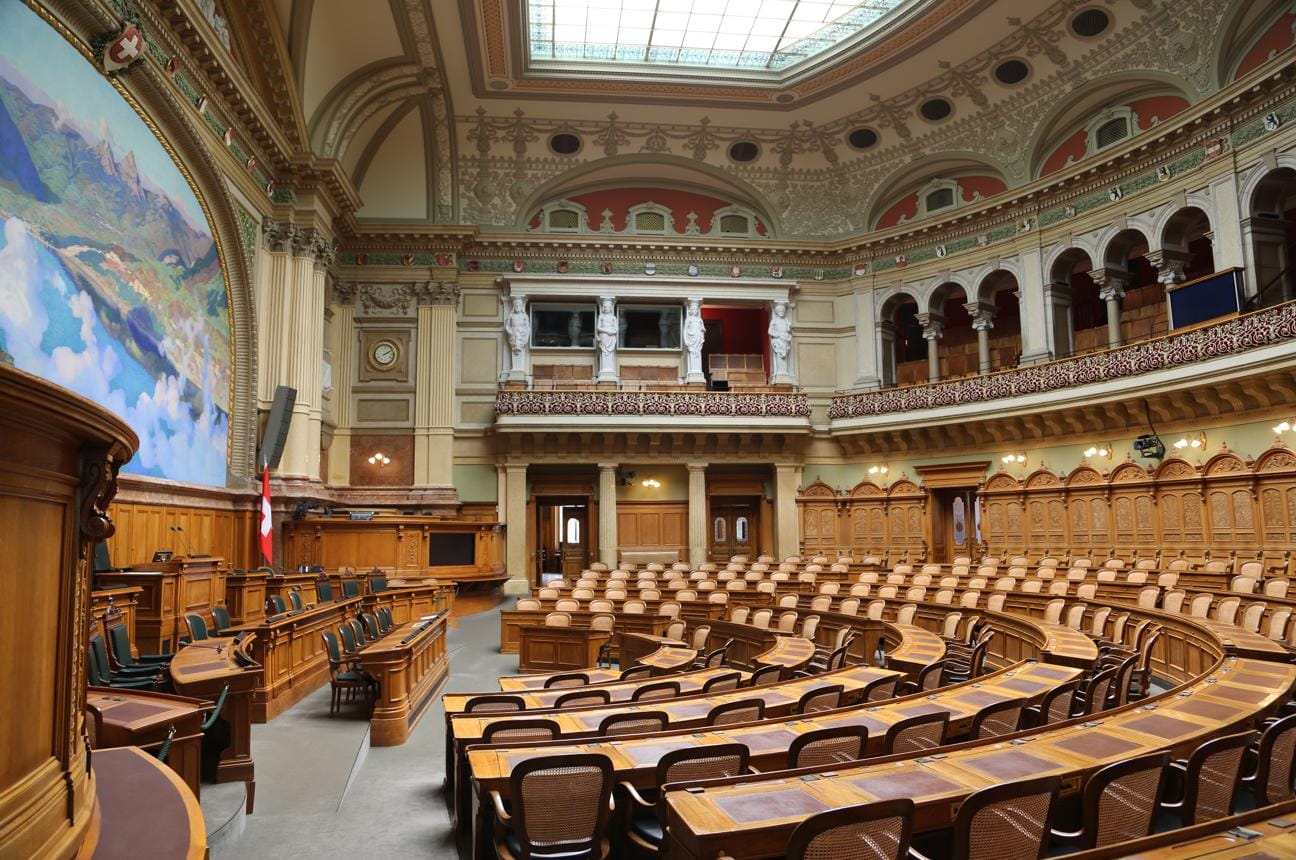
oters in Geneva have approved a constitutional amendment that prohibits cantonal and municipal lawmakers from wearing visible religious symbols during parliamentary sessions. The proposal passed with 51.37% support, while voter turnout reached 51.47%.

Supporters of the measure argued that elected representatives should uphold political neutrality and strengthen the principle of secularism within public institutions. Right-leaning political parties, including the Swiss People’s Party, Radical-Liberals, and the Centre Party, backed the proposal and promoted it as a way to reinforce the separation of religion and politics.

However, the decision has generated significant controversy across Switzerland. Left-wing parties and civil rights groups criticized the ban, claiming it restricts individual freedoms and limits political representation. Opponents argue that lawmakers represent the diversity of society and should not be prevented from expressing their religious identity.

The new rule applies to all visible religious symbols, including headscarves, kippahs, crosses, and other faith-related items. While supporters insist the law treats all religions equally, critics believe it could disproportionately affect Muslim women and other religious minorities.

Legal challenges have already been filed against the amendment. Several organizations argue that the ban conflicts with fundamental constitutional rights and may face further judicial review in the coming months.

The debate highlights Switzerland’s ongoing discussion about secularism, religious freedom, and political representation. The final impact of the new constitutional provision will depend on future court decisions and its implementation within Geneva’s political institutions.

Swiss Asset Management Industry Becomes Third Largest in Europe

Switzerland’s asset management industry has reached a new record high in 2025, strengthening its position as the third largest in Europe after the United Kingdom and France.

According to the Asset Management Association Switzerland (AMAS), total assets under administration rose by 8% year-on-year to CHF3.73 trillion (around $4.67 trillion). The growth highlights the continued strength and international relevance of Switzerland’s financial sector.

AMAS director Adrian Schatzmann stated that the industry remains resilient and strategically important for the Swiss financial centre. He emphasized that Switzerland continues to play a key role in global investment flows despite increasing international competition.

A recent study conducted with consulting firm Zeb identifies several key drivers behind the sector’s growth. These include the expansion of private markets, financial innovation, and improved access to international investors.

One notable trend is the increasing role of foreign clients in Switzerland’s asset management industry. According to the report, approximately one-third of all assets under management in the country originate from international investors, underlining Switzerland’s strong global appeal.

Experts suggest that continued innovation and diversification will be essential for maintaining competitiveness in the evolving European financial landscape. The rise of private markets and cross-border investment opportunities is expected to further strengthen Switzerland’s position in the coming years.

With steady growth and strong international participation, Switzerland’s asset management sector continues to solidify its reputation as a leading global financial hub.

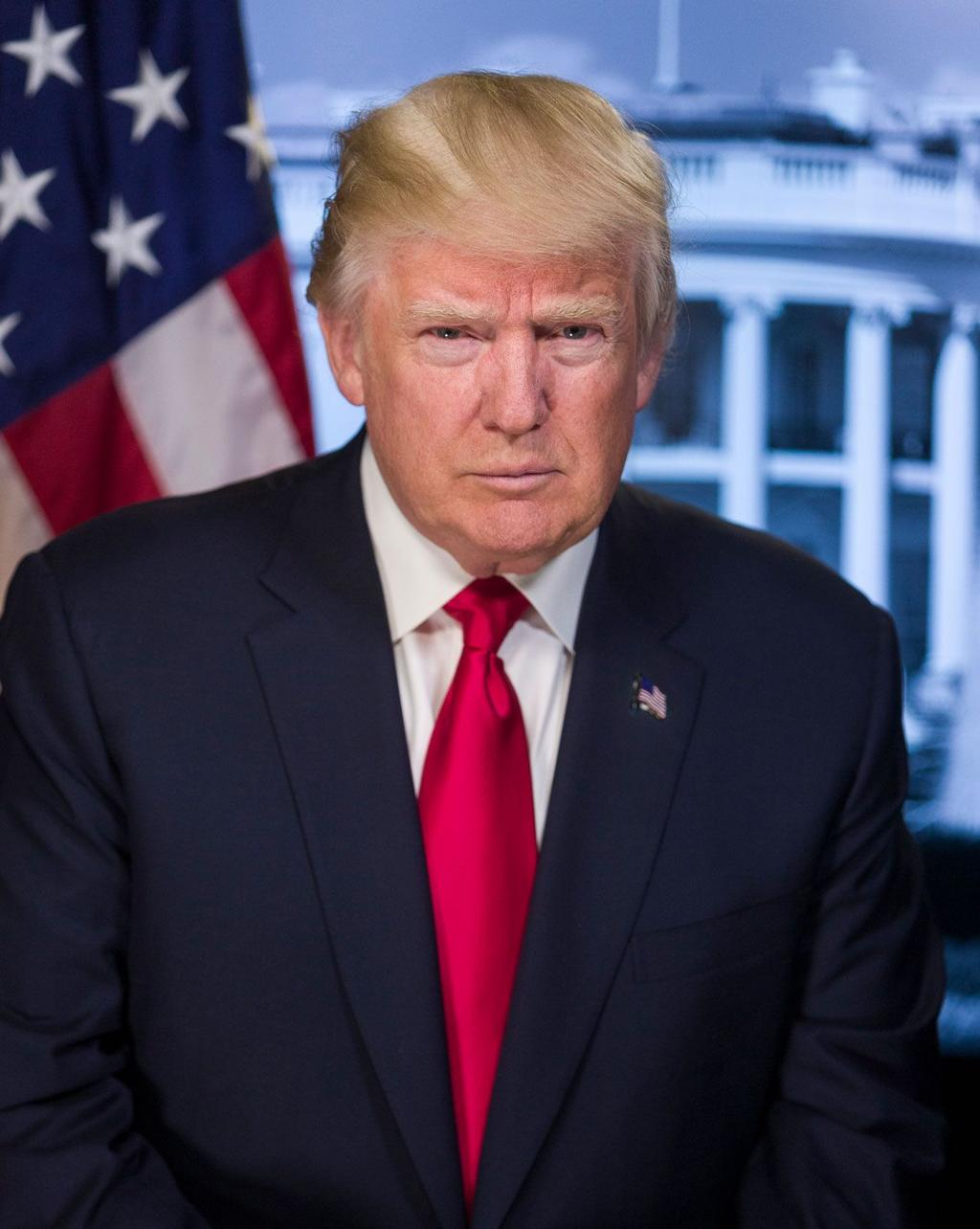
Swiss Public Opinion Turns More Negative Toward Donald Trump.

Public opinion in Switzerland toward US President Donald Trump has become increasingly negative, according to a new survey. The findings indicate a clear shift in how Swiss citizens perceive both Trump and the United States.

The survey, conducted in May by the European Council on Foreign Relations (ECFR) in cooperation with Switzerland’s Federal Department of Foreign Affairs (FDFA), shows that 41% of respondents now view Donald Trump as either an “enemy” (26%) or a “rival” (15%).

While 45% of the population still consider the United States an ally or partner, this figure has declined from 53% just six months earlier, indicating a noticeable drop in confidence in US relations.

Among the twelve European countries included in the study, Switzerland recorded the highest level of hostility toward Trump, reflecting growing concerns about US political direction and global influence.

Respondents cited several reasons for this shift in opinion, including Trump’s tariff policies and his repeated criticism of the current international order. These factors have contributed to a more skeptical view of US leadership in global affairs.

The survey also highlights declining trust in the United States as a security partner. Around three-quarters of respondents do not believe the US would provide military assistance to Switzerland in the event of an attack. In contrast, two-thirds believe European Union countries would step in to support Switzerland if necessary.

Public attitudes toward US defense equipment have also changed significantly. About 73% of respondents oppose Switzerland purchasing American weapons, while only 15% support such acquisitions.

Despite this skepticism, the survey shows strong support for increasing cooperation with European defense industries. A majority of respondents believe that Switzerland will increasingly rely on European military equipment in the future.

Overall, the findings reflect a broader shift in Swiss public sentiment, with growing caution toward US foreign policy and increasing alignment with European security perspectives.

US Proposes New Tariffs on Swiss Goods Over Forced Labour Concerns

The United States has announced plans to impose new tariffs of 12.5% on Swiss imports linked to allegations of goods produced using forced labour, escalating trade tensions between the two countries.

The move is part of a broader trade policy initiative under the US administration, which targets around 60 trading partners, including Switzerland. The US argues that affected countries have not done enough to prevent imports of products linked to forced labour practices.

According to a report from the US Trade Representative, Switzerland is among 54 economies that allegedly lack a clear legal ban on such imports. As a result, Washington is considering additional tariffs on 45 of these countries, including Switzerland.

However, certain products such as semiconductors, coffee, beef, and fruit would be excluded from the proposed tariff measures.

Other countries facing similar or lower tariff proposals include the European Union, Canada, the United Kingdom, Mexico, Indonesia, Pakistan, and several Asian and Latin American nations.

The proposal is still under review, but it signals increased pressure on Switzerland’s export-driven economy, particularly in sectors linked to global supply chains.

Swiss authorities have not yet issued an official response, but the issue is expected to be discussed further in upcoming trade negotiations.

Switzerland Opens Ukraine Reconstruction to Private Companies.

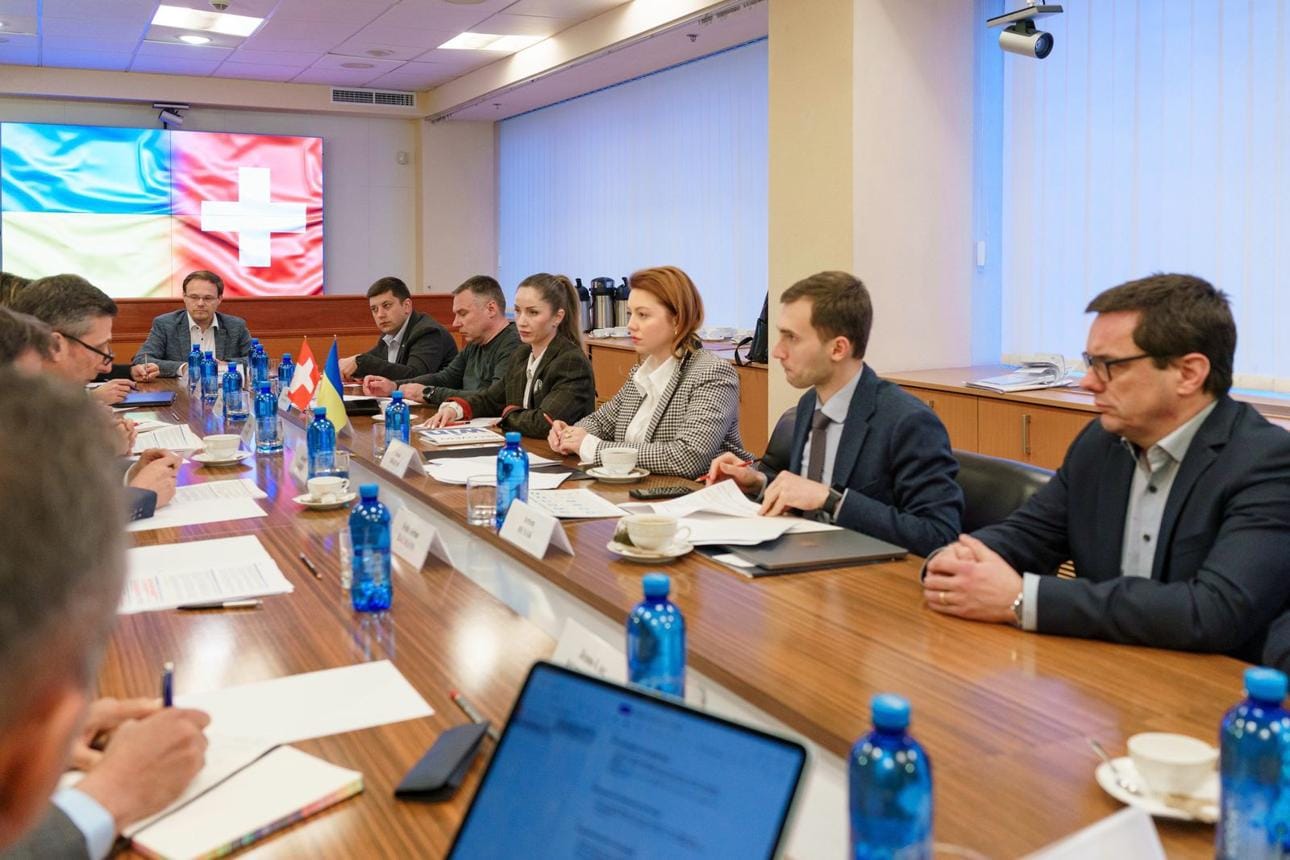
Switzerland has approved a new bilateral agreement that will allow private companies to participate in the reconstruction of Ukraine, marking a significant shift in its development cooperation approach.

Both chambers of the Swiss Parliament supported the agreement, which was originally signed in July 2025. The decision enables Swiss companies— including those not currently operating in Ukraine— to take part in rebuilding infrastructure in the war-affected country.

Under the new system, reconstruction projects will be managed through official tenders organised by Swiss authorities, based on requests from Ukrainian institutions. This ensures that projects are coordinated transparently while expanding opportunities for Swiss businesses in international development work.

The government noted that this form of “tied aid,” which links development assistance with domestic economic participation, required a legal basis because it does not fully align with existing Swiss development cooperation law.

Authorities also highlighted that financial risks, including corruption concerns, are reduced because funds will not be transferred directly to Ukrainian state bodies. Instead, payments will go directly to Swiss companies delivering approved projects.

The initiative reflects Switzerland’s broader effort to combine humanitarian support with economic engagement while contributing to Ukraine’s long-term reconstruction and stability.

Swiss Parliament Approves Funding for EU Research Programmes.

Switzerland has taken another important step in strengthening its position in international research and innovation. The Swiss Parliament approved CHF58.3 million in funding for European Union research programmes as part of a supplementary 2026 budget package worth nearly CHF90 million.

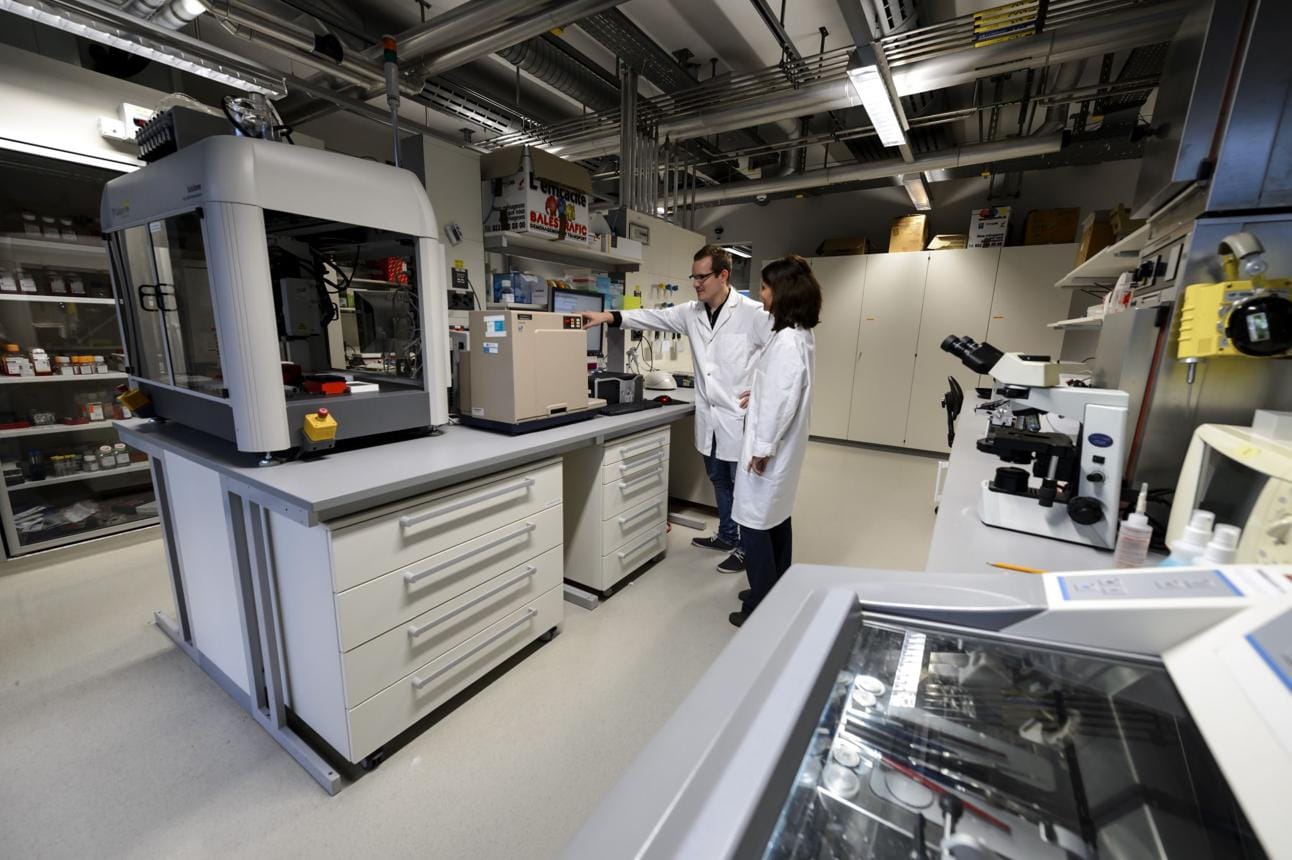
The funding will support Switzerland’s participation in major European research initiatives, including Horizon Europe and Euratom. Lawmakers emphasized that maintaining access to these programmes is crucial for Swiss universities, researchers, scientists, and technology companies that rely on international collaboration and advanced research networks.

Parliament reduced the government’s original request of CHF67.3 million by removing a reserve fund that was no longer necessary. Despite the reduction, the approved funding ensures Switzerland can continue contributing to and benefiting from some of the world’s largest research and innovation projects.

Supporters of the measure argued that Switzerland must remain connected to global scientific developments and avoid another period of exclusion from key European research platforms. They stressed that research cooperation plays a vital role in driving innovation, economic growth, technological advancement, and international competitiveness.

The budget supplement also includes additional funding for the European Space Agency, Swiss rail cargo services, and transportation infrastructure projects. The decision highlights Switzerland’s continued commitment to science, technology, and international research partnerships.

EU Antibiotic Security at Risk, Warns Sandoz.

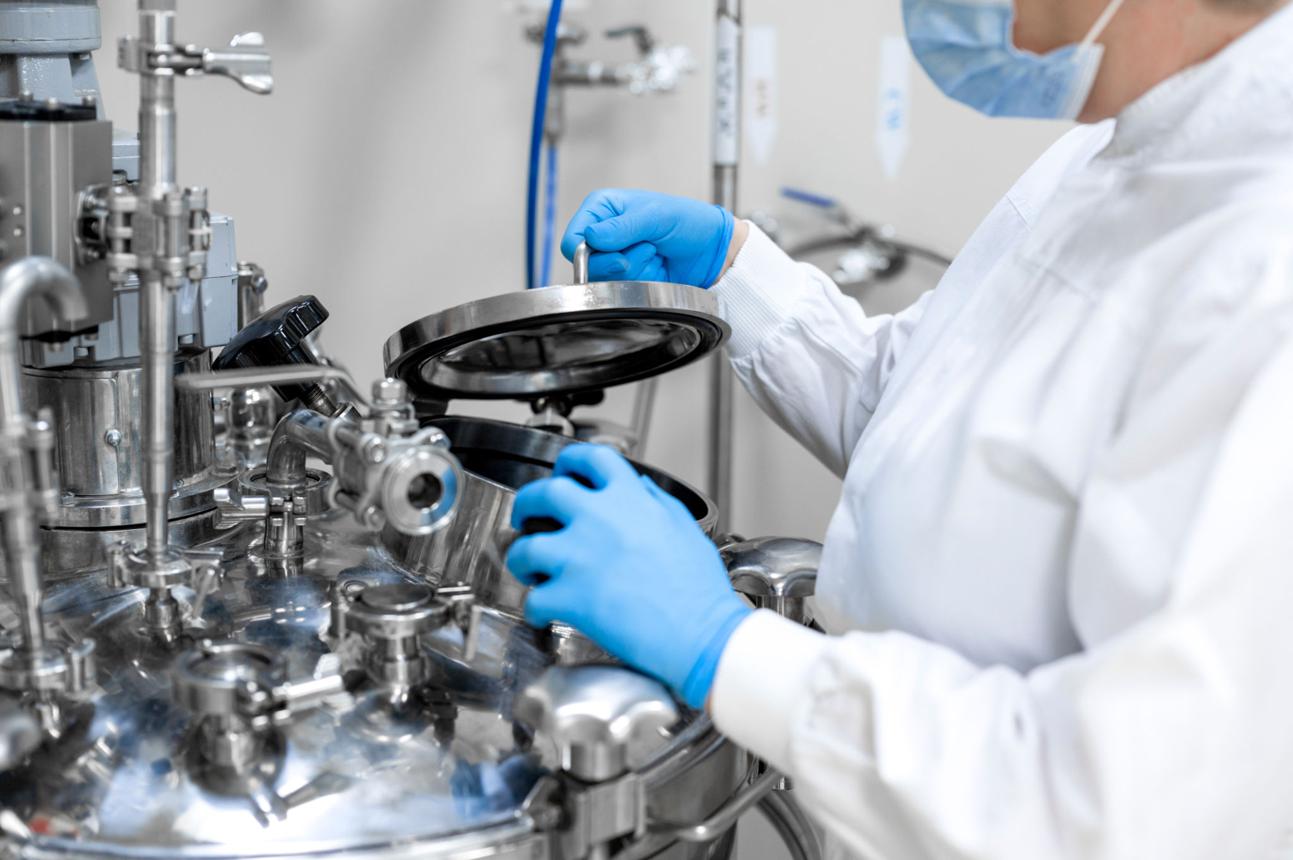
Swiss-based pharmaceutical company Sandoz has raised serious concerns over the growing import of low-cost antibiotics from China, warning that it could threaten Europe’s healthcare security and industrial stability.

Complaint Filed to European Commission

Sandoz has submitted a draft complaint to the European Commission targeting imports of penicillin-based antibiotics, particularly the active ingredient used in amoxicillin. The company argues that heavily subsidized Chinese production is distorting global competition.

Concerns Over Market Dependency

According to Sandoz CEO Richard Saynor, up to 90% of global antibiotic active substances are now produced outside Europe, mainly in China. He warned that this creates a critical strategic vulnerability for public health systems and crisis preparedness across Europe.

Pricing and Industry Pressure

Sandoz claims that antibiotics are being systematically undervalued in global markets, with pricing structures failing to reflect their importance in healthcare systems. The company argues that this focus on low-cost supply is weakening long-term production sustainability.

Risk to European Production Capacity

The company is actively trying to maintain Europe’s last remaining major antibiotic production facility in Kundl, Austria, which marks its 80th anniversary this year. Industry leaders warn that without stronger protections, Europe risks losing domestic production capability entirely.

Policy Response in Europe

Some progress has been made through initiatives such as the “Alpbach Communiqué,” which proposes that at least 30% of essential medicine supplies should come from European producers.

The EU’s proposed Critical Medicines Act is also seen as a step forward, although implementation details remain uncertain.

Global Comparison and Policy Debate

Sandoz has pointed to India’s policy model, where minimum import pricing is used to protect domestic pharmaceutical production. The company argues that Europe may need similar measures to secure long-term supply stability.

Conclusion

The dispute highlights growing global tensions over pharmaceutical supply chains, pricing fairness, and strategic independence in essential medicines, particularly antibiotics.

Do Language Tests in Europe Aid Integration or Politics?

Across Europe, governments are increasingly tightening citizenship and residency requirements by introducing or strengthening language and civic knowledge tests. These measures are officially presented as tools to support integration, but they are also generating debate about their real political purpose.

In countries across the continent, applicants for citizenship are often required to demonstrate proficiency in the national language and show understanding of local laws, history, and cultural norms. Policymakers argue that these requirements help newcomers integrate more effectively into society and improve long-term social cohesion.

However, critics question whether these policies are primarily about integration or political positioning. They argue that stricter testing frameworks may be designed to appeal to domestic voters concerned about immigration, rather than to meaningfully improve integration outcomes.

Supporters of the policies claim that language competence is essential for employment, education, and civic participation. They also argue that shared linguistic and civic understanding strengthens national unity and reduces social fragmentation.

Opponents, however, point out that integration is a complex, long-term process that cannot be fully measured through standardized tests. They warn that overly strict requirements may exclude qualified applicants and create additional barriers for migrants seeking legal status.

The debate reflects a broader tension in European migration policy, where governments must balance public opinion, labor market needs, and social integration goals.

As immigration continues to shape political discourse across Europe, language and knowledge tests remain at the center of a larger question: are they genuinely integration tools, or increasingly instruments of domestic political messaging?

Switzerland Ranks Near Bottom in Europe for Tobacco Control.

Switzerland ranks among the worst-performing countries in Europe for tobacco control, according to a new report published by the Swiss Association for Tobacco Prevention (AT).

The index places Switzerland second from last out of 37 European countries assessed, highlighting significant gaps in smoking prevention policies compared to other nations.

Only Bosnia and Herzegovina scored lower in the ranking. Meanwhile, Ireland, the United Kingdom, and the Netherlands topped the list as the strongest performers in tobacco control measures.

The report groups Switzerland with several Eastern European countries, as well as Italy and the Balkans, reflecting its relatively weak regulatory framework on smoking compared to its Western European peers.

Among neighbouring countries, France ranked highly at 4th place, while Austria placed 22nd and Germany 25th, both significantly ahead of Switzerland’s 36th position.

The findings suggest that Switzerland continues to lag behind in implementing strict tobacco regulations, including measures related to smoking bans, advertising restrictions, and prevention policies.

Health experts argue that stronger public health strategies are needed to reduce smoking rates and improve long-term health outcomes across the country.

AI Data Centres May Strain Switzerland’s Water Supply

The rapid expansion of artificial intelligence infrastructure is raising concerns about water and energy consumption in Switzerland. Experts warn that the growing number of AI-powered data centres could place increasing pressure on the country’s natural resources, especially water supplies used for cooling systems.

Switzerland currently hosts around 120 data centres, with approximately 20 additional facilities under construction. This gives the country one of the highest concentrations of data centres per capita in the world. The rise of artificial intelligence technologies is accelerating this growth as companies invest heavily in advanced computing infrastructure.

AI servers require significantly more processing power than traditional systems. As a result, they generate higher levels of heat and require intensive cooling methods to maintain safe operating temperatures. Many of these cooling systems depend heavily on water.

According to David Atienza Alonso, a professor at EPFL and an expert in AI computing systems, increasing AI adoption will continue driving demand for larger and more powerful data centres.

He explained that countries are also expanding domestic data infrastructure due to geopolitical tensions and concerns about digital sovereignty. Governments and companies increasingly want sensitive data to remain within national borders, leading to greater investment in local storage and computing facilities.

While Switzerland is often called the “water tower of Europe” because of its lakes, rivers, and glaciers, experts warn that resource availability should not be taken for granted. If AI infrastructure growth continues without long-term planning, some regions could eventually face challenges in supplying enough electricity and water.

Global estimates from the International Energy Agency suggest that data centres currently consume around 560 billion litres of water annually worldwide. This figure could rise to 1.2 trillion litres by 2030 as AI usage expands rapidly across industries.

Most of this water is used for cooling servers and generating electricity required to power data centre operations. Environmental experts say the issue remains largely invisible to the public despite its growing importance in the digital economy.

Researchers and policymakers are now calling for sustainable infrastructure planning, improved cooling technologies, and better resource management to ensure that Switzerland can support technological growth without placing excessive strain on natural resources.