

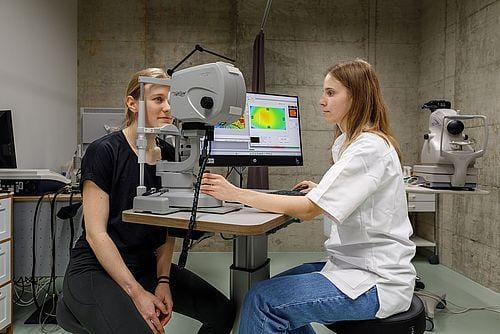
Swiss Scientists Discover New Target for Treating Blindness.

Researchers led by the University of Fribourg in Switzerland have identified a promising new biological target that could lead to improved treatments for age-related macular degeneration (AMD), one of the leading causes of blindness worldwide.

The study focuses on restoring the eye’s natural cellular recycling system, which plays a critical role in maintaining retinal health. Scientists believe that failure in this system is a key driver of vision loss as people age.

AMD primarily damages photoreceptors and retinal pigment epithelial cells, which are essential for clear central vision. When these cells deteriorate, patients gradually lose the ability to see fine details, significantly affecting daily life.

The Swiss research team, led by experts in cellular biology, investigated a process known as chaperone-mediated autophagy (CMA). This system normally helps cells remove damaged proteins and maintain internal balance, but it becomes less effective with age.

According to the findings, CMA activity is crucial for retinal health, and its breakdown may directly contribute to the development of AMD. By identifying this mechanism, researchers have uncovered a potential “control point” for future therapies.

The study also explored an experimental molecule known as CA77.1, which was designed to reactivate the cell’s waste-clearing system. In laboratory models, activation of this pathway reduced inflammation and slowed cellular degeneration linked to vision loss.

Tests on cells derived from AMD patients showed improved cellular stability when the recycling mechanism was strengthened. Scientists say this suggests a new direction in treatment strategies that focus on restoring natural cell function rather than only managing symptoms.

Age-related macular degeneration affects millions globally, with risk increasing significantly after the age of 50. In older populations, the disease becomes a major cause of irreversible central vision loss, creating an urgent need for innovative therapies.

Researchers believe that targeting cellular aging mechanisms could open the door to future treatments that preserve or even restore vision. While the findings are still in early stages, they represent a significant step forward in ophthalmology research.

Switzerland continues to strengthen its position as a leading hub for medical and life sciences innovation, with this study offering new hope for addressing age-related blindness in the future.
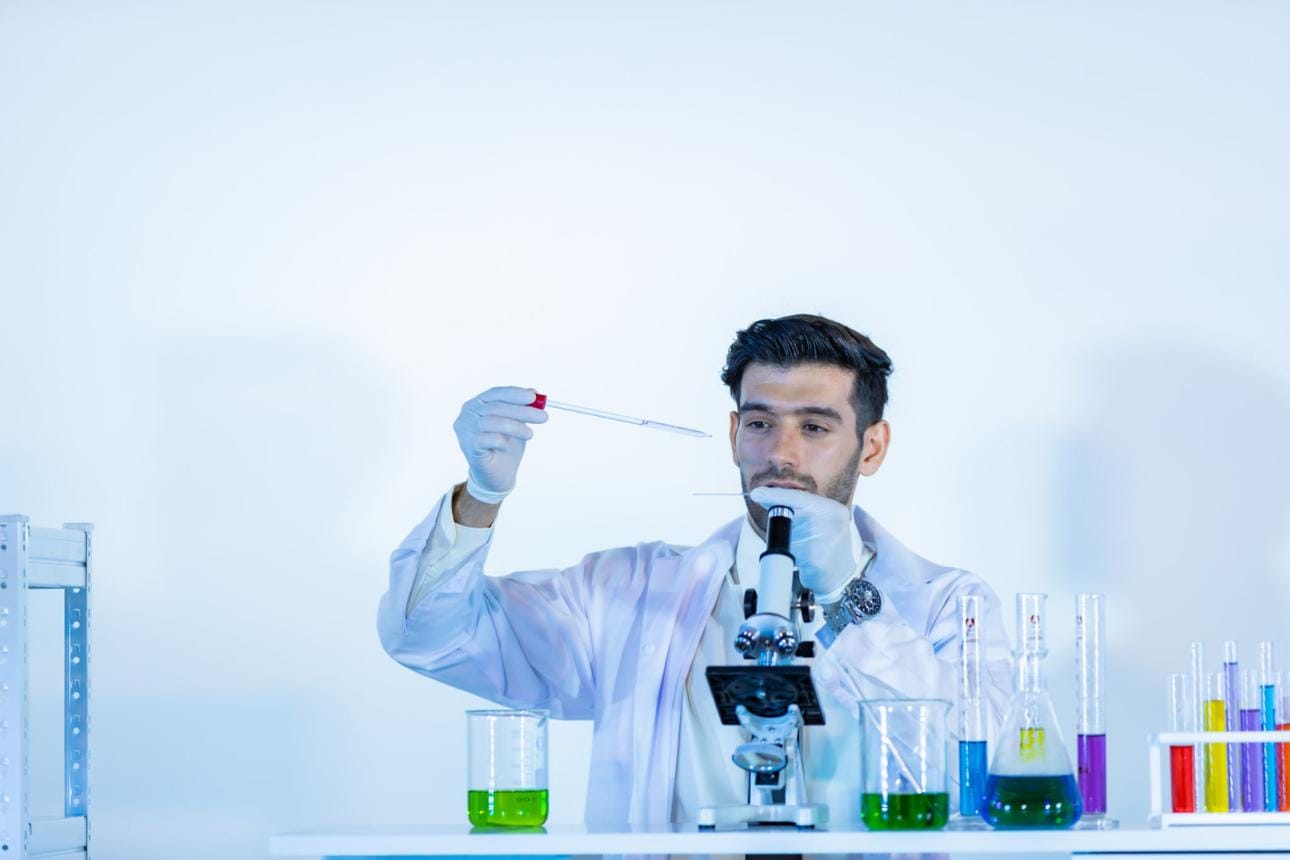
AI-Designed Vaccine Successfully Tested in Human Trial.

Scientists at the University of Cambridge have successfully completed early human trials of a new artificial intelligence-designed vaccine called pEVAC-PS, marking a major breakthrough in medical technology and infectious disease prevention.

The vaccine was developed using advanced AI systems that analyzed global genomic data to identify shared characteristics across multiple viruses. This approach allowed researchers to design a broad-spectrum antigen capable of targeting a wide range of coronavirus-related strains.

Unlike traditional vaccines, pEVAC-PS was administered using a microfluid jet-like delivery device that injects the vaccine into the skin without a conventional needle. Researchers say this method could improve precision and patient comfort in future immunizations.

The clinical trial involved 39 healthy volunteers aged between 18 and 50. Participants were recruited from medical research centers in Southampton and Cambridge, where they received different dosage levels ranging from 0.2 mg to 1.2 mg.

The results showed that the vaccine was well tolerated, with no significant adverse side effects reported during the initial trial phase. Scientists confirmed that the study demonstrated both safety and early immune response potential.

The AI system behind the vaccine was trained to identify a common antigen structure shared among Sarbeco coronavirus family members, including SARS-CoV-2, SARS, and other related bat-origin coronaviruses. This could allow the vaccine to provide broader protection against future emerging variants.

Researchers believe this approach could revolutionize vaccine development by enabling faster design of treatments for viruses such as influenza, Ebola, and other high-risk pathogens.

Experts involved in the study say AI-driven vaccine design may significantly shorten development time and improve global preparedness for future pandemics.

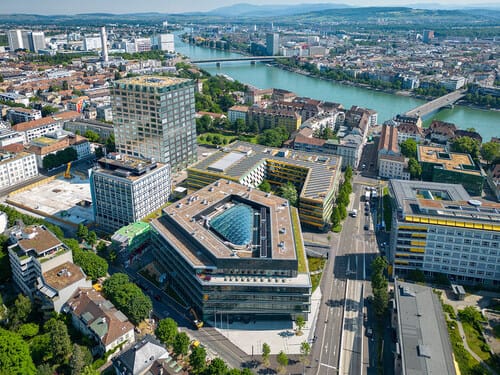
Basel Life Sciences Hub Partners with Korean Biopharmas

The Basel Area is strengthening its global position as a leading biotech hub through a new partnership with major South Korean biopharma organizations. Basel Area Business & Innovation announced a strategic collaboration aimed at helping Korean biotech companies expand into international markets.

The initiative brings together key partners including Roche Korea, Korea Health Industry Development Institute, and Korea Technology Finance Corporation. The collaboration focuses on accelerating growth opportunities for high-potential biopharma companies, particularly targeting expansion into the United States and other global markets.

Officials described the partnership as a new model of international ecosystem building. It combines market access, industry expertise, and funding support to create faster pathways for innovation-driven companies. The program will officially launch in May 2026 as a joint open innovation initiative.

Each partner will play a distinct role in the program. Roche Korea will lead company selection and explore opportunities for mentorship and collaboration. KHIDI will identify promising companies and support program operations, while KIBO will evaluate participants and facilitate access to financing. Meanwhile, Basel Area Business & Innovation will connect selected firms with infrastructure and networks within the region.

The collaboration will also provide access to the Switzerland Innovation Park Basel Area, one of Europe’s most concentrated life sciences ecosystems. This infrastructure offers startups and scaleups the resources needed to grow rapidly in a competitive global environment.

Industry leaders emphasized that innovation is increasingly global, and partnerships like this help bridge regions. By linking Korean biotech innovators with Basel’s established ecosystem, the initiative aims to accelerate breakthroughs and strengthen international cooperation.

The program is expected to evolve into a flagship initiative, deepening ties between South Korea and global biotech markets while positioning Basel as a gateway for life sciences innovation.