Switzerland’s 10 Million Population Vote: Impact on Tamils?

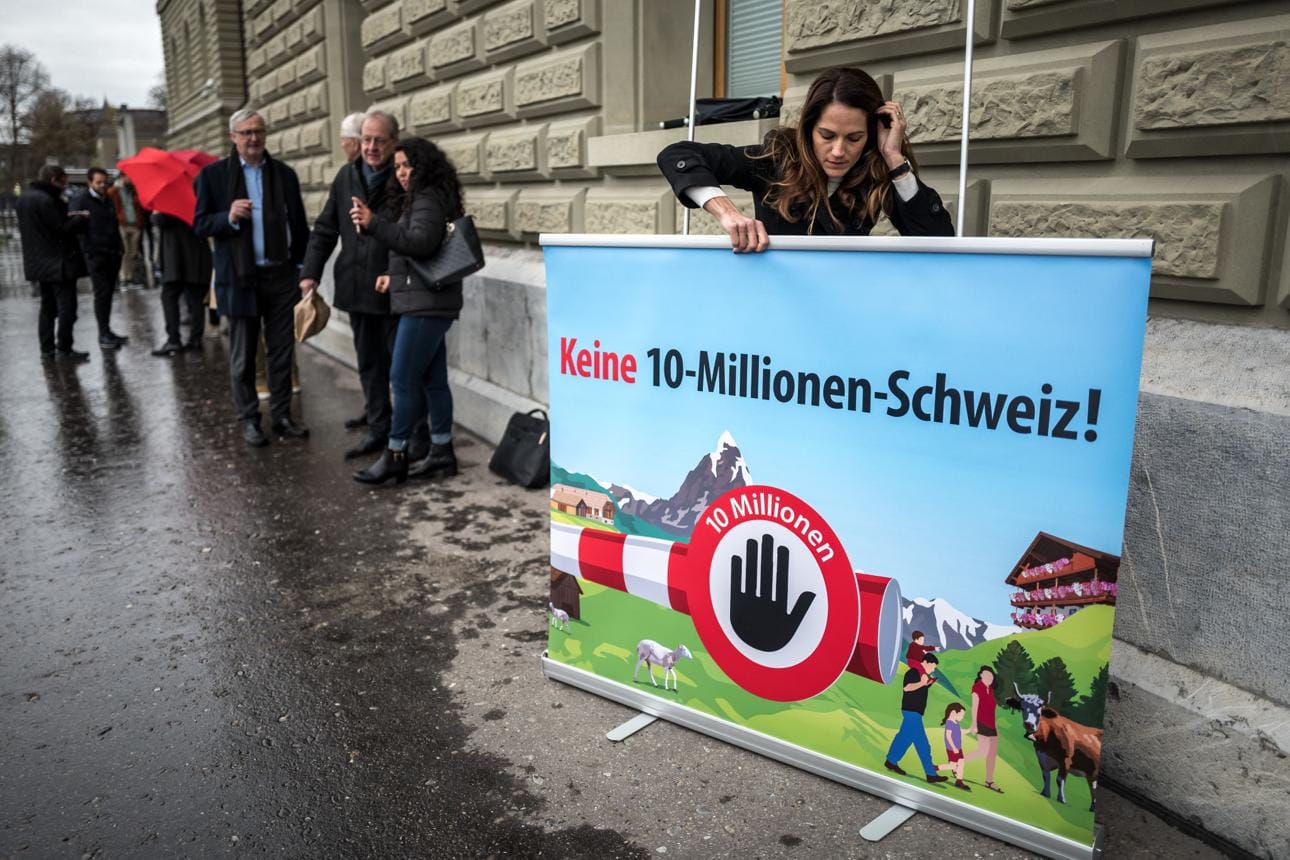
Switzerland is preparing for an important national vote on a proposal known as “No to 10 Million Switzerland,” which aims to limit the country’s population growth. The initiative, introduced by the Swiss People’s Party (SVP), seeks to prevent Switzerland’s population from exceeding 10 million by introducing stricter controls on immigration.

Supporters of the proposal argue that rapid population growth places increasing pressure on housing, transportation, public services, infrastructure, and environmental resources. They believe Switzerland should take stronger measures to manage migration and maintain the country’s quality of life.

Opponents, however, warn that the proposal could negatively affect Switzerland’s economy, labour market, and international competitiveness. Most major political parties, along with the Swiss Federal Government, have rejected the initiative and are encouraging voters to oppose it. Critics argue that Switzerland relies heavily on skilled foreign workers and international talent to support economic growth.

Speaking on the issue, Socialist Democratic Party member Siri Rasamanickam urged Swiss citizens to study the proposal carefully before casting their vote. He emphasized the importance of making informed decisions based on official information rather than opinions shared on social media.

The proposal has also attracted attention among migrant communities, including Swiss Tamils, who are closely following the debate. While the initiative primarily focuses on future population growth and immigration policies, many observers believe the outcome could influence Switzerland’s long-term approach to migration and integration.

Political analysts note that the proposal faces significant opposition from major parties and government institutions. Nevertheless, the final decision rests with Swiss voters, making the upcoming referendum an important event for the country’s future migration policies.

The vote is expected to generate widespread discussion across Switzerland as citizens consider the balance between population growth, economic needs, and social development.+

Swiss Expert Rejects “10 Million Population” Fear Claim.

A Swiss population expert has stated that Switzerland is unlikely to reach the controversial 10 million population threshold, even as political debate intensifies over immigration and population growth limits.

The discussion has been driven by a proposal titled “No to 10 Million Switzerland,” supported by the Swiss People’s Party, which aims to restrict population growth by limiting immigration into the country.

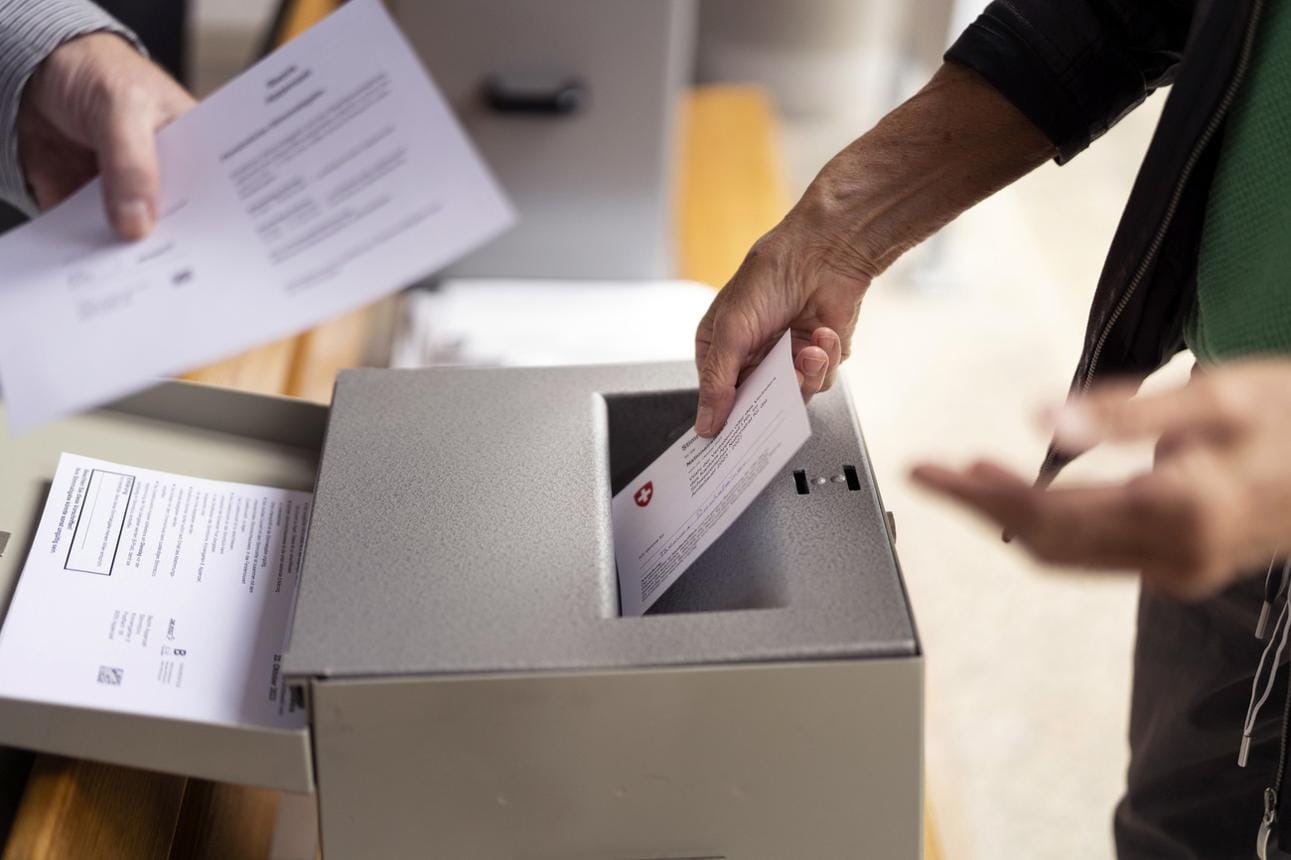
The initiative has gained significant public attention and is scheduled for a nationwide vote on June 14. The proposal argues that Switzerland should take stronger measures to prevent population growth from exceeding 10 million, mainly through tighter immigration controls.

However, a population specialist has challenged these concerns, stating that Switzerland is unlikely to reach the 10 million mark under current demographic trends. The expert’s remarks directly question the assumptions behind the initiative and its long-term projections.

The debate reflects broader tensions in Swiss politics over immigration, labor needs, housing pressure, and national identity. While supporters of the initiative emphasize limits on population growth, critics argue that Switzerland’s economy depends heavily on skilled migration.

As the vote approaches, the issue is expected to remain a central topic in Swiss political discourse, with strong opinions on both sides regarding the future direction of the country’s population policy.

Record CHF15.5 Million Spent on Swiss Immigration Referendum Campaigns

Political groups in Switzerland are spending record amounts ahead of the upcoming “No to ten million” immigration referendum, with campaign budgets reaching CHF15.52 million so far.

According to figures released by the Swiss Federal Audit Office, this is the highest declared campaign spending since Switzerland introduced mandatory political budget reporting rules.

Swiss voters are scheduled to head to the polls on June 14 to decide whether stricter immigration limits should be introduced.

The campaign supporting the initiative has so far declared CHF6.44 million in funding. Much of the financial backing comes from the Swiss People’s Party, including contributions from current and former politicians as well as business figures linked to the party.

Meanwhile, opponents of the proposal have declared approximately CHF9 million in donations. More than CHF4 million reportedly comes from Economiesuisse, the Swiss Business Federation, which argues that restricting immigration could damage the country’s economy and labour market.

The “No to ten million” initiative has become one of the most politically divisive issues in Switzerland, with supporters arguing that population growth is placing pressure on housing, infrastructure, and public services. Opponents warn that limiting immigration could weaken economic growth, worsen labour shortages, and reduce tax revenues.

Campaign spending linked to another national vote concerning amendments to the Civilian Service Act remains comparatively modest and more balanced between supporters and opponents.

Political analysts say the sharp rise in referendum campaign spending reflects the growing importance of immigration and economic policy debates in Swiss national politics.

Switzerland Voters Divided Over Proposal to Limit Population to 10 Million

A new opinion poll shows voters in Switzerland are evenly divided over a proposed referendum that aims to limit the country’s population to 10 million people before 2050.

The initiative, supported by the Swiss People’s Party (SVP), will go to a national vote on June 14. The proposal calls for stricter immigration controls and suggests Switzerland should end its freedom of movement agreement with the European Union if the population limit is exceeded.

According to a survey conducted by polling company GfS Bern for Swiss public broadcaster SRG, 47% of respondents support the proposal, while another 47% oppose it. The remaining participants said they were undecided. The poll included nearly 20,000 respondents and had a margin of error of plus or minus 2.8 percentage points.

Supporters of the proposal argue that rapid population growth is placing pressure on housing, transportation, healthcare, and public infrastructure across Switzerland. Concerns about overcrowding and rising living costs have increased public debate on immigration and urban development.

However, the Swiss government opposes the initiative and warns that ending free movement agreements with the European Union could harm Switzerland’s economy, labour market, and international cooperation. Business groups also fear that stricter immigration rules may create worker shortages and reduce economic growth.

Switzerland’s population recently surpassed 9 million people, and official statistics show that foreign nationals accounted for more than 27% of the country’s population in 2024.

Switzerland Plans Tougher Punishments for Bicycle Theft

Switzerland is preparing stricter legal measures to combat rising bicycle theft cases across the country, where nearly 50,000 bicycles are reportedly stolen every year.

The proposed legal changes have received support from the Swiss Federal Council following a proposal introduced by Lukas Reimann of the Swiss People’s Party.

Under current Swiss law, offenders can sometimes avoid serious punishment by claiming they only intended to use a bicycle temporarily. In many cases, this results in only minor fines or light penalties.

The new proposal aims to remove this loophole, especially for thefts involving expensive bicycles and e-bikes.

If approved, high-value bicycle theft would no longer be treated as a minor offence, and offenders could face stronger criminal penalties under Swiss law.

Authorities indicated that limited exceptions may still apply in specific situations, such as disputes within families or cases where previous permission to use the bicycle existed.

However, cycling advocates argue that tougher punishments alone will not fully solve the growing problem.

Experts say many Swiss cities still lack secure bicycle parking infrastructure, making bicycles easier targets for theft.

Traditional inverted-U bicycle racks often protect only the main frame while leaving wheels and other components vulnerable.

Cycling organisations point to safer systems used in cities such as New York City, where closed-loop locking stations offer better protection for the entire bicycle structure.

Advocates are calling for Switzerland to combine stronger laws with improved urban cycling infrastructure and modern secure parking facilities.

The issue has gained increasing public attention as cycling and e-bike usage continue to grow rapidly across Switzerland.

Swiss Minister Says Migrants Boost Economy

A senior Swiss minister has voiced strong support for migration, highlighting its economic benefits ahead of a key national vote in Switzerland.

The debate comes as the Swiss People’s Party pushes a proposal titled “No to 10 Million Switzerland,” which aims to limit the country’s population growth. The initiative seeks to curb immigration and will be put to a public vote on June 14.

Supporters of the proposal argue that rising immigration contributes to housing shortages and places increasing pressure on transport systems and public services.

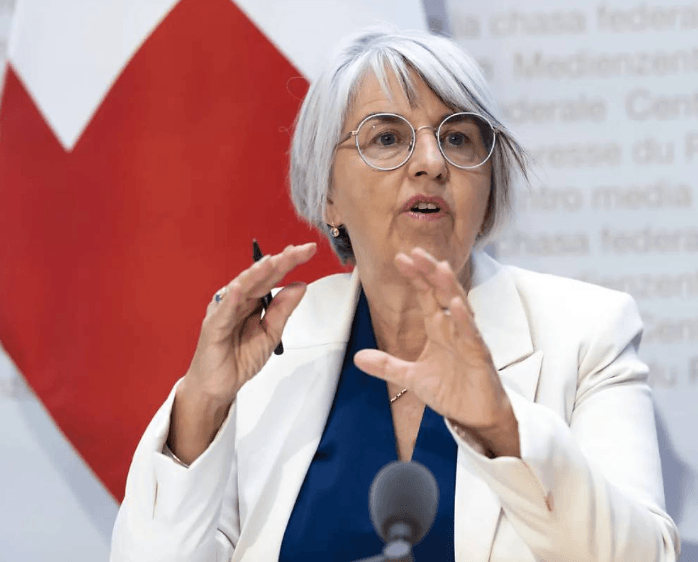
However, Swiss Interior Minister Elisabeth Baume-Schneider has publicly defended migration, emphasizing its positive impact on the national economy. She stated that foreign workers play a vital role in strengthening Switzerland’s financial system.

According to the minister, migrants significantly contribute to the country’s pension system. She noted that foreign workers pay more into the pension scheme than they receive, effectively generating a surplus that supports long-term financial stability.

Her remarks come at a critical moment as voters prepare to decide on one of the most debated migration policies in recent years. The outcome of the referendum could shape Switzerland’s future approach to immigration and economic growth.