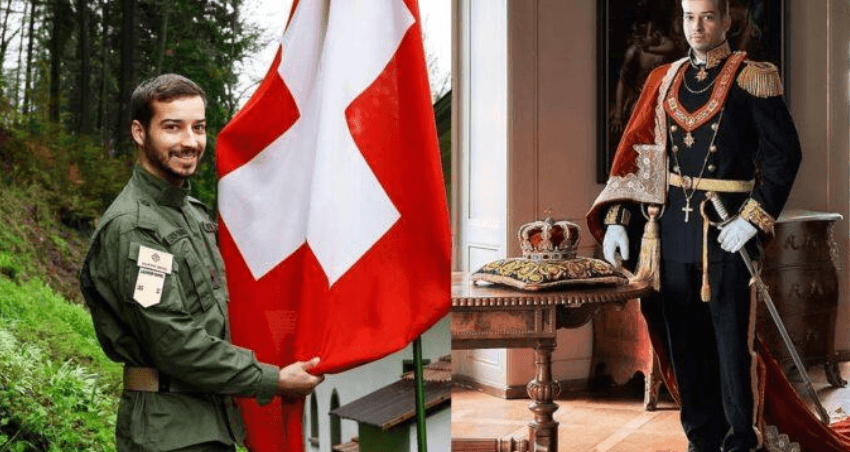

King of Switzerland’ Claim Sparks Political Controversy
A 31-year-old man, Jonas Lauwiner, has triggered widespread political and legal debate in Switzerland after declaring himself the country’s “king” and claiming ownership of multiple unregistered land plots.
According to reports, Lauwiner has asserted control over 148 land parcels, covering approximately 117,000 square meters. His claims reportedly include 83 road sections, some of which are currently used by the public.
Legal Loophole Raises Concerns
Lauwiner is believed to have used a provision in Swiss law that allows individuals to claim ownership of land classified as “ownerless” by submitting a formal request to local authorities—often without payment.
Critics argue that exploiting this legal loophole for personal gain could set a dangerous precedent, especially if public-use areas fall under private control.
Political Backlash Intensifies
The move has sparked strong reactions from politicians and local communities. Lawmakers warn that such actions could undermine public access to shared infrastructure and open the door for similar claims by others.
Several cantons are now considering tightening regulations to prevent misuse of land ownership laws and to safeguard public property.
Public Access at Risk?
The controversy highlights broader concerns about balancing individual property rights with public interest. If such claims go unchecked, roads and commonly used areas could potentially become privately controlled spaces.
This unusual case has exposed gaps in Swiss land ownership regulations and triggered urgent discussions on legal reforms. Authorities are now under pressure to act quickly to prevent further exploitation.