

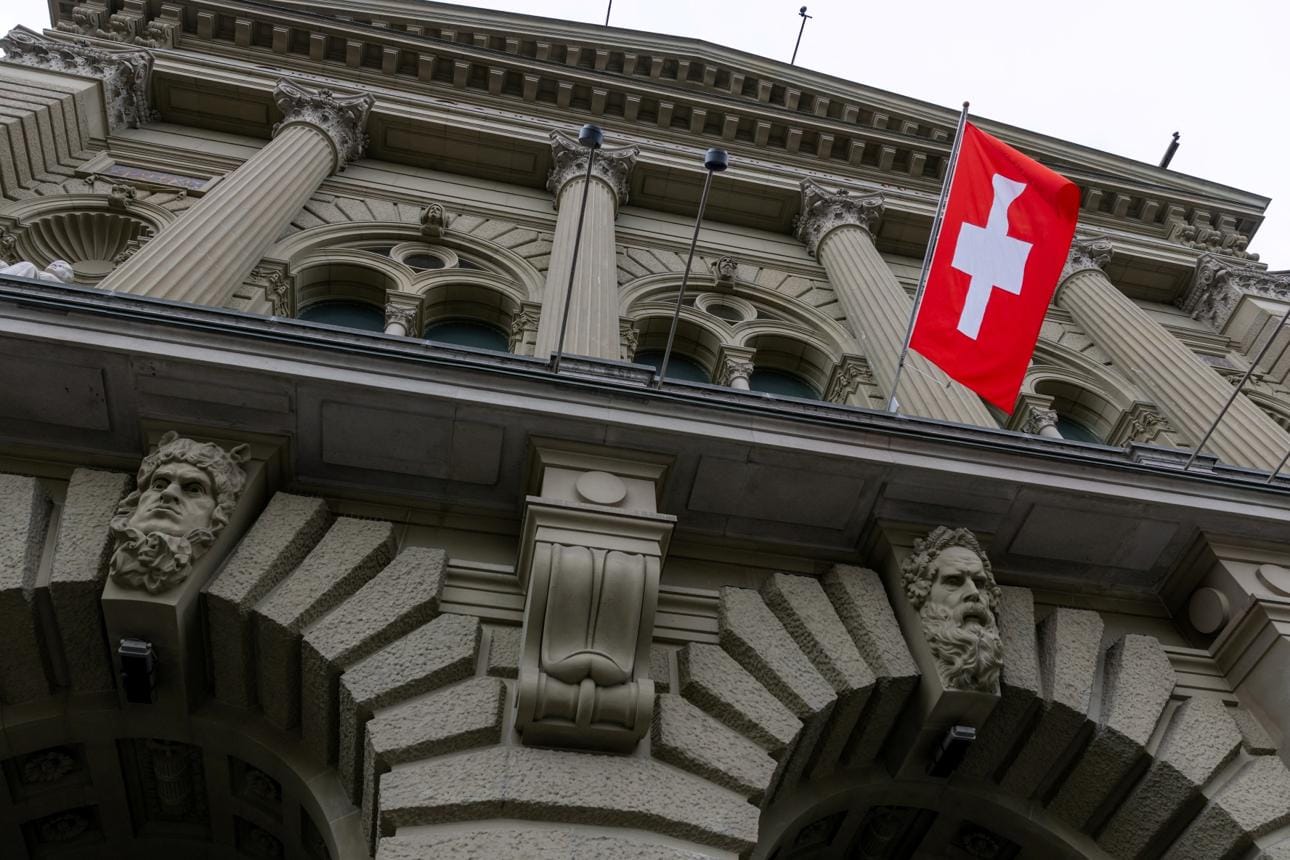
Poll Shows Limited Support for Swiss Neutrality Initiative

A new opinion poll suggests that the Swiss Neutrality Initiative currently faces an uphill battle ahead of the national referendum scheduled for September 27. According to survey results, a majority of Swiss voters are not convinced by the proposal, with 54% indicating they would vote against it.

The poll, conducted by the Leewas Institute on behalf of Tamedia and 20 Minuten, found that only 34% of respondents support the initiative. Meanwhile, 12% remain undecided or have not yet formed an opinion.

The initiative, officially titled “Preserving Swiss Neutrality,” aims to define Switzerland’s neutrality as both permanent and armed. Supporters argue that the proposal would strengthen Switzerland’s traditional position of neutrality and keep the country out of military alliances and foreign conflicts.

Under the proposal, Switzerland would be prohibited from joining military or defence alliances. It would also restrict the country from imposing economic or diplomatic sanctions on countries involved in conflicts, except when required under United Nations obligations.

The initiative was launched by Pro Suisse and representatives of the Swiss People’s Party (SVP) following Russia’s invasion of Ukraine. Supporters believe Switzerland should maintain a stricter interpretation of neutrality in international affairs.

However, the proposal faces strong opposition from both the Swiss government and parliament. Neither institution supports the initiative, and no alternative proposal has been presented.

The poll indicates that support is concentrated primarily among Swiss People’s Party supporters, with approximately 72% of party members backing the measure. Younger voters living in rural areas are also more likely to support the initiative.

Opposition is strongest among supporters of the Green Liberal Party, the Greens, and the Social Democratic Party. Voters with higher education levels and those living in urban areas are generally more likely to reject the proposal.

The survey also revealed differences between male and female voters. Women were less likely to express a clear opinion, while men showed stronger support and opposition rates overall.
Switzerland Maintains Neutral Stance on Iran Conflict.

Switzerland continues to uphold its long-standing policy of neutrality in relation to the ongoing tensions and conflicts involving Iran and other Middle Eastern actors. The Swiss government does not take sides in military conflicts and instead focuses on promoting peace and diplomatic solutions.

In the context of the Iran conflict, Switzerland consistently calls for de-escalation and urges all parties involved to avoid actions that could further intensify violence. The government emphasizes the importance of reducing tensions through dialogue rather than military escalation.

Swiss authorities also stress that all parties must respect international humanitarian law and broader principles of international law. Civilian protection remains a key priority in Switzerland’s foreign policy approach to conflict situations.

As part of its diplomatic role, Switzerland has historically acted as an intermediary between countries that do not maintain direct diplomatic relations. One of the most notable examples is its role as a protecting power for communication between the United States and Iran. In this capacity, Switzerland facilitates the exchange of official messages and supports limited diplomatic communication channels.

Due to its neutrality, Switzerland does not support military actions by any side. At the same time, it does not endorse retaliatory measures or escalation in conflicts involving Iran. Instead, it positions itself as a mediator that encourages peaceful negotiation and international cooperation.

In line with its neutrality laws, Switzerland also applies strict regulations on arms exports and may restrict certain military-related transit activities to ensure compliance with international obligations.

Overall, Switzerland’s position on the Iran conflict reflects its core foreign policy principles: neutrality, conflict prevention, respect for international law, and commitment to diplomatic dialogue as the primary means of resolving international disputes.

Swiss Concern Over Global Security Reaches 20-Year Low Confidence.

Public concern about global instability has significantly increased in Switzerland, according to the latest Federal Department of Defence, Civil Protection and Sport “Security 2026” survey released on Tuesday. The findings reveal that Swiss citizens are increasingly anxious about international conflicts and the country’s long-term security position.

The survey shows that 86% of respondents feel pessimistic about the global political situation, marking a sharp rise in insecurity perceptions. Many also expressed concern about Switzerland’s own future stability in an increasingly uncertain geopolitical environment.

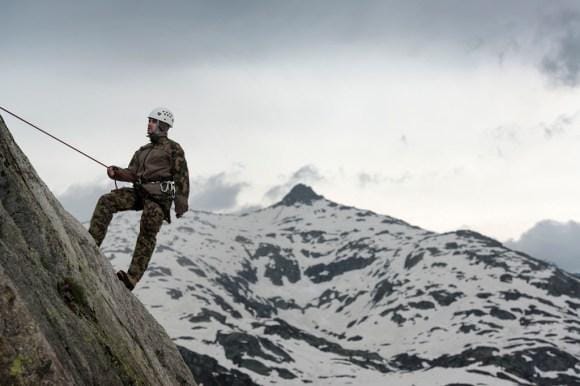
According to the report, overall feelings of personal and national security in Switzerland have dropped to their lowest level in the past 20 years. More than 80% of participants believe that the Swiss armed forces remain either “absolutely necessary” or “rather necessary” for national defence and crisis response.

The study also highlights growing support for increased defence investment. Around 29% of respondents believe that military spending is currently too low, the highest level recorded since 1986. This indicates a clear shift in public opinion toward strengthening national defence capabilities.

At the same time, attitudes toward compulsory military service are divided. About one-quarter of respondents support abolishing mandatory service, reflecting ongoing debate about the role of citizens in national defence.

Another key finding shows that a slight majority of Swiss citizens now support closer cooperation with NATO. This marks a notable shift in a country traditionally known for its long-standing policy of neutrality.

The report further states that more than half of respondents believe Switzerland’s neutrality can no longer be credibly defended in military terms. This signals a significant change in public perception regarding the country’s traditional foreign policy stance.

Overall, the “Security 2026” survey suggests that global instability is reshaping Swiss public opinion, with increasing support for stronger defence policies, higher military spending, and closer international security cooperation.