


Switzerland’s Clean & Sustainable Electricity System Explained
Switzerland is widely recognized as one of the countries with the cleanest and most stable electricity production systems in the world. Its energy system is built on a strong foundation of renewable and low-carbon sources, making it a global leader in sustainable power generation.
Electricity Mix in Switzerland
Switzerland’s electricity production is mainly divided into three major sources:
- Hydropower: approximately 55%–60%
- Nuclear power: approximately 30%–35%
- Solar energy: rapidly growing and reaching nearly 10%
- Wind and other sources: very small share
This balanced mix allows Switzerland to maintain a reliable and low-carbon electricity supply.
Hydropower as the Backbone
Hydropower is the most important energy source in Switzerland. The country’s mountainous geography and Alpine rivers provide ideal conditions for hydroelectric dams. These plants generate a large portion of the national electricity demand, especially during the summer months.
Role of Nuclear Energy
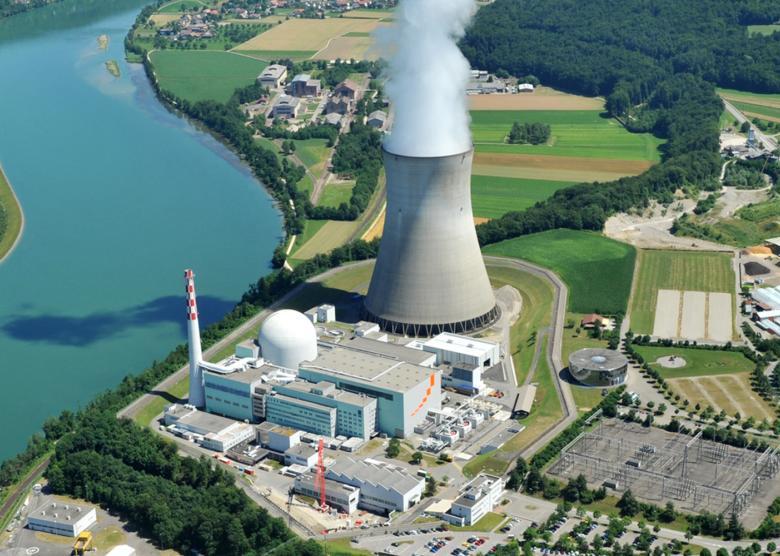
Nuclear power also plays a significant role in Switzerland’s energy system. However, after the Fukushima nuclear disaster in 2011, the government decided not to build new nuclear power plants and gradually phase out existing ones. Despite this, nuclear energy still contributes a substantial share of electricity production.
Growth of Solar Energy
In recent years, solar energy has grown rapidly across Switzerland. Rooftop solar installations and renewable energy investments have significantly increased, making solar power an important part of the future energy transition.
Energy Import and Export Balance
Switzerland exports electricity during summer months when hydropower production is high. However, during winter, when demand increases and hydropower output decreases, the country sometimes imports electricity from neighboring European countries.
Environmental Strength of Switzerland
One of Switzerland’s key strengths is its low-carbon electricity system. Most of its electricity comes from renewable or low-emission sources, making it one of the cleanest energy systems in the world.
Future Energy Direction
Due to increasing electricity demand and climate change challenges, Switzerland continues to debate the future role of nuclear energy while expanding renewable sources such as solar and hydropower storage systems.
Switzerland remains a global model for sustainable electricity production and climate-friendly energy policy.
