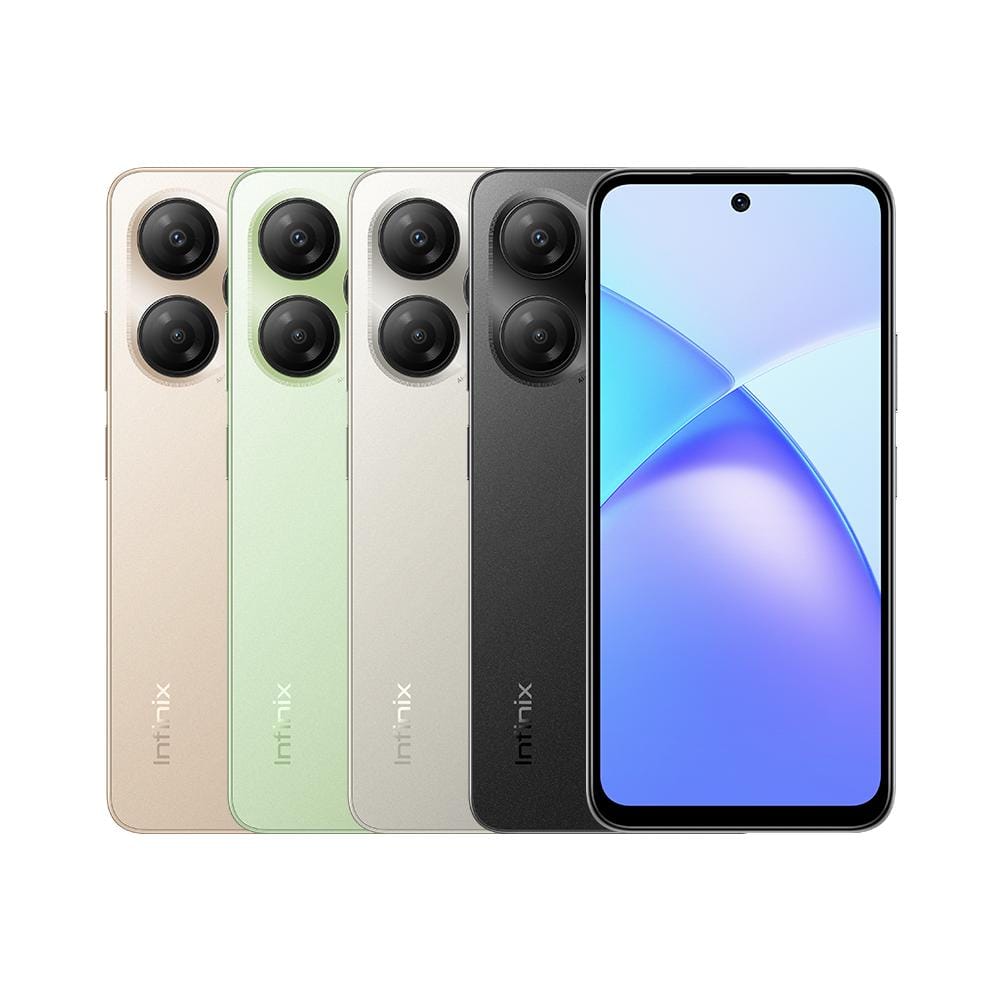
Infinix HOT 70 Officially Launched.

Infinix has officially launched its latest budget smartphone, the Infinix HOT 70, in Indonesia, with expectations of a wider global release in the coming months.

The new smartphone focuses on long battery life and smooth performance, making it attractive in the budget segment. The device comes equipped with a massive 6000mAh battery, designed to deliver extended usage without frequent charging.

The Infinix HOT 70 features a 6.78-inch HD+ LCD display with a resolution of 720×1576 pixels. It also supports a 120Hz refresh rate and a 240Hz touch sampling rate, offering smoother scrolling and improved touch responsiveness for users.

Brightness levels reach up to 700 nits, making the display suitable for outdoor visibility in bright conditions.

In terms of photography, the smartphone includes a 50MP main camera, targeting users who want decent camera performance in an affordable device category.

The HOT 70 is positioned as a budget-friendly smartphone, continuing Infinix’s strategy of offering feature-rich devices at competitive prices. While the official global pricing may vary by region, the device is expected to remain within the entry-level to mid-range price segment.

The company is expected to expand availability to additional markets soon, including Asia and Africa, where demand for affordable high-battery smartphones remains strong.
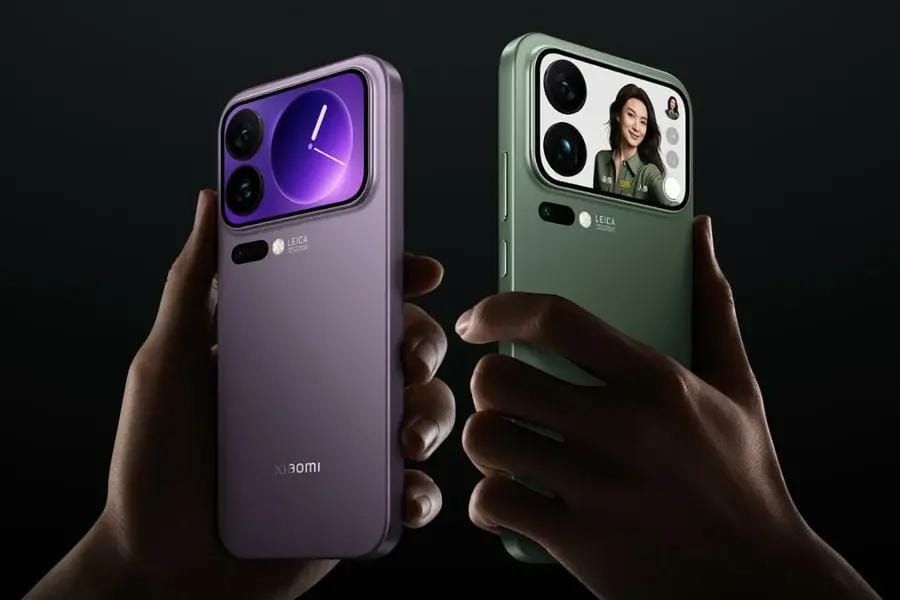

Xiaomi Launches Xiaomi 17 Max with 8000mAh Battery

Xiaomi has officially launched its latest flagship smartphone, the Xiaomi 17 Max, in China, introducing major upgrades in battery life, performance, and camera technology.

The device comes with an enormous 8000mAh battery paired with 100W fast charging, making it one of the most powerful battery configurations in the smartphone market.

At its core, the phone is powered by the latest Snapdragon 8 Elite Gen 5 chipset and runs on Android 16 with Xiaomi’s HyperOS 3 interface, offering improved performance and system optimization.

The Xiaomi 17 Max is available in multiple configurations, including 12GB and 16GB RAM options, along with 256GB and 512GB storage variants.

It features a 6.9-inch LTPO OLED display with a resolution of 2608 × 1200 pixels. The screen supports a 120Hz refresh rate, peak brightness of up to 3,500 nits, and advanced HDR10+ and Dolby Vision technologies for enhanced visual quality.

In the camera department, the smartphone offers a triple-camera setup, including a 200MP ISOCELL HP9 primary sensor, a 50MP ultra-wide lens, and a 50MP periscope telephoto camera. The system is enhanced with Leica Summilux optics and Hyper OIS stabilization technology for improved image clarity and low-light performance.

The Xiaomi 17 Max positions itself as a premium flagship device aimed at users seeking high-end photography, long battery life, and top-tier performance in a single smartphone.

Google Reduces Free Storage for New Users Without Phone Verification.

Google has announced a major change to its free cloud storage policy, reducing the default free storage allocation for new users from 15GB to 5GB unless they complete phone number verification.

Previously, Google offered 15GB of free storage shared across Gmail, Google Drive, and Google Photos for all users. Under the new policy, new accounts will initially receive only 5GB of free storage space.

According to Google, users can unlock the full 15GB storage limit by verifying their account with a mobile phone number. The company says the decision is aimed at reducing fake accounts, spam activity, and automated bot registrations.

Google explained that stronger verification systems are becoming increasingly necessary as online platforms face rising abuse from fake profiles and malicious automated systems.

However, the update has triggered privacy concerns among some users and digital rights advocates. Critics argue that mandatory phone verification could increase data tracking and raise concerns about personal information security.

Some users have also questioned whether linking mobile numbers to online accounts could lead to greater data collection or targeted advertising practices.

Google clarified that existing accounts will not be affected by the change. The new policy currently applies mainly to newly created Google accounts, which will start with 5GB and later gain access to the remaining storage after completing verification.

The announcement comes as cloud storage demand continues to grow globally, driven by increasing usage of email services, online backups, smartphones, and AI-powered digital tools.

Industry analysts say many major technology companies are tightening account verification policies in order to strengthen security systems and reduce misuse of free online services.

5 Simple Ways to Overcome Mobile Phone Addiction

In today’s digital world, many people spend a significant amount of time on their smartphones every day. Excessive mobile phone usage can negatively affect work performance, personal relationships, sleep quality, and overall mental health. Experts recommend several simple methods to reduce mobile addiction and create healthier digital habits.

The first step is to monitor screen time regularly. Understanding how many hours are spent on mobile devices each day helps users identify unhealthy patterns and set realistic goals to reduce usage gradually.

The second recommendation is to limit unnecessary notifications. Constant alerts from apps often encourage people to check their phones repeatedly. Disabling non-essential notifications can significantly reduce distractions and improve focus.

Another effective strategy is creating phone-free periods during the day. Experts advise avoiding smartphone use during meals, family time, and before bedtime. Maintaining device-free moments can improve communication, sleep quality, and emotional wellbeing.

Reducing time spent on social media platforms such as Facebook, Instagram, and TikTok is also considered important. Setting daily time limits for these apps can help users avoid endless scrolling habits.

Finally, choosing alternative activities can make a major difference. Reading books, exercising, spending time outdoors, and having direct conversations with friends and family can naturally reduce dependency on smartphones.

Experts say that small lifestyle changes practiced consistently can help people regain control over their digital habits and maintain a healthier balance between online and offline life.