Meta Unveils New Smart Glasses for Just $299

Meta has officially introduced its latest Meta Smart Glasses, expanding its presence in the growing wearable technology market. The new AI-powered glasses were announced on June 23, 2026, with a starting price of $299, making them significantly more affordable than some of Meta’s previous smart eyewear products.

The glasses were developed in partnership with EssilorLuxottica, the global eyewear manufacturer behind several major brands. Unlike earlier Meta smart glasses, however, the new device does not carry the Ray-Ban or Oakley branding.

Meta is positioning the product as an important step toward building its own hardware ecosystem in the age of artificial intelligence. The company believes wearable AI devices could become a key platform for future digital experiences.

One of the standout features of the new Meta Smart Glasses is the integration of Meta’s artificial intelligence technology. Users can interact with the AI using voice commands, allowing them to ask questions, receive information about their surroundings, translate languages in real time, take photos, and record videos.

Although the glasses do not include a built-in display screen, they feature a high-quality camera system and personal speakers that provide hands-free access to AI-powered assistance.

Meta executives have indicated that this device represents an important milestone on the path toward more advanced augmented reality (AR) glasses in the future. The company expects future generations of smart glasses to include display technology capable of overlaying digital information directly into the user’s field of vision.

The launch follows Meta’s previous release of premium smart glasses, which were priced at around $799. While the company has faced challenges in achieving widespread success in the virtual reality headset market, it has become a dominant force in smart eyewear.

According to industry reports, Meta currently holds approximately 80% of the smart glasses market, with millions of units sold since 2021.

Meanwhile, competition is also increasing. Google is reportedly working with Warby Parker to develop AI-powered smart glasses based on its Gemini artificial intelligence platform, setting the stage for a new battle in the wearable AI sector.

As technology companies race to bring AI closer to everyday life, smart glasses are emerging as one of the most promising products in the next generation of consumer technology.
Meta Pushes Congress for Legal Shield in Child Safety Lawsuits

Meta Platforms is reportedly lobbying the United States Congress to secure legal immunity from child-harm lawsuits linked to its social media platforms, including Instagram, as regulatory pressure over online safety intensifies.

According to sources familiar with the matter, Meta has proposed legislative language as part of the Kids Online Safety Act (KOSA), a major US bill aimed at strengthening protections for children online.

The proposed provision would limit lawsuits against technology companies by granting immunity from state-level claims related to harms affecting users under the age of 18. If adopted, the measure could significantly affect thousands of ongoing and future legal cases against Meta and other major platforms.

Growing Legal Pressure on Social Media Platforms

Meta and Google’s YouTube are currently facing increasing legal scrutiny over allegations that platform design features contributed to harmful or addictive behaviour among young users.

Earlier this year, both companies were found liable in a case that resulted in approximately $6 million in damages. The ruling marked a significant development in ongoing litigation targeting the safety design of major social media platforms.

Plaintiffs in multiple cases argue that features such as infinite scrolling, push notifications, and algorithm-driven feeds contribute to compulsive usage patterns and negatively impact mental health among minors.

KOSA Bill at the Centre of Debate

The Kids Online Safety Act is one of the most significant proposed reforms to US digital regulation in recent years. The bill would require social media companies to take stronger measures to prevent harm to minors and redesign features that could encourage excessive usage.

Under the proposed framework, companies would be expected to apply “duty of care” standards when designing features such as auto-play videos, notifications, and visual filters.

While the bill has received bipartisan support in the Senate, it has previously faced challenges in the House of Representatives. It has now been reintroduced amid renewed political negotiations.

Controversy Over Immunity Provision

The most controversial aspect of the proposed amendment is the suggestion that platforms could receive immunity from lawsuits related to child safety harms if they comply with federal standards.

Critics argue that such a provision could block families and advocacy groups from seeking legal accountability for alleged harms caused by platform design choices. Supporters, however, claim that a unified federal standard would reduce fragmented state-level regulation and provide clearer compliance rules for companies.

Meta has stated that the proposed language is intended to create consistent national standards rather than eliminate legal accountability.

Political Negotiations Continue

The bill is currently under discussion between US lawmakers and the White House, with efforts underway to combine child safety legislation with broader technology regulation, including artificial intelligence governance.

Despite strong Senate support in previous votes, the final outcome remains uncertain as debates continue over the balance between child protection, innovation, and corporate liability.

Facebook and Messenger Report Widespread Outage

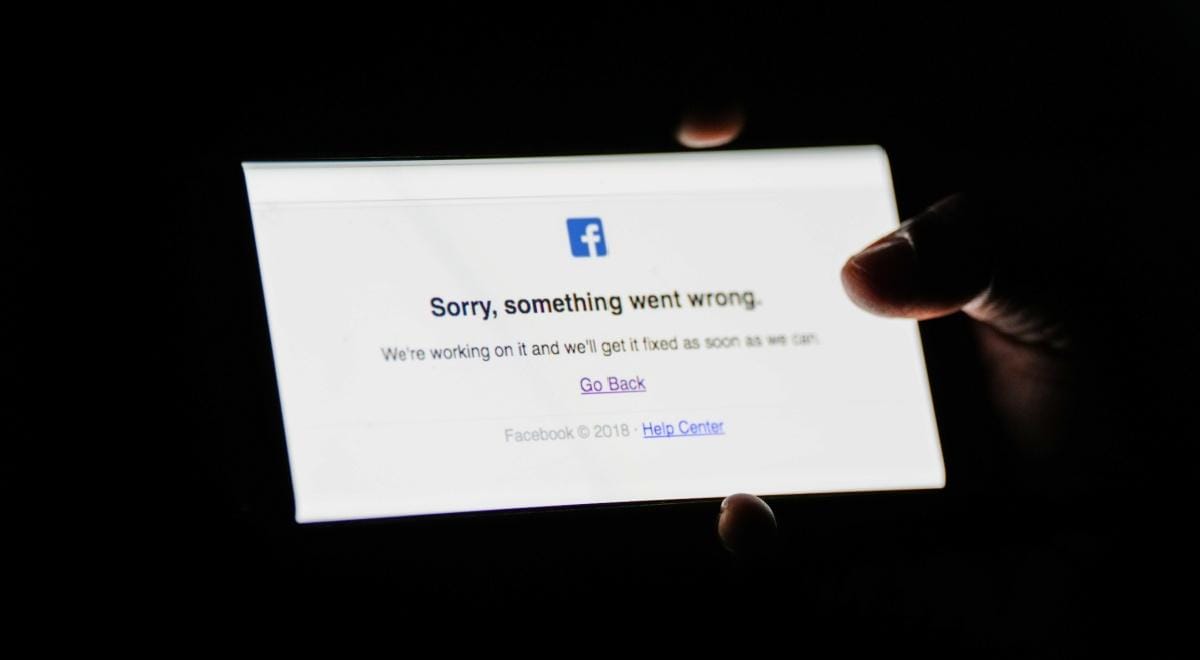
Users across several regions have reported a widespread outage affecting Facebook and its messaging platform Messenger, leading to disruptions in communication and access to services.

The issue appears to have caused temporary inaccessibility of Facebook’s main platform, with many users unable to load their feeds or log in to their accounts. The disruption also extended to Messenger, where messages failed to send or load properly.

Reports of the outage quickly spread across social media, with users confirming similar problems from different parts of the world. The sudden interruption has raised concerns about the stability of Meta’s services, which are widely used for personal communication and business interactions.

Although the exact cause of the outage has not been officially confirmed, such disruptions are often linked to server issues, technical updates, or network failures within large-scale digital platforms.

Meta has not yet released a detailed statement regarding the incident, but engineers are expected to investigate the cause and restore full service as quickly as possible.

The outage highlights the heavy global reliance on social media platforms like Facebook and Messenger, which play a critical role in daily communication for billions of users worldwide.

Meta Legal Action Silences Facebook Whistleblower at Hay Festival.

Facebook whistleblower Sarah Wynn-Williams was unable to speak during a panel discussion at the Hay Festival after legal warnings linked to ongoing action by Meta, the parent company of Facebook and Instagram.

Wynn-Williams, who authored the bestselling memoir Careless People, was scheduled to appear in conversation with investigative journalist Carole Cadwalladr and academic Tim Wu. However, she remained silent on stage throughout the hour-long event, following legal advice that speaking could risk further sanctions.

Her book details allegations about her experience working at Facebook, including claims related to internal company culture, political influence, and concerns about the platform’s impact on young users. Meta has strongly disputed the claims made in the publication.

During the session, Wynn-Williams was physically present but unable to speak, respond, or even gesture, as she faced restrictions stemming from an emergency legal order obtained by Meta. The order reportedly prohibits her from publicly discussing certain aspects of her book and imposes significant financial penalties for breaches.

The unusual situation drew strong reactions from the audience and speakers. Carole Cadwalladr described the moment as unprecedented, while audience members later gave Wynn-Williams a standing ovation in a show of support.

Festival organisers also referred to the moment as an act of solidarity with someone they described as being silenced under legal pressure. The event has since sparked wider debate about free speech, corporate power, and the limits of legal action in restricting public discussion.

Meta has maintained that the legal measures are necessary and continues to challenge the claims made in the whistleblower’s book through legal channels. The case highlights ongoing tensions between large technology companies and former employees who publish critical accounts of their internal operations.

As discussions around tech accountability grow, the incident at the Hay Festival has become a focal point in the broader debate over transparency, whistleblower protections, and freedom of expression in the digital age.

WhatsApp Tests “Read-Once” Message Feature.

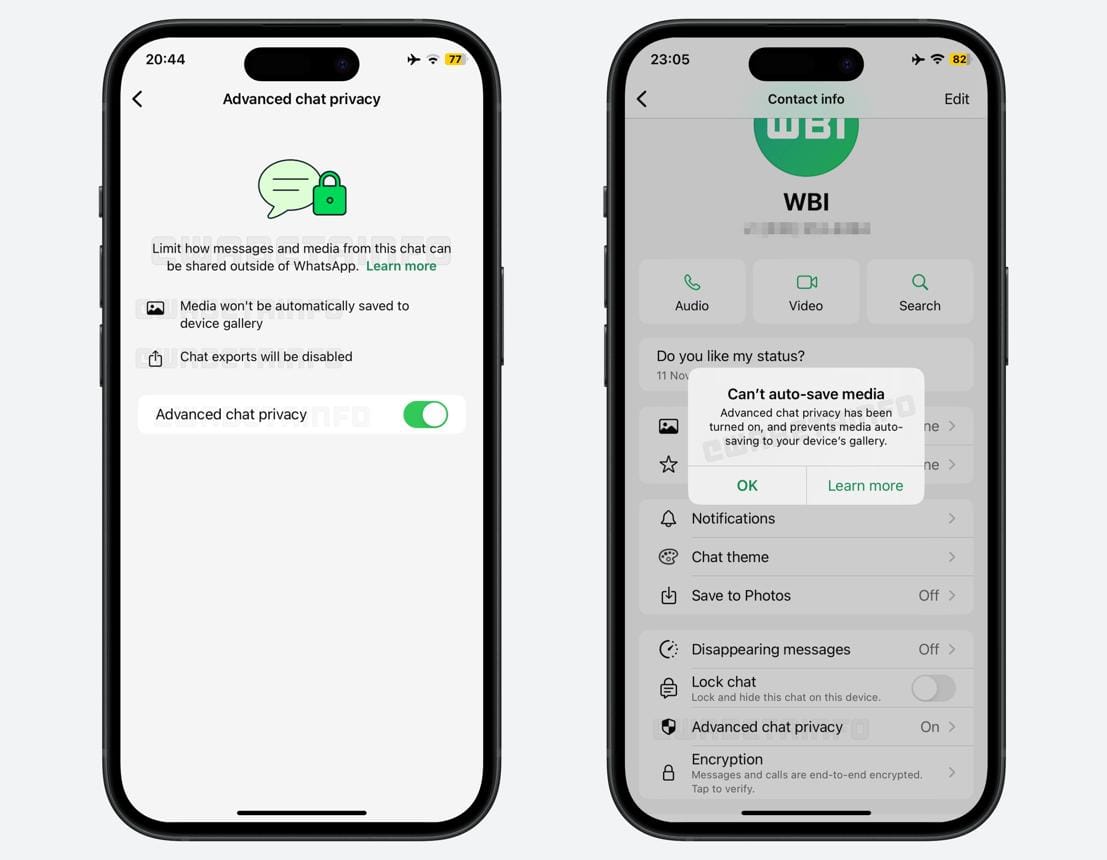
WhatsApp is testing a new privacy-focused feature in its iOS beta version that allows messages to automatically disappear once they are read by the recipient.

This new “After Reading” option expands on the platform’s existing “Disappearing Messages” feature, which previously allowed users to set messages to delete after fixed time periods such as 24 hours, 7 days, or 90 days.

With the new update, users will be able to choose a more immediate privacy option where messages are automatically deleted after being opened, providing stronger control over sensitive conversations.

The feature is designed to enhance user privacy and reduce the risk of message storage or unintended sharing. It is especially useful for sharing confidential or time-sensitive information.

In addition to this, WhatsApp is also introducing “Custom Timers,” allowing users to set personalized message deletion periods such as 1 hour, 6 hours, or 2 days, depending on their preference.

Currently, these features are available only to selected iOS beta testers. However, the company is expected to roll them out gradually to Android users and eventually to the wider public in future updates.

Meta Platforms continues to focus on improving privacy and security across its messaging ecosystem, with more advanced message control tools expected in upcoming releases.

Instagram Launches “Instants” for Real-Time Sharing.

The global social media giant Instagram has officially introduced a new feature called “Instants”, aiming to enhance real-time sharing among users. The new feature is designed to allow people to instantly share moments with friends in a faster and more simplified way compared to existing tools like Stories.

According to Instagram’s official blog announcement, Instants enables users to capture and share photos and videos immediately. These shared moments will be visible for 24 hours, similar to Stories, but with a more streamlined and instant sharing experience. Users can simply open the camera, take a photo or video, and share it without additional steps.

Instagram explained that the goal of Instants is to bring users closer to real-time interaction. The platform stated that this feature encourages more natural and spontaneous sharing between friends, making social media communication feel more authentic and less edited.

The feature is currently being tested in selected countries as part of a limited rollout. Early testing allows Instagram to refine the user experience before a global release. The company has confirmed that Instants will be introduced worldwide in the near future after successful testing.

As competition increases among social media platforms, Instagram continues to innovate under its parent company Meta Platforms, focusing on improving user engagement and real-time communication features.

WhatsApp Introduces Custom Lists Feature to Organize Important Messages

WhatsApp has introduced a useful new feature called “Custom Lists” to help users organize their chats more efficiently. Today, WhatsApp plays a major role in both personal and professional communication. From family conversations and office discussions to school groups and customer messages, users manage multiple types of chats in a single platform.

To make message management easier, WhatsApp now allows users to create customized chat categories through the new Custom Lists feature. Users can organize conversations into separate sections such as family, work, friends, clients, or business contacts. This feature helps users quickly access important chats without spending time endlessly scrolling through messages.

Users can activate this feature by opening the WhatsApp Settings menu and scrolling down to the “Lists” option. They can then create a new list and add selected chats to that category. Once completed, users can open the list to view only the conversations related to that specific section.

The new feature improves chat organization and helps users focus on important messages more effectively. It also allows users to separate personal and professional communication, reducing confusion and improving productivity.

Technology experts believe the Custom Lists feature will become highly popular among users who handle large numbers of daily conversations. The update reflects WhatsApp’s continued focus on improving user experience and communication management.

AI Triggers 96,000 Tech Layoffs in 2026.

The rapid expansion of Artificial Intelligence is transforming the global technology industry, with nearly 96,000 employees reportedly losing their jobs in 2026 alone.

Technology companies across the world are increasingly replacing traditional workforce structures with AI-powered systems to improve efficiency, reduce operational costs, and automate tasks previously handled by humans.

Industry reports indicate that many startup IT firms can now perform work previously managed by 250 employees using only around 50 staff members supported by advanced AI tools.

Major technology companies have also accelerated restructuring efforts as artificial intelligence becomes more deeply integrated into business operations.

Meta recently announced plans to reduce approximately 10% of its workforce, affecting nearly 8,000 employees.

The company reportedly confirmed that the layoffs would begin from May 20 and stated that it currently has no plans to refill around 6,000 vacant positions.

Meanwhile, Amazon has reportedly cut nearly 30,000 jobs since October as part of broader operational restructuring and automation strategies.

Experts say companies are increasingly relying on AI systems for coding, customer support, data analysis, marketing automation, and content generation.

The growing adoption of AI technologies has sparked debate across the global workforce, with many professionals expressing concern about job security and the future of traditional employment.

At the same time, technology leaders argue that AI will also create new opportunities in fields such as machine learning, cybersecurity, robotics, and AI system management.

Economists believe the global labour market is entering a major transition period where companies will prioritize digital automation and AI-driven productivity.

As competition intensifies in the tech industry, businesses are expected to continue investing heavily in artificial intelligence to remain competitive in the rapidly evolving digital economy.

US Court Fines Meta $375M for Child Safety Violations,

A US court has ordered Meta to pay $375 million for harming children and exposing them to sexual exploitation on its platforms. The ruling comes after a six-week trial in New Mexico.

State officials accused Meta of failing to protect minors. The jury agreed that Meta prioritized profit over safety and violated sections of New Mexico’s Unfair Practices Act.

The court found that Meta misused children’s vulnerabilities and engaged in “unethical business practices.” The ruling marks the first time a US state has successfully sued Meta over child protection issues.

Meta, the parent company of Instagram, Facebook, and WhatsApp, faces multiple lawsuits regarding its platforms’ impact on youth mental health. The jury sided with the state’s arguments that Meta ignored safety concerns to increase profits.

During the trial, 40 witnesses testified, including whistleblowers. Lawyers reviewed hundreds of documents, reports, and emails.

Meta’s spokesperson rejected the ruling and announced plans to appeal. He stated, “We work hard to keep our users safe. Identifying and removing harmful content remains challenging, but we continue to improve our systems.”

New Mexico Attorney General Raúl Torrez filed the lawsuit in 2023 against Meta and CEO Mark Zuckerberg. Investigators created fake accounts of users under 14 to test platform safety. These accounts received sexual content and interacted with adults seeking such content, prompting multiple charges.

Torrez called the ruling a historic victory for children and families. He said, “Meta must now pay the price for placing profits above child safety. No tech company stands above the law.”

The trial’s second phase begins in May, where a judge will determine whether Meta must pay additional fines or implement further platform changes.

Meanwhile, a separate jury in California is examining Meta and YouTube over their impact on children. This case could influence thousands of similar lawsuits nationwide. Regulators are reviewing whether platforms intentionally designed features to engage young users.