

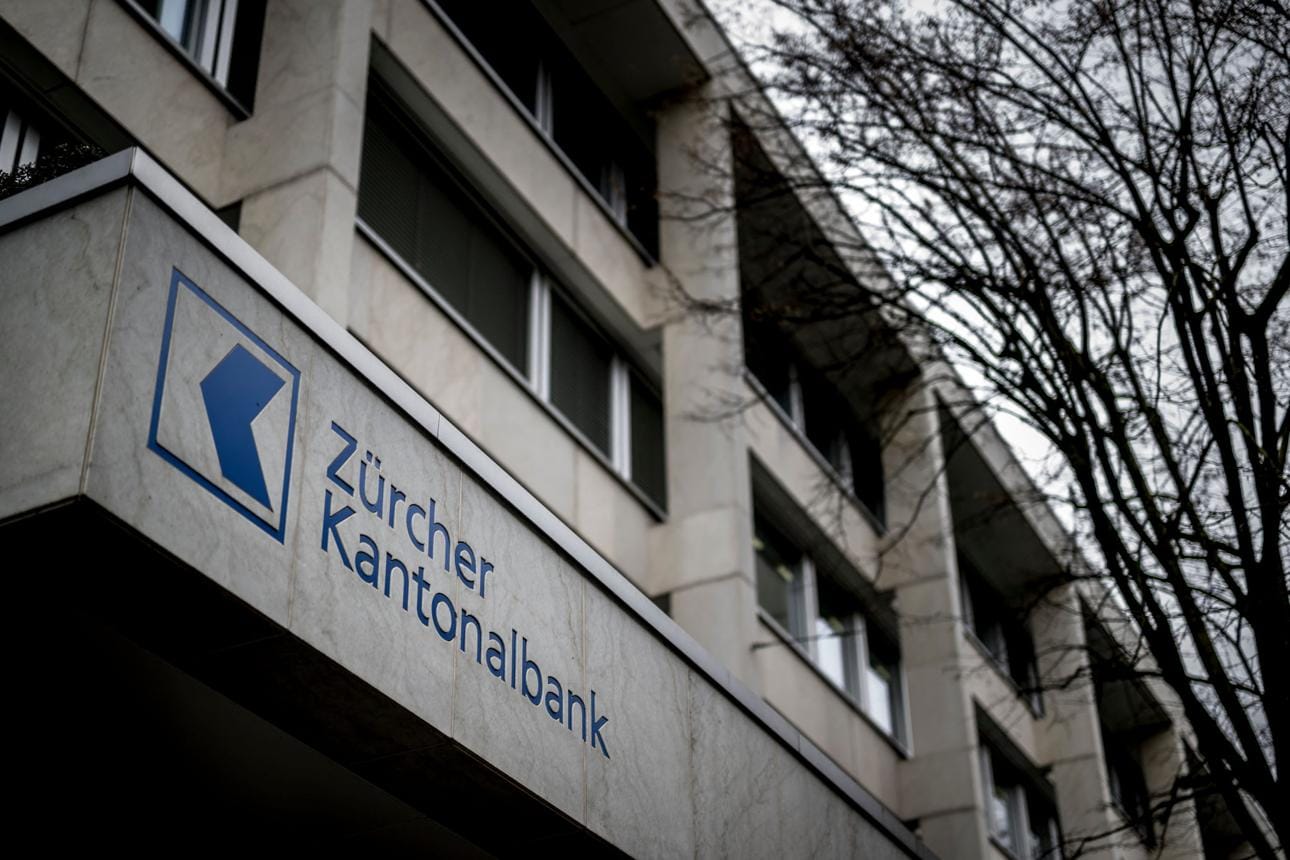
Swiss Cantonal Banks Hold More Capital Than Required

Swiss cantonal banks are holding substantially more equity capital than required by law, according to a new study by Zurich-based Independent Credit View (I-CV). The findings highlight the strong financial position of these regional institutions, even as public attention remains largely focused on major banks such as UBS.

The study reveals that Switzerland’s 24 cantonal banks have continued to expand steadily, with total assets growing by more than 3% annually. Combined, these banks now manage total assets worth approximately CHF839 billion, surpassing the CHF501 billion held by UBS’s Swiss business operations.

A bank’s total assets include customer deposits, investments, mortgages, and loans. As these figures increase, banks are generally expected to maintain sufficient capital reserves to absorb potential losses and ensure financial stability. According to the report, cantonal banks are maintaining capital buffers significantly above the minimum legal requirements.

Financial experts view these additional reserves as a sign of strength and resilience. Strong capital levels help banks withstand economic downturns, market volatility, and unexpected financial shocks. They also provide greater confidence for customers, investors, and regulators.

Despite their growing size and importance within the Swiss financial system, cantonal banks often receive less public scrutiny than global banking giants such as UBS. However, their collective balance sheet now represents a major component of Switzerland’s banking sector.

The report suggests that while the debate around banking regulations frequently focuses on systemically important institutions, cantonal banks have quietly built substantial financial safeguards over many years.

Analysts note that maintaining higher-than-required capital levels may help support long-term stability, particularly during periods of economic uncertainty. As Switzerland continues to strengthen its financial sector, cantonal banks remain a key pillar of the country’s banking and lending system.

The study also highlights the important role these institutions play in regional economic development by providing mortgages, loans, and financial services to households and businesses across Switzerland.


UBS Continues Job Cuts During Credit Suisse Merger.

UBS has reportedly eliminated several hundred additional jobs across Europe, the Middle East, and Africa as part of its ongoing integration of Credit Suisse. The latest workforce reductions mainly affect support roles, although some client advisory positions have also been impacted, according to media reports.

The Swiss banking giant has not officially confirmed the number of affected employees. However, UBS has consistently stated that it aims to reduce overlapping functions created by the acquisition of Credit Suisse while minimizing compulsory redundancies wherever possible.

A UBS spokesperson reiterated that workforce reductions will occur gradually over several years through natural staff turnover, early retirement programs, internal mobility, and the replacement of external contractors with internal employees. This approach was first outlined after UBS completed the historic takeover of Credit Suisse in 2023.

The bank’s latest financial results show that its workforce declined from 103,177 full-time positions at the end of 2025 to 101,594 by the end of March 2026. Industry analysts estimate that the total workforce could eventually fall to around 80,000 employees as integration efforts continue.

Since acquiring Credit Suisse, UBS is believed to have reduced approximately 17,500 positions globally. In Switzerland alone, the bank previously announced plans for around 3,000 job reductions as part of the merger process.

UBS Chief Executive Officer Sergio Ermotti stated earlier this year that most of the planned Swiss job cuts are expected during the second half of 2026 and early 2027. The reductions are closely linked to the completion of the migration of former Credit Suisse clients and operations onto UBS systems.

Despite the ongoing restructuring, UBS maintains that the integration remains on track and is focused on creating a stronger and more efficient global banking group. The merger continues to be one of the largest banking consolidations in Swiss financial history, with significant implications for employment and the future of the country’s banking sector.

Former Raiffeisen CEO Faces CHF1 Million Tax Penalty.

Former Raiffeisen Switzerland CEO Pierin Vincenz has reportedly been ordered to pay nearly CHF1 million in fines linked to tax evasion, according to reports published by Swiss newspaper SonntagsZeitung.

The report states that the Swiss Federal Supreme Court confirmed the sentence in a judgment that recently became legally binding. Swiss tax-related court proceedings are generally not public, which is why the case had remained largely unknown until now.

Authorities allege that Vincenz failed to declare approximately CHF3.4 million in taxable income. In addition to the financial penalty, he could also be required to pay significant backdated taxes.

During the proceedings, Vincenz denied the allegations against him.

The investigation reportedly began after tax authorities in Appenzell Ausserrhoden reviewed a criminal indictment connected to an ongoing case in Zurich and identified suspicious financial transactions.

In 2022, Vincenz and several associates were found guilty of fraud and embezzlement in a separate criminal case involving acquisitions made during his leadership at Raiffeisen. However, appeals against those convictions are still ongoing.

A February 2025 ruling by Switzerland’s highest court reportedly upheld parts of the earlier legal findings, making the latest tax penalty enforceable.

Vincenz continues to face legal scrutiny over accusations that he personally benefited from business deals conducted while serving as chief executive of Raiffeisen. Another appeal hearing in the broader case is expected to take place in August.

The case remains one of the most closely followed financial and corporate governance scandals in modern Swiss banking history.