Drought Conditions Continue Across Switzerland Despite Recent Rain

Switzerland continues to face persistent drought conditions even after recent rainfall, with water levels in many rivers and lakes remaining critically low across the Swiss Plateau.

According to hydrologist Manuela Brunner from the Institute for Snow and Avalanche Research (SLF), the recent precipitation has had only a limited impact. She described the rainfall as “a drop in the ocean,” highlighting the ongoing severity of the situation.

Water Levels Remain Below Average

Measurements show that water levels in several rivers and lakes on the Swiss Plateau have reached unusually low values, in some cases approaching record lows for this time of year.

Conditions in Alpine regions are slightly better compared to the lowlands, but even there, river flows remain below long-term seasonal averages.

Dry Spring and Low Snowpack Behind the Crisis

Experts point to the extremely dry months of April and May as the main reason for the ongoing drought. In addition, Switzerland experienced an unusually thin snowpack in the Alps during the winter season.

Normally, this period marks the peak of Switzerland’s flood season, when melting snow and heavy rainfall significantly increase river and lake levels. This year, however, the expected seasonal water surge has been significantly weakened.

In the Dischma Valley near Davos in eastern Switzerland, snow cover is reported to be roughly half of the long-term average, further contributing to reduced water runoff into rivers.

Environmental Concerns Growing

The continued low water levels raise concerns about agriculture, ecosystems, and water supply in affected regions. Experts warn that prolonged dry conditions could have wider impacts if the situation does not improve in the coming weeks.

Hydrologists continue to monitor the situation closely as Switzerland moves deeper into the summer season, when water demand typically increases.

Authorities and researchers stress that climate variability and changing precipitation patterns are increasingly influencing Switzerland’s water systems, making long-term monitoring and adaptation essential.

Swiss Post’s Self-Driving Taxis Set to Carry Passengers From 2027

Switzerland is moving closer to a driverless transport future as Swiss Post’s PostBus division prepares to introduce self-driving taxis for passenger use from 2027.

The Federal Roads Office (FEDRO) has granted PostBus Switzerland a special permit to operate autonomous vehicles in eastern Switzerland. While the vehicles are already in operation, safety drivers are still present on board during the testing phase.

Pilot Area Across Eastern Switzerland

Since June 1, the self-driving “AmiGo” vehicles have been operating in a designated 80-square-kilometre test area covering parts of the cantons of St Gallen, Appenzell Outer Rhodes, and Appenzell Inner Rhodes.

In this phase, safety drivers are allowed to take their hands off the steering wheel under controlled conditions, which is why the service is described as “hands-free” operation.

Full Driverless Operation Planned

PostBus Switzerland plans to begin regular passenger operations in 2027, with up to 25 fully autonomous vehicles operating without safety drivers.

The initiative marks a major step in Switzerland’s development of automated mobility systems and smart transport infrastructure.

Collaboration With Global Tech Partners

The “AmiGo” project is being developed in collaboration with Apollo Go, the robotaxi unit of Chinese technology company Baidu. The vehicles are designed to operate at Level 4 autonomy, meaning they can handle most driving tasks independently under defined conditions.

A central control centre will monitor all journeys in real time and can intervene remotely if necessary to ensure passenger safety.

Advancing Switzerland’s Transport Innovation

Swiss authorities see autonomous transport as a key part of the country’s future mobility strategy, improving efficiency and expanding public transport access in both urban and rural regions.

The pilot program is also expected to provide valuable data for future expansion of driverless services across Switzerland.

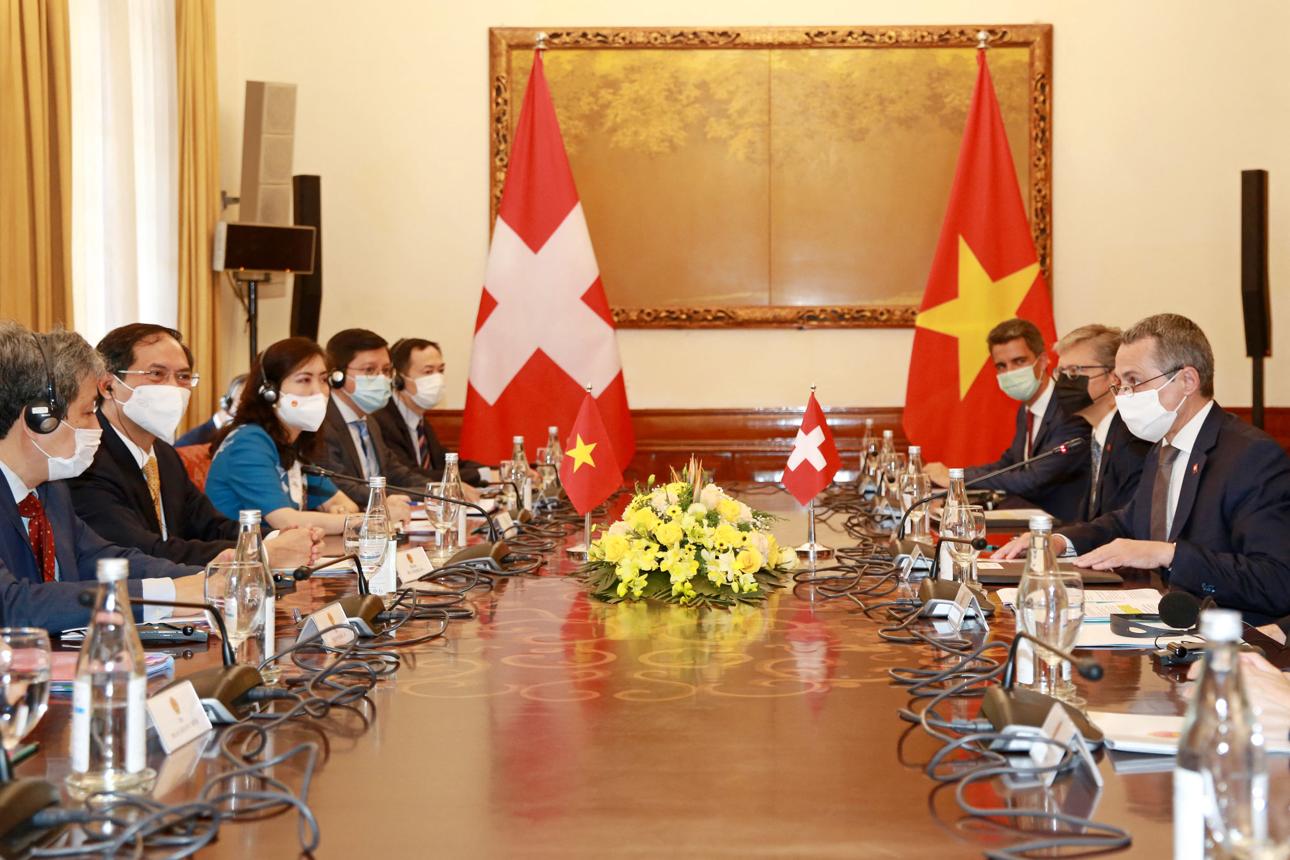
Switzerland Set to Forge Closer Strategic Ties With Vietnam

The Swiss government is moving to strengthen its relationship with Vietnam through a broad partnership covering politics, trade, research, and innovation.

According to an official statement released on Friday, Switzerland intends to place cooperation with Vietnam on a more structured and long-term footing under its Southeast Asia Strategy 2023–2026. As part of this strategy, Vietnam has been designated as a “priority partner country” in the region.

Expanding Political and Economic Cooperation

The new partnership aims to deepen political dialogue and expand economic relations between the two countries in a sustainable and coordinated manner. Swiss authorities emphasized that the initiative reflects Vietnam’s growing international importance and the increasing volume of trade between the two nations.

A key element of the strategy is support for ongoing negotiations between the European Free Trade Association (EFTA) and Vietnam. Switzerland also aims to modernize its existing investment protection agreement with the Southeast Asian nation to improve legal and economic frameworks for businesses.

Focus on Innovation and Sustainability

Beyond trade, Switzerland plans to enhance cooperation with Vietnam in education, science, research, innovation, and technology. The partnership will also promote collaboration in areas such as digital transformation, intellectual property, sustainable finance, renewable energy, and infrastructure development.

Swiss officials highlighted that these sectors are central to both countries’ long-term development goals and economic competitiveness.

Strengthening Global Cooperation

The declaration also outlines increased cooperation at multilateral and regional levels, including within the United Nations, ASEAN, and La Francophonie. Both Switzerland and Vietnam reaffirmed their commitment to a rules-based international order and stronger global multilateralism.

The two countries also plan to work together on shared global challenges, including regional security, economic resilience, and sustainable development.

Strategic Importance of the Partnership

The Swiss government stated that this enhanced cooperation reflects Vietnam’s rising economic significance and Switzerland’s interest in strengthening its presence in Southeast Asia.

Regular high-level political consultations are expected to maintain momentum and ensure continued progress across all areas of cooperation.

Swiss Government Covers Security Costs for Donald Trump Jr.’s Zurich Visit

The Swiss federal government has confirmed that it covered the security costs associated with Donald Trump Jr.’s private visit to Zurich in early June, although officials have declined to reveal the exact amount spent on the operation.

Donald Trump Jr., the son of US President Donald Trump, attended a private business gathering held at the historic Zunfthaus zur Saffran in Zurich. The closed-door event brought together around 70 guests from the worlds of business and politics and was followed by a private dinner.

The meeting was organized by the Davos Lodge networking platform and attracted significant attention due to the extensive police presence deployed around the venue.

Large Security Operation in Zurich

According to Zurich City Police, the entire cost of the security operation was charged to the Federal Office of Police (Fedpol). Authorities confirmed that the city police acted under instructions from Fedpol and served as the operational force responsible for implementing the security measures.

The scale of the police deployment has raised public questions about who should bear the costs of protecting high-profile visitors attending private events in Switzerland.

Who Pays for Security?

Fedpol explained that, in principle, private organizers are generally responsible for covering security costs when they invite individuals who require special protection.

However, exceptions can be made when an event is considered to have significant importance for Switzerland’s international relations or economic interests. In such cases, cantonal authorities may apply for reimbursement from the federal government.

Officials did not clarify under which specific criteria the Zurich event qualified for federal funding.

Cost Remains Confidential

Neither Fedpol nor Zurich City Police have disclosed the total cost of the operation. Authorities stated that releasing detailed figures could reveal sensitive information about security planning and operational procedures.

As a result, the exact amount paid by Swiss taxpayers for the security arrangements remains unknown.

Political and Public Interest

The visit has sparked debate over public funding for security at private events involving internationally prominent figures. Supporters argue that ensuring safety for high-profile guests is necessary, while critics question whether public resources should be used for privately organized meetings.

The issue is likely to continue attracting attention as Switzerland balances security obligations, public transparency, and the hosting of influential international visitors.

Switzerland Advances Hezbollah Ban as Hamas Restrictions Expand.

Switzerland is moving forward with plans to ban the Lebanese group Hezbollah while also extending its existing ban on Hamas from five years to ten years. The latest measures mark a significant development in Swiss security and counterterrorism policy.

The Swiss government announced on Friday that it has launched a consultation process on a draft law that would officially prohibit Hezbollah activities in Switzerland. The move follows a directive from parliament, which approved motions targeting both Hamas and Hezbollah at the end of 2024.

The consultation period will remain open until October 5, allowing political parties, organizations, and other stakeholders to provide feedback before the legislation moves forward.

Hamas Ban Set for Extension

The ban on Hamas has been in force in Switzerland for the past year. Under the new proposal, the duration of the restriction would be extended from five years to ten years.

Swiss authorities previously justified the Hamas ban by citing the unprecedented terrorist attacks carried out against Israel on October 7, 2023. The government described the measure as an exceptional response to extraordinary circumstances.

Switzerland Balances Security and Neutrality

The Swiss government has repeatedly stated that organization bans should remain rare exceptions. Officials have expressed concerns that creating formal lists of prohibited groups could affect Switzerland’s traditional role as a neutral mediator in international conflicts.

Switzerland has long been known for facilitating dialogue between opposing parties and hosting peace negotiations. According to the government, maintaining that diplomatic role remains an important consideration when introducing such measures.

Parliament Calls for Action Against Hezbollah

Despite reservations about expanding organizational bans, the government stated that it is legally required to implement parliament’s decision regarding Hezbollah.

Lawmakers voted in favor of banning the Lebanese group alongside Hamas, arguing that stronger legal tools are necessary to address security concerns and prevent support activities linked to militant organizations.

The outcome of the consultation process will determine the final structure of the legislation before it is presented for formal approval.

Why This Matters

The proposed Hezbollah ban and extension of the Hamas prohibition reflect Switzerland’s evolving approach to national security while attempting to preserve its international reputation for neutrality and mediation. The decisions could have implications for Swiss foreign policy, security cooperation, and future counterterrorism measures.

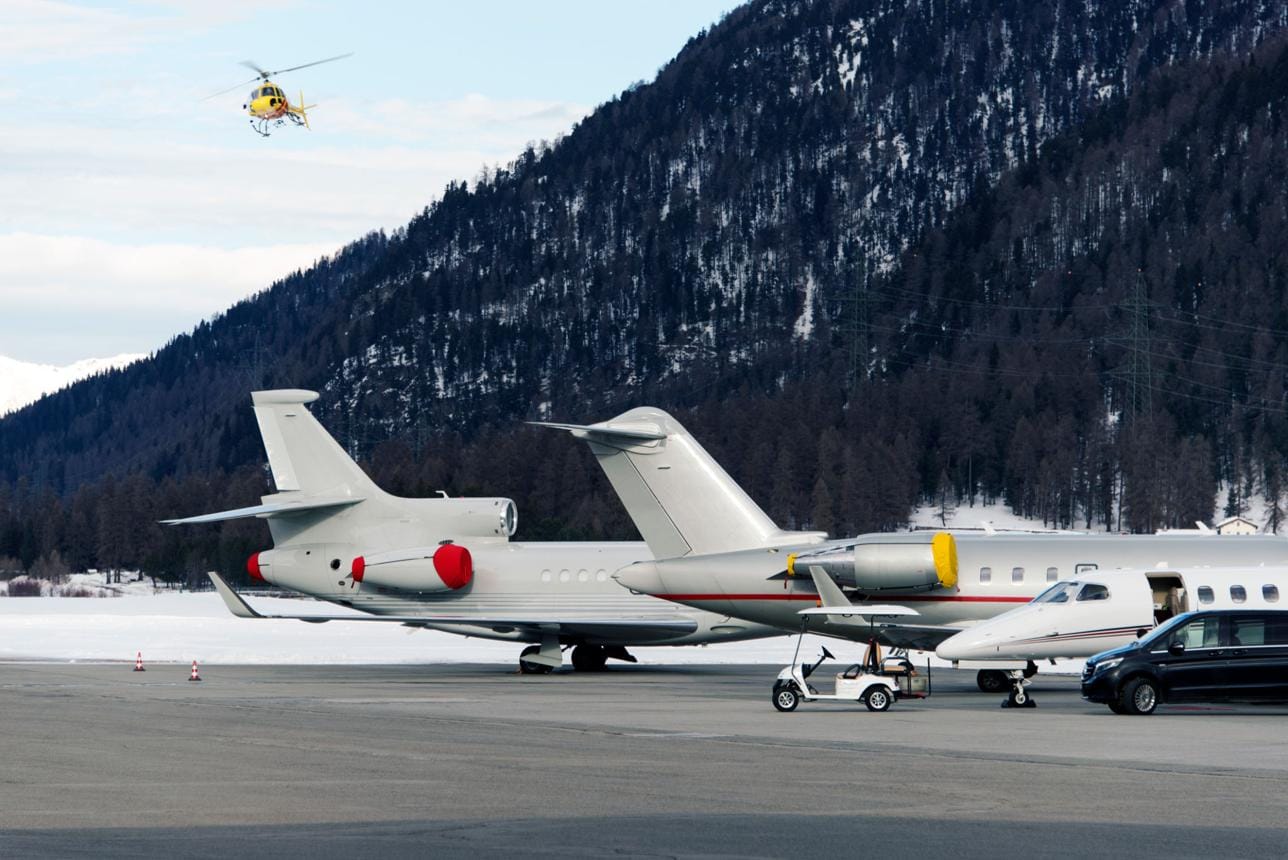
Swiss Government Ministers Spent More Time in the Air During 2025

Members of the Swiss government increased their use of aircraft and helicopters in 2025, recording significantly more flight hours than the previous year.

According to figures released by the Federal Air Transport Service, the seven members of the Federal Council accumulated a total of 704 flight hours during 2025. This represents an increase of 104 hours compared with 2024, when government ministers spent approximately 600 hours in the air.

The latest data shows that flight activity rose by around 17.5% year-on-year. Of the total flight time recorded in 2025, approximately 39 hours were classified as empty flights.

Most official journeys were completed using airplanes, while helicopter operations accounted for less than 14% of total flight hours. Helicopter usage increased only slightly compared with the previous year.

Foreign Minister Ignazio Cassis recorded the highest number of flight hours among government members. He spent approximately 212 hours travelling by air as part of his diplomatic responsibilities, which require frequent international visits and meetings with foreign leaders.

Economics Minister Guy Parmelin ranked second, with more than 146 hours of official air travel throughout the year.

Finance Minister Karin Keller-Sutter came third with 128 flight hours. During 2025, she also served as Switzerland’s rotating president, a role that involved additional international engagements and official duties.

The increase in flight activity comes despite ongoing discussions in Switzerland regarding sustainable travel and efforts to reduce environmental impacts associated with official government transport.

Swiss authorities continue to balance the need for international diplomacy, economic cooperation, and governmental responsibilities with broader environmental and sustainability goals.

The figures highlight the significant travel demands placed on senior Swiss officials, particularly those responsible for foreign affairs, economic relations, and international representation.

Switzerland Protects National Language Learning.

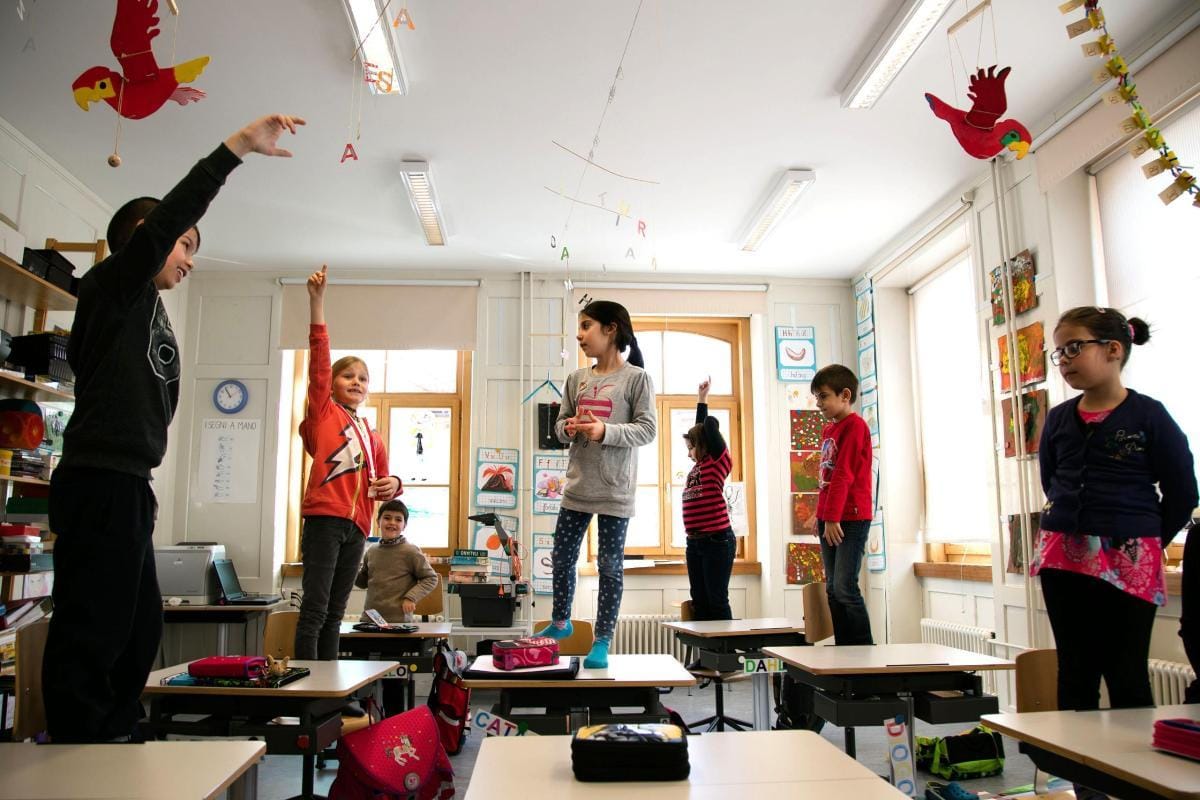
The Swiss government wants to ensure that all primary school pupils continue learning a second national language as part of compulsory education. The move comes in response to proposals in some German-speaking cantons to reduce or remove early French lessons from school timetables.

On Friday, the government launched a public consultation on amendments to the Language Act. The proposed changes would give federal authorities the power to enforce the teaching of a second national language if necessary.

According to the government, maintaining national language education is essential for Switzerland’s unity and cultural identity. Officials emphasized that the status of national languages in compulsory education is a matter of national importance.

Two options have been presented during the consultation process. The first option would require all primary school pupils to study two foreign languages: a second national language and English. This model follows the Harmos Agreement, which has already been adopted by 15 of Switzerland’s 26 cantons.

The second option offers greater flexibility to cantons. Under this proposal, pupils would still be required to learn a second national language, but it could be taught at any stage from primary school through the end of compulsory education.

The debate has intensified following discussions in parts of German-speaking Switzerland about reducing the role of French in primary education. Supporters of national language teaching argue that learning French, German, Italian, or Romansh helps strengthen national cohesion and mutual understanding between linguistic regions.

Education experts also point out that multilingualism remains one of Switzerland’s defining characteristics and a key advantage for future generations in an increasingly interconnected world.

The consultation period will remain open until October 5, after which the government will evaluate feedback before deciding on the next steps.

If approved, the legislative changes would reinforce Switzerland’s commitment to multilingual education and help preserve the country’s unique linguistic diversity for future generations.

Switzerland Pursues Direct Train Connection to London

Switzerland is moving forward with plans to establish a direct rail connection to London, aiming to make travel between the two countries faster and more convenient. The Swiss government believes the project has significant potential, but several major challenges must be addressed before the service becomes a reality.

During a recent discussion, the Swiss government reviewed the key obstacles linked to the proposed railway connection. Officials acknowledged that while demand for direct international rail travel is growing, the project requires extensive planning and international cooperation.

One of the main issues is determining which Swiss railway stations will be included in the future route. Authorities must carefully evaluate passenger demand, infrastructure capacity, and operational requirements before making a final decision.

Another challenge involves border controls. Since the United Kingdom is not part of the Schengen Area, passengers would need to undergo immigration checks before departure and upon arrival. According to the government, entry procedures for the UK would likely need to be carried out in Switzerland before boarding the train.

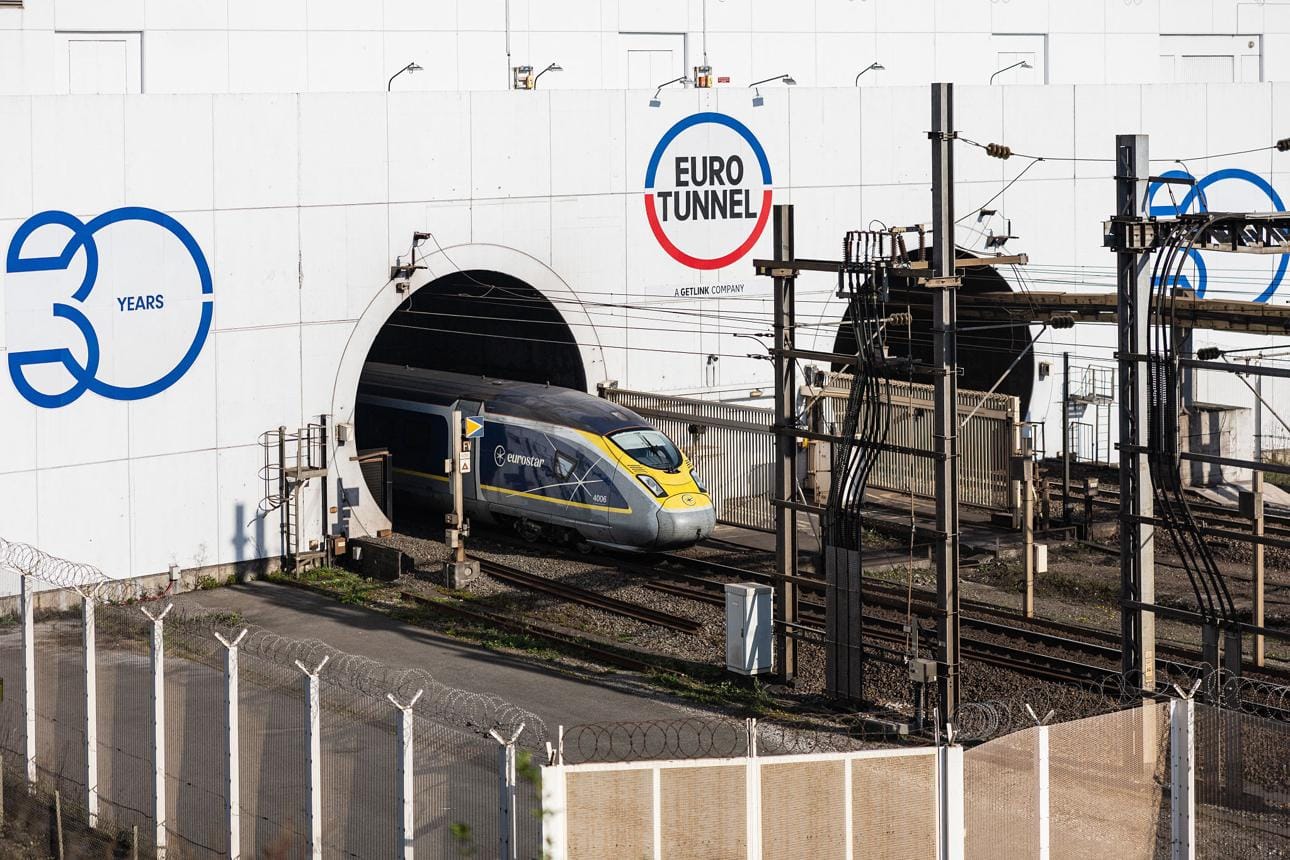
Security regulations also present an additional hurdle. Trains travelling through the Eurotunnel are subject to strict security requirements that exceed those applied to many other international rail services. As a result, additional screening and control measures would be necessary.

The Swiss government noted that existing international agreements may need to be expanded or amended to allow Switzerland to participate fully in border and security procedures required for direct rail services to London.

Despite these challenges, officials remain optimistic about the long-term benefits of the project. A direct train route could strengthen economic ties, improve tourism, and provide travellers with a sustainable alternative to air travel.

If successful, the connection would mark a significant milestone in European rail transport and further enhance Switzerland’s role as a key hub in the continent’s railway network.