

WHO Reports Decline in Suspected Ebola Cases in DR Congo.

The World Health Organization (WHO) has reported a significant drop in suspected Ebola cases in the Democratic Republic of Congo (DRC), as improved testing has ruled out many earlier alerts.

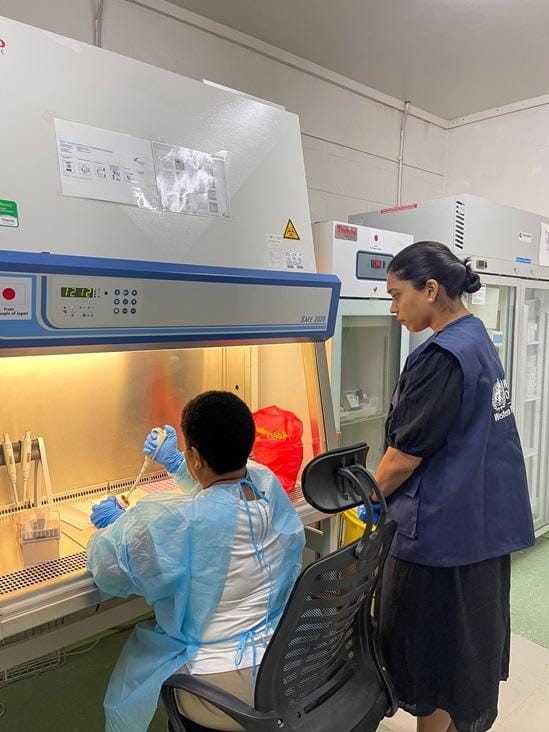
According to the latest update, the number of suspected cases has fallen to 116, compared with more than 900 reported just days earlier. Many of the previously suspected patients tested negative for Ebola and were found to have other illnesses or non-Ebola-related fevers.

Despite the decline in suspected cases, the outbreak remains serious. The WHO confirmed 321 total cases and 48 deaths in the country so far, while six patients have recovered. Health authorities continue to closely monitor the situation to prevent further spread.

In neighboring Uganda, officials have confirmed nine cases and one death. The country has temporarily closed its border with the DRC as a preventive measure. However, global health experts, including the WHO, caution against broad travel restrictions, stating that only infected individuals and direct contacts should face movement limitations.

The International Organization for Migration (IOM) warned that border closures could worsen the situation by pushing people to cross unofficially, making health screening more difficult and increasing the risk of undetected transmission.

Health agencies continue to emphasize surveillance, testing, and targeted containment as the most effective tools to control the outbreak.

WHO Warns Ebola Outbreak Is Spreading Rapidly in DRC.

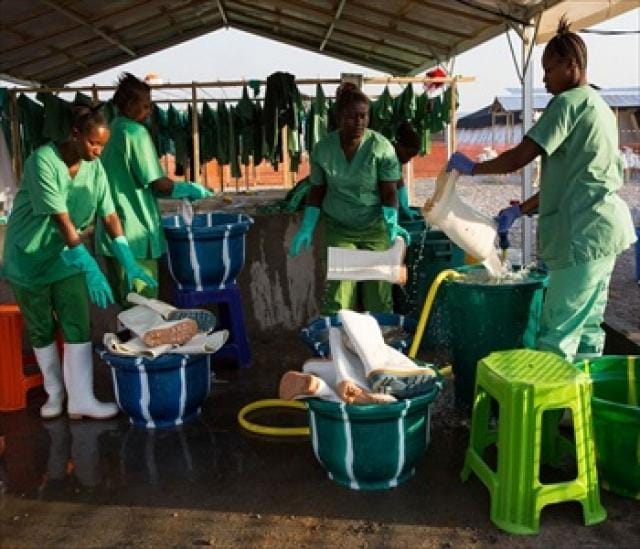
The World Health Organization has issued a strong warning that the Ebola outbreak in the Democratic Republic of Congo is spreading rapidly, with a growing number of suspected cases and deaths reported across affected regions.

According to WHO Director-General Tedros Adhanom Ghebreyesus, nearly 750 suspected cases and 177 suspected deaths have been recorded so far, while 82 infections have been laboratory confirmed. He stated that the situation in the DRC is “much more serious” than initially understood.

The outbreak continues to raise international concern as health authorities struggle to contain the spread in conflict-affected areas. Violence and insecurity in eastern Democratic Republic of the Congo are significantly hampering response efforts, making it difficult for medical teams to reach affected communities.

In neighboring Uganda, officials report a more stable situation, with only two confirmed cases and one death so far.

Global attention has also increased after reports that an American citizen tested positive for Ebola, while another high-risk contact was transferred to the Czech Republic for monitoring and treatment.

The International Federation of Red Cross and Red Crescent Societies (IFRC) stated that while the outbreak could still be contained, the coming days will be critical in determining whether it can be controlled or escalates further.

Health experts continue to emphasize the importance of rapid response, contact tracing, and safe medical support to prevent further spread of the virus.

WHO Declares Ebola Outbreak a Global Health Emergency

World Health Organization (WHO) has officially declared the ongoing Ebola outbreak in the Democratic Republic of the Congo an international public health emergency after the rapid spread of a highly dangerous virus strain.

WHO Director-General Tedros Adhanom Ghebreyesus announced that the outbreak now qualifies as a Public Health Emergency of International Concern (PHEIC), the organization’s second-highest global alert level.

Health officials confirmed that the outbreak is linked to the Bundibugyo variant of Ebola, a strain for which there is currently no approved vaccine available.

The outbreak is mainly affecting Ituri province in northeastern Congo, where laboratory testing has already confirmed several infections. WHO data released on May 16 reported at least eight confirmed cases, alongside hundreds of suspected infections and dozens of suspected deaths.

The virus has also spread beyond the immediate outbreak zone. Authorities confirmed another case in Kinshasa and a death in Kampala, Uganda, involving travellers who had recently returned from the affected region.

According to the Africa Centres for Disease Control and Prevention (Africa CDC), at least 88 deaths are believed to be linked to the outbreak among more than 300 suspected cases reported so far.

Health experts warn that the situation is especially concerning because many affected areas are remote and difficult to access. Limited laboratory testing capacity means that many infections remain classified as suspected cases rather than officially confirmed.

Ebola is one of the world’s deadliest infectious diseases and causes severe haemorrhagic fever with high fatality rates. Although vaccines and treatments exist for some Ebola strains, they are not effective against the Bundibugyo variant currently spreading in Congo.

WHO has urged governments, healthcare workers, and international organizations to strengthen monitoring systems, improve emergency response measures, and support affected communities to prevent the outbreak from escalating further.

Global health authorities continue to monitor the situation closely amid fears that cross-border transmission could increase if containment efforts fail.