


Swiss Old-Age Pension Payments Hit Record High.

Switzerland has reported a record rise in old-age pension payments, reflecting the country’s steadily ageing population. According to the Federal Social Insurance Office, a total of 2.64 million old-age pensions were paid out last year, marking a 1.6% increase compared to the previous year.

The data shows that Switzerland continues to experience a consistent rise in pension recipients. In the previous year, the number of beneficiaries had already increased by around 1.8%, adding approximately 44,000 new pensioners. In the latest reporting period, a further net increase of about 40,400 people was recorded.

By the end of 2025, the Swiss pension system was paying out a total of around 2.91 million pensions, including old-age pensions as well as widows’, widowers’, and orphans’ benefits. Notably, around one-third of these pensions are being paid to individuals living outside Switzerland, highlighting the global nature of Swiss retirement distribution.

Despite the growing number of beneficiaries, the Swiss pension system remained financially stable. It closed the year with a surplus, as total income exceeded expenditure by CHF1.8 billion. When investment income is included, the overall operating result reached CHF4.4 billion, although this was lower than the CHF5.6 billion recorded the previous year.

The continued growth in pension payouts reflects demographic changes in Switzerland, where an ageing population is placing increasing pressure on long-term social insurance systems. Policymakers continue to monitor sustainability measures to ensure that future generations receive stable retirement support.

The report has sparked renewed discussion about retirement planning, cost of living for pensioners, and the financial balance of Switzerland’s public pension system.
Migrants Essential for Switzerland’s Pension System, Minister Says

Elisabeth Baume-Schneider has stated that migrant workers play a crucial role in sustaining Switzerland’s public pension system. Speaking in a recent media interview, the minister responsible for social insurance highlighted the importance of immigration in maintaining the financial stability of the country’s pension scheme.

According to Baume-Schneider, many residents in Switzerland receive more in pension benefits than they contribute during their working years. This imbalance makes the contributions of foreign workers essential to keeping the system financially balanced. She emphasized that migrant workers typically pay more into social insurance programs than they withdraw in benefits.

The minister’s remarks come amid ongoing political debate surrounding the “No to 10 million” immigration control initiative. The proposal, supported by Swiss People’s Party, argues that foreign nationals place a burden on Switzerland’s social welfare system.

However, Baume-Schneider strongly rejected this claim. She warned that Switzerland’s aging population is increasing rapidly, and without migrant workers actively participating in the labor market, it would become increasingly difficult to sustain the pension system in the long term.

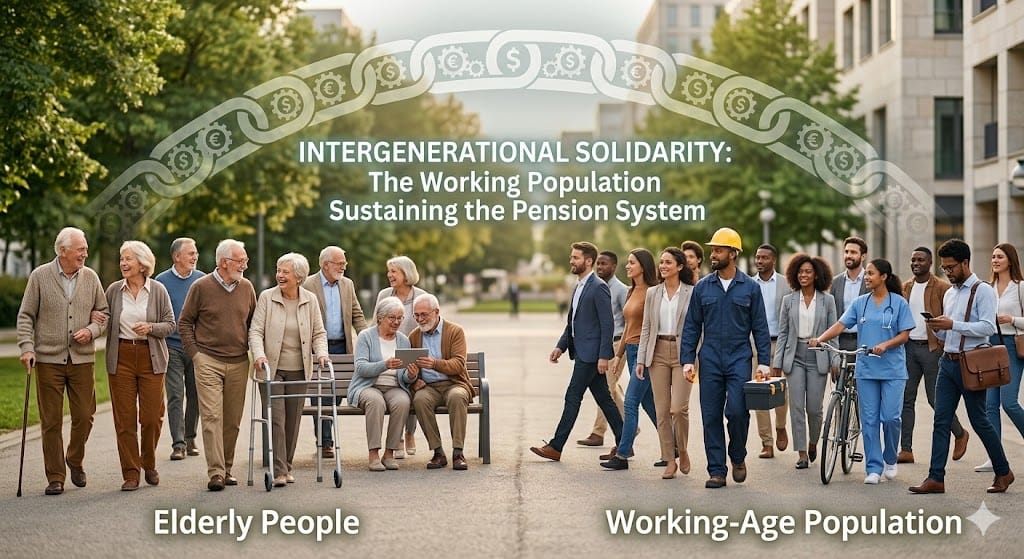
Switzerland’s AHV Pension System operates on a pay-as-you-go model, where current workers fund the pensions of retirees. In this system, a steady and sufficient workforce is critical to ensure continuous payments. The minister stressed that immigration remains a key factor in maintaining this balance.

This issue has become a central topic in Switzerland’s economic and political discussions, as the country seeks to balance demographic challenges with sustainable social security policies. The outcome of the ongoing debate will significantly influence the future of Switzerland’s pension system and immigration strategy.