Swiss Vote on 10 Million Population Cap Plan.

Swiss voters are set to decide next month on a controversial initiative that proposes capping the country’s population at 10 million, sparking intense debate across the nation.

The proposal, which is widely seen as an anti-immigration measure, has divided public opinion in Switzerland, a country known for its strong economy, high living standards, and reliance on foreign labor.

Supporters argue that limiting population growth is necessary to protect infrastructure, housing availability, and environmental sustainability. They believe rapid population increases are placing pressure on transport systems, public services, and urban development.

Opponents, however, warn that such a cap could severely damage Switzerland’s economy, which depends heavily on skilled foreign workers across industries such as healthcare, technology, and finance. Critics also argue that the initiative could harm Switzerland’s international reputation and labor market stability.

The referendum highlights growing tensions in Swiss politics over immigration, demographic change, and national identity. Similar debates have previously shaped policy discussions within Switzerland, which regularly holds referendums on major national issues.

If approved, the measure could have long-term implications for immigration policy, labor supply, and Switzerland’s economic growth model.

The vote is expected to be closely watched both domestically and internationally, as it reflects broader European debates on migration and population control.


Hantavirus Case Confirmed in Switzerland After Luxury Cruise Outbreak

Hantavirus infection has now been confirmed in Switzerland after a Swiss passenger who travelled on the luxury cruise ship MV Hondius tested positive for the virus.

The passenger had been travelling on the expedition cruise from Argentina toward Cape Verde when several passengers and crew members reportedly became infected.

Authorities confirmed that three people connected to the outbreak have already died, raising international concern over the rare virus outbreak aboard the vessel.

After returning to Switzerland, the Swiss passenger developed symptoms and later tested positive for hantavirus following medical examinations.

The patient is currently receiving treatment at University Hospital Zurich, where he was immediately isolated as a precautionary measure.

Officials also confirmed that the patient’s wife has voluntarily entered self-isolation, although she has not shown symptoms of the virus.According to Swiss health authorities, the current risk to the public remains low, and there is no immediate danger to the Swiss population.

Health experts explained that hantavirus infections are relatively rare in Switzerland and are most commonly linked to exposure abroad.

The outbreak aboard the MV Hondius has attracted international attention after multiple passengers from different countries became infected during the long expedition cruise.

Authorities continue to monitor the situation closely while investigations into the spread of the virus remain ongoing.

Man Fined in Switzerland After Frightening Horses in Zurich Oberland

A man in Switzerland has reportedly received a fine after frightening horses in the Zurich Oberland region in a bizarre incident that injured one of the animals.

According to reports, several horses were peacefully grazing in a field when the man appeared wearing a horse costume and started dancing in front of them.

The unexpected behaviour reportedly frightened the horses, causing them to panic and run in different directions.

During the chaos, one horse attempted to jump over a fence but fell badly and suffered a broken leg.

Authorities later investigated the incident and imposed a fine on the individual for causing distress and injury to the animals.

The unusual case has attracted significant public attention across Switzerland and sparked discussions about animal welfare and irresponsible public behaviour.

Animal experts say horses are highly sensitive animals that can easily become frightened by sudden movements, loud sounds, or unusual appearances.

Swiss animal protection laws are considered among the strictest in Europe, and authorities can impose penalties when actions unnecessarily endanger or stress animals.

The incident also serves as a reminder for the public to act responsibly around animals and avoid behaviour that could put their safety at risk.

Last Swiss Victim of Crans-Montana Fire Set to Return Home

Only one Swiss national injured in the devastating Crans-Montana fire tragedy remains hospitalised abroad and is expected to return to Switzerland next week, according to Swiss authorities.

The tragic fire at the Le Constellation bar on New Year’s Eve claimed the lives of 41 people and left 115 others injured, making it one of Switzerland’s deadliest recent disasters.

Swiss officials confirmed that 38 victims are still receiving specialist medical treatment or remain hospitalised in Switzerland.

The Federal Office for Civil Protection (FOCP) announced that it will no longer publish weekly updates on the number of hospitalised victims linked to the tragedy.

According to the FOCP, the primary purpose of collecting nationwide injury data was to coordinate medical repatriations and manage hospital capacity across Switzerland.

Authorities stated that this process has now largely been completed, reducing the need for ongoing public reporting.

The latest available figures showed that six victims were receiving treatment at Lausanne University Hospital (CHUV), while four others remained under care in Zurich hospitals.

The fire disaster deeply shocked Switzerland and triggered national mourning, particularly within the Crans-Montana community and among families affected by the tragedy.

Investigations into the cause of the fire and safety conditions at the venue continue as authorities work to prevent similar incidents in the future.

The return of the final Swiss patient marks an important moment in the country’s long recovery process following the devastating incident.

Switzerland Plans Real-Time Tracking for Domestic Violence Offenders.

Switzerland is preparing to strengthen its response to domestic violence by introducing real-time electronic monitoring systems for offenders.

According to reports from 24 heures and Tribune de Genève, Canton Vaud plans to begin a pilot project during the second half of 2026.

Swiss authorities aim to implement a nationwide active monitoring system by 2027 through the Electronic Monitoring (EM) association, which includes 24 Swiss cantons.

Currently, most Swiss cantons use passive monitoring methods, where authorities review violations only after incidents occur. The new system will instead provide continuous, real-time supervision.

The initiative is being led by Vassilis Venizelos, president of the Electronic Monitoring association.

Under the proposed system, courts will define restricted safety zones around victims or protected locations. Offenders wearing electronic ankle bracelets will then be monitored through GPS geolocation technology.

If an offender enters a prohibited area, the system will immediately trigger an alert to a central monitoring center.

Authorities will first contact the offender and order them to leave the area. If the individual refuses to comply, police officers will intervene directly.

Supporters of the project say the new monitoring system could significantly improve victim protection and help prevent repeat domestic violence incidents.

Several cantons are expected to begin testing the technology in the coming months before broader implementation across Switzerland.

Swiss officials believe the initiative represents a major modernization of public safety measures and victim protection policies.

Monaco Fines UBS €6 Million Over Money Laundering Failures.

UBS has been fined €6 million by Monaco’s financial watchdog over serious failures linked to anti-money laundering and counter-terrorism financing controls.

The penalty was imposed by the Monegasque Financial Security Authority, which accused the Swiss banking giant’s Monaco subsidiary of multiple compliance breaches between 2018 and 2023.

According to the regulator, UBS failed to maintain effective internal controls and did not adequately meet legal obligations related to identifying high-risk clients and monitoring suspicious financial activity.

The AMSF stated that the repeated nature of the shortcomings demonstrated a broader failure within the institution’s compliance system.

Investigators found delays in reporting suspicious transactions and weaknesses in the preparation of the bank’s overall risk assessments.

The regulator also criticized UBS for failing to properly verify customer identities, income sources, and beneficial ownership structures — especially in complex corporate arrangements involving multiple ownership layers.

Authorities noted that more than half of UBS Monaco’s client base was classified as medium to very high risk, increasing the importance of strict compliance procedures.

The case highlights growing international pressure on major financial institutions to strengthen anti-money laundering systems and improve transparency in global banking operations.

Switzerland’s banking sector has faced increased scrutiny in recent years regarding financial crime prevention, transparency standards, and international regulatory compliance.

The fine adds to broader concerns across Europe about illicit financial flows, hidden ownership structures, and the role of global banks in preventing money laundering activities.

Italian Ambassador Defends Diplomacy During Crans-Montana Fire Dispute.

The Italian ambassador to Bern has defended his diplomatic approach after criticism from Swiss Foreign Minister Ignazio Cassis during tensions linked to the deadly Crans-Montana fire tragedy.

Italian ambassador Gian Lorenzo Cornado stated in an interview with the newspaper Neue Zürcher Zeitung that he openly expresses his views as part of his diplomatic style.

“I speak my mind, that’s my style,” Cornado said while responding to criticism surrounding the handling of the bilateral dispute.

The diplomatic disagreement emerged following a fatal New Year’s Eve fire in Crans-Montana that reportedly killed 41 people and injured more than 100 others, including several Italian citizens.

Tensions increased after Italian authorities objected to Swiss hospital invoices being sent to Italian victims and their families following the disaster.

According to Cornado, he acted in line with the expectations of the Italian government and Prime Minister Giorgia Meloni, who requested special attention to the hospital billing issue.

Earlier, Ignazio Cassis criticized the ambassador during an interview with Ticinonews, saying the prolonged public discussions had worsened the situation instead of helping calm relations between the two countries.

Meanwhile, Guy Parmelin assured that similar problems would not happen again and confirmed that Swiss authorities are reviewing legal procedures related to cross-border medical billing.

Cornado later indicated that both sides are now close to reaching a solution and described ongoing discussions as positive.

The incident has drawn wider attention to diplomatic coordination, emergency response procedures, and international healthcare cost management following cross-border tragedies in Europe.

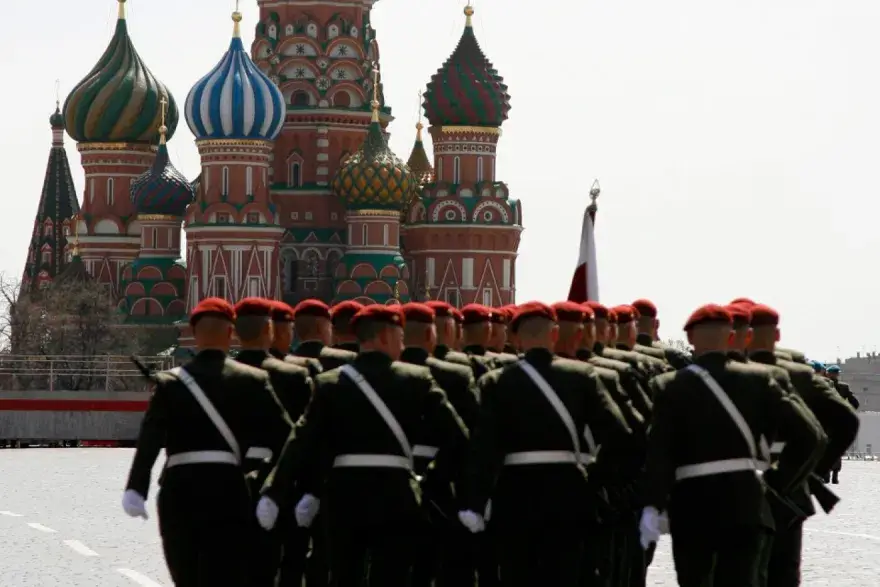
Russian Exiles Warn of Kremlin Victory Day Propaganda in Switzerland.

Russian exile groups in Switzerland have warned that upcoming Victory Day events linked to Russia may be used to spread Kremlin propaganda and political influence across Europe.

The concerns focus on “Immortal Regiment” rallies scheduled to take place in Geneva and Basel during Russia’s Victory Day commemorations.

According to the exile organization Russia of the Future – Switzerland, the original remembrance movement has been transformed into a political tool connected to Russian state messaging.

The group stated that what initially began as a civil society initiative to honor relatives who died during the Second World War has now been “completely appropriated by the Kremlin.”

Exiled activists argue that the events are increasingly being used to justify Russia’s actions in Ukraine and promote narratives aligned with Russian state ideology.

The association further warned that some participants often display symbols such as the St George’s Ribbon, which critics say has become associated with Russian military aggression and the war in Ukraine.

The debate highlights growing concerns across Europe regarding foreign influence operations, political symbolism, and propaganda activities linked to geopolitical conflicts.

Switzerland has faced increasing scrutiny in recent years over misinformation campaigns, cyber threats, and international political influence activities connected to the ongoing tensions between Russia and Western nations.

Authorities have not announced any bans on the planned gatherings, but security and political discussions surrounding such events continue to intensify throughout Europe.

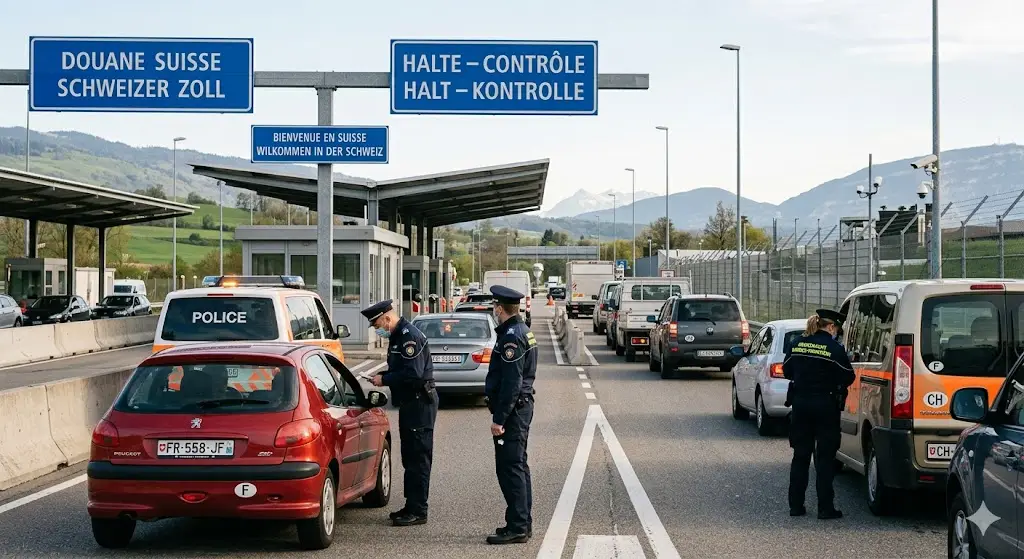
Switzerland Reintroduces French Border Checks for G7 Summit

Switzerland will temporarily reintroduce border checks along parts of its border with France ahead of the upcoming G7 Summit 2026 in Évian.

The Swiss government confirmed on Wednesday that the temporary controls will remain in effect from June 10 to June 19 as part of heightened security measures surrounding the summit.

Although the G7 meeting will take place in Évian, Swiss authorities stated that nearby regions including Geneva, Lausanne, and the wider Lake Geneva area face increased security risks during the international gathering.

Officials noted that previous G7 summits have sometimes resulted in violent protests, acts of sabotage, public disorder, and property damage. Authorities also highlighted concerns linked to the current geopolitical climate and the large concentration of international organizations based in Geneva.

The request to temporarily restore border controls was submitted by the Canton of Geneva, reflecting growing concerns about public safety and regional security during the summit period.

The G7 Summit is scheduled to take place from June 15 to June 17, bringing together leaders from major industrialized nations to discuss global political, economic, and security issues.

Swiss authorities are expected to increase police presence and strengthen monitoring around border crossings, transportation hubs, and sensitive areas during the event.

Switzerland to Cover Hospital Bills for Crans-Montana Fire Victims

The government of Switzerland has confirmed that it will cover hospital treatment costs for Italian victims of the Crans-Montana fire, ensuring that families will no longer receive medical billing statements.

Swiss President Guy Parmelin announced the decision during an official visit to Rome, where he met Italian President Sergio Mattarella and Foreign Minister Antonio Tajani.

The discussions were described as open and constructive, focusing on improving cross-border cooperation and addressing concerns related to emergency medical billing for disaster victims.

Parmelin confirmed that Switzerland will handle any treatment costs not covered by insurance through its national victim support system. He also stated that the practice of sending hospital bill copies to victims’ families will be discontinued to prevent further distress.

Authorities from both countries will continue close coordination to ensure fair and compassionate handling of such cases in the future. Swiss officials emphasized that the priority is to provide support and dignity to those affected by the tragedy.

The decision comes as part of broader efforts to improve humanitarian response protocols in cross-border emergencies. Parmelin also noted that the Swiss Federal Council will align its procedures with existing legal frameworks while ensuring better communication between authorities.

During his visit, the Swiss President also attended preparations for the swearing-in ceremony of the Swiss Guard at the Vatican and is expected to meet Pope Leo XIV.