Swiss Flight LX155 Makes Emergency Return to Mumbai.

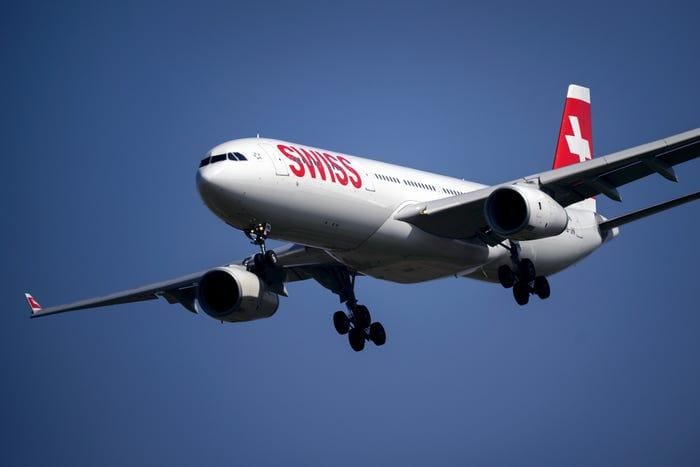
A Swiss International Air Lines flight Swiss International Air Lines carrying 231 passengers from Mumbai to Zurich was forced to return and make an emergency landing in Mumbai after a technical malfunction was detected mid-flight.

The Airbus A330 aircraft, operating as flight LX155, initially departed from Mumbai as scheduled. However, approximately two hours into the journey, pilots detected an electrical system fault that could not be resolved during flight.

As a precaution, the flight crew decided to divert the aircraft back to its departure airport in Mumbai. The aircraft had already flown for over five hours before finally returning.

Before landing, the plane was required to burn a significant amount of fuel for safety reasons. Since the Airbus A330 is not equipped with a fuel jettison system, the aircraft circled over the Arabian Sea for approximately 130 minutes at an altitude of nearly 4,000 meters.

During this time, the aircraft completed multiple holding patterns while safely reducing fuel levels to meet landing requirements. This procedure is standard in long-haul aviation safety operations when immediate landing conditions must be managed.

Following the fuel burn procedure, the aircraft successfully landed back at Mumbai airport without any reported injuries among passengers or crew members.

Authorities and airline engineers are expected to carry out a detailed technical inspection to determine the cause of the electrical system failure before the aircraft is cleared for future operations.

The incident highlights the strict safety protocols followed in international aviation, where passenger safety remains the highest priority even if it requires long delays and route disruptions.
Swiss Ski Resort Opens Europe’s Highest Habitable Tower at 3,020 Metres

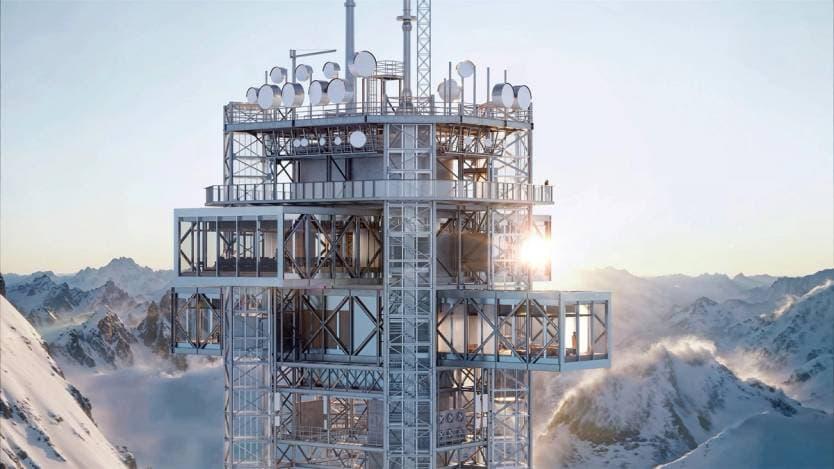
A major new attraction has opened in the Swiss Alps as the Engelberg ski resort in canton Obwalden unveiled the newly transformed Titlis Tower, now recognized as Europe’s highest habitable tower.

Located at an altitude of 3,020 metres above sea level, the tower was officially presented on Friday after three years of construction and redevelopment. The structure, originally built in the 1980s as a telecommunications transmission tower, has been converted into a modern visitor destination overlooking the spectacular Alpine landscape.

New Attraction on Mount Titlis

The Titlis Tower stands near the glacier area and close to the summit of Mount Titlis, one of Switzerland’s most popular mountain destinations. Visitors can access a viewing platform capable of accommodating up to 500 people, offering panoramic views of the surrounding Swiss Alps.

Entry to the observation platform will cost CHF 19.

Restaurant and Luxury Facilities

The tower also features two glass-enclosed luxury containers housing a 125-seat restaurant operated by an award-winning chef. In addition, visitors can explore a boutique luxury watch store and enjoy upgraded facilities including new lifts and stairways.

The CHF 150 million project was designed by renowned Swiss architects Herzog & de Meuron and aims to strengthen the region’s tourism appeal.

Respectful Opening

Officials confirmed that no official inauguration ceremony would be held. The decision was made out of respect for the victim of a fatal ski lift accident that occurred in the Engelberg ski area on March 18.

The attraction is scheduled to open to the public from Monday.

Future Development Plans

The Titlis cable car company has also announced plans to construct a new arrival station by 2029, replacing the existing facility located at the foot of the tower.

The project additionally involved a land exchange of approximately 1,500 square metres between the cantons of Obwalden and Bern, ensuring that the new infrastructure remains entirely within Obwalden territory.

With its record-breaking altitude and luxury visitor experience, the Titlis Tower is expected to become one of Switzerland’s most iconic mountain attractions.

Gotthard Tunnel Traffic Jam Reaches 20km

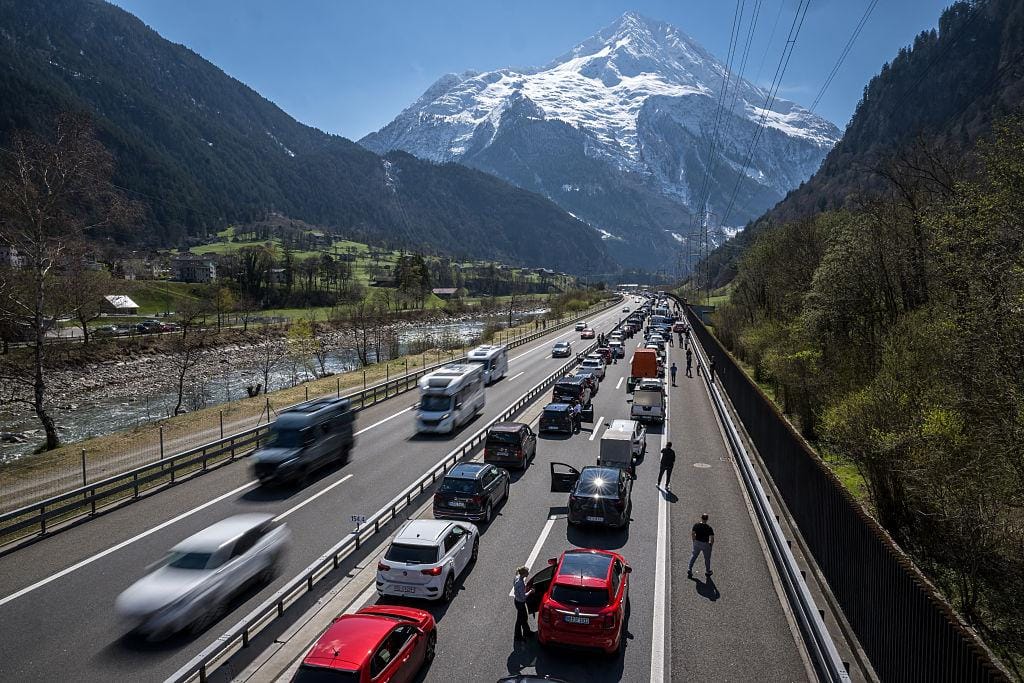
Heavy holiday traffic caused major congestion at Switzerland’s famous Gotthard Road Tunnel on Saturday, with the traffic jam at the northern entrance stretching to 20 kilometres by mid-morning.

According to the Touring Club Switzerland (TCS), drivers heading toward southern Switzerland faced delays of more than three hours and 20 minutes due to the severe congestion.

Traffic conditions worsened rapidly during the morning. In the early hours, the queue measured around 10 kilometres, but it doubled in length shortly before 10am as more vehicles entered the holiday travel routes during the Whitsun weekend.

Authorities also warned that alternative routes were experiencing heavy traffic. The A13 motorway via the San Bernardino Tunnel was already congested over a distance of approximately 17 kilometres.

The TCS advised travellers to consider diversions through the A9 Simplon route or use the Lötschberg car transport service to avoid the worst traffic conditions.

The Federal Roads Office (Astra) had already predicted exceptionally high traffic volumes during the long holiday weekend. Officials noted that the historic record at the Gotthard Tunnel remains 28 kilometres of congestion, recorded during the 2018 Whitsun period.

The Gotthard route is one of Europe’s most important north-south transport corridors and regularly experiences major congestion during peak holiday travel seasons.

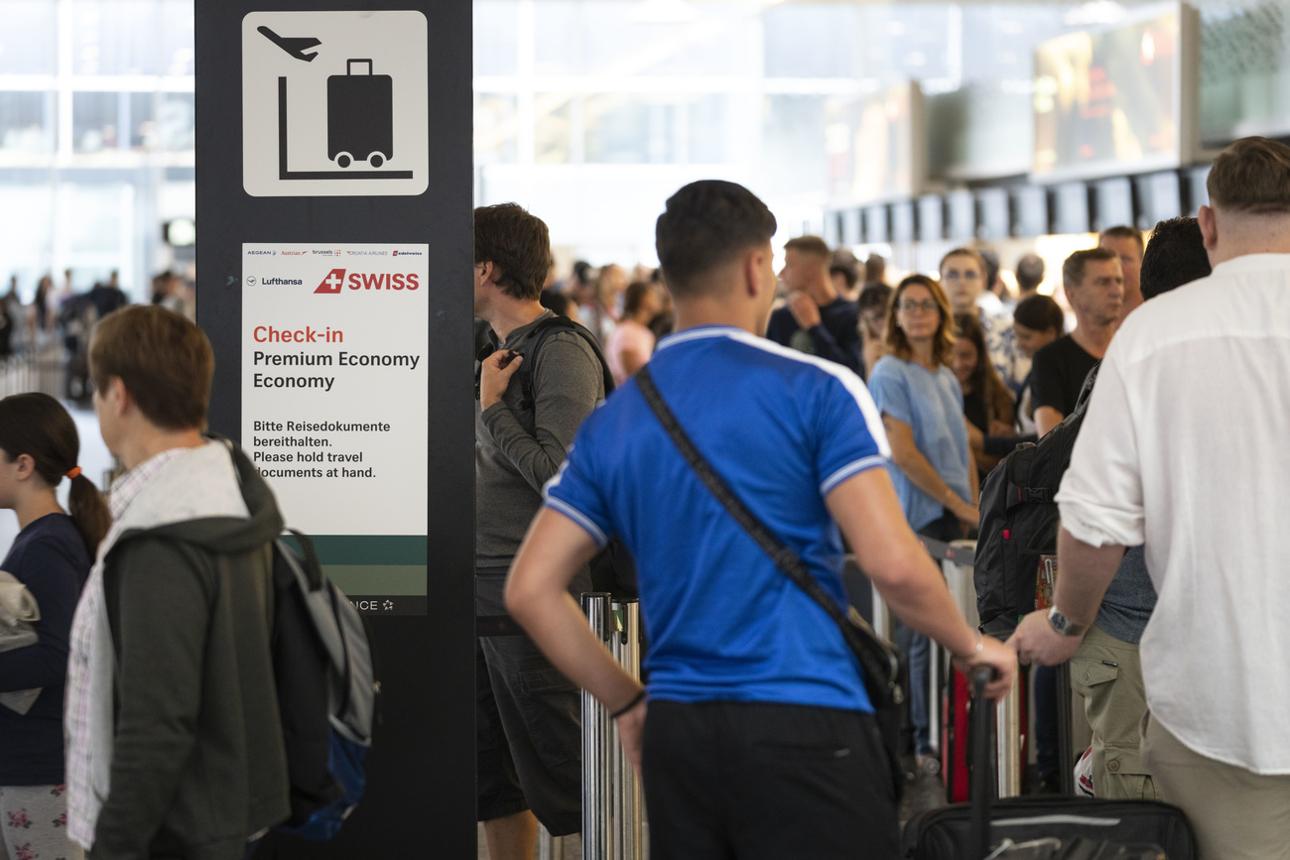
Swiss Airports Record 13.3 Million Passengers in Q1 2026.

Swiss airports recorded a strong increase in passenger traffic during the first quarter of 2026, reaching a total of 13.3 million travellers on scheduled and charter flights, including transit passengers.

According to figures published by the Federal Statistical Office, this represents an increase of around 0.7 million passengers, or 5%, compared to the same period in 2025.

The growth highlights continued recovery and expansion in Switzerland’s aviation sector, supported by rising travel demand and strong international connectivity.

Among the country’s major airports, Zurich Airport recorded the highest passenger volume, handling 6.9 million travellers. This marks a 6% increase compared to the previous year.

Geneva Airport also saw steady growth, with passenger numbers rising by 3% to 4.6 million. Meanwhile, EuroAirport Basel Mulhouse Freiburg experienced the strongest percentage increase, up 7% to 1.8 million passengers.

Aviation analysts say the increase reflects stronger international travel demand, improved airline capacity, and Switzerland’s continued role as a key European travel hub.

The data suggests that despite global economic uncertainties, Swiss air travel remains resilient, with both tourism and business travel contributing to the upward trend.