Middle East Conflict and Oil Prices Threaten Swiss Economic Growth

The ongoing Middle East conflict is likely to slow down Switzerland’s economic growth while increasing inflation, according to new projections from UBS economists.

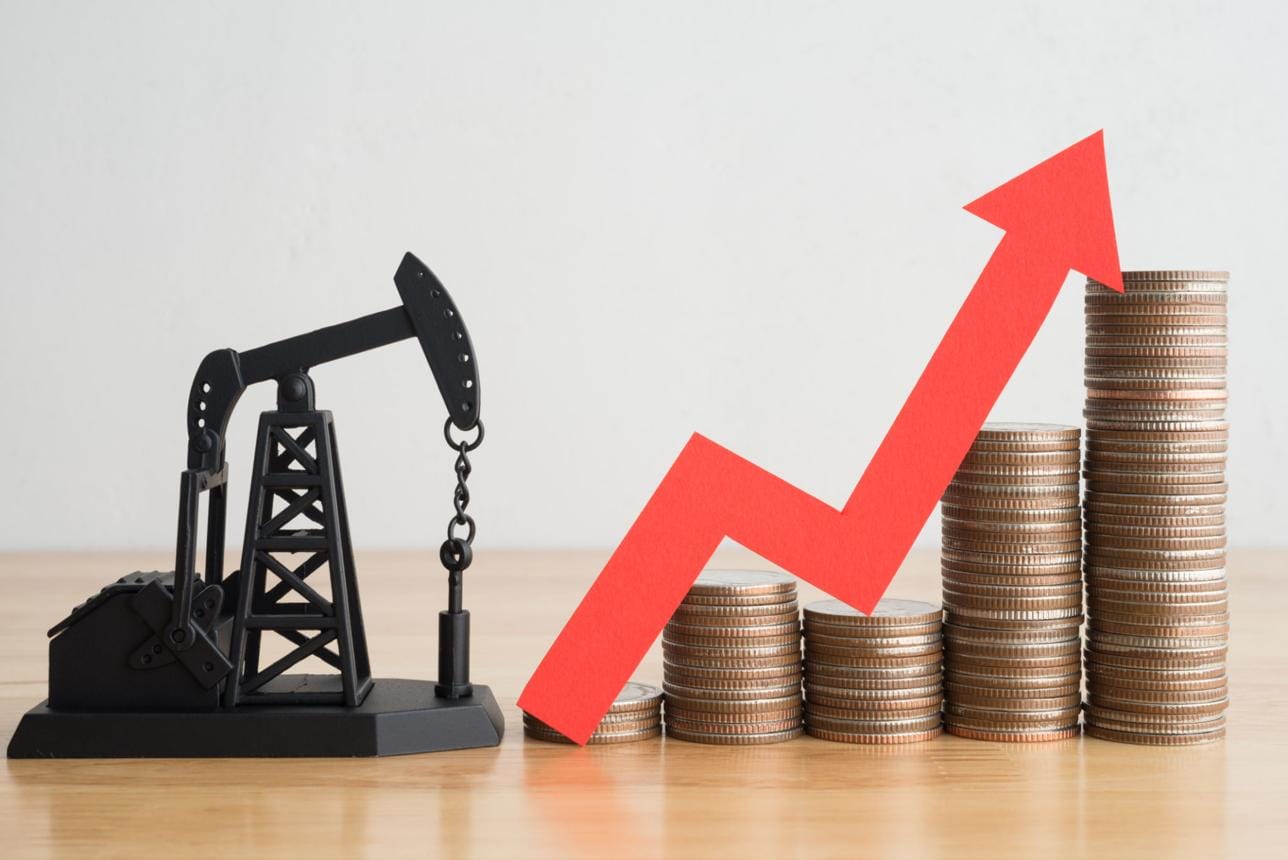
Analysts Alessandro Bee and Matteo Mosimann warn that if tensions between the United States and Iran continue, oil prices could rise above $150 per barrel. Such a surge would significantly increase global energy costs and raise fears of a broader economic slowdown.

The report highlights that higher fuel prices are already impacting Swiss households. Increased costs for petrol and heating oil are currently costing consumers around CHF 170 million per month, although this still represents less than 0.5% of total household spending.

Despite rising prices, consumer confidence has weakened. UBS noted that morale dropped in March and April to its lowest level in nearly two and a half years. However, industrial sentiment has remained relatively stable, showing limited immediate impact on production activity.

Economists expect some stabilization if geopolitical tensions ease in the coming months, with global oil supply likely to normalize in the second half of the year. However, they still caution that the Swiss economy will face pressure even under improved conditions.

UBS has revised its growth outlook downward. For 2026, Swiss GDP is now expected to grow by just 0.7%, compared with earlier forecasts of 0.9%. In 2027, growth is projected at 1.4%, slightly below previous estimates.

Despite the slowdown, economists believe Switzerland could benefit indirectly from fiscal stimulus measures in Europe, including Germany’s tax package, which may support confidence and economic activity in the longer term.

Overall, the outlook suggests moderate but manageable economic pressure rather than a severe downturn.


Swiss Economy Records Strong Growth in Early 2026 Despite Global Challenges

Switzerland’s economy showed stronger-than-expected growth during the first quarter of 2026 despite rising oil prices and ongoing global trade uncertainties. According to the latest flash estimate released by the Swiss State Secretariat for Economic Affairs (SECO), the country’s real seasonally adjusted gross domestic product (GDP) increased by 0.5% compared to the previous quarter.

The positive economic performance came from growth in both the industrial and service sectors. Economists had predicted a lower increase of between 0.3% and 0.4%, making the latest figures a positive surprise for the Swiss economy. During the final quarter of 2025, Switzerland’s GDP had grown by only 0.2%, while the previous quarter experienced a 0.5% decline due to international tariff disputes and trade tensions.

GDP Growth=0.5%GDP\ Growth = 0.5\%GDP Growth=0.5%

SECO economic expert Felicitas Kemeny explained that confidence in the economy has improved in recent months. She stated that reduced tariffs and slight economic recovery in Germany helped support Swiss economic activity. Several economic indicators also pointed toward stronger business confidence and stable consumer activity across Switzerland.

Although oil prices increased significantly during March, analysts noted that confidence indicators remained relatively stable. This has created optimism that Switzerland may maintain positive economic momentum in the short term. However, uncertainty still exists because global energy prices and international trade conditions continue to affect economic forecasts worldwide.

The Swiss government currently expects economic growth of around 1.0% for 2026 under its main scenario. If oil prices remain elevated for a longer period, experts believe growth could slow slightly to around 0.8%. SECO will release the detailed GDP report on June 1, which will provide more information about the performance of individual sectors within the Swiss economy.

Switzerland continues to demonstrate resilience despite global economic pressure, inflation concerns, and international market instability. Economists believe the country’s diversified economy, stable financial system, and strong industrial base continue to support steady economic growth during uncertain times.

Swiss Economy Grows 0.5% Despite Oil Price Shock

The Swiss economy recorded stronger-than-expected growth in early 2026 despite global pressure from rising oil prices and ongoing trade uncertainties.

According to a flash estimate released by the State Secretariat for Economic Affairs (SECO), Switzerland’s gross domestic product (GDP) increased by 0.5% in the first quarter of 2026 compared to the previous quarter.

Both the industrial and service sectors contributed to this positive performance, showing resilience even amid external economic shocks.

The growth rate exceeded analysts’ expectations, which had predicted expansion between 0.3% and 0.4%, according to market surveys.

In the previous quarters, the Swiss economy showed mixed performance, including a 0.2% growth at the end of 2025 and a 0.5% contraction earlier due to tariff-related tensions.

SECO officials noted that improved business confidence played a key role in the recovery, along with easing tariff pressures and modest positive spillover effects from Germany’s economy.

However, economists remain cautious about the outlook. Rising oil prices, which increased significantly in March, could still affect economic momentum in the coming months.

Despite this, confidence indicators have remained relatively stable, suggesting that short-term growth may continue.

The Swiss government currently projects annual growth of around 1.0%, though this could be revised down to 0.8% if high energy prices persist.

A detailed GDP breakdown is expected in the upcoming full report scheduled for June 1, which will provide deeper insight into sector-specific performance.

ILO Warns of 14 Million Job Loss Risk

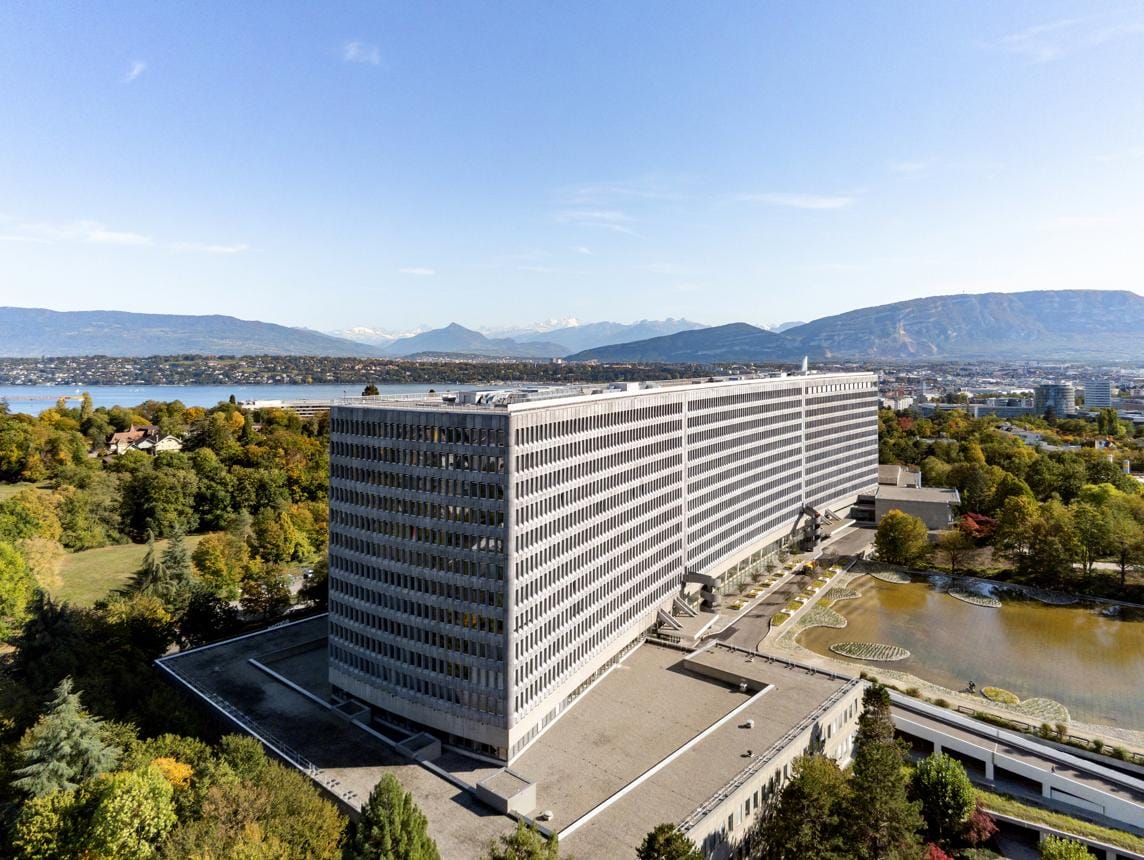
The International Labour Organization (ILO), based in Geneva, has warned that an escalating crisis in the Middle East could lead to severe global job losses if oil prices continue to surge.

According to a new report published on Monday, the organization estimates that up to 14 million full-time equivalent jobs could be lost this year if the price of oil rises by 50% above early-year averages. By 2027, this number could increase dramatically to around 38 million jobs worldwide.

The ILO report highlights that global working hours may fall by 0.5% this year and by 1.1% next year, reflecting a broader slowdown in economic activity linked to energy price shocks and geopolitical instability.

Real labour income is also expected to decline significantly. The report projects losses of 1.1% this year and up to 3% next year, representing an estimated global income reduction of $1.1 trillion and $3 trillion respectively.

Unemployment rates are also expected to rise modestly but steadily, increasing by 0.1 percentage points this year and 0.5 percentage points in the following year.

The report notes that regions such as Arab states and Asia-Pacific economies are likely to be the most heavily affected due to their strong economic ties to Gulf oil markets and energy supply chains.

In the most severe scenario, working hours in Arab countries could drop by more than 10%, a level of disruption described by ILO economists as significantly worse than the early impact of the COVID-19 pandemic.

ILO Chief Economist Sangheon Lee described the situation as a “slow and potentially long shock,” warning that the effects could persist if geopolitical tensions and energy instability continue.

The findings highlight growing concerns about how regional conflicts can trigger global economic ripple effects, particularly through energy prices, inflation, and labour market instability.

Switzerland Fuel Prices Drop Slightly as Oil Market Eases

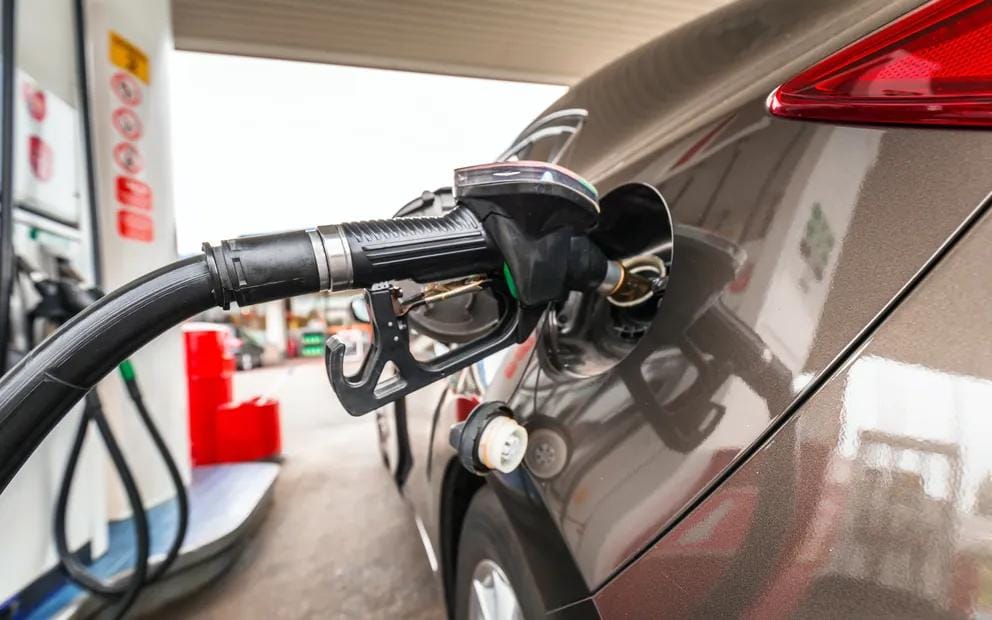
Fuel prices in Switzerland have fallen slightly in recent days, offering limited relief to motorists after months of elevated energy costs.

According to the Touring Club Switzerland (TCS), the average national fuel prices during the week stood at CHF1.89 per litre for unleaded 95 petrol, CHF2.00 for unleaded 98, and CHF2.14 for diesel.

Compared with the end of April, petrol prices have dropped by CHF0.01, while diesel prices declined by CHF0.03 per litre. Despite the decrease, fuel remains significantly more expensive than before the escalation of tensions in the Middle East earlier this year.

Before the regional conflict intensified, fuel prices at the end of February averaged CHF1.

67 for unleaded 95, CHF1.78 for unleaded 98, and CHF1.79 for diesel. Current prices therefore remain roughly 13% higher for petrol and more than 20% higher for diesel.

The TCS says stronger industrial demand has contributed to the sharper increase in diesel prices compared with petrol.

Global oil prices have also eased slightly. A barrel of Brent crude traded at just under $108 this week, down around $10 from late April levels.

Oil markets had surged earlier after concerns over conflict in the Middle East and fears surrounding possible disruptions to the strategically important Strait of Hormuz shipping route.

The TCS noted that actual fuel prices can vary across Swiss regions and petrol stations, as its published figures are based on estimates and market sampling.

Although prices have softened slightly, Swiss consumers continue to face elevated transport and energy costs compared to earlier in the year.